Skip to content
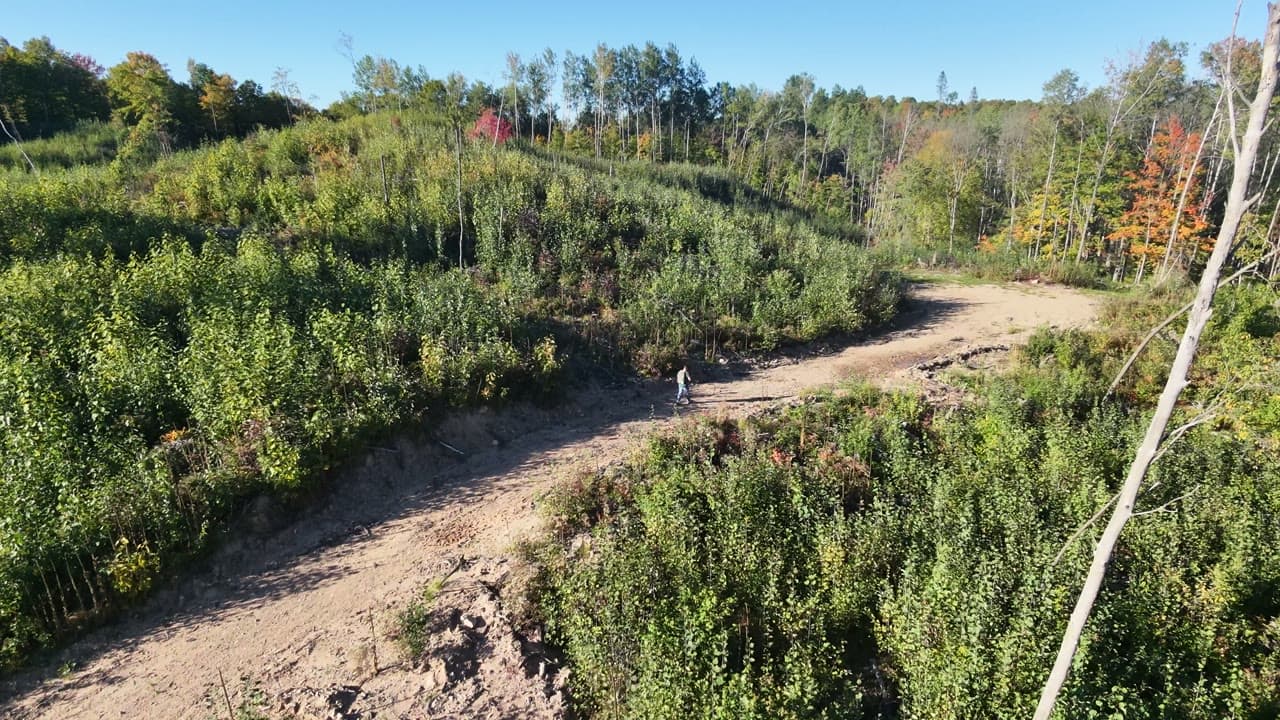
A rucker on a winding wooded trail, seen from above

The Ruck Authority field guide / Training

Rucking training programs.

Start with what you can do comfortably now. Pick a plan, build one variable at a time, and use the workouts when you need them.

From our trail footage

01 / Choose your route

Where are you starting?

Pick the first statement that describes your current training. The right plan starts with a baseline you can repeat.

02 / The training library

Go further, one session at a time.

Plans give you a schedule. Workouts solve a specific problem. Recovery guides help you decide when to back off.

26 more guides
01

Indoor Rucking Plan: A 4-Week Treadmill Program

A four-week treadmill rucking plan that holds pack load steady, separates incline from duration progressions, and uses two loaded sessions plus unloaded aerobic work.
02

Fall and Winter Rucking: Indoor Options, Dark Evenings and Events

Choose a safer route as daylight and weather change: indoor alternatives, cold-weather preparation, after-dark checks and verified fall 2026 events.
03

Hill Ruck Training: Elevation Workouts for Every Terrain

How to add hills to a rucking week: uphill and downhill form, five hill and stair workouts, treadmill and garage options for flat areas, and how to progress safely.
04

12-Mile Military Ruck Training Plan: A 12-Week Program

A 12-week plan for an official 12-mile military ruck test, built around one weekly foot march, unloaded aerobic work, strength, pace practice, and the exact standard in your unit document.
05

Rucking vs CrossFit: Which Is Right for You?

How rucking and CrossFit compare on strength, endurance, cost, community and injury evidence, and how to combine them without overloading your week.
06

Rucking vs Cycling: Which Cardio Should You Choose?

How rucking and cycling compare on calorie burn, joint load, bone loading, strength, cost and convenience, with a sample week that combines both.
07

How to Train for a GORUCK Event: Light, Basic, Tough and Heavy

An evidence-led GORUCK training guide that starts with the current event page, separates Light, Basic, Tough, and Heavy preparation, and provides an adjustable 8-week plan.
08

GORUCK's Ruck Shuffle: Technique, Gear and Research

How GORUCK describes the ruck shuffle, where the Basic Rucker fits, and what published research tells us about load, movement and knee safety.
09

Rucking for Seniors: Considering Loaded Walking After 60

How to consider loaded walking after 60: current fitness, balance, symptoms, clinical guidance and the limits of the bone-health evidence.
10

GORUCK Tough Packing List: Complete Gear Guide (2026)

GORUCK Tough packing list with required gear, smart add-ons, blister care, layers, hydration, food, and event-ready loadout notes.
11

Ruck Progression: How to Increase Weight and Distance

A practical ruck-progression framework that starts from recent training, changes one factor at a time, and explains why the 10 percent rule and pound-miles are not safety guarantees.
12

Zone 2 Training for Ruckers: Building Your Aerobic Base Foundation

Build a zone 2 rucking base with heart rate targets, session length, load guidance, progression rules, and aerobic capacity checks.
13

30 lb vs 45 lb Ruck: Calorie Burn, Training Effect, and When to Make the Jump

In a 180-pound, 4 mph calculator example, moving from 30 lb to 45 lb adds 50% more pack load but about 7% more estimated calories. Learn when the heavier load fits the goal.
14

Does Rucking Build Muscle? What the Evidence Supports

Rucking trains strength endurance more than muscle size. Learn which muscles it loads, who may gain size, and when to add resistance training.
15

8 Weeks to a Fall Ruck Event: A Countdown Plan

An adjustable eight-week fall ruck-event plan for athletes with an existing baseline, covering event requirements, one weekly long ruck, gear checks, heat decisions, and taper.
16

Ruck Event Packing Lists: What to Bring

Build your ruck event packing list from organizer rules. Download a one-page worksheet for required weight, water, gear, and your final weigh-in.
17

Ruck Running vs Fast Walking: What Should You Train?

Why loaded running is not the default way to get faster, what a ruck shuffle actually is, and how to improve pace with fast walking and unloaded conditioning.
18

Speed Rucking: Walking Intervals to Improve Your Pace

A six-week speed-rucking plan built around one loaded interval session, a stable pack load, unloaded conditioning, and a walking gait.
19

Rucking + Lifting: How to Program Both Without Burning Out

How to combine rucking with strength training: which sessions to keep apart, why to lift before a hard ruck, three sample weekly splits, and signs you're doing too much.
20

Rucking in Cold Weather: Safety, Gear, and Training Guide

Plan cold-weather rucks around wind, wet clothing, ice and daylight. Practical layers, route checks, warning signs and indoor alternatives.
21

How Often Should You Ruck? A Baseline-First Answer

Most people can build a useful week around one primary ruck. Learn when a second easy loaded session makes sense and what to do on the other days.
22

Rucking Weekly Routine: Schedules Built Around One Main Ruck

Choose a three-, four-, or five-day training week without turning every session into a ruck. Each schedule uses one primary loaded day and unloaded support work.
23

Rucking Pace Chart 2026: 2, 6 & 12 Mile Times by Load

Rucking pace by pack weight and effort, with 2, 6 and 12 mile finish times, the 12-mile military benchmark, and why effort matters more than the clock.
24

Rucking vs Swimming: Low-Impact Training Showdown

How rucking and swimming compare on calorie burn, joint stress, bone loading, cost and convenience, with a sample week that combines both.
25

Summer Heat Rucking Safety: Science-Backed Tips for Training in High Temperatures

Heat acclimatization, individual hydration, when to lighten the pack, warning signs of heat illness, and the buddy system for safer hot-weather rucking.
26

Weighted Vest vs Rucksack: Which Is Better for Fitness?

Weighted vest walking or a rucksack? What each carries well for walks, circuits, events and bone health, what the research actually compares, and how to choose.