Gear Review
Best Weighted Vests for Rucking in 2026
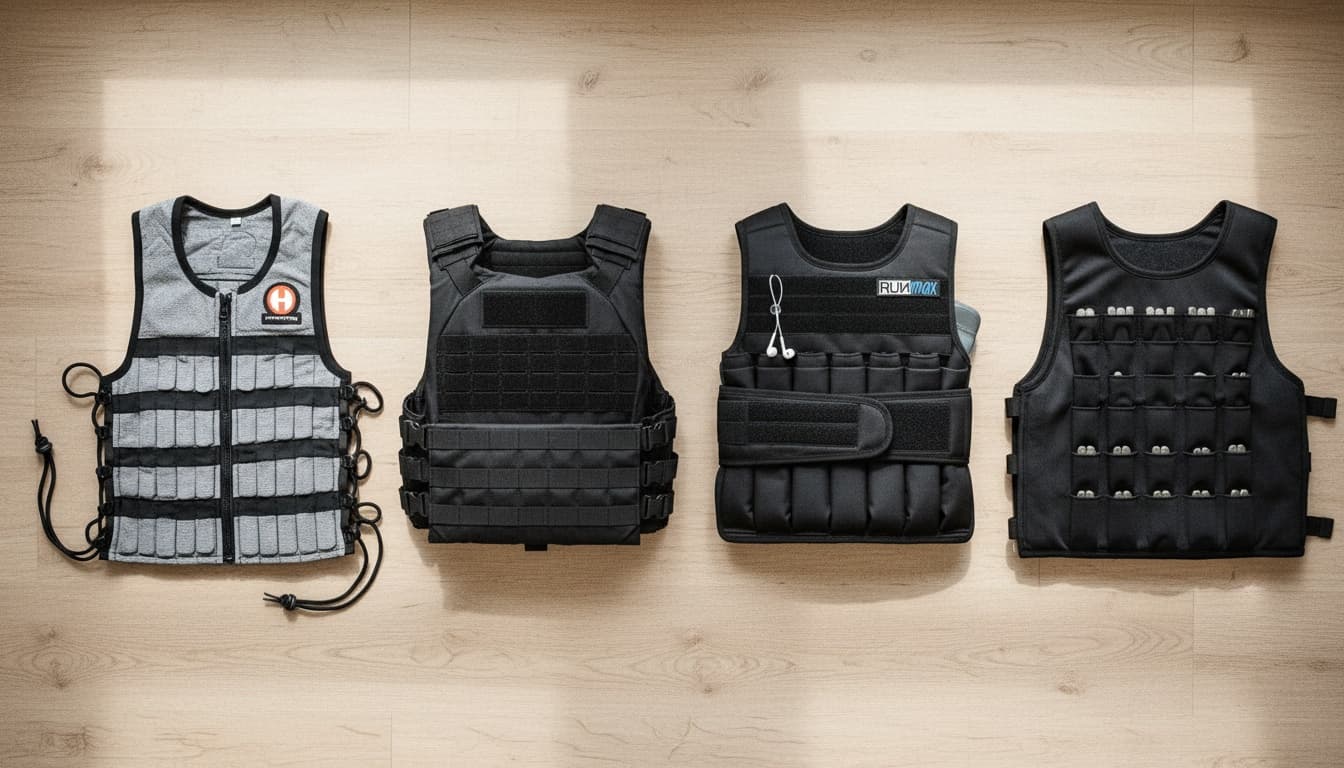
Compare GORUCK's three weighted vests with CAP Barbell, Hyperwear, RUNmax, Cross101, Mir and the 5.11 TacTec plate carrier by fit, load range, build and value.
On this page13 sections
- Quick Picks
- Why Format Matters: Vest vs Plate Carrier vs Pack
- Best Overall: GORUCK Spy Ruck
- Tiers by Format and Price
- Comparison Matrix
- Head-to-Head Reviews
- GORUCK Rucking Weighted Vest
- GORUCK Achilles Weighted Vest
- CAP Barbell Adjustable Weighted Vest
- Hyperwear Hyper Vest PRO
- 5.11 Tactical TacTec
- Mir Short Weighted Vest
- RUNmax Pro
- Cross101 Adjustable
- Wolf Tactical Training Vest
- Which GORUCK Vest Is for Rucking
- Vest Types: Integrated vs Plate Carrier
- When a Vest Beats a Pack
- Women's-Fit Considerations
- Budget Amazon Vests Under $100
- Starting Weight and Progression
- Choose a Weighted Vest
- FAQ
- Best overall by score: GORUCK Spy Ruck (8.8/10), for women's walking fit at a fixed 8, 12 or 16 lb load. Gretchen used the Black 12 lb vest over a few weeks; check the fit for yourself.
- Best adjustable for beginners: CAP Barbell (7.7/10). Removable weights let you start light and change the load.
- Best for rucking: GORUCK Rucking Weight Vest (7.5/10). My 20 lb setup stays secure in use, with L/XL adjustment and heat limits to consider. Matching Curved plates cost extra.
- Heavier fixed-load walks: GORUCK Achilles (8.1/10). My early use of the Black 30 lb vest supports its flexible fit and quick setup; separate 20 and 30 lb versions cannot change load.
- Heavier loads on a budget: RUNmax Pro. Thin profile for running crossover: Hyperwear Hyper Vest PRO. Front-and-back plates: 5.11 TacTec.
- A vest suits short sessions, hills and hands-free work. A pack still wins on long or hot rucks where you carry water and layers.
Choose the Right Weighted-Vest Format
If you're searching for a weighted vest for rucking, the short answer is this: most beginners should start with an adjustable integrated vest like the CAP Barbell, while ruckers doing heavier or event-style training should look at plate carriers or a real rucksack. The right pick comes down to load stability, heat, torso fit, and whether you need to carry water or gear.
Weighted vests come in several formats: stretch-fit fitness vests, plate carriers, fixed-weight designs and women's-specific cuts. Compare how each holds its load, adjusts to your torso and works with the supplies you carry.
This guide compares nine weighted vests and one plate carrier, separates the formats so you don't accidentally buy the wrong one, and includes Gretchen's hands-on Spy Ruck review alongside research-based budget-Amazon picks. Plate carriers get their own dedicated comparison in our plate-carrier guide, which covers the 5.11 TacTec, GORUCK Ruck Plate Carrier 3.0, and Polyfit Rucking Backpack 2.0 in more depth. One scope note: this page covers rucking-specific vests. If you want a vest for plain walking or general fitness, our sister site Kit Authority's walking-vest guide owns that question.
Every score uses the Ruck Authority formula: 30% Rucking Fit, 25% Community Reception, 25% Build Quality and 20% Value. The Rucking Weight Vest assessment includes three weeks in rotation with the 20 lb setup, confirmed October 13, 2026. The Achilles fit and value assessment includes my early use of the Black 30 lb vest, documented October 5-6, 2026. The Spy Ruck assessment includes Gretchen's several weeks with the Black 12 lb vest, documented October 10, plus manufacturer-hosted owner feedback and current peer pricing checked October 13. Other scored picks remain research-based. These reviews do not establish long-term durability or a controlled comfort comparison with every vest here.
Disclosure: GORUCK supplied my Rucking Weight Vest and curved plates, my Achilles vest and Gretchen's Spy Ruck and does not approve our conclusions. Wolf Tactical pays Ruck Authority a higher commission on its own gear through Amazon's Creator Connections program. We have not tested the Wolf vest; its entry uses manufacturer specifications.

The Benchmark: GORUCK Spy Ruck Women's Weighted Vest

Best Overall · Women's FitHands-on tested · Gifted by GORUCK
Spy Ruck Women's Weighted Vest
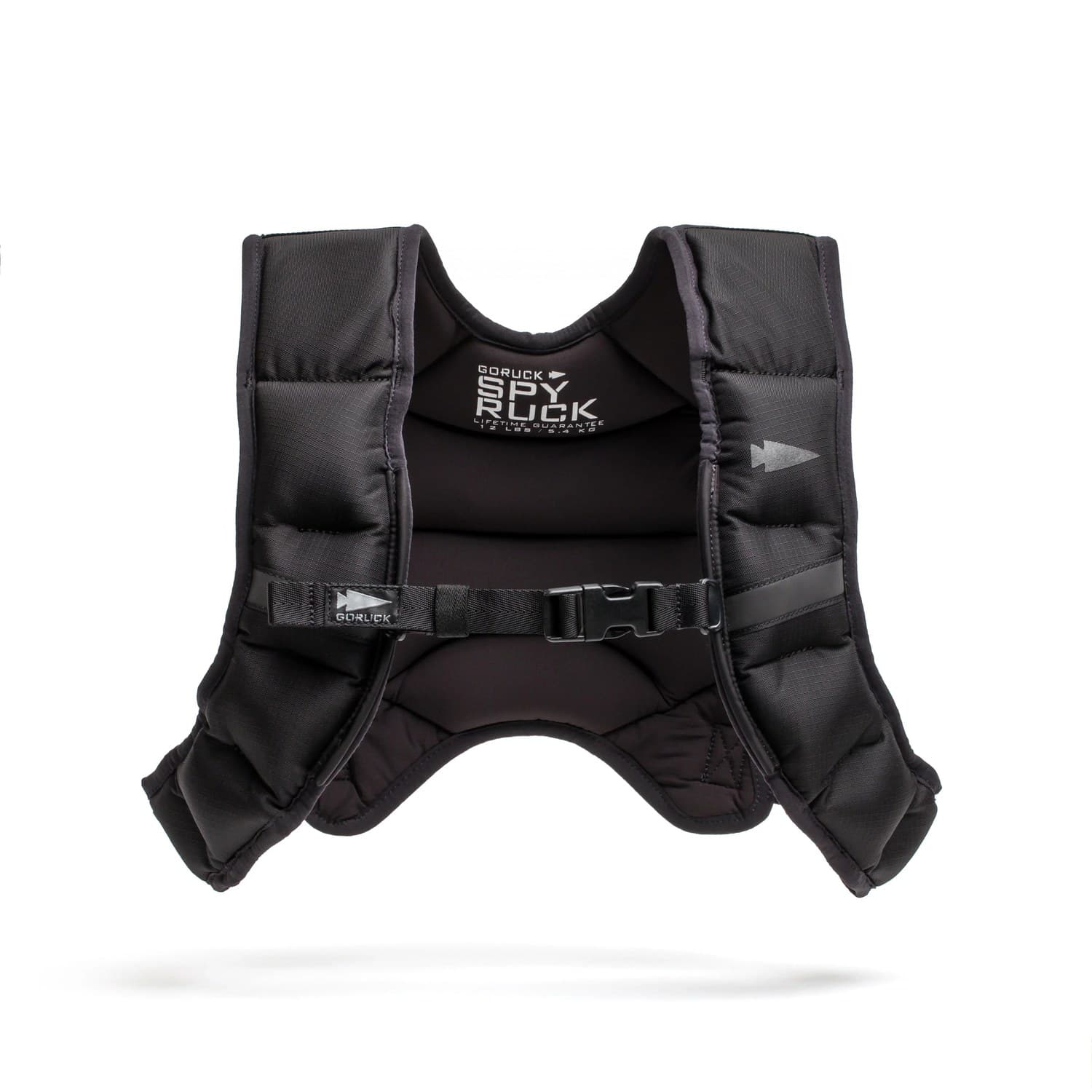
Gretchen wore the black 12 lb Spy Ruck over a few weeks and found a secure, comfortable fit with little need to readjust. The sliding front straps and padded shoulders suit her walks. Weight is permanent, and her phone and keys need a separate place to go.
The Five Budget Tiers
GORUCK's three vests, built by a rucking company rather than a fitness-equipment brand. The Rucking Weighted Vest is the one designed around the problem: curved plates with a chest cutout that GORUCK says is intended to accommodate breathing. The Achilles comes with a fixed 20 or 30 lb load; my 30 lb version is quick to put on for a dog walk, and the Spy Ruck is cut on a women's pattern. All carry the SCARS lifetime guarantee.
Higher-priced vests that arrive ready to wear. The Hyper Vest PRO is the thin-profile option, with small removable steel weights for fine adjustment, but its capacity is capped by size (20, 25, 30 or 40 lb in S, M, L or XL). The Wolf Tactical vest is sold at a fixed weight. Neither is where you progress to heavy loads.
Adjustable vests with removable weights (steel shot, sand bags or iron, depending on the model) and broad weight ranges. Bulkier than thin-profile vests, but the cheapest way in this article to cover a wide training range.
Front-and-back plate carriers and plate-carrying rucks. A different format from integrated vests: rigid plates sit front and back instead of weight wrapping around the trunk. Covered in depth in our dedicated plate carrier guide.
Repurpose a sturdy backpack with weight plates, sand bags, or water bottles. Fine as a short trial before committing to a vest or a dedicated ruck.
Price vs Performance Matrix
| Product | Price | Rating | Profile | Best For |
|---|---|---|---|---|
| GORUCK Rucking Weighted Vest | 7.5/10 | Curved plates, sold separately | Purpose-built rucking vest | |
| GORUCK Spy Ruck Women's Weighted Vest | $50-150 | 8.8/10 | Fixed sewn-in weight, women's cut | Women's fit, 8 to 16 lb |
| GORUCK Achilles Weighted Vest | $150-300 | 8.1/10 | Fixed 20 or 30 lb; reviewed Black 30 lb | Quick weighted walks at a familiar load |
| CAP Barbell Adjustable Weighted Vest | $50-150 | 7.7/10 | Adjustable weight pockets | Everyday rucking, full progression |
| Hyperwear Hyper Vest PRO | $300-500 | 7.2/10 | Thin steel-packet | Low-profile / running crossover |
| 5.11 Tactical TacTec Plate Carrier | $150-300 | 7.5/10 | Plate carrier | Short heavy ruck training |
| Mir Short Weighted Vest | $50-150 | 7.0/10 | Short adjustable | Mobility-heavy training |
| RUNmax Pro Weighted Vest | $25-50 | 7.0/10 | High-capacity adjustable | Heavy-load Amazon pick |
| Cross101 Adjustable Weighted Vest | Under $25 | 6.8/10 | Basic adjustable | Beginner / 30-day trial |
Head-to-Head: Top Alternatives
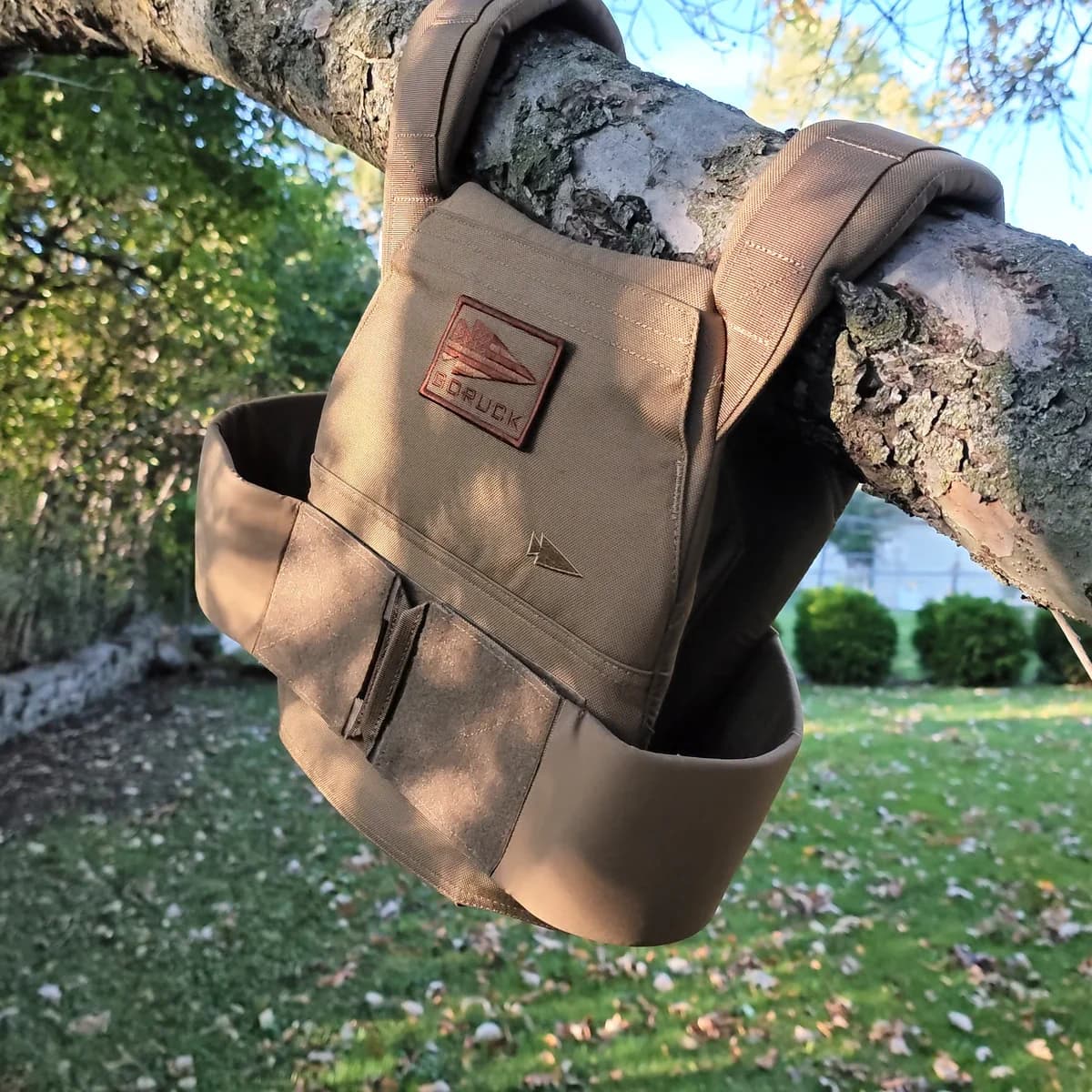
Best for RuckingHands-on tested · Gifted by GORUCK
Rucking Weight Vest
The 20 lb setup feels secure against me without sliding or bouncing. I've had the Coyote Brown L/XL in rotation for three weeks; the design feels refined, though I'm near its adjustment limit, it gets hot and my large phone is awkward to retrieve. Matching Curved plates cost extra.
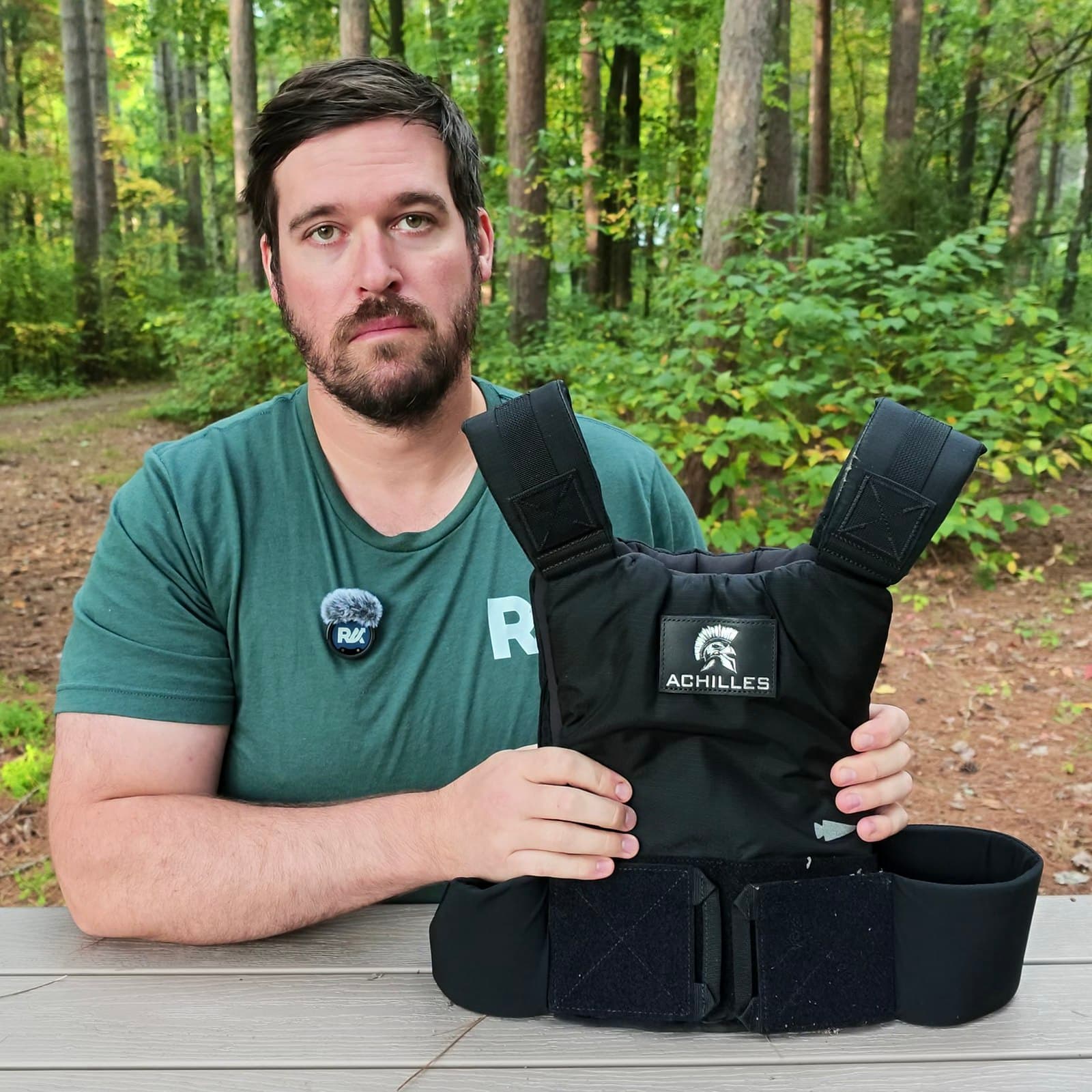
Best for Heavier Fixed LoadsHands-on tested
Achilles Weighted Vest
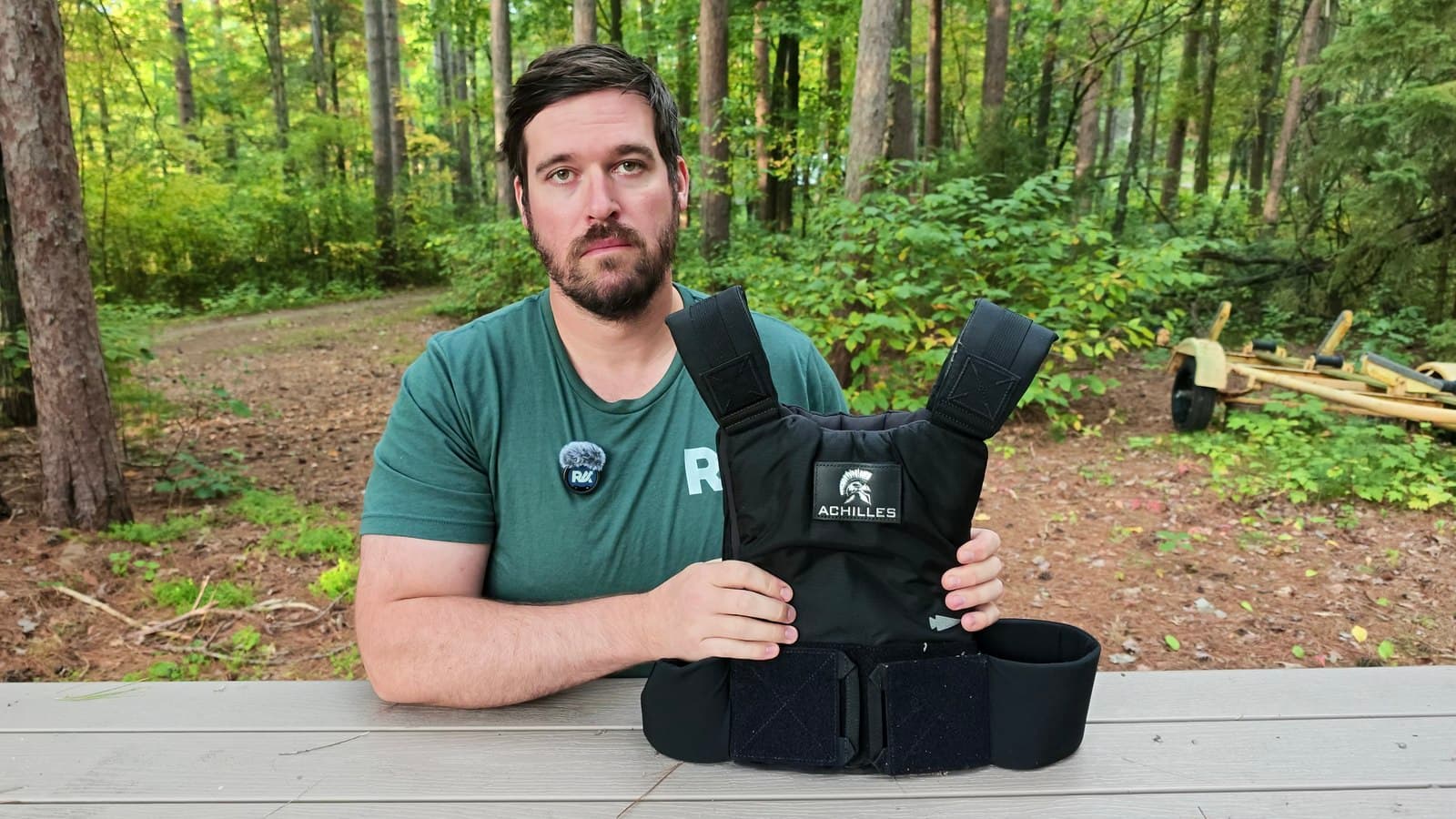
My Black 30 lb Achilles has become a frequent choice for quick dog walks. The sewn-in pellet panels flex around me, and I like having a familiar load ready to go. Weight is fixed per vest, with separate 20 lb and 30 lb versions; my early-use findings apply to the 30 lb model.
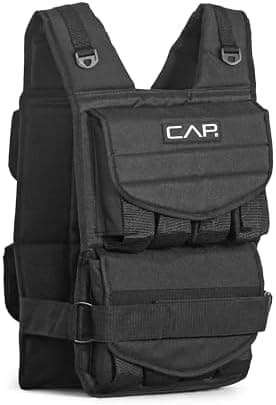
Best Adjustable for BeginnersResearch-based
Adjustable Weighted Vest
A no-frills adjustable weighted vest at a fraction of premium prices. Popular with home gym users and ruckers who want to add vest training without a big investment.
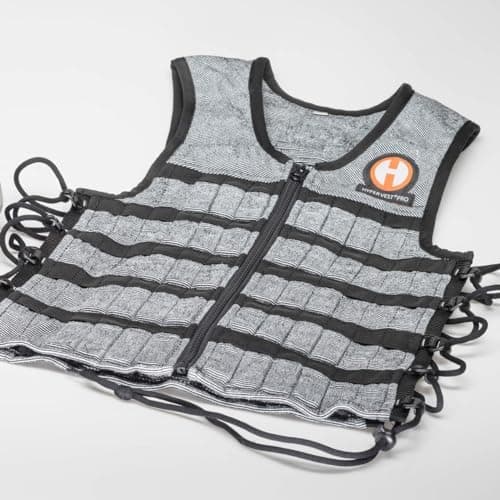
Hyperwear Hyper Vest PROResearch-based
Hyper Vest PRO
A premium weighted vest with a thin, low-bounce profile. Excellent comfort for short-duration activities, but community reports raise durability concerns that undermine the premium price.
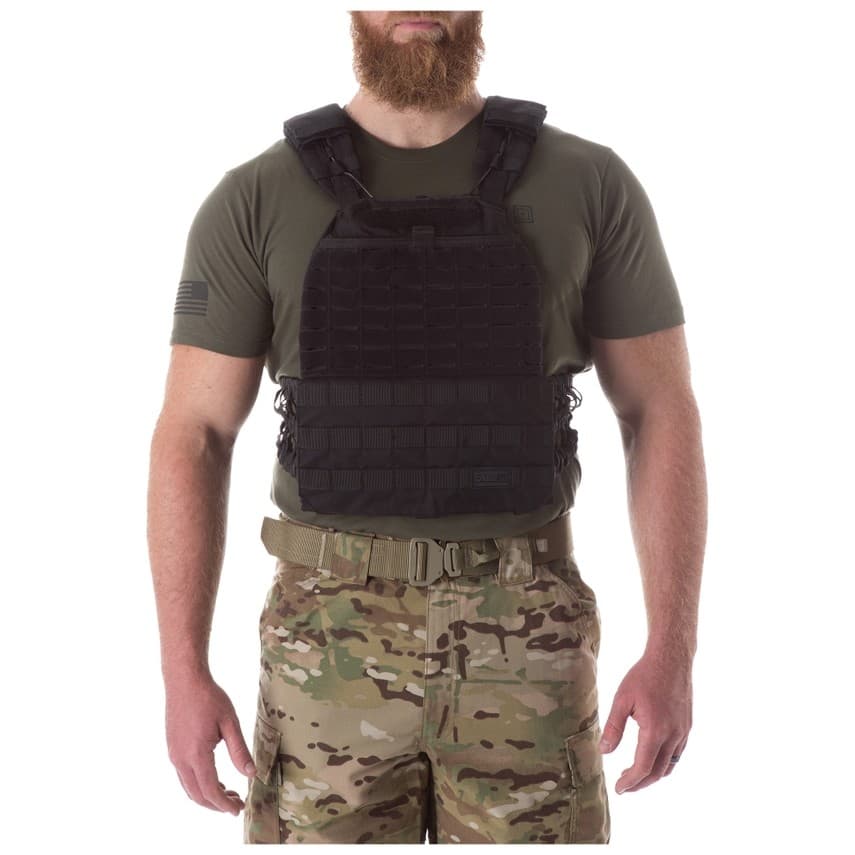
5.11 Tactical TacTecResearch-based
TacTec Plate Carrier
A front-and-back plate carrier with a 500D nylon shell, padded yoke, adjustable cummerbund, one-handed quick-release and laser-cut MOLLE. 5.11 lists medium and large ESAPI-size plates and Rogue weight vest plates as compatible.
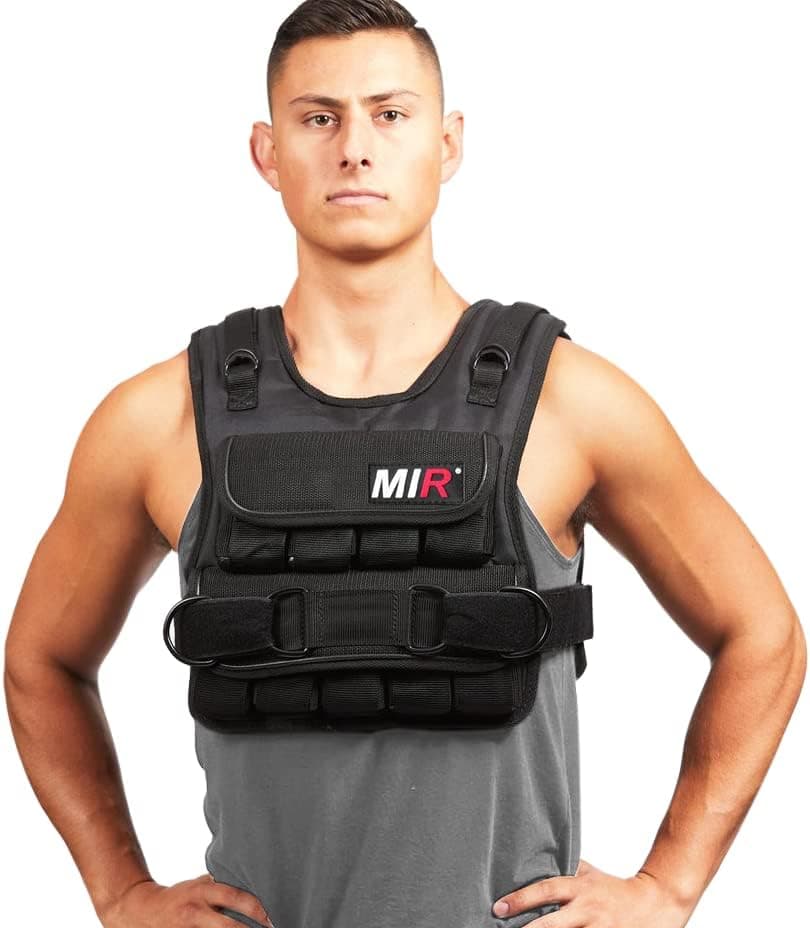
Mir Short Weighted VestResearch-based
Short Weighted Vest
A short-cut adjustable weighted vest with removable iron weights, sold in versions from 20 to 60 lb, aimed at mobility-heavy training where a full-length vest gets in the way.
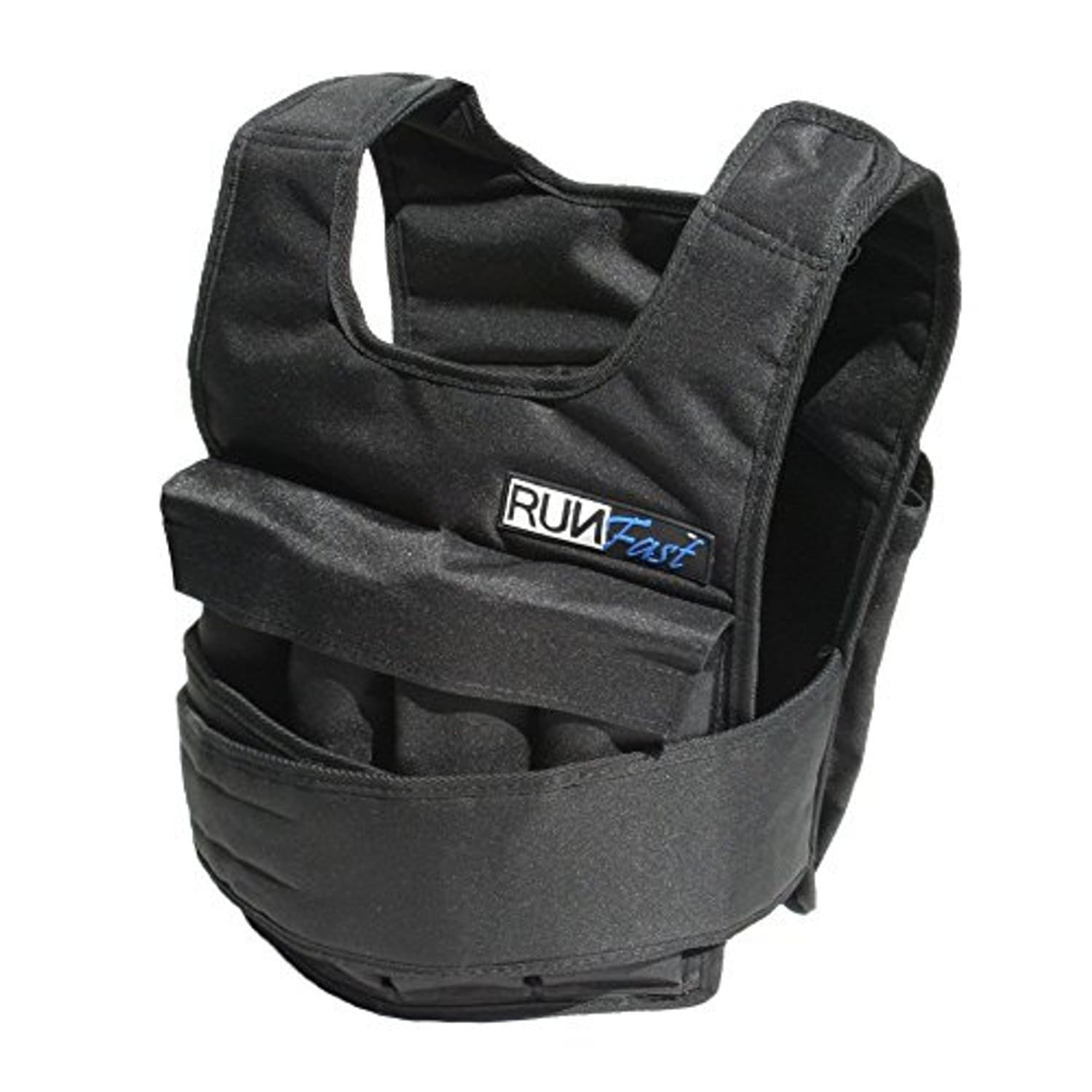
RUNmax ProResearch-based
RUNmax Pro Weighted Vest
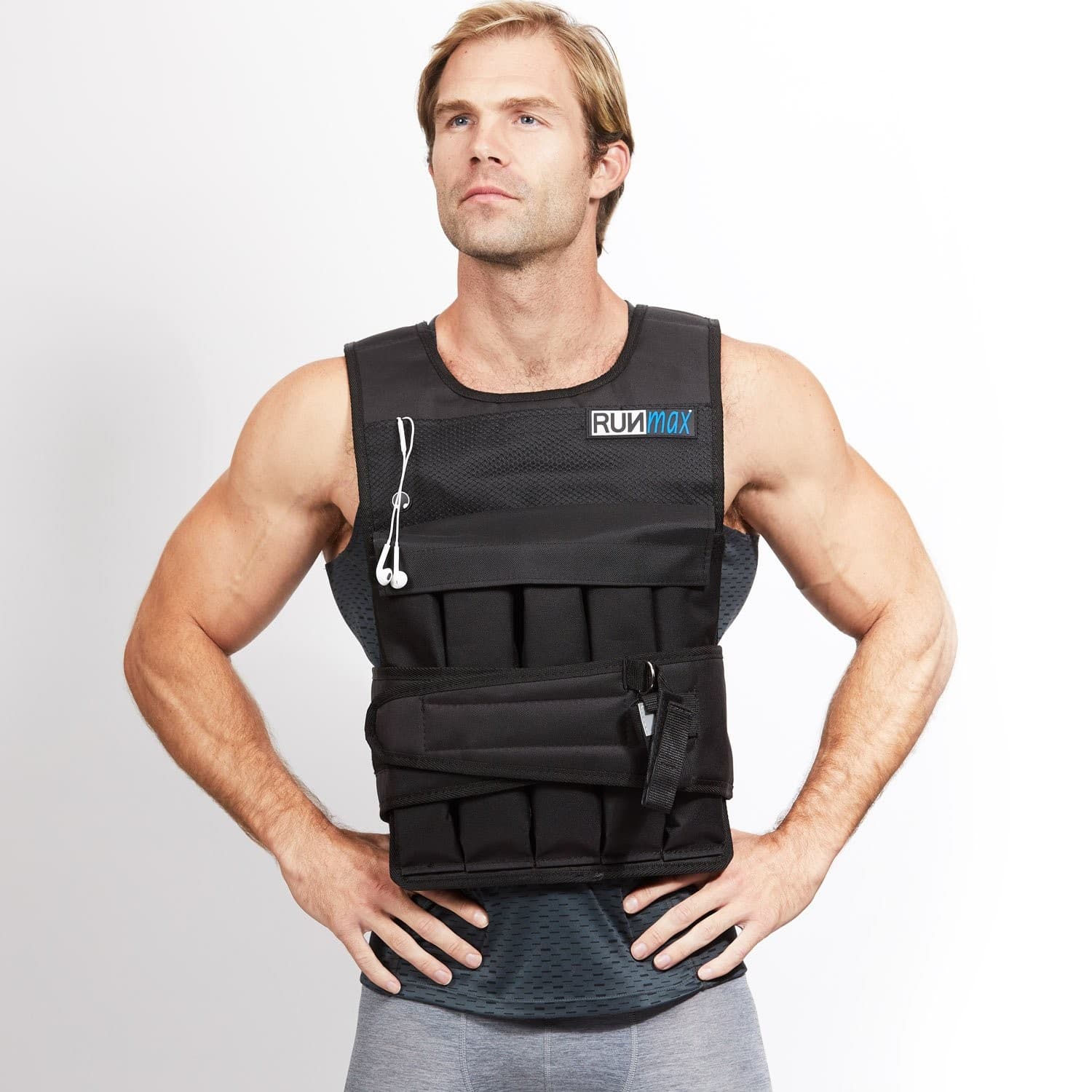
A low-cost adjustable weighted vest. The linked listing is the 20 lb RM20WP; RUNmax sells Pro versions up to 60 lb.
Cross101 AdjustableResearch-based
Adjustable Weighted Vest
A low-cost adjustable weighted vest. The linked listing is the 20 lb camouflage version with shoulder pads.
Wolf Tactical Training VestResearch-based
Wolf Tactical Weighted Training Vest
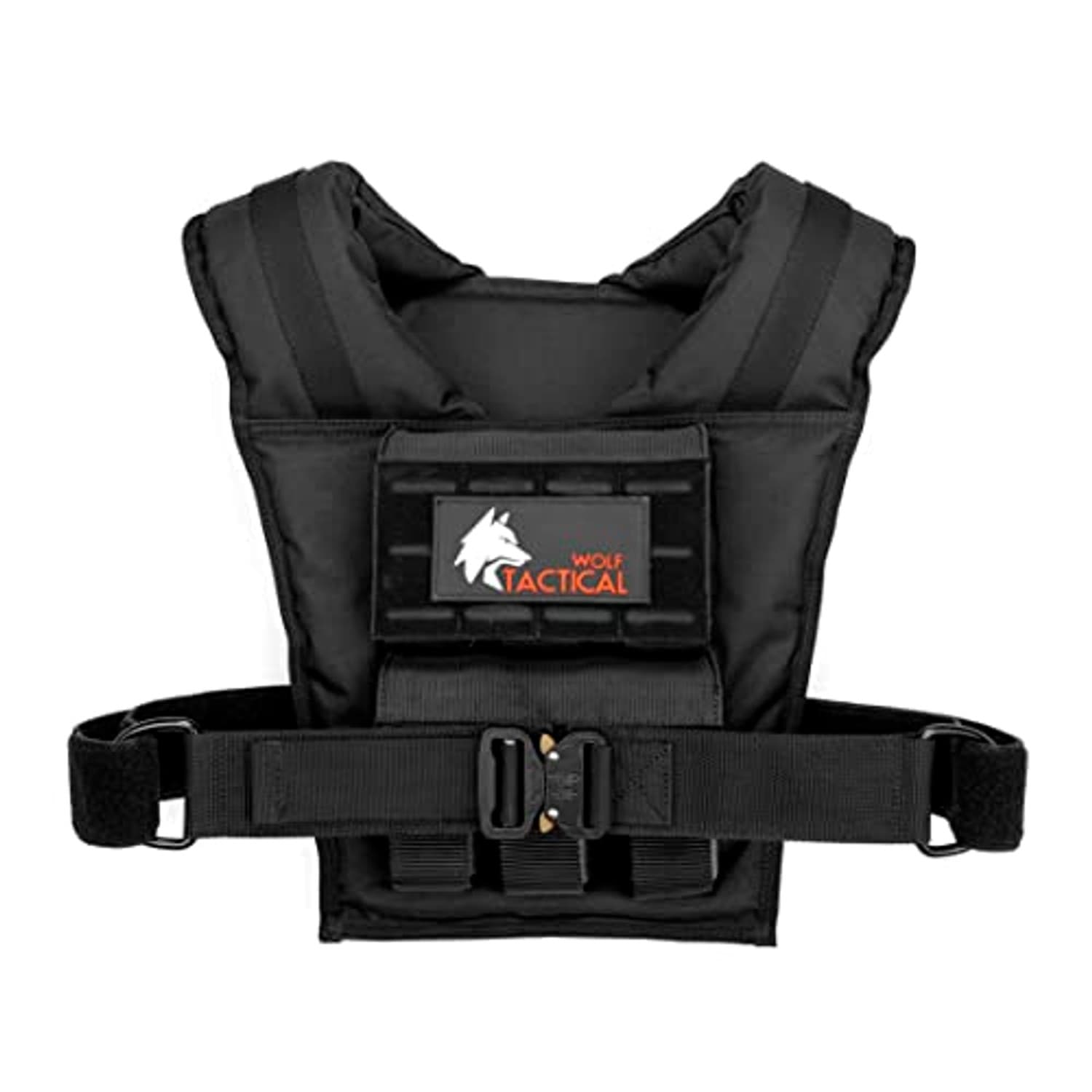
A fixed-weight training vest in 25 lb and 35 lb, aimed at people who ruck at one load and do not want to manage plates. That is the whole trade: no shell to fill, no plates to buy, and no way to drop to 10 lb on a recovery week. Priced above the adjustable budget vests and below GORUCK's.
Which GORUCK Vest Is for Rucking
GORUCK sells three vests, and they are three different products. Picking the wrong one is an expensive mistake.
- Rucking Weighted Vest
- The one built for this sport. Its curved plates carry a cutout over the diaphragm, and it has the same SCARS lifetime guarantee as the packs. The vest ships empty at 1.5 lb and the plates are a separate purchase, so a working 14 or 20 lb setup costs well above the vest's own price. My L/XL is still a first look; I haven't tested sustained loaded comfort or established a general sizing problem.
- Spy Ruck
- Gretchen's black 12 lb vest felt comfortable and secure over a few weeks of walking, with little need to readjust. She could place the sliding front straps where they suited her chest. Each 8, 12 or 16 lb version has a permanent load, and essentials need a separate place to go.
- Achilles
- My Black 30 lb Achilles is the vest I reach for on quick dog walks. Its sewn-in pellets flex around me, and I can put it on without loading plates. My shoulders and traps fatigue while wearing it. The separate 20 and 30 lb versions have fixed loads, so choose an adjustable vest if you need lighter days or gradual progression.
Buy the Rucking Weighted Vest if you ruck and want the breathing room, the Spy Ruck if fit has been the thing stopping you, and the Achilles if a fixed 20 or 30 lb load suits your walks.
Gretchen's original observations on the 12 lb women's vest, including the jacket demonstration and fixed-weight tradeoff. Read the hands-on Spy Ruck review →
Vest Types: Integrated vs Plate Carrier
Weighted vests split into two structurally different products that get confused all the time. Buying the wrong one wastes money and trains the wrong thing.
Integrated-weight vests have weight sewn or packed into the vest body itself: sand bags (CAP Barbell 40-80 lb), steel-shot packets (CAP Barbell 20 lb), iron weights (CAP Barbell 100-150 lb, Mir), small steel weights (Hyperwear Hyper Vest PRO), or sewn-in coated steel pellets (GORUCK Achilles and Spy Ruck, which are fixed-weight). The weight wraps around your trunk in a torso-conforming shape. Adjustment happens by removing or adding the integrated weights, which means the vest gets lighter on the body but the format itself doesn't change. Best for everyday rucking, mobility-heavy training, and crossover use.
Plate carriers hold separate rigid plates (iron, steel, coated or dedicated ruck plates) in pockets, and the carrier is essentially a harness sized to hold them against your chest and back. Adjustment happens by swapping plates. Best for short heavy sessions and anyone who wants rigid plates they can swap. GORUCK's Ruck Plate Carrier 3.0 is the back-only exception: one plate, carried like a stripped-down pack.
For most ruckers starting out, an integrated vest is the right answer. Plate carriers add purchase complexity (plates sold separately, plate-to-carrier compatibility matters) and a higher floor on starting weight. We cover plate carriers separately in the dedicated plate-carrier guide for the readers who specifically want that format.
Plate carrier comparison with the GORUCK RPC 3.0, 5.11 TacTec, Polyfit Rucking Backpack 2.0, and Condor Sentry. Best plate carrier-style vests for rucking →
When a Vest Beats a Pack
A weighted vest makes sense when you want load without cargo. Short neighborhood rucks, hill repeats, stair sessions, and bodyweight circuits all benefit from the closer center of gravity. The weight does not pull backward the way a pack can, and your hands stay free.
A rucksack still wins for long sessions, hot weather, and event training because it carries water, layers, food, and blister supplies. If your goal is GORUCK-style preparation, use a pack for most long work and treat the vest as a secondary tool that complements it.
Heat is the other trade-off. An integrated vest covers far more of your torso than pack straps do, so the same shape that keeps the load close also holds in heat. If most of your rucking happens in summer, expect a pack to feel cooler than a vest at the same weight.
For the dedicated budget-vest deep dive, read the single-product review. CAP Barbell Adjustable Weighted Vest review →
Women's-Fit Considerations
Women are a big part of the category's growth: [Fitt Insider's 2025 coverage](https://insider.fitt.co/women-gyms-fuel-ruckings-continued-rise/) tied the rise of rucking and weighted vests partly to women looking for a harder version of walking. Most of the vests in this article are unisex, but fit and chest accommodation differ. A few category notes:
Hyperwear makes a Hyper Vest FIT designed for women, a lighter vest that keeps its weight around the midsection rather than the chest. It is tracked-only in our catalog (full review pending) but worth a look if the standard PRO sits wrong on your frame.
GORUCK's Spy Ruck is the women's vest in its lineup, built by co-founder Emily McCarthy on a women's pattern, and it has its own section below. GORUCK lists dual adjustable sliding sternum straps for a secure, personalized fit across the chest. CAP Barbell also sells a women's 30 lb adjustable vest.
Polyfit's Fortify and Warrior vests are tracked-only right now (full reviews pending). If budget Amazon vests fit poorly, compare their size charts before moving up a tier.
Practical advice: regardless of brand, check the front panel length against your torso before loading. The vest should sit between mid-sternum and the bottom of the ribs; if it presses on the throat or rolls onto the belly, the panel is wrong for your frame. Check the retailer's return policy before you load and sweat in a vest you might send back.
Budget Amazon Vests Under $100
If you're buying on Amazon under $100, we score three picks: CAP Barbell, RUNmax Pro, and Cross101. A long tail of generic adjustable vests sits around them, and we haven't scored those. The three picks differ mainly on weight range and how finely you can adjust the load.
CAP Barbell leads on value. The line's 20-150 lb range covers what most ruckers will ever load, and the weights differ by model: steel-shot packets of about 0.75 lb on the 20 lb vest, sand bags on the 40-80 lb versions, and cast iron bars on the 100-150 lb versions. The trade-off is bulk: at full load it's a chunkier silhouette than the Hyperwear PRO.
RUNmax Pro is the low-cost pick for heavier loads. Retail listings show Pro versions from 12 lb up to 60 lb, so check the exact weight on the listing before you order. It suits ruckers who want to progress past 40 lb without stepping up to plate carriers or stacking vests.
Cross101 is a budget option. Check the load and fit of the selected version; we haven't established a 30- or 90-day useful life through our own testing.
Check what the price includes: the empty carrier, weights or a complete setup. A low price or recent reviews alone don't establish manufacturing quality or dishonest selling.
Starting Weight and Progression
A vest changes load placement and fit. There isn't a universal per-pound cardiovascular advantage over a pack. Begin with a manageable load on a short walk, then change one variable at a time as comfort and recovery allow.
Count vest sessions alongside your other training. Switching equipment doesn't reset fatigue; adjust the total schedule around the load, effort and recovery you can manage.
If heart, lung, balance or musculoskeletal conditions affect exercise, get individual guidance before adding load. Neither age 50 nor a 15 lb load is a validated boundary between safe and unsafe vest use.
Side-by-Side Comparison
All picks at a glance - specs, ratings, and where to buy. How we rate →
| Product | Best For | Price | Our Rating | Buy |
|---|---|---|---|---|
| Budget-conscious ruckers and home gym users shopping with a sub-$150 vest budget. | $50-150 | Shop at Amazon · $50-150 | |
| Weighted walks with a secure front-and-back load, when the size fits and changing plate pairs matters. | $150-300 | Shop at GORUCK · $150-300 | |
 | Weighted walking at a fixed load you already want to use, with essentials carried separately. | $50-150 | Shop at GORUCK · $50-150 | |
| People who already train at their selected 20 or 30 lb load and value quick setup over load adjustability. | $150-300 | Shop at GORUCK · $150-300 | |
| CrossFit athletes and runners who prioritize thin profile and comfort for short-duration activities. Not ideal for heavy ruck training. | $300-500 | Shop at Amazon · $300-500 | |
| Law enforcement, military personnel, and serious fitness enthusiasts who need a professional-grade plate carrier with superior comfort and customization options. | $150-300 | Shop at Amazon · $150-300 | |
| Athletes and fitness enthusiasts who prioritize mobility and range of motion over maximum weight loading capacity. | $50-150 | Shop at Amazon · $50-150 | |
| Beginners looking for an affordable entry point into weighted vest training without premium features. | $25-50 | Shop at Amazon · $25-50 | |
| Beginners looking for an affordable introduction to weighted vest training without premium features. | Under $25 | Shop at Amazon · Under $25 |
Choose a Weighted Vest
The Spy Ruck leads this roundup at 8.8/10, for its women's walking fit and ready-to-wear value. Gretchen's Black 12 lb vest was comfortable and secure over several weeks, though one wearer cannot establish universal fit or long-term durability. My Black 30 lb Achilles remains my heavier fixed-load choice: quick to put on, with flexible panels that suit my walks. CAP Barbell remains the adjustable choice for beginners who need to start light and change the weight. If you want a vest designed around rucking and will buy the plates separately, choose the GORUCK Rucking Weighted Vest. Women who have struggled with unisex vests should start with the GORUCK Spy Ruck. The Hyperwear Hyper Vest PRO is the low-profile specialist for lighter rucks and crossover use, but its size-dependent cap (20, 25, 30 or 40 lb for S, M, L or XL) and premium price rule it out as a universal pick. The 5.11 TacTec is the plate-carrier crossover for ruckers who specifically want the front-and-back load shape (and is covered in more depth in our plate-carrier guide). For mobility-heavy training, the Mir Short fits the gap. For heavier loads on an Amazon budget, RUNmax Pro is the low-cost route past 40 lb. Cross101 works as a beginner budget option but fit needs checking on your own frame. Women's-fit and budget-Amazon details are covered in the dedicated sections above.
Frequently Asked Questions
The CAP Barbell Adjustable Weighted Vest stands out for newcomers because of its low price and removable weights, which let you start light and add load as you build strength. The Cross101 is the cheaper alternative if budget is tight, but check fit before committing to longer sessions.
Pay more for features you need: a slimmer profile, finer load adjustments, a particular fit or different materials. Price alone doesn't establish better comfort or longer life. We haven't run a controlled durability comparison across these models.
Check the design: the GORUCK Ruck Plate Carrier holds a plate on your back, while the 5.11 TacTec carries front and rear plates. Integrated vests vary too. Match compatible weights, fit and intended use rather than assuming every carrier distributes load the same way.
Check both the lowest usable load and the maximum capacity. An adjustable vest can accommodate changes; a fixed-weight vest needs to suit you now. Capacity is a product limit, not a target you need to reach on a schedule.
The Spy Ruck is our women's-fit pick. Gretchen found the black 12 lb version comfortable and secure over a few weeks of walking, with little need to readjust. That is one wearer's fit finding. The 8, 12 and 16 lb versions have fixed loads; check fit, selected weight and current return terms before choosing.
Some trials of exercise programs using weighted vests found bone-density benefits, but they don't prove that vest walking alone prevents osteoporosis. A 2026 review rated bone outcomes low to moderate certainty, and the comparison against exercise without a vest found no clear extra bone benefit in one trial. Our bone-density guide explains the evidence and its limits.
A vest may suit a walk when you don't need much storage. A pack generally has more room for water and extra layers. Comfort depends on the specific design, load and fit; neither format is universally better at distributing weight.
Related Articles
GORUCK Achilles 30 lb Weighted Vest: Hands-On Review
My hands-on review of the 30 lb GORUCK Achilles: quick dog walks, flexible sewn-in weight, fit adjustment, pellet noise and shoulder fatigue.
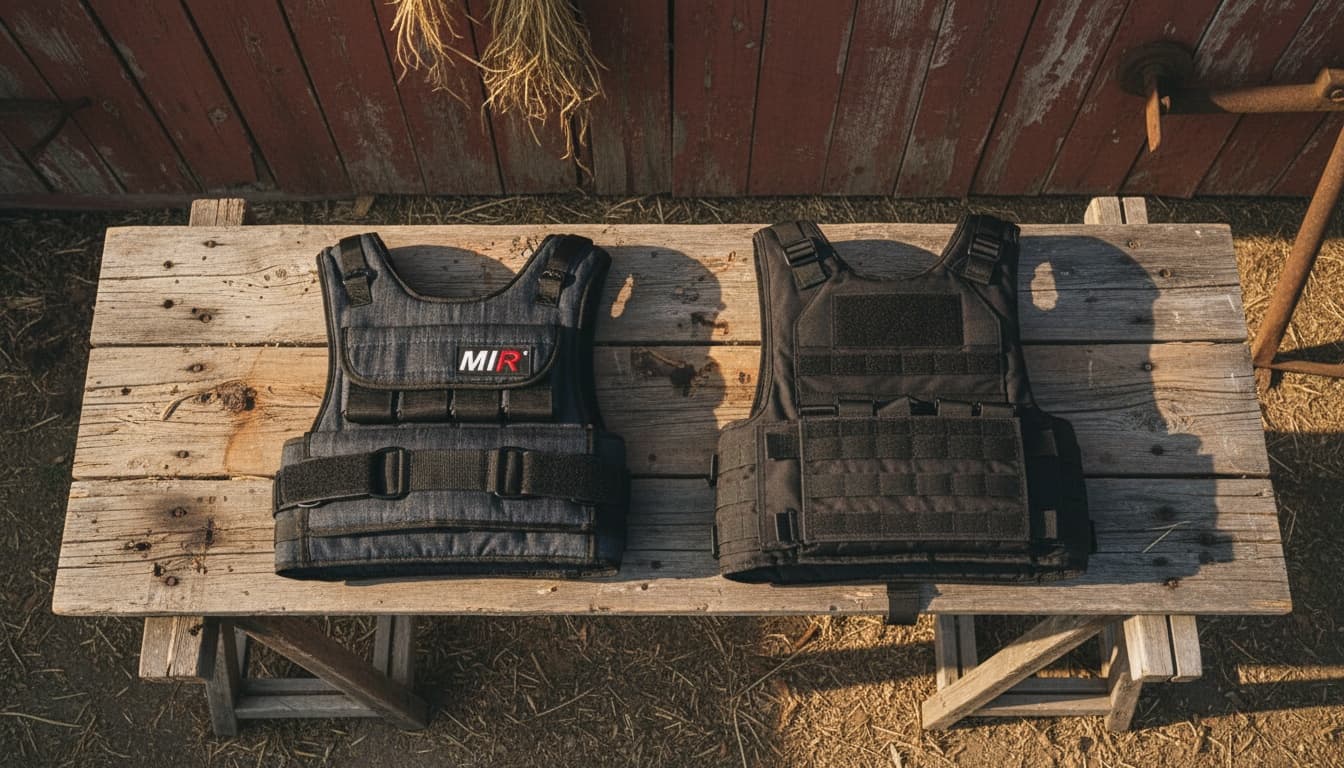
Best Plate Carrier-Style Weighted Vests for Rucking in 2026
Plate carriers hold rigid plates on your back or front and back. Compare the four plate-carrying options worth owning in 2026 and which plates fit each one.
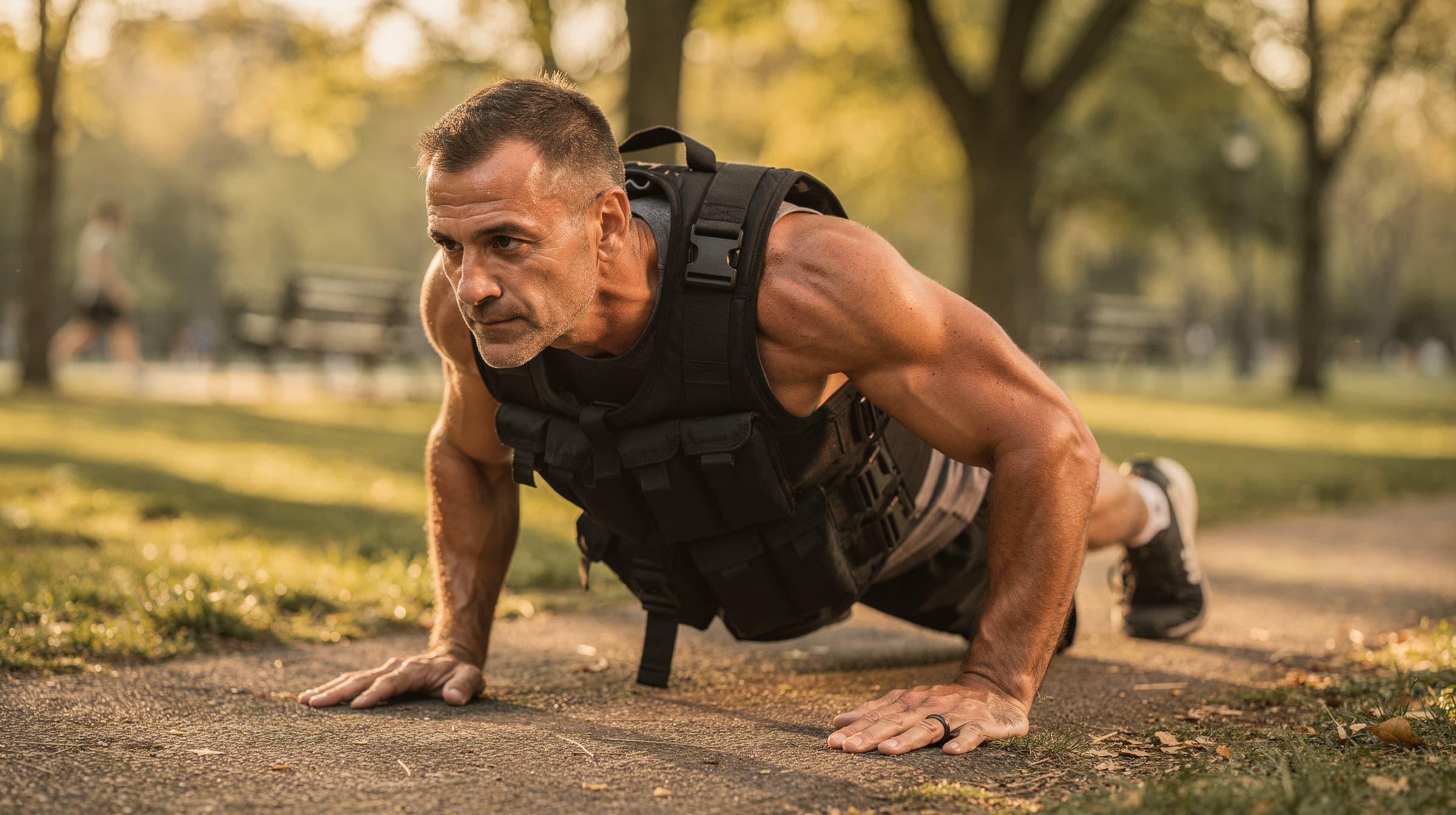
CAP Barbell Weighted Vest Review: A Good Cheap First Vest
Our CAP Barbell weighted vest review: a low-cost adjustable vest for short walks and bodyweight work, scored 7.7/10 and compared with GORUCK and Hyperwear vests.
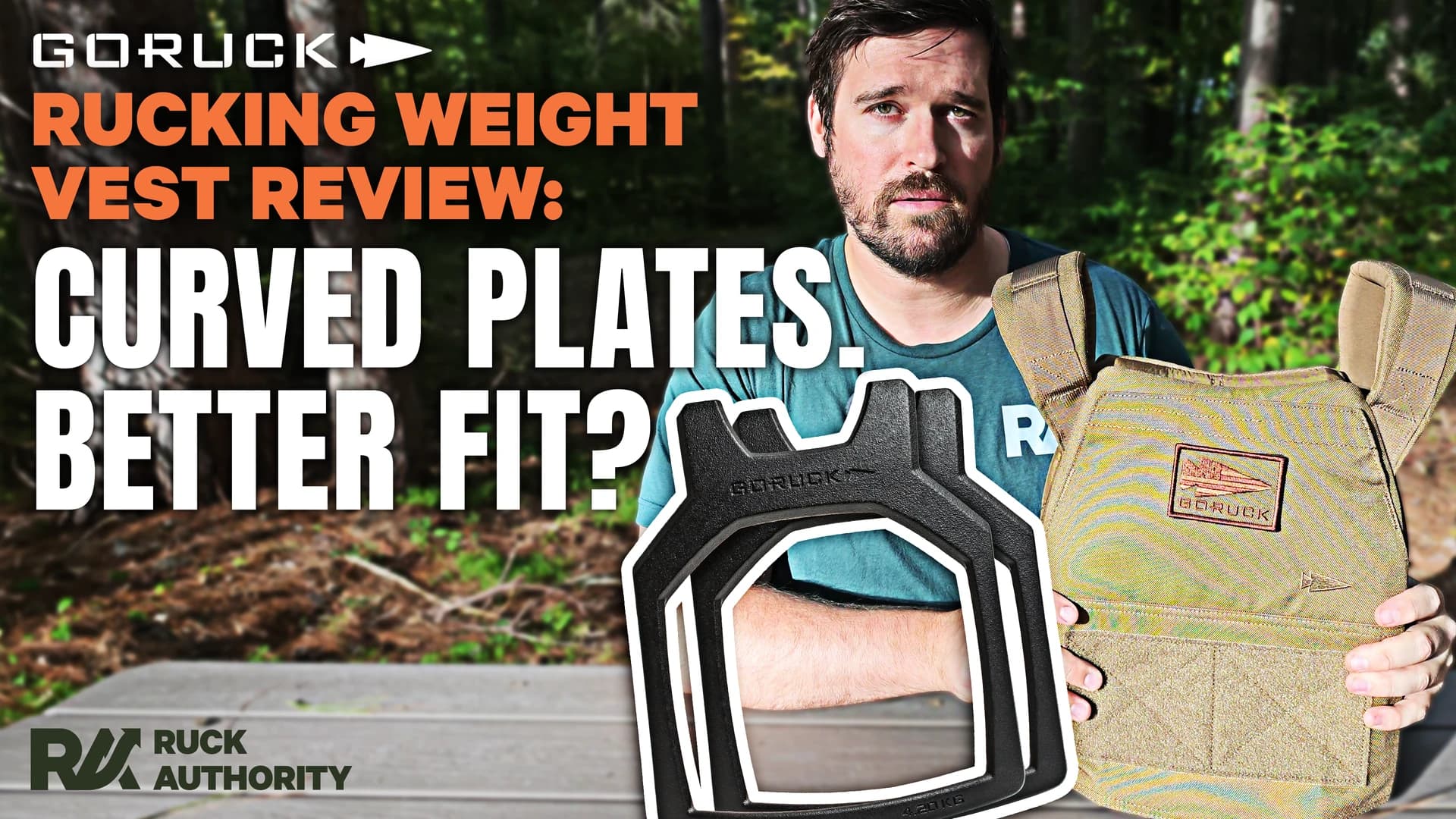
GORUCK Rucking Weight Vest Review: Three Weeks at 20 lb
My GORUCK Rucking Weight Vest review after three weeks at 20 lb: secure curved plates, L/XL fit limits, phone pocket, heat and plate installation.