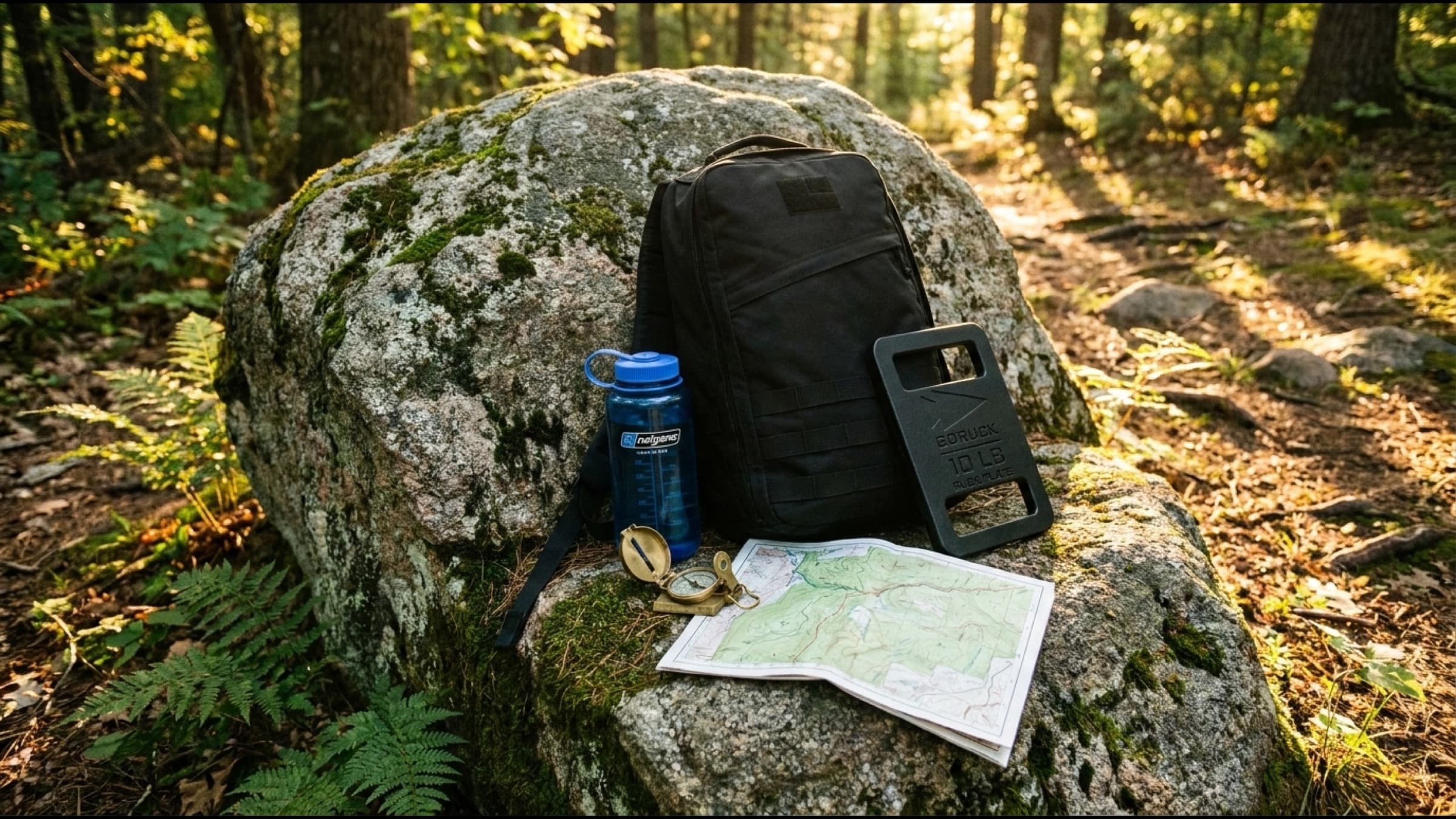
How we evaluate gear
This guide combines manufacturer specifications, warranty and return terms, current availability, product geometry, and published load-carriage research. A product is not described as field-tested unless its article has a completed evidence record naming the tester, period, and load. Otherwise, the recommendation is clearly an editorial comparison of the available evidence.
Fit and comfort are individual, so this guide treats dimensions, adjustment range, load placement, and return policy as decision inputs rather than promises. Where a product has not been tested by Ruck Authority, we say so instead of turning anonymous comments into a fake consensus.
We have a transparent editorial approach: some retailer links are affiliate links, which means Ruck Authority may earn a commission if you buy through them at no extra cost to you. Recommendations do not change based on commission rate. We're upfront about the sources behind each recommendation, and if community data is limited on a product, we say so.
- 01
We start with the job the reader is hiring the gear to do: beginner fitness, weight loss, event prep, travel, women-specific fit, or budget setup.
- 02
We compare manufacturer specs, warranty terms, pack geometry, weight compatibility, and clearly linked independent evidence when it is available.
- 03
We separate “required to start” from “nice to own later” so new ruckers do not overspend before they know their weekly mileage and load.
Find your gear in 30 seconds
Answer five quick questions about your budget, primary use, terrain, weight range, and body type, and get personalized gear recommendations. The quiz considers your actual constraints (budget matters), your goals (fitness rucking is different from event prep), and your environment (trail-capable packs are different from road packs).
Rucksacks: the complete buyer's guide
What makes a good rucking pack
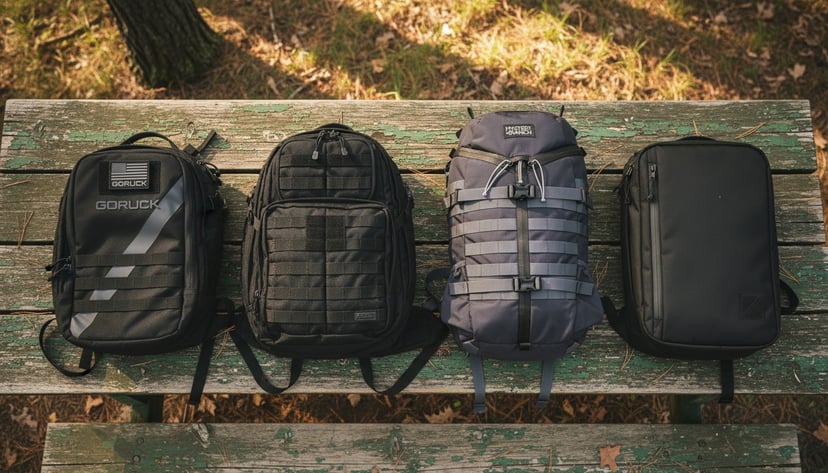
Not all backpacks are built for rucking. A good hiking pack isn't necessarily a good rucking pack. Here's what matters:
Frame sheet or internal frame. The weight needs to stay pressed against your spine without sagging. A quality frame or frame sheet prevents the load from shifting forward and pulling on your shoulders. This is non-negotiable.
Ruck plate pocket or sleeve. This is the dedicated space where ruck plates live, locked tight against your back. It distributes the weight vertically and prevents the plate from sliding around inside the pack. A pack without a ruck plate pocket is a general backpack, not a rucking pack. If you want purpose-built options, start with the best weighted backpacks for rucking.
Padded hip belt. A proper hip belt should transfer 30-40% of the load from your shoulders to your hips. Your hips can handle load far better than your shoulders. A padded hip belt prevents digging and distributes that load over a wider area.
Comfortable, padded shoulder straps with a sternum strap. The shoulder straps bear significant load. They should have padding (at least 0.5 inches) and should be ergonomically shaped. A sternum strap (connecting the two shoulder straps across your chest) prevents shoulder shrug and spread.
Durable fabric. 1000D Cordura or similar is the standard. Ripstop nylon is acceptable for lighter loads. You need a fabric that won't shred when you brush against rocks or thorny plants.
Appropriate volume. For fitness rucking, 20-25 liters is optimal. Anything smaller and the weight distribution is cramped. Anything larger and you're carrying extra fabric weight. For event rucking or longer expeditions, 25-35 liters gives you room for overnight gear.
Best rucksacks by category
Best overall: GORUCK Rucker 5.0
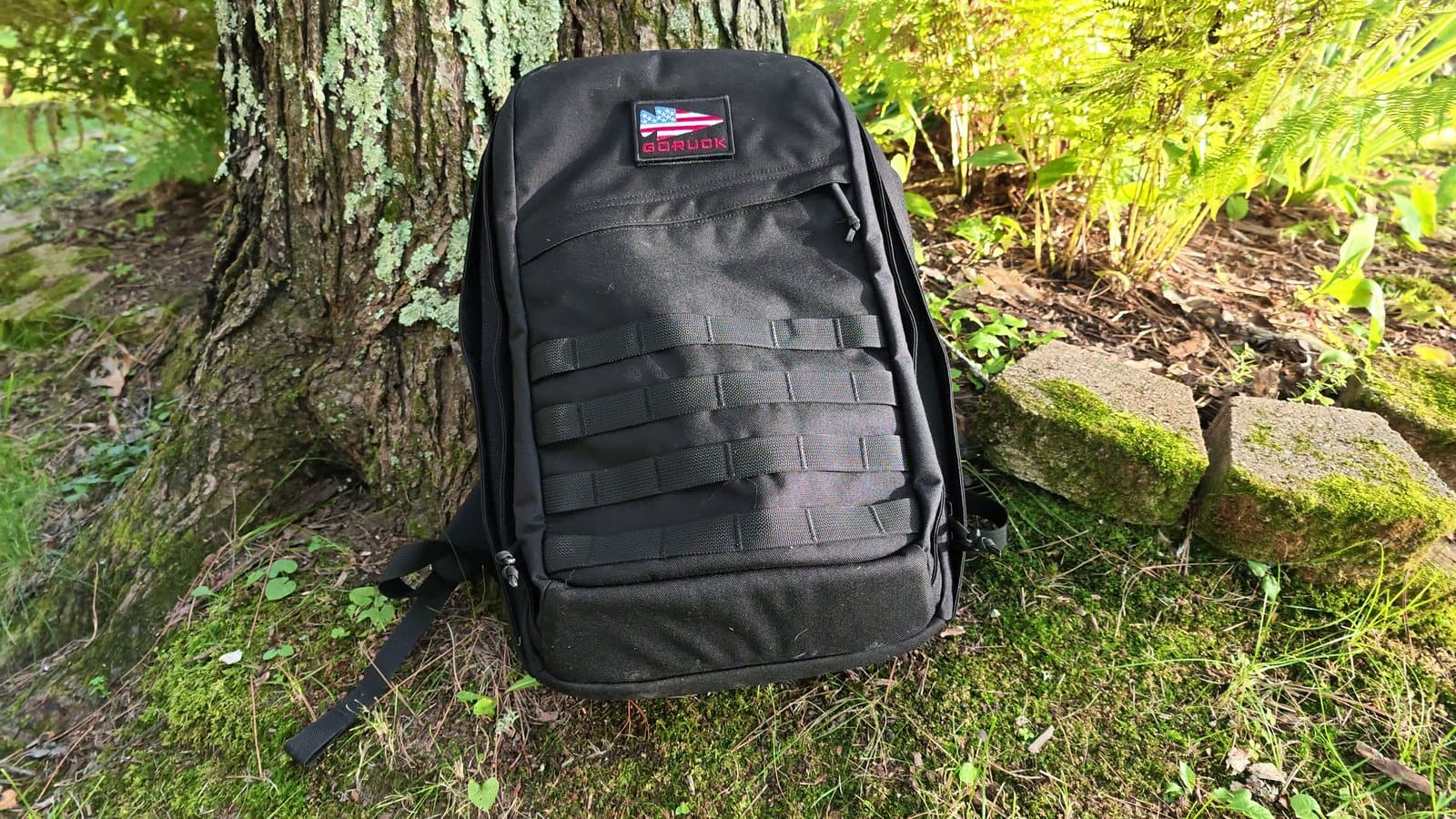
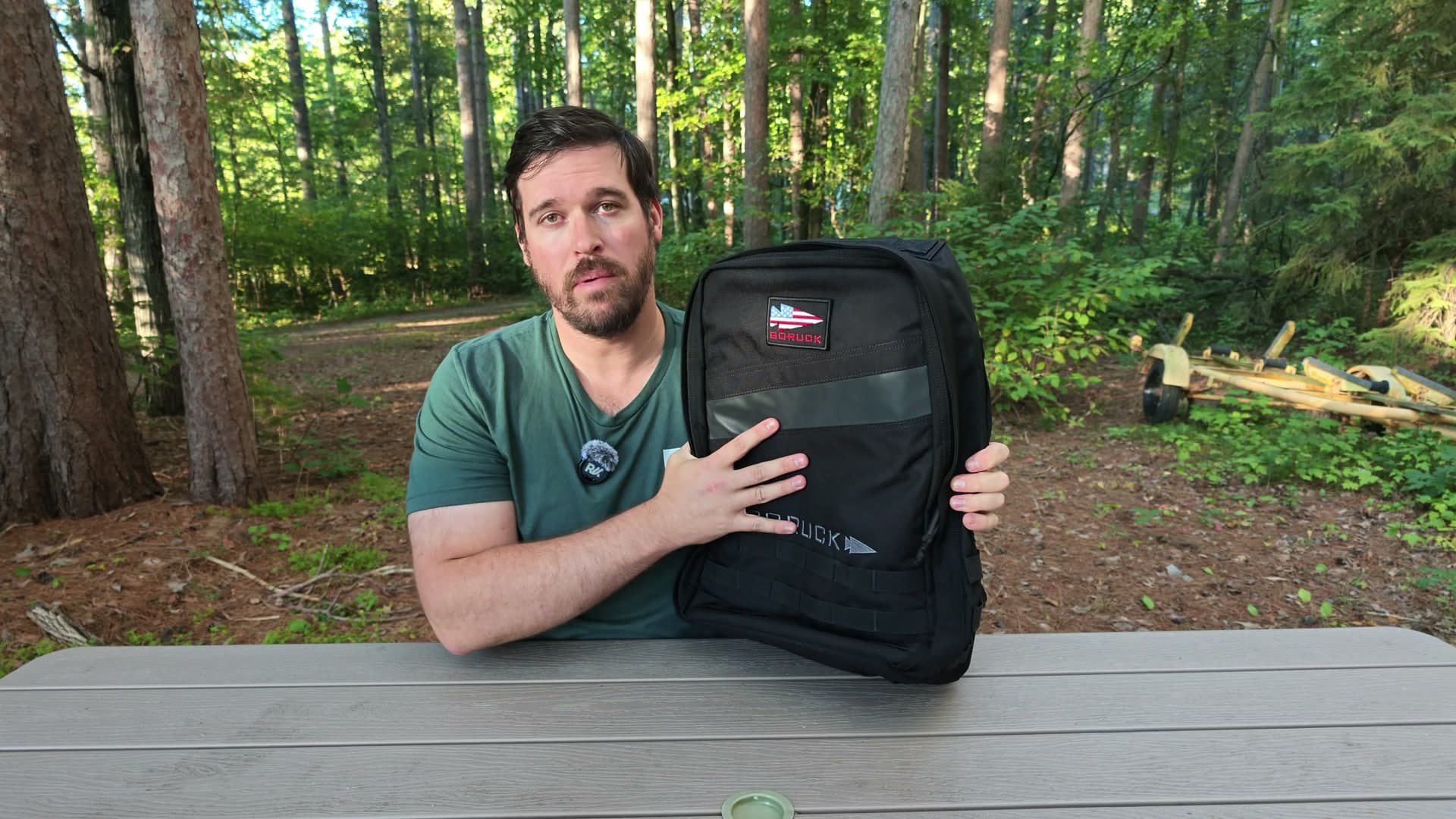
The GORUCK Rucker 5.0 is the current purpose-built training pack in the line. Its two elevated pockets hold Standard and Long plate formats close to the upper back, while the lumbar pad and external handles support loaded miles and ruck PT. Check the current GORUCK lineup guide when work, travel, or a lower entry price also belong in the decision.
The downside is cost and specialization. It does not have the laptop compartment that makes the GR1 useful for work, and beginners staying under a 30 lb Standard plate may not need more than the Basic Rucker.
Best value: 5.11 Rush 12 2.0 and alternatives
The 5.11 Rush 12 2.0 delivers about 80% of the performance of a GORUCK Rucker at around 40% of the price. It has a frame sheet, adequate padding, a hip belt, and a dedicated plate pocket. The fabric is durable Cordura.
It's not quite as refined as the GORUCK-the straps are thinner, the hip belt padding is less plush-but it works extremely well for the price and is a legitimate choice for serious rucking without the premium price tag.
See our full GORUCK alternatives head-to-head for tested options across multiple price points.
Best for women: pack with adjustable/short torso
Women's bodies have different torso-to-leg ratios and different shoulder widths. Many unisex packs are designed around male proportions, which creates fit problems for women.
Look for a pack size and shoulder-strap shape that match the actual torso. GORUCK offers several capacities, but they are not a substitute for trying the loaded fit. There are also women-specific options with narrower harness geometry.
See our best rucking gear for women guide for fit-specific recommendations for packs, vests, and shoes.
Best budget: regular backpack + DIY weight
You don't need a fancy ruck pack to start. A regular backpack (even a school backpack or daypack) can work perfectly fine for your first few rucks, as long as it has a hip belt and a frame.
Pair it with DIY weight (bricks, water, sand) in a cheap sandbag or even a drawstring bag, and you have a fully functional rucking setup for under $50.
Our $50 rucking starter kit proves you don't need expensive gear to get started rucking seriously.
Ruck plates and weight options
Ruck plates
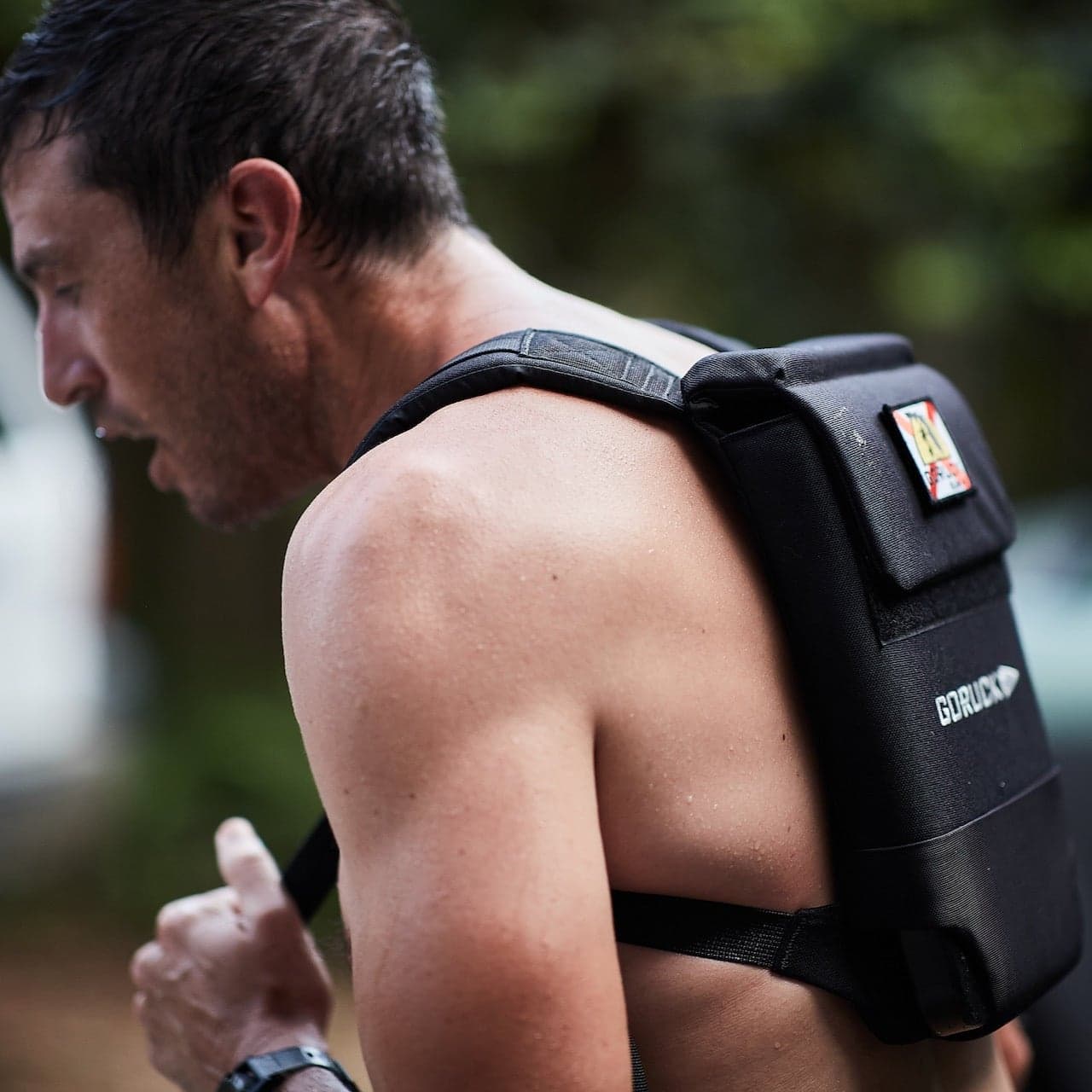
A ruck plate is a flat, dense weight designed to fit into the ruck plate pocket of a backpack. Think of it as a rectangle of metal or composite material that locks weight against your spine.
Advantages: Ruck plates are compact, stable, and won't shift during movement. They're purpose-built. Standard weights are available (10, 20, 30, 45 lbs), and you can stack multiple plates.
Materials: Cast iron (cheap but heavy), coated steel (more durable, better handling), and HDPE (lighter per pound, doesn't rust). For rucking, coated steel is the sweet spot-it's durable and the coating prevents rust.
Cost: A 20-pound ruck plate typically runs $30-50. A 45-pound plate runs $50-80.
The plate-of-record for the GORUCK Rucker pocket: GORUCK's own 20-lb steel plate. Sized exactly to the pocket, no shifting, color-coded by weight. The budget-tier swap is the Titan Fitness cast iron ruck plate at roughly half the price - same 20 lb, slightly chunkier dimensions, fits most non-GORUCK packs without issue.
For a detailed head-to-head comparison of ruck plates from different manufacturers, including cross-pack fit testing, see Ruck Plate Showdown.
Sandbag fillers
Sandbag fillers are cheaper than ruck plates and moldable. You can fill them to any weight-12 pounds, 25 pounds, whatever you want. This flexibility is particularly valuable for beginners because you can start at a lighter weight and progress without buying multiple plates.
A good sandbag filler (canvas or nylon, around 8"x12") costs $10-20 and can be filled with sand or pea gravel from any hardware store.
The downside: sandbag fillers can shift inside your pack unless they're packed tightly, and they don't last as long as ruck plates.
DIY options
Bricks, water bottles, dumbbells-they all work for starting. A brick weighs about 5 pounds. Water is 8 pounds per gallon. Dumbbells can be placed in a sealable bag.
DIY is great for trying rucking without spending money, but it's not ideal long-term because the weight distribution is uneven and the materials aren't designed for the purpose.
| Weight type | Stability | Cost | Adjustability | Best for |
|---|---|---|---|---|
| Ruck plate | Excellent | $30-80 | None (fixed weight) | Serious ruckers, events |
| Sandbag filler | Good | $10-20 | Excellent (fill to any weight) | Beginners, budget |
| DIY (bricks, water) | Fair | Free | Moderate | First-timers, trying it out |
Shoes for rucking
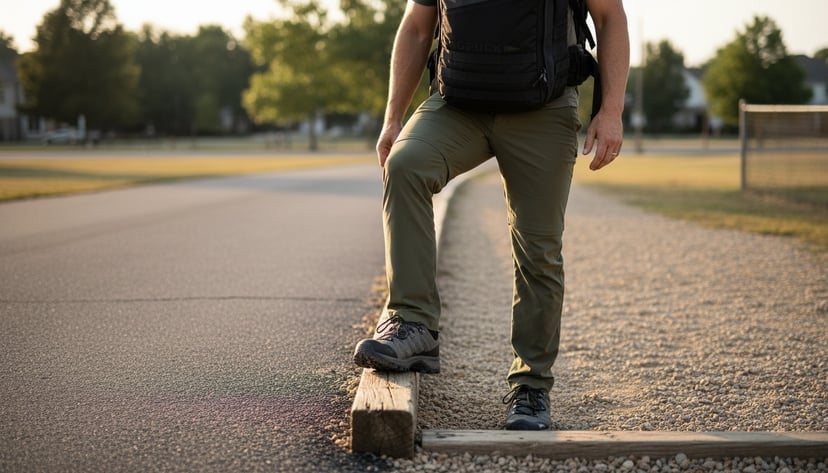
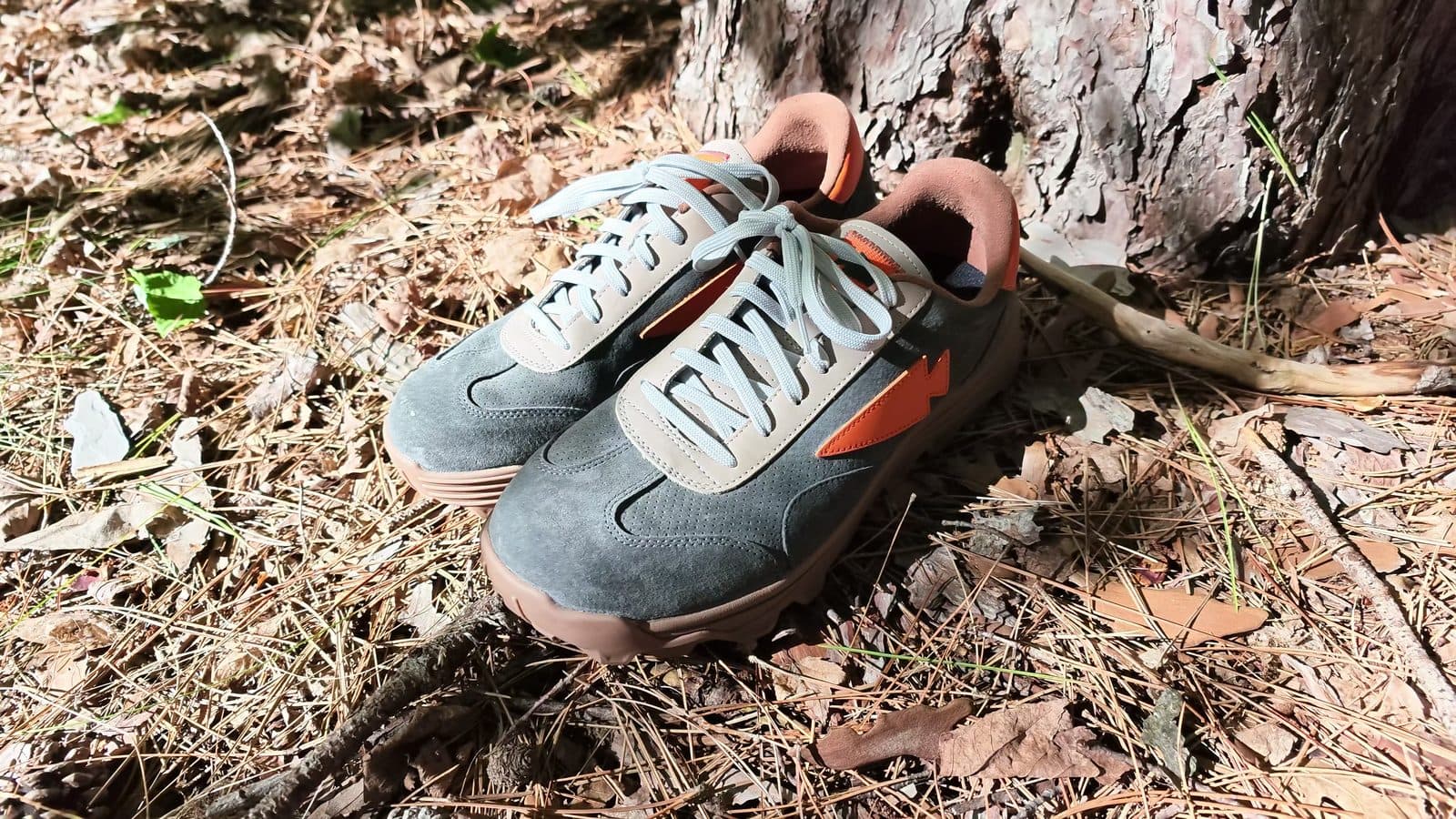
Rucking puts different demands on footwear than running or casual walking. You're carrying 20-40 pounds on your feet for extended periods. Your feet need support, not cushioning. Most running shoes are too soft. Minimalist shoes don't provide enough support under load.
The ideal rucking shoe is firm-soled and supportive, with a heel-to-toe drop of 8-12mm. Drop is the height difference between your heel and your forefoot. A 10mm drop (common in trail runners and hiking boots) provides stability while keeping you close enough to the ground for good proprioception.
Look for trail runners, hiking shoes, or firm walking shoes. Not ultra-cushioned running shoes. Not minimalist shoes. The sweet spot is something like a Salomon trail runner or a Merrell hiking shoe-firm sole, adequate cushioning, high drop, durable.
The standby pick across mixed terrain: the Salomon XA Pro 3D V9 GTX. Aggressive Contagrip outsole, 10mm drop, GORE-TEX waterproofing, the shoe most ruckers eventually settle on for everything except pure pavement. For pavement-heavy training, the Hoka Bondi 9 is the max-cushion alternative most ruckers reach for when knees start complaining.
For terrain-specific shoe picks and reviews, read our best rucking shoes by terrain guide. We rank shoes by pavement, gravel, trail, and mixed terrain so you can pick by the surfaces you actually ruck on.
Accessories that actually matter
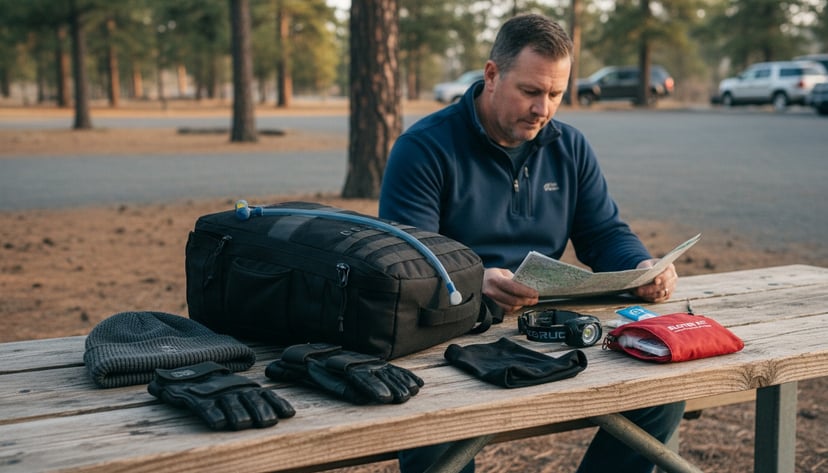
Not all rucking accessories are created equal. Here's where to spend and where to skip.
Good socks. Merino wool, moisture-wicking, thick enough for cushioning. Not cotton. Cotton holds moisture and creates friction that leads to blisters. A pair of Darn Tough Light Hiker merino socks will change your rucking life and they come with a lifetime warranty.
Water bottle or hydration bladder. A Nalgene Wide-Mouth 32 oz bottle on a loop, or a Source WXP 3L bladder with a drinking tube. Dehydration compromises performance and increases injury risk. Compare our verified hydration bladder picks before choosing a reservoir.
Anti-chafe. Body Glide Original on the inner thighs and shoulder-strap contact points. Apply before, not after.
GPS watch with HR tracking. The Garmin Instinct 3 Solar is the watch most ruckers settle on - multi-week battery, Zone 2 alerts, sleep tracking. Useful once you're rucking 4-5x a week and want to see the pattern.
Headlamp. For early-morning or evening rucks, the Petzl Actik Core is the rechargeable workhorse. Stable beam, 600 lumen, lives in the pack year-round. The full breakdown is in our best headlamps for rucking guide.
Reflective vest or gear. On roads in low light, a reflective vest or ankle bands are cheap and important for safety.
Rucking-specific gloves. Regular work gloves or no gloves work fine unless you're regularly below 20°F.
GPS watches. Your phone tracks distance, pace, and heart rate. A watch is a nice upgrade for competitive event training, not a necessity.
Compression gear. No evidence compression helps rucking performance or recovery. It's a marketing category.
Gear by budget tier
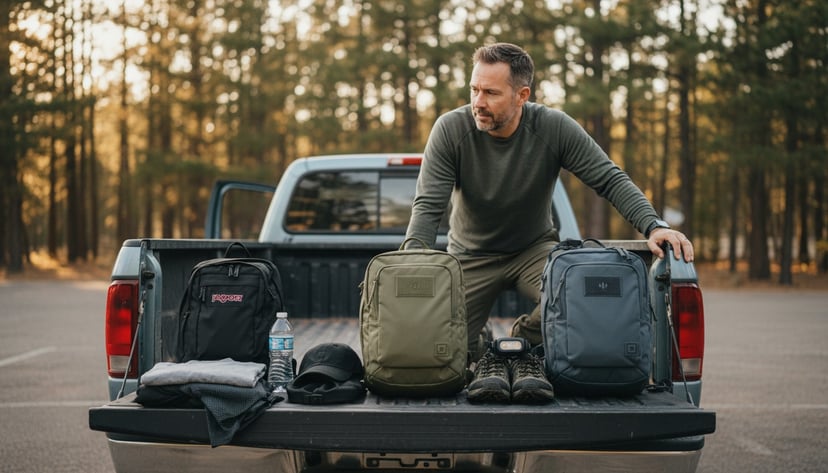
Read the full breakdown: The $50 rucking starter kit.
How to maintain your gear
Rucksack: Hand wash with mild soap and water, never machine wash. Cordura holds up forever if you don't shred it. Air dry completely before storing. Periodically refresh the Durable Water Repellent (DWR) coating-it's a simple spray-on product that costs $10-15 and takes 30 minutes.
Ruck plates: Wipe down after dusty or muddy rucks. If you have cast iron plates, check occasionally for rust and store in a dry place. Steel plates with coating rarely rust, but wipe them down periodically anyway.
Shoes: Remove insoles after wet rucks and air dry (never use heat). Rotate between two pairs if possible-this extends the life of the cushioning. Most rucking shoes last 500-800 miles before the cushioning degrades.
The best gear is the gear you'll actually use consistently. A $300 rucksack collecting dust is worth less than a $30 backpack with bricks that you carry three times a week. Start cheap, build the habit, upgrade when the gear actually becomes the limiting factor.
Shop the full kit
Every category covered in this guide, ranked and cross-referenced for compatibility in one place. Individual picks or a pre-built kit. Our compatibility engine flags bad pack-plate combos before checkout.
Go deeper
- Best GORUCK alternatives - head-to-head testing of 4+ packs with price/performance matrix
- Ruck plate showdown - GORUCK vs Rogue vs Amazon, cross-pack fit testing
- Best rucking shoes by terrain - pavement, trail, and mixed-terrain picks
- Best headlamps for rucking - lights for road, trail, winter, and group rucks
- Best rucking gear for women - fit-specific recommendations for packs, vests, and shoes
- CAP Barbell Adjustable Weighted Vest - best budget weighted vest for rucking cross-training
- Hyperwear Hyper Vest PRO - premium weighted vest review. Shopping for a vest for everyday fitness rather than as a rucking alternative? Our sister site Kit Authority's best weighted vests roundup covers that side of the market.
- The $50 rucking starter kit - everything you need on a budget
- How to ruck with a regular backpack - no gear needed to get started
- GORUCK Basic Rucker 17L review - the entry GORUCK pack put through real use
- What 10 years of GORUCK actually costs - the buy-it-for-life math vs a budget pack
- 5.11 Tactical base layer collection - tactical-cut base layers for cold-weather rucks
- Best follow drones for rucking - a niche pick for ruckers who film their training
- Starbucks launched a weighted vest - here's what to actually buy - why a coffee-brand vest isn't your training answer
Frequently Asked Questions
Yes, any backpack with a hip belt and some structure will work for starting. The article recommends using whatever pack you have plus DIY weight like bricks or sand in a bag as your $50 starter setup.
Start with DIY options like bricks or sandbag fillers before investing in ruck plates. Sandbag fillers cost $10-20 and let you adjust weight incrementally, while ruck plates are a $30-80 convenience upgrade for serious ruckers.
Running shoes are too soft and cushioned for loaded walking. You need firm-soled shoes with 8-12mm heel drop for stability under 20-40 pounds of extra weight, not the ultra-cushioning designed for unloaded running.
Rucking packs prioritize weight pressed against your spine with minimal external attachment points, while hiking packs often have external gear loops and pockets that can catch or shift weight away from your back during movement.
Yes. Merino wool handles moisture better than cotton, which helps reduce the damp friction that contributes to blisters. Good socks are one of the least expensive comfort upgrades in a rucking kit.
The article mentions GORUCK packs lasting years with regular use, rucking shoes lasting 500-800 miles, and Cordura fabric holding up "forever" with proper care. Steel-coated ruck plates rarely rust and require minimal maintenance.
Yes, the article mentions that pack-plate fit varies by manufacturer and warns about "bad pack-plate combos." GORUCK plates are sized specifically for GORUCK pockets, while other combinations may not fit as precisely.