What changes on the first cool evenings of fall?
Plan for the weather on the way home. A warm afternoon does not tell you what the last half-hour after sunset will feel like. Check the forecast and choose a familiar loop with places to cut it short.
Keep a removable layer accessible rather than buried under your weight plate. Before leaving, check whether your jacket still closes comfortably over your base layer and whether you can reach its vents with the pack on. The National Weather Service recommends layers, shelter from wind and dry clothing when you get back inside wet.
For the darker return leg, use our headlamp guide. When ice, wind or poor visibility makes the route unsuitable, replace the outing with a session from the four-week indoor plan.
The Short Answer
Winter rucking can be done safely when clothing, traction, route choice, visibility, and turnaround decisions match the conditions.
Sweat can become a problem when pace slows or the ruck stops. A wet base layer increases heat loss, so manage effort and adjust layers before clothing becomes soaked. Frostbite, wind chill, ice, poor visibility, and route exposure remain separate hazards.
The rest is systems: the right layers, waterproof insulated footwear with aggressive tread, reflective gear and a headlamp for shortened daylight, and honest decision-making about when temperature, wind chill, or conditions are too severe to train.
The four-item cold-weather kit
These four items address common winter needs, but the full kit still depends on temperature, wind, precipitation, route length, and distance from shelter.
| Priority | Item | Why this one |
|---|---|---|
| 1 | Salomon Quest 5 GORE-TEX waterproof boots | A waterproof membrane and aggressive outsole can help in snow and slush. Add traction when the surface requires it. |
| 2 | Smartwool Merino 150 long-sleeve base layer | Merino manages moisture and retains some insulation when damp. A suitable synthetic base layer can also work. |
| 3 | Kahtoola MICROspikes | Slip-on traction for packed snow and ice. They are not suitable for every surface or a substitute for careful footing. |
| 4 | Mystery Ranch 2 Day Assault | Enough capacity for a removed layer and emergency gear when the route is away from quick shelter. |
Why Winter Rucking Is Different (And Worth It)
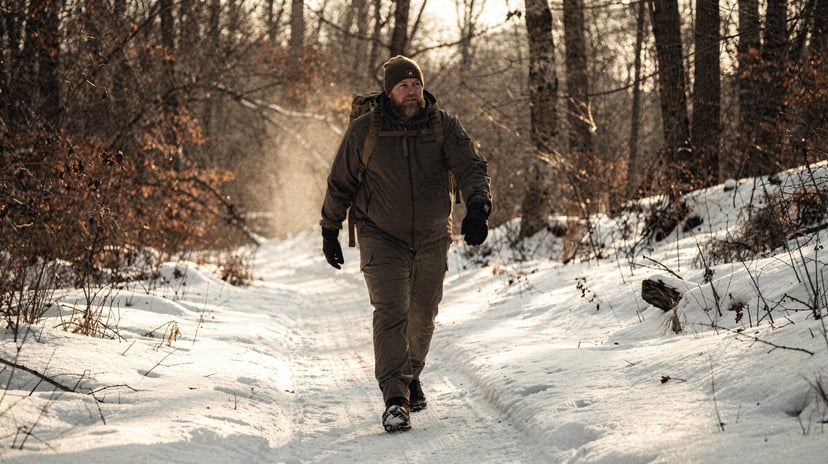
Cold conditions can increase heat production needs, reduce dexterity, and make muscles feel stiff at the start. Snow and ice change footing, while shorter daylight reduces visibility. Those demands make pace, load, and route choice more important; they do not guarantee extra calorie burn, better form, or greater injury resilience.
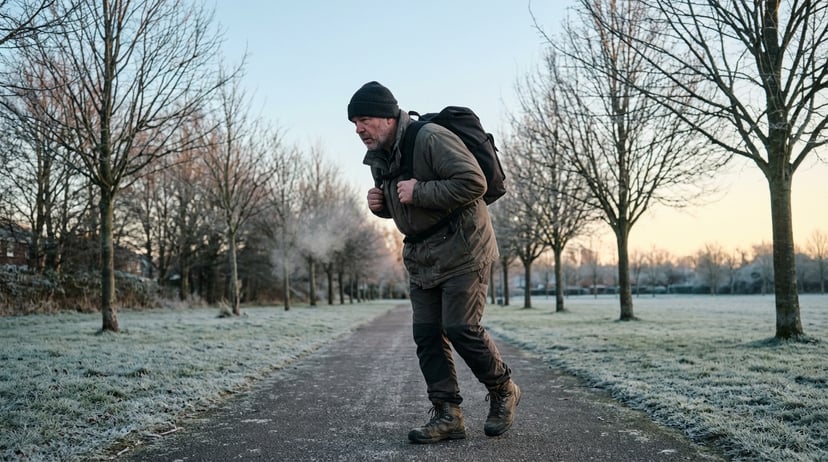
The Moisture Trap - Why Sweating in Winter Is Dangerous
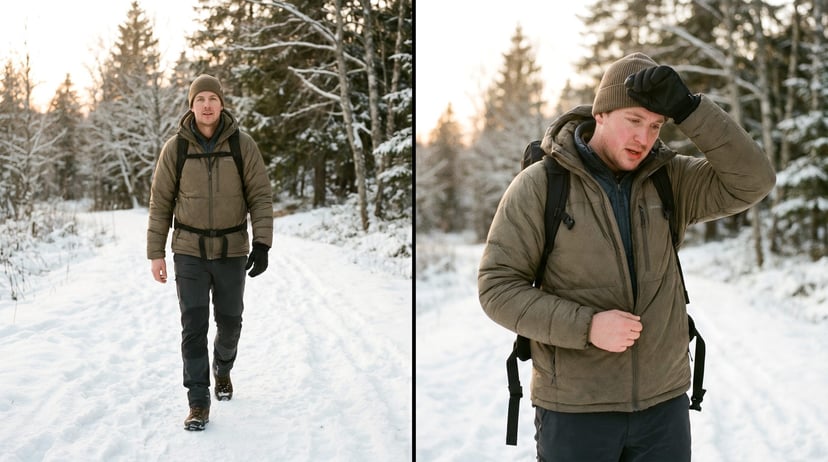
Wet clothing is one preventable source of cold stress, so it deserves its own section.
You start a winter ruck at 20F. You are moving. Your body generates heat. Within 10 to 15 minutes, you are warm - sometimes warmer than you'd be in 50F conditions because the load and exertion create real metabolic heat. Your impulse is to shed layers.
Adjust layers early, in a safe place, so you limit sweat without exposing yourself to wind or precipitation.
When sweat stays in clothing, it can increase heat loss as pace slows or during a stop. Water conducts heat far faster than air. Watch for persistent shivering, loss of coordination, confusion, and slurred speech, and do not rely on exertion alone to keep you warm.
Start slightly cool rather than already sweating, and carry enough insulation for stops or a slower return. Use a moisture-managing base layer. Cotton holds moisture and is a poor choice next to the skin when cold exposure is possible.
Castellani et al. (2006) describes how wet clothing increases heat loss and can contribute to hypothermia even above freezing when exposure is long enough. Temperature alone does not define the risk; wind, precipitation, clothing, exertion, and access to shelter also matter.
The Winter Layering System
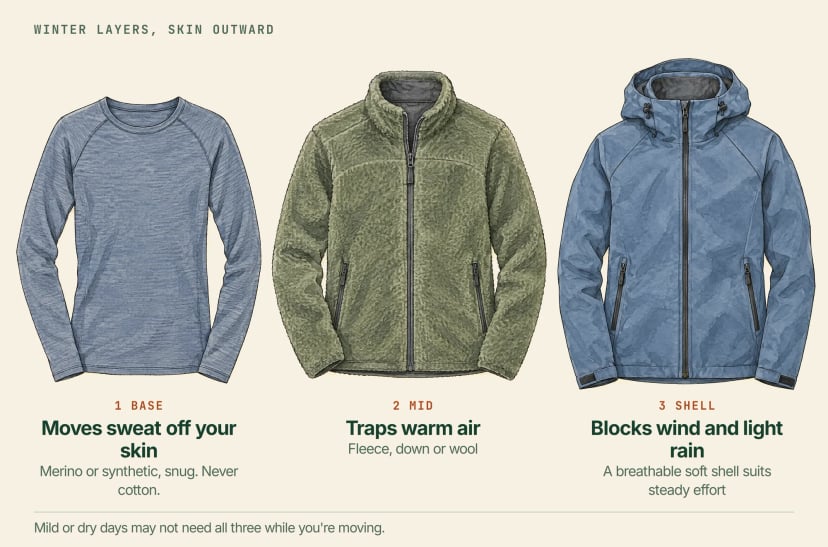
There is no single winter outfit. Many conditions call for a base layer, an insulating layer, and a shell, but mild or dry weather may not require all three while moving.
Base Layer (Moisture Wicking)
- Material: Merino wool (natural temperature regulation, doesn't smell) or synthetic (polyester, nylon blends). Never cotton.
- Fit: Snug but not restrictive. Moisture needs to transfer away from your skin.
- Examples: Smartwool Merino Base Layer Crew, Icebreaker, or Patagonia Merino lightweight tops and bottoms.
Merino is comfortable across a wide temperature range and resists odor. Synthetic base layers often dry faster and cost less. Fit and moisture management matter more than a universal material ranking.
Mid Layer (Insulation)
- Material: Fleece (R-value 2 to 4), down (if you stay dry), or wool sweater (natural and durable).
- Function: Traps warm air without absorbing moisture.
- Examples: Patagonia R3 fleece, Arc'teryx Atom LT, or plain merino wool sweater.
Fleece is durable, affordable, and retains useful insulation when damp. Down is lighter and warmer for its weight but loses much of its insulation when wet, so protect it from moisture and use it mainly during low-output periods or stops.
Outer Shell (Wind and Water Resistance)
- Material: Hard shell (rigid, waterproof) or soft shell (more breathable, some water resistance).
- Function: Blocks wind and light precipitation. Should breathe enough to let moisture escape.
- Examples: Arc'teryx Beta SL, Patagonia Synchilla, or any jacket rated for 10k+ waterproof rating and taped seams.
Hard shells are warmer and more protective in storms. Soft shells breathe better in exertion. For rucking, a soft shell with high water resistance is often the better choice because you are generating heat and moisture.

Match Footwear and Traction to the Surface
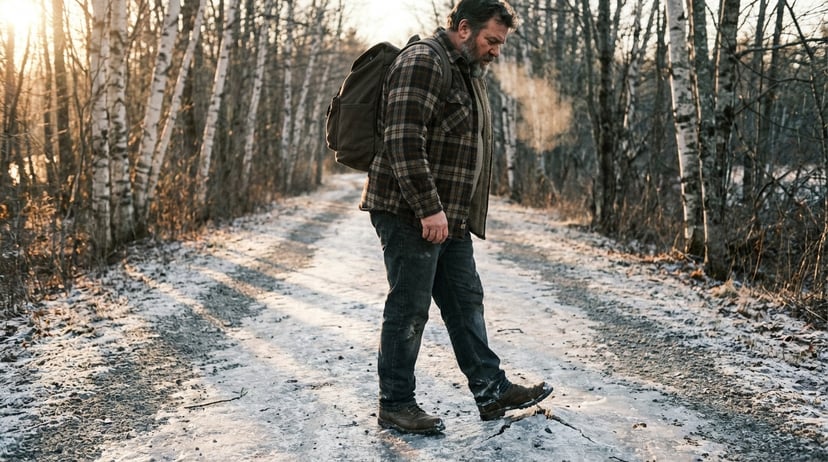
Snow and ice raise fall risk, and a loaded pack can make balance recovery harder. Use traction designed for the surface, slow down, and turn around when footing remains unsafe.
Traction Devices
- Microspikes (ice cleats): Lightweight metal points that strap over your hiking boot. Best for technical terrain and steep iced slopes. Cost $50 to $100.
- Nails/Ice Cleats: Integrated cleats built into boot soles. Excellent for on-trail winter rucking. Cost $150 to $250 per pair of boots.
- Gaiters/Crampons: Heavier, more aggressive. Use only if you are climbing steep snow or ice regularly.
Microspikes work well on packed snow and ice and fit over many boots. They can be awkward or unsafe on bare pavement, loose deep snow, and some technical terrain, so follow the manufacturer's surface guidance.
Boot Requirements
- Insulation: Choose insulation for the temperature, activity level, circulation, and length of exposure. Boots commonly list insulation in grams, but there is no universal minimum.
- Waterproofing: A waterproof membrane or removable liner can help in wet snow. Gaiters reduce snow entry from above.
- Sole Grip: Aggressive tread. Vibram rubber is the gold standard.
- Examples: Sorel Caribou, The North Face ThermoBall Utility, Salomon Quest 5 GORE-TEX, or Danner Insulated Boots.
Price alone does not determine fit, warmth, traction, or durability. Test winter boots with the socks you plan to wear, leaving enough toe room without heel lift. A well-fitted pack such as the Mystery Ranch 2 Day Assault should also leave room for a spare layer and emergency gear.
Hand, Head, and Face Protection
Exposed skin loses heat rapidly. At wind chill of -20F and below, frostbite can form in under 30 minutes.
| Temperature / Wind Chill | Frostbite Risk | Gear Recommendation |
|---|---|---|
| 32 to 0F | Low | Standard liner gloves or mittens, beanie |
| 0 to -10F | Moderate | Insulated gloves or mittens, face gaiter, beanie with ear coverage |
| -10 to -25F | High | Heavy insulated mittens, full face coverage (balaclava), goggles if windy |
| Below -25F | Severe | Reduce ruck duration and distance, consider canceling |
Glove and Mitten Strategy
Mittens are warmer than gloves because fingers stay together. But you lose dexterity. Merino wool liner gloves plus a mitten shell (removable) is the compromise - you get warmth and the option to drop the mitten if you need grip.
Head and Face
- Beanie: Merino wool, covers ears fully. Not a baseball cap.
- Face gaiter or balaclava: Covers nose and cheeks below 0F. Wool is again the standard.
- Goggles (optional): Use only if wind chill is severe or you are moving fast and wind is harsh.
Heads lose 10 percent of your body heat in any conditions. In winter, it is closer to 40 percent because bare skin on a bald or buzzed head bleeds heat aggressively.
Visibility and Daylight Management
Winter daylight is short. Sunrise at 7 a.m. in March in most of the northern US, sunset at 6 p.m. In December and January, you might have only 9 hours of light.
If you work 9 to 5, that does not leave much daylight for rucking.
Plan your route and timing carefully. Do not assume you will finish before dark. Carry a headlamp or wear a lightweight running light. Wear a reflective vest or strips. Other trail users, cyclists, and vehicles need to see you.
Lighting Gear
- Headlamp: Choose a lamp with glove-friendly controls, enough beam for ice patches, and battery behavior you trust in the cold. Our headlamp guide for rucking breaks down road, trail, winter, and group options.
- Reflective vest or strips: A bright orange or yellow safety vest adds zero weight and makes you visible from a mile away.
- Wrist or arm lights: Not as effective as a headlamp but better than nothing.
Hydration in Cold Weather
This is counterintuitive: you are still dehydrated in winter, but you do not feel thirsty.
Cold air is dry. Your breath carries moisture out of your lungs. You are sweating under layers, but the sensation of cold overrides the signal to drink. Sports science studies consistently find that cold-weather athletes drink 30 to 50 percent less fluid than they need, leading to dehydration that impairs performance and recovery.
Drink on schedule, not thirst. Aim for 6 to 8 ounces every 15 to 20 minutes, same as summer. Use an insulated water bottle or pack your hydration bladder close to your core (inside your ruck) so it does not freeze. If you are rucking longer than 90 minutes, include a sports drink with carbs and electrolytes - the sugar is fast fuel and encourages drinking.
When to Reduce Weight or Stay Home
Cold weather is not an excuse to skip training, but it is a valid reason to modify.
Reduce Weight If:
- Wind chill is below -10F. You are taking longer, burning less calories, and staying in the cold longer. Reduce pack weight by 25 to 33 percent.
- Daylight is less than 4 hours of usable daylight remaining. Lighter is faster, and you want to finish before dark.
- You are sick or recovering from illness. Cold stresses your immune system. A light ruck is fine. A heavy ruck while sick can tip you into serious trouble.
Stay Home If:
- Wind chill is below -20F or ice storm warnings are in effect. The risk is no longer training benefit - it is survival.
- You have not prepared (no microspikes, improper footwear, no reflective gear). Do not improvise winter rucking gear.
- You are exhausted or have poor body awareness that day. Cold weather hides the signs of fatigue and hypothermia.
- Road or trail conditions are so bad that even light hiking is unsafe.
Warm-Up Importance in Cold
Your muscles are stiffer in cold. Collagen, the structural protein in tendons and ligaments, becomes less elastic. You can injure yourself stretching aggressively in cold.
Warm-up matters more in winter than summer.
Spend the first 10 to 15 minutes moving slowly. Walk at easy pace before you pick up speed. If you are starting a ruck on a treadmill or indoors, fine - move for 10 minutes before heading out. Your core body temperature and muscle pliability need that ramp-up time.
Dynamic stretching (arm circles, leg swings, walking lunges) is better than static stretching in cold. Save static stretching for indoors, post-ruck, when you are warm.
Keep the Goal Secondary to Safety
Cold-weather practice can make layering, pacing, and route decisions more familiar. It does not justify training in a storm, ignoring warning signs, or treating cold exposure as a test of character.
Frequently asked questions
Can I get frostbite while rucking if I am moving?
Yes. Movement generates heat, but it does not make your extremities immune to cold. At extreme wind chill (below -20F), exposed skin can frostbite in 30 minutes regardless of exertion. Frostbite typically starts on nose, ears, and fingertips because those areas are furthest from your core. Wear full coverage and keep gloves/mittens on. Check your face and ears frequently in severe cold.
Should I ruck on a treadmill in winter instead of outside?
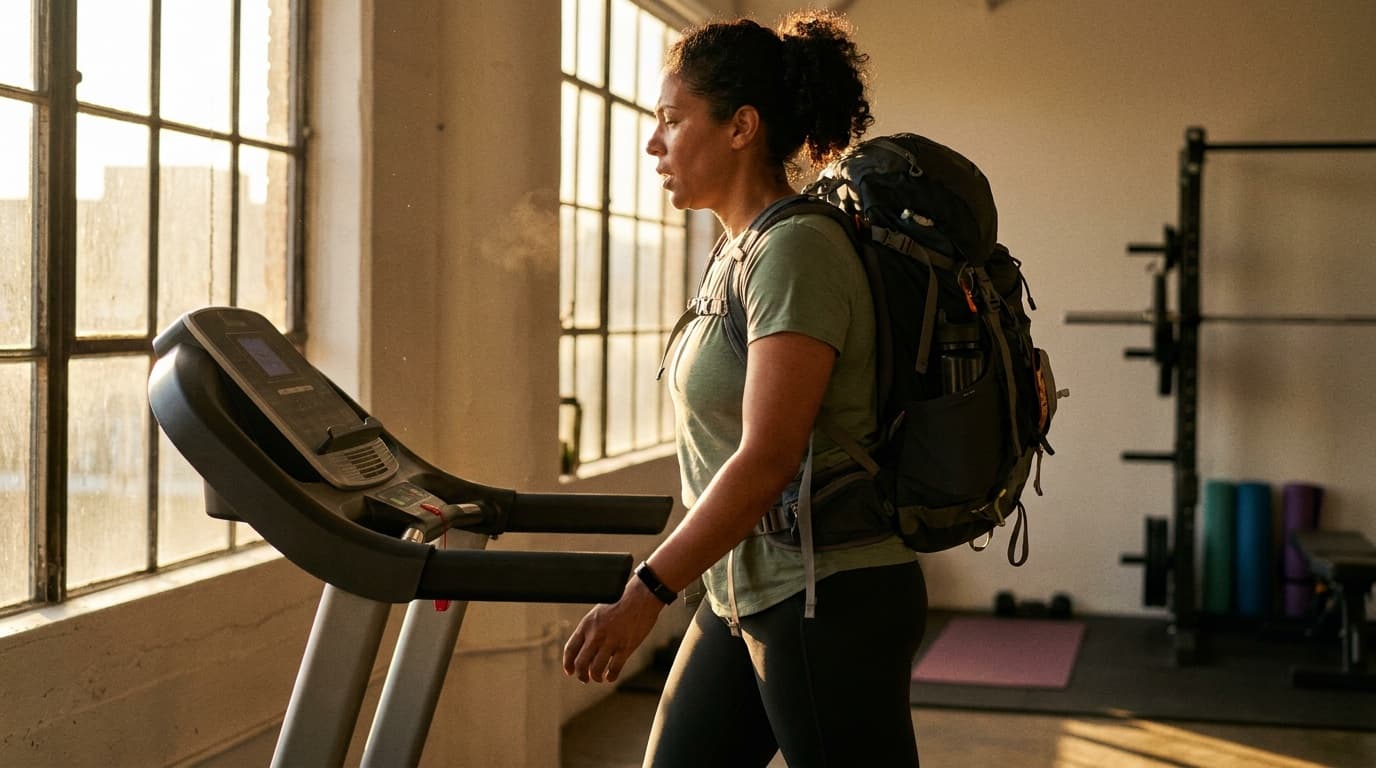
Treadmill rucking removes wind, ice, and terrain changes. It is a valid substitute when outdoor conditions are unsafe, and it can be the primary option for anyone who needs a controlled surface or temperature.
How do I prevent my pack from getting wet in snow?
A good rain cover or a waterproof pack liner (dry bag inside your ruck) keeps your gear dry. Most modern rucks have some weather resistance, but snow that compacts and melts will eventually seep through. For longer winter rucks, invest in a pack cover ($30-50) or pack your gear in a dry bag. Your electronics, documents, and food will thank you.
Can I ruck on ice without microspikes?
Bare ice creates a high fall risk. Use traction designed for ice or choose another route. Microspikes often cost $60 to $100, but price and ownership do not make a route safe; technique, surface, slope, and product condition still matter.
How do I know if I am getting hypothermia while rucking?
Warning signs include persistent shivering, confusion, slowed movement, slurred speech, and poor coordination. End the outing, get to shelter, replace wet clothing, and seek emergency help when confusion, slurred speech, loss of coordination, or worsening symptoms are present. Carry a charged phone or other communication device, and tell someone your route and expected return time.
Is it better to ruck alone or with a buddy in winter?
Buddy system is smarter. Your buddy can spot early signs of hypothermia that you might miss on yourself (confusion, slurred speech, disorientation). They can help if you fall or twist an ankle on ice. Winter rucking with a friend also forces accountability - you are less likely to push too hard or stay out too long if someone is counting on you to stay safe. If you do ruck alone, tell someone exactly where you are going and when you will be back.
Your next step
Before you head into winter conditions, make sure your form is locked in. Sloppy footwork in winter compounds into serious falls. Our rucking form guide breaks down the biomechanics of efficient, safe rucking - and that foundation is even more critical when you are crossing ice and snow.
Related reading
- Rucking injury prevention - comprehensive guide to staying healthy year-round
- How heavy should your ruck be? - weight recommendations by fitness level and goal
- Rucking nutrition guide - fueling cold weather training and recovery
- Rucking training programs - progressive training structures including seasonal periodization
- Best headlamps for rucking - visibility options for early, dark, and winter rucks
- First 30 days of rucking - foundational progression whether you start in winter or summer