Gear Review
Rucking Gear Built for Women
Rucking gear for shorter torsos and different strap geometry, compared by fit range, load stability, adjustability, and current availability.

On this page11 sections
- Standard packs are built for male torsos. They sit wrong on female bodies. This matters.
- Key fit metrics: back length, hip belt position, shoulder strap curvature . All differ for women.
- Start with fit, feet, and load control: a pack that sits correctly, merino socks, and a measured ruck plate.
- Osprey Tempest 20 is the best starter fit; Osprey Tempest Velocity 30 is the premium buy-once option.
Fit and Load Matter More Than Labels
If you came here ready to buy, start with fit, feet, and load control. A pack that sits correctly fixes the biggest comfort problem, merino socks protect the part of the body that takes every step, and a measured plate makes your training repeatable.
Most women can use the same gear as men - fit and sizing matter more than gender. The shoulder strap angle, torso length, hip belt placement, and waist belt padding all change based on body type. A pack that fits one person will ride wrong on another, and you'll feel it in your neck and lower back within a few miles.
The pack comparison still starts with torso and harness fit, but a women's setup is not only a backpack decision. GORUCK's Spy Ruck now gives us a women-specific weighted option, while its Ballistic Trainer and Rough Runner each have separate women's product listings.
This guide covers packs, vests, shoes, socks, and load control. Products we have not used are listed as specification-researched rather than field tested. If you want a weighted vest for plain walking or general fitness rather than loaded rucking, our sister site Kit Authority's weighted vests for women covers that fit question.
The Three Budget Tiers
A genuine women's-specific 30L fit with an adjustable torso, integrated hip belt, and room for longer outings. Best for women who want one pack for rucking and day hiking.
Full-featured tactical pack with strong construction. Fits well on smaller frames with proper strap adjustment. Good option for women who also want a pack for everyday carry.
Women's-specific torso sizing, contoured shoulder straps, and a built-in hip belt. Designed for day-hike loads but holds 20L of rucking weight comfortably for shorter-torso ruckers. Good first pack before committing to a premium tier.
Price vs Performance Matrix
| Your situation | Buy first | Why it matters |
|---|---|---|
| Petite frame or short torso | Osprey Tempest Velocity 20 | Adjustable women's fit, lighter carry, and less strap bulk for beginner loads |
| One tougher pack for rucking and travel | 5.11 RUSH 24 2.0 | More capacity and durability without jumping straight to premium GORUCK pricing |
| Standard packs always fit badly | Osprey Tempest Velocity 30 | Women's-specific adjustable torso, contoured harness, and integrated hip belt |
| Blisters stop you before cardio does | Darn Tough Light Hiker | The cheapest upgrade that can extend weekly volume |
Head-to-Head: Top Alternatives
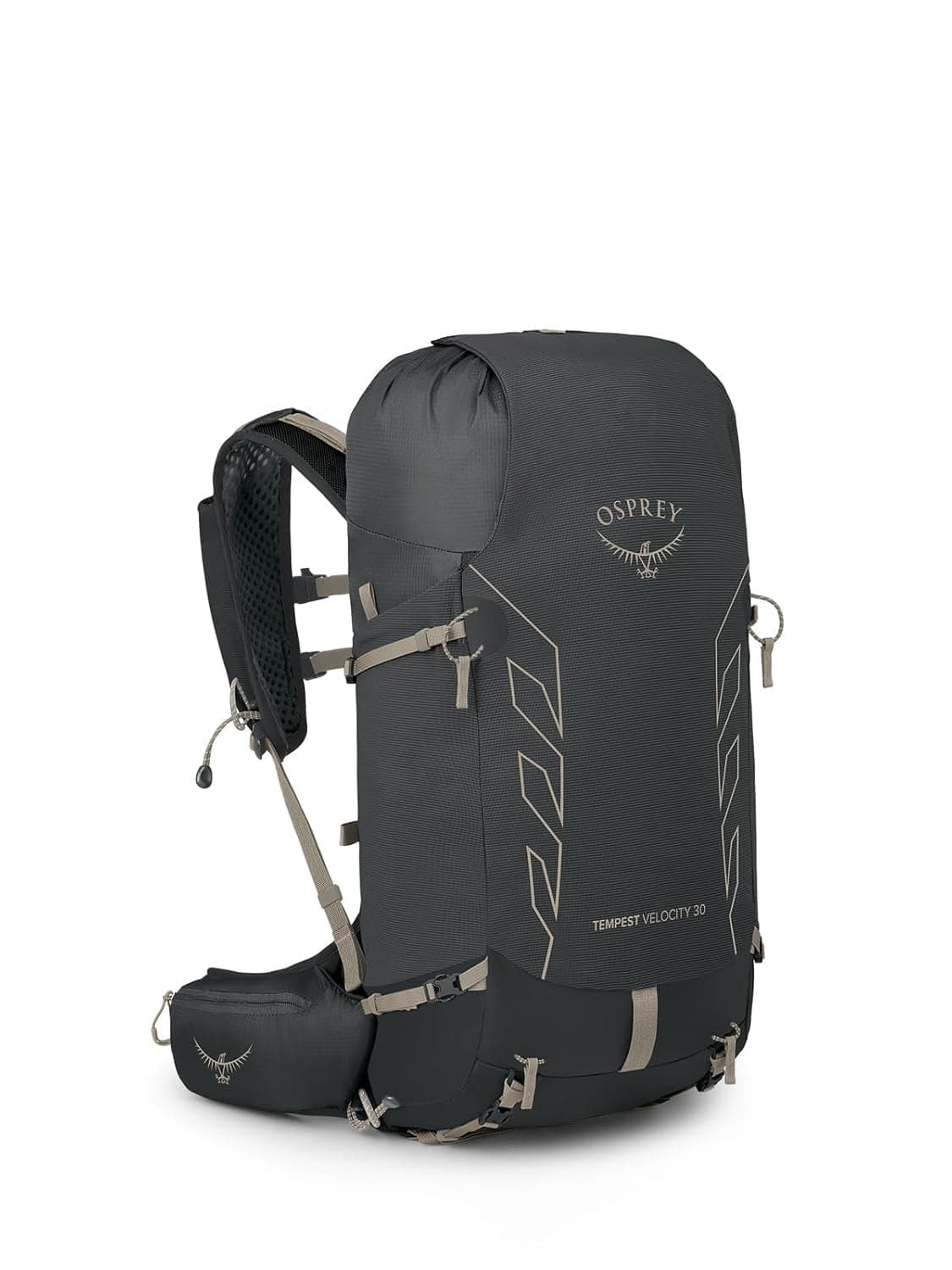
Osprey Tempest Velocity 30Research-based
Osprey Tempest Velocity 30 Women's Hiking Backpack
The 30L variant of the Tempest line for longer rucks or multi-use rucking + hiking. Same women's-specific torso fit, built-in hip belt, and hydration-port system as the Tempest 20. The Velocity update (2024+) made it lighter and more breathable while keeping the load-carry capability.
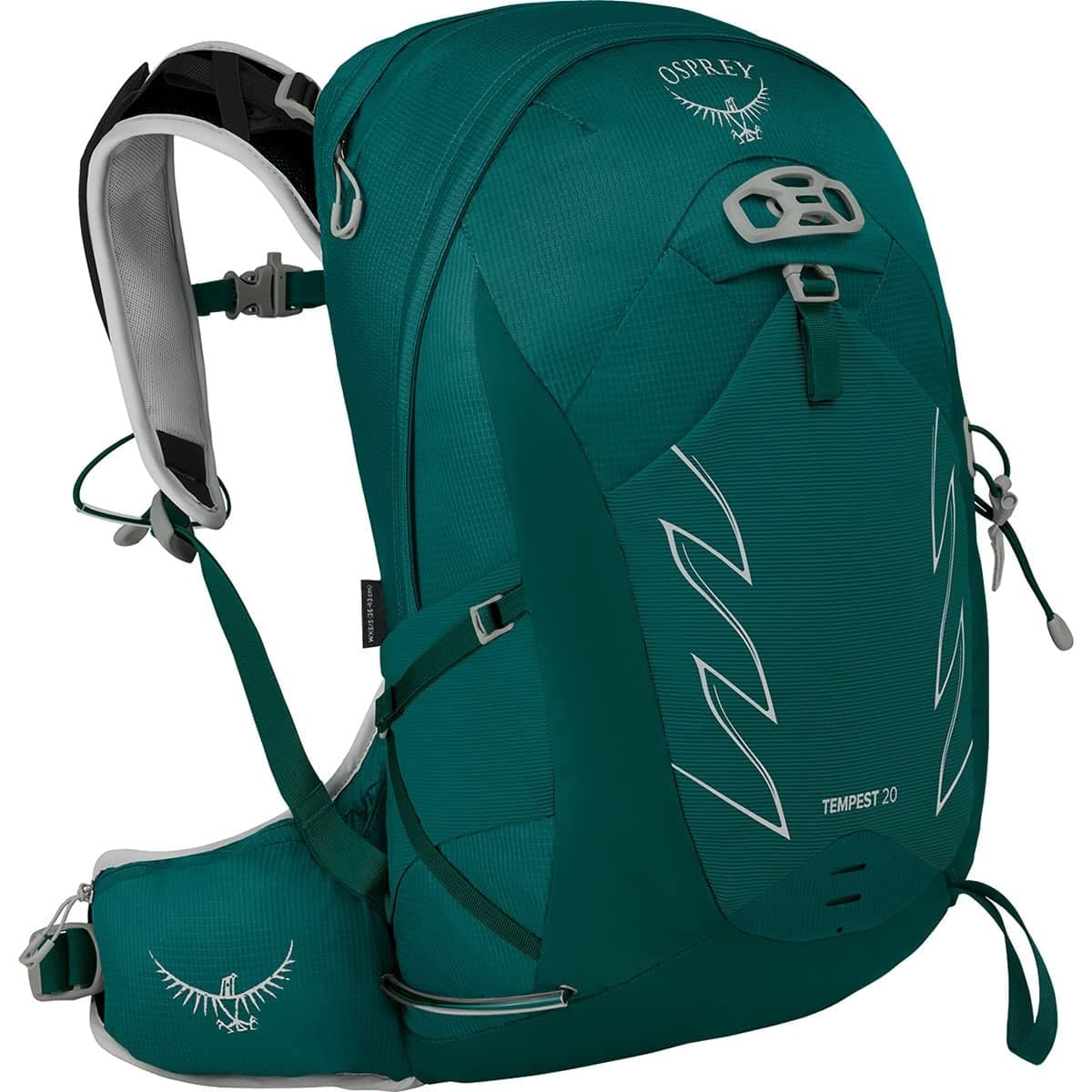
Osprey Tempest Velocity 20Research-based
Osprey Tempest Velocity 20 Women's Pack
Osprey's current women's-specific 18–20L fast-hiking pack adapted for rucking. The running-vest-inspired harness, four-inch torso adjustment, hip belt, and external hydration sleeve make it a practical non-tactical option for lighter loaded miles.

5.11 RUSH 24Research-based
RUSH 24 2.0
Built for military and law enforcement. Water-resistant 1050D nylon, excellent MOLLE webbing, professional organization. Perfect hybrid for rucking and tactical use.
How to Fit a Rucksack to a Female Body
Getting fit right is the difference between a comfortable pack and shoulder or back pain after three miles. Here's the process.
A well-fitted pack: sits high on the back with weight close to the spine, straps that don't compress the chest, and no pulling on the lower back. These apply to any rucker regardless of size.
- Measure your torso.Stand upright and have someone measure from the base of your neck (C7 vertebra, the bony bump when you bend forward) straight down to the top of your hip bones (iliac crest). Most shorter frames fall in the 15–19 inch range.
- Match to pack size.Small packs fit 15–17 inch torsos. Medium fits 17–19 inches. Large fits 19–21 inches. When in doubt, measure the pack's suspended back panel from the top of the shoulder yoke to where the hip belt sits.
- Adjust shoulder straps for width.The straps should wrap smoothly over your shoulders with no gaps. If there's a gap, the pack is too wide. If the strap presses the inside of your shoulder joint, it's too narrow. The top of each strap should angle slightly inward.
- Position the hip belt correctly.The hip belt should sit on your hip bones, not above or below. This is where load transfer happens. When loaded properly, 60–80% of the weight should transfer to your hips, not your shoulders.
- Check load lifter straps.If your pack has load lifters, they should angle about 45 degrees from shoulder to pack top. Too steep and they'll pull the pack into your neck. Too shallow and they don't cinch properly.
- Position the sternum strap.This strap crosses your chest horizontally. It shouldn't be tight, just tight enough to prevent shoulder straps from sliding off. For narrower shoulders and improved chest clearance, this strap is crucial for stability.
See our full roundup of rucking packs across all body types and budgets. Best Rucking Backpacks →
Weighted Vests as an Alternative
Not all women prefer rucksacks. Weighted vests distribute weight symmetrically across the torso instead of on the back. This is a legitimate alternative worth considering.
GORUCK's Spy Ruck is the women-specific vest in its current catalog. It comes in fixed-load versions and has no cargo storage, so compare it as a close-to-body training tool rather than a smaller backpack. We list it from current manufacturer specifications and have not field-tested it yet.
- Weight is evenly distributed front and back, reducing lower back stress
- Adjust weight in small 1–2 lb increments for precise training
- Most vests fit women's frames naturally without complex adjustment
- No learning curve for fit. It's on or off.
- No storage. Can't carry water, gear, or extra clothing.
- Can restrict breathing if too tight, especially at high intensity
- More heat retention because they cover more of your torso
- Not compatible with GORUCK events or most group rucking formats
The choice comes down to your goals. If you're training for strength and calorie burn, a vest is efficient. If you want the full rucking experience (community, events, carrying real gear), a pack is the way to go. Many women use both depending on the session.
Shoes for Women Ruckers
Narrower midfoot, higher arch, and a smaller heel cup are common fit differences that affect shoe performance under load. When weight is added, feet work harder and need better support. Salomon, La Sportiva, and Altra offer versions built on different lasts rather than simply scaling down sizing.
GORUCK now gives the Ballistic Trainer and Rough Runner separate women's product pages. Compare the firmer Ballistic Trainer for gym work and shorter loaded sessions; compare the road-oriented Rough Runner for longer pavement mileage. Neither model has been field-tested by Ruck Authority yet, so the shop cards use manufacturer specifications without an editorial score.
For women ruckers specifically: look for a firm midfoot, moderate heel drop (8–10mm), solid arch support, and a heel cup that doesn't slip. Your feet are absorbing extra impact from the load, so stability matters more than maximum cushioning.
For the full breakdown by terrain type, see our shoe comparison. Best Rucking Shoes by Terrain →
Building a full kit on a budget? See the starter kit guide. Budget Rucking Starter Kit →
Accessories and Apparel
- Sports bra
- This matters more for rucking than for regular walking because the loaded pack creates vertical bounce. You want high-impact support. Look for encapsulation (cups that separate, not compress) and wide straps that won't slip inward under load. Brands like Freya, Panache, and Enell are built for high-impact activity. Budget $60–90 for a quality bra.
- Socks
- Merino wool blend is the standard. Merino regulates temperature, wicks moisture, resists odor, and reduces blister risk. Cotton holds moisture and causes blisters under load. Go crew or mid-calf height to prevent chafe where the shoe collar contacts your ankle. Darn Tough Light Hiker Micro Crews come with a lifetime warranty. Budget $20–27 per pair.
- Anti-chafe
- Rucking packs create friction where straps contact your shoulders, across your chest at the sternum strap, and along your hip belt. Body Glide, 2Toms SportShield, or Squirrel's Nut Butter applied to these zones before you ruck prevents irritation. Some women also use a thin base layer to reduce direct strap contact on skin.
- Reflective gear
- Research shows women are statistically more likely to ruck during early morning or evening hours. A reflective vest, clip-on lights, or reflective strips on your pack dramatically improve visibility. An inexpensive reflective running vest is genuinely worth it.
The Women's Starter Kit
Use a backpack you already own, fill it with DIY weight (play sand in zip-lock bags), grab two pairs of merino wool socks, and get a high-support sports bra if you don't already have one. That's everything you need to ruck hard for the first month.
Invest in a shorter-torso rucksack (Osprey Tempest Velocity 20 or 5.11 RUSH 24), add weight that the pack can hold securely, upgrade to quality trail runners with a good fit for your foot shape, and add the sock and sports bra combination. This setup will carry you through the first 3–6 months of regular rucking.
Osprey Tempest Velocity 30, a flexible load that the pack can secure safely, dedicated rucking shoes (Salomon Quest 5 or La Sportiva Bushido III), anti-chafe products, and reflective gear. Use a plate-native loadout instead when rigid-plate training is the goal.
Side-by-Side Comparison
All picks at a glance - specs, ratings, and where to buy. How we rate →
| Product | Best For | Price | Our Rating | Buy |
|---|---|---|---|---|
| Women who want one pack for rucking AND day hiking, or who carry 25+ lb on longer outings. | $150-300 | Shop at Amazon · $150-300 | |
| Women who want one pack for rucking and hiking, prefer hydration-bladder carry, and want a non-tactical aesthetic. | $50-150 | Shop at Amazon · $50-150 | |
| Tactical enthusiasts wanting a pack that works for rucking and everyday use. Best choice if you want professional organization and customization options. | $150-300 | Shop at Amazon · $150-300 |
Build a Women's Rucking Setup
For most beginners, the Osprey Tempest Velocity 20 is the strongest starting point because its women's-specific harness and adjustable torso are real product features. Choose the 30L Tempest Velocity for longer outings, or the RUSH 24 if you specifically want a tactical pack and its unisex fit works for your torso.
Frequently Asked Questions
Not always, but fit matters more as you go heavier and longer. Women's-specific packs have shorter torso lengths, inward-angled shoulder straps, and contoured hip belts. These differences are noticeable at loads over 20 lbs, especially on rucks longer than an hour.
There is no universal sex-specific starting weight. Begin unloaded, then test the smallest practical added load if it stays secure and does not change gait, balance, or comfort.
Yes, many do. The fit won't be ideal on standard sizing, but packs with adjustable torso lengths work well across body types. If you're between sizes, size down rather than up for better load transfer to the hips.
Rucking is one form of loaded walking. It can raise the effort of a walk, but evidence does not support promising that it builds bone density or outperforms other exercise for every woman. Bone-health plans may include weight-bearing activity, resistance training, nutrition, medication, and individual clinical guidance.
Related Articles
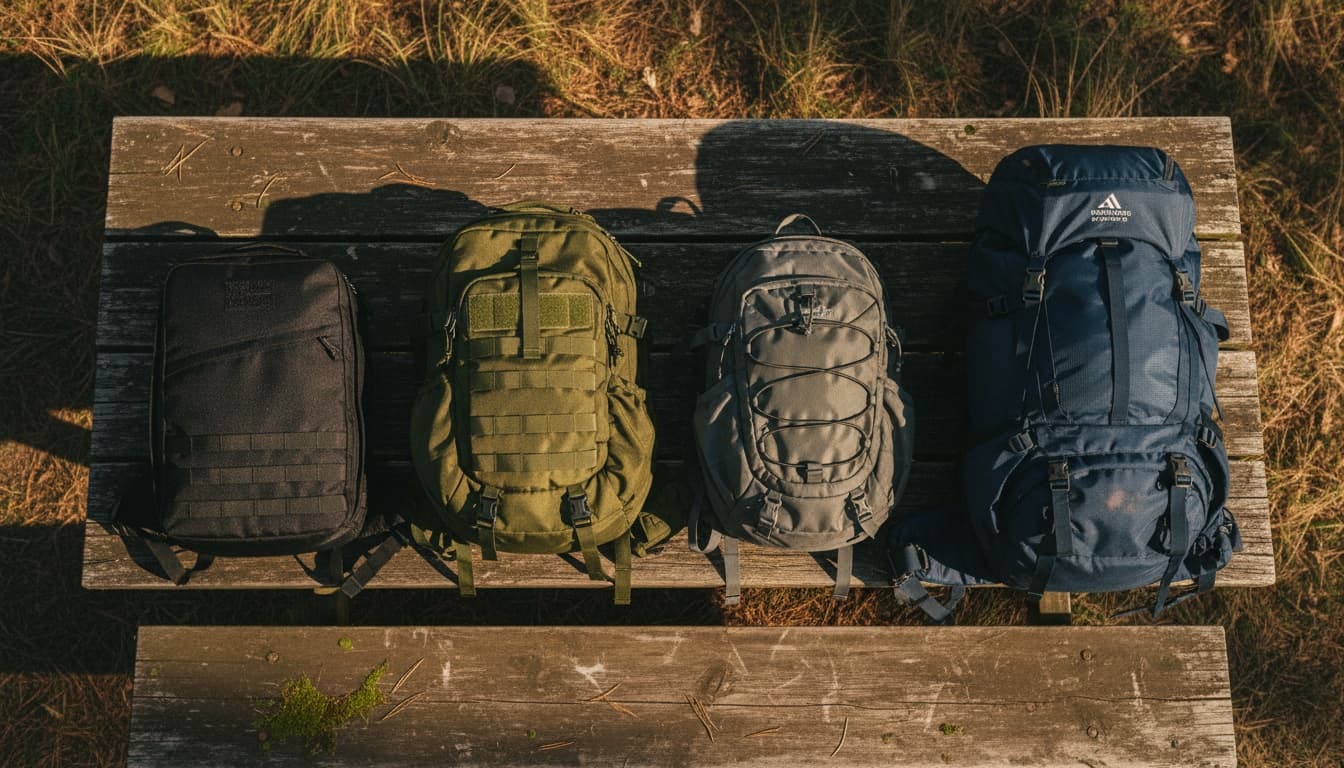
Best Rucking Backpacks for Women (2026): Short-Torso Fit Guide
Women's-specific and adjustable rucking packs for shorter torsos. Covers Osprey Tempest Velocity 20 and 30, Mystery Ranch Women's Coulee 20, flexible load options, and torso measurement fundamentals.
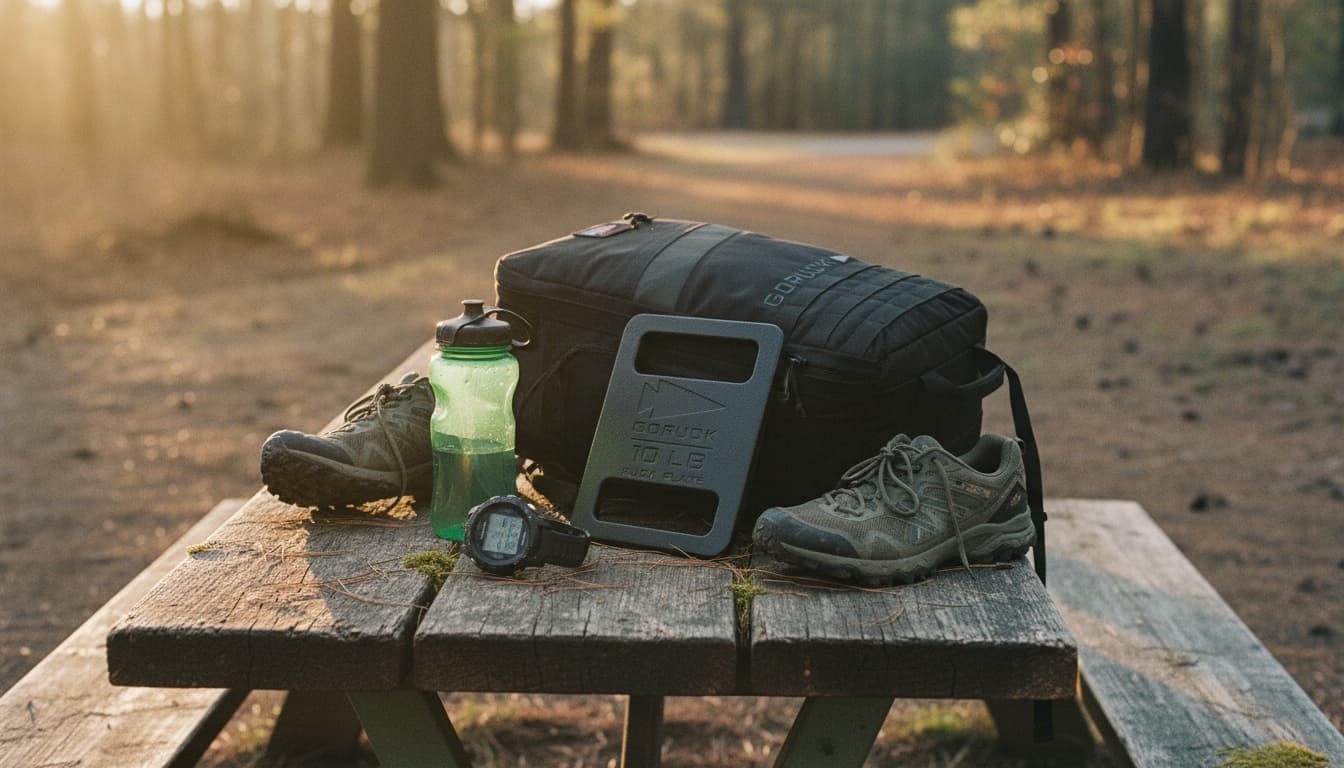
Rucking for Weight Loss: Complete Beginner Gear Guide (2026)
The complete gear kit for new ruckers using rucking for weight loss. Covers the four essential items (pack, weight, socks, shoes), realistic budget tiers from $180 to $460, and the 4-week progression that drives results.
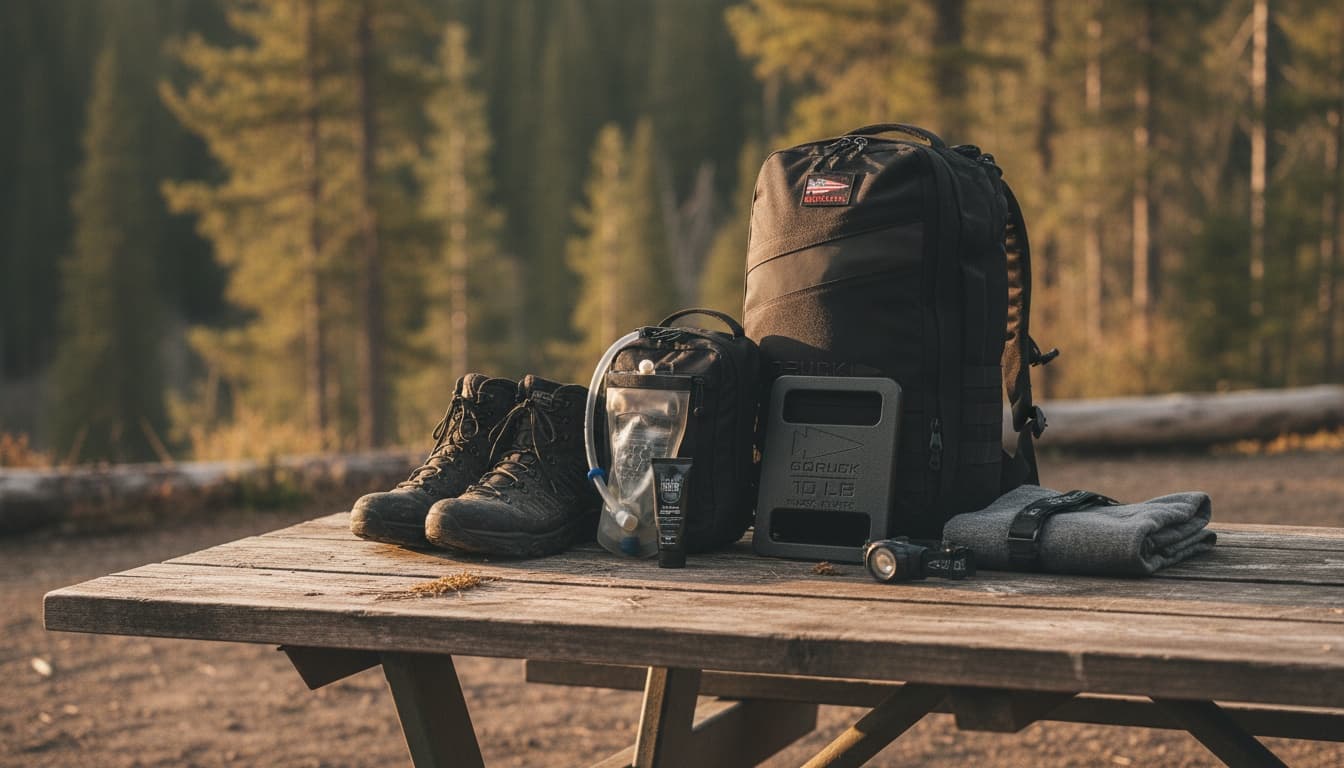
GORUCK Tough Packing List: Complete Gear Guide (2026)
The full GORUCK Tough packing list with every required item, strongly recommended add-on, and cadre-inspected essential. 12+ hour overnight event gear guide with brand picks and load-out strategy.
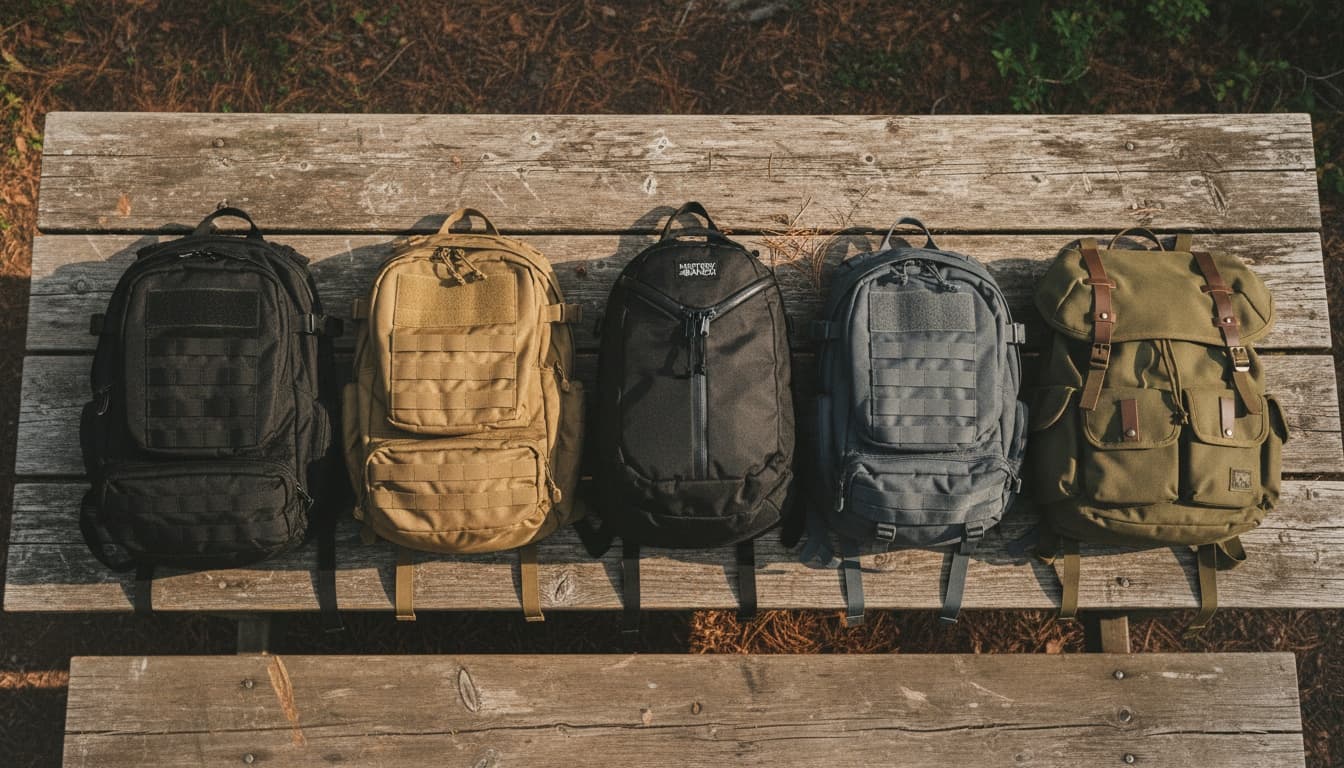
Best Rucking Backpacks Under $200 (2026)
Five rucking packs under $200 compared on load comfort, durability, plate compatibility, and warranty, with clear reasons to save for a purpose-built ruck.