Gear Review
Best Rucking Shoes by Terrain
Salomon XA Pro 3D V9 GTX is our one-shoe default. Bondi 9 or Adrenaline GTS 25 for pavement, Bushido III for rock, Quest 5 for heavy trail loads.

On this page13 sections
- Quick Picks
- Why Terrain Matters
- Shoes by Terrain Type
- Pick by Terrain
- Full Shoe Reviews
- Salomon XA Pro 3D V9 GTX
- Saucony Peregrine 16
- La Sportiva Bushido III
- Altra Lone Peak 9 Waterproof
- Salomon Quest 5 GORE-TEX
- Where GORUCK Footwear Fits
- What to look for in a rucking shoe
- Pick by terrain and load
- Best shoes for mixed terrain
- Boots vs shoes for rucking
- How to fit shoes for rucking
- When to replace your rucking shoes
- Choose Shoes for Your Terrain
- FAQ
- One shoe for mixed routes: Salomon XA Pro 3D V9 GTX. Firm chassis, 11mm drop, a waterproof membrane and an outsole that handles pavement and fire roads.
- Pavement only: Hoka Bondi 9 for plush cushioning or Brooks Adrenaline GTS 25 for structured support. Sidewalks don't require a trail outsole.
- Rocky, technical trail: La Sportiva Bushido III, with a 6mm drop, 4mm lugs and a narrow, locked-down fit.
- Heavy loads on rough ground: Salomon Quest 5 GORE-TEX, a 12mm-drop backpacking boot at about 595 g per boot. Beginners who want a boot should start with a lightweight hiking boot, not a stiff military boot.
- Wide feet: Altra Lone Peak 9 Waterproof Low. The roomy toe box is the draw; the zero drop shifts work to calves and Achilles, so build mileage gradually.
- Replace shoes when the midsole looks flattened or new aches appear. Podiatrists commonly cite 300-500 miles; heavier bodies and heavier packs sit at the low end.
Match the Shoe to the Terrain
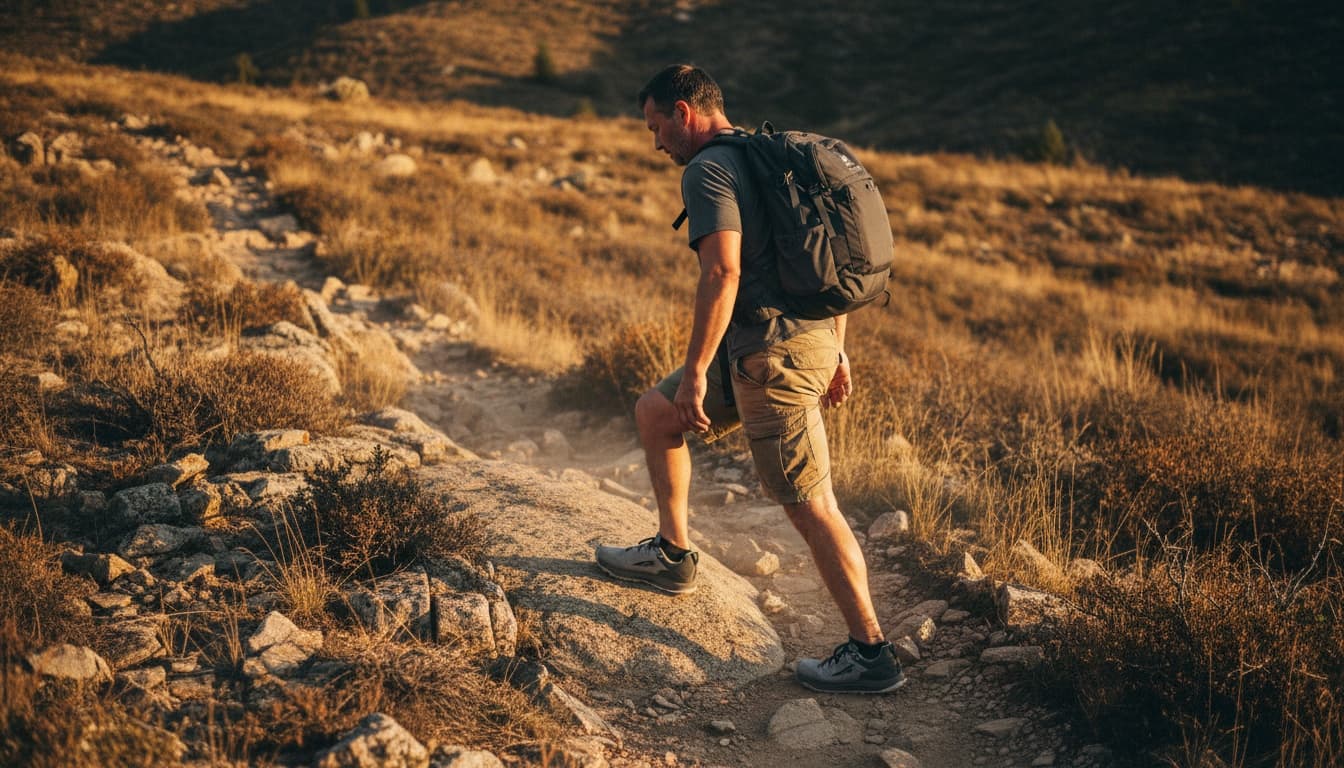
If you want one shoe for mixed routes, start with the Salomon XA Pro 3D V9 GTX. If your routes are mostly one surface, the better pick changes: a road shoe for sidewalks, a grippier trail shoe for rock, a boot for heavy loads on rough ground.
We matched five rucking shoes to the terrain where each one makes the most sense. Traction, waterproofing, platform stability and fit all shift with where you ruck, and body weight and pack load matter as much as surface. Start with your terrain and load, then pick your shoe.
GORUCK's current footwear line covers four different jobs: Ballistic Trainers for gym crossover, Rough Runners for road mileage, Mackall 45 shoes for trails, and MACV-2 boots for rougher ground. Those entries are based on current manufacturer specifications, not Ruck Authority field testing. The two low-cut lines have separate men's and women's product pages.
And if you're weighing footwear for unloaded hiking, our sister site Kit Authority settles the hiking boots vs trail runners question without the pack weight variable.
The Four Budget Tiers
Built for elevation, rock and uneven ground. Sticky rubber, a locked-down fit, and in the Quest 5's case a high-cut boot for heavy loads on rough terrain.
Works on both pavement and trail. Best choice if your rucks move between road and dirt and you want one shoe that handles both well.
Lighter trail shoes that handle moderate loads and varied terrain without the bulk of a hiking boot. Good for ruckers who prioritize pace over max load.
Use what you have for your first 10 rucks. Any sturdy trail runner or hiking shoe will work. If rucking sticks, upgrade to something with dedicated load support.
Pick by Terrain
| Shoe | Price | Best terrain | Drop | Waterproof | Watch for |
|---|---|---|---|---|---|
| Salomon XA Pro 3D V9 GTX | $150-300 | Mixed pavement and trail | 11mm | GORE-TEX | Regular width; try before a wide foot |
| Saucony Peregrine 16 | $150-300 | Light-load trail | 4mm | No (standard model) | Little reason to pick it for all-pavement routes |
| La Sportiva Bushido III | $150-300 | Rocky, technical trail | 6mm | No | Narrow standard fit |
| Altra Lone Peak 9 Waterproof Low | $150-300 | Mixed routes, wide feet | Zero | Yes | Zero drop needs gradual adaptation |
| Salomon Quest 5 GORE-TEX | $150-300 | Heavy loads on rough ground | 12mm | GORE-TEX | More boot than paved routes need |
Head-to-Head: Top Alternatives
Salomon XA ProResearch-based
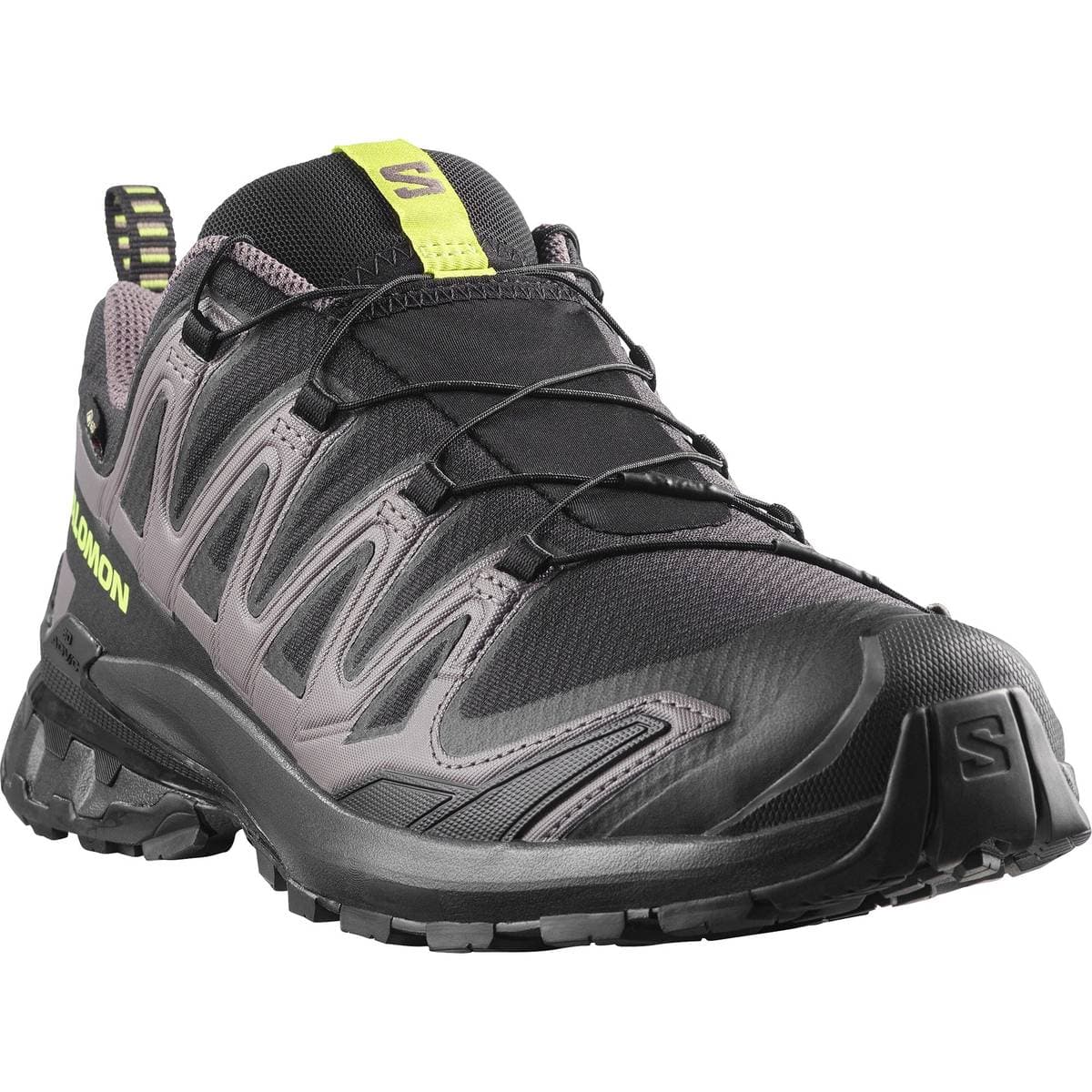
Salomon XA Pro 3D V9 GTX
A waterproof mixed-terrain shoe with an 11mm drop and a 3D Advanced Chassis. Consider it when your route needs trail protection and a waterproof membrane.
Saucony PeregrineResearch-based
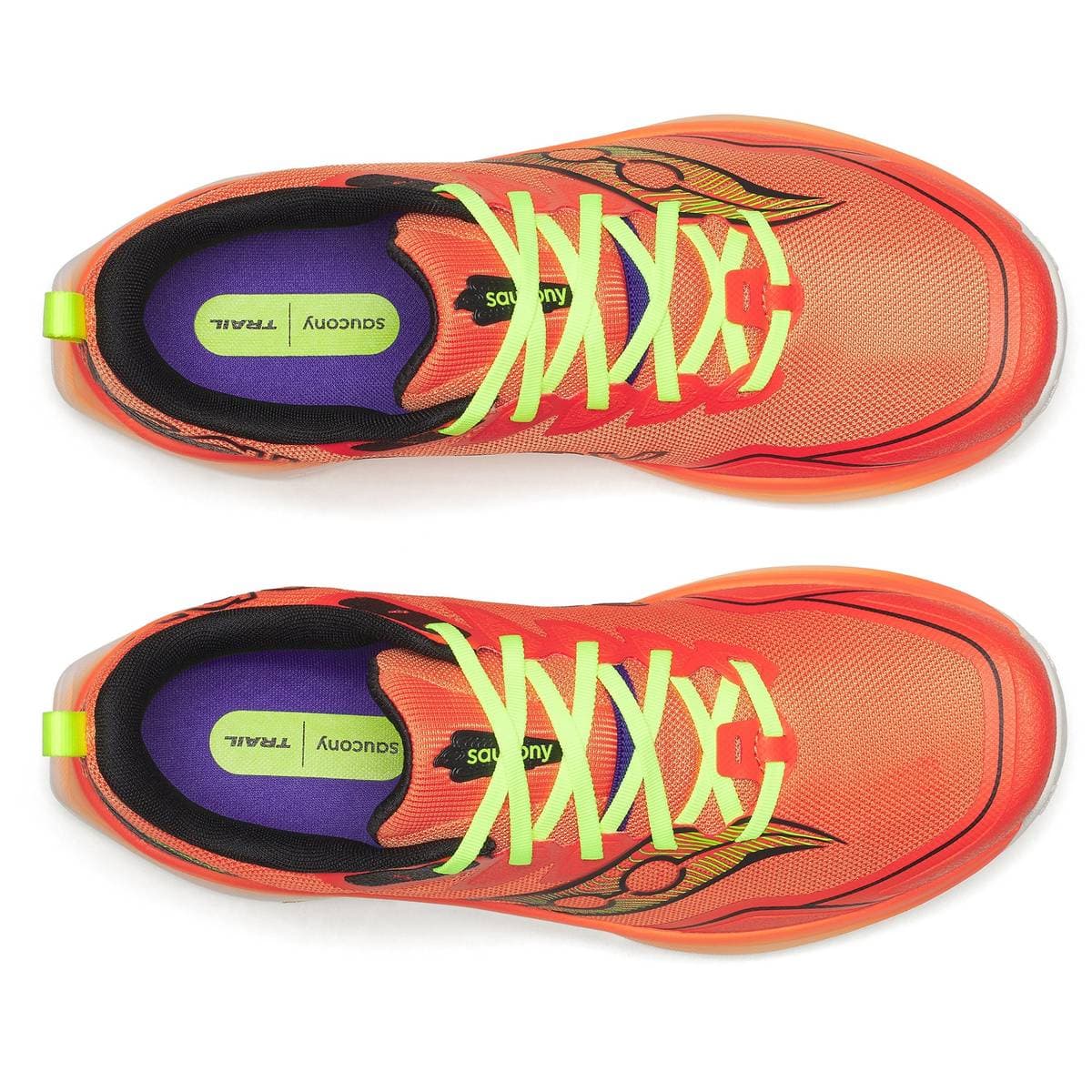
Saucony Peregrine 16
A trail shoe with 4mm lugs, a Vibram Megagrip outsole and PWRRUN cushioning. It belongs on the shortlist when pavement connects actual trail sections.
La SportivaResearch-based
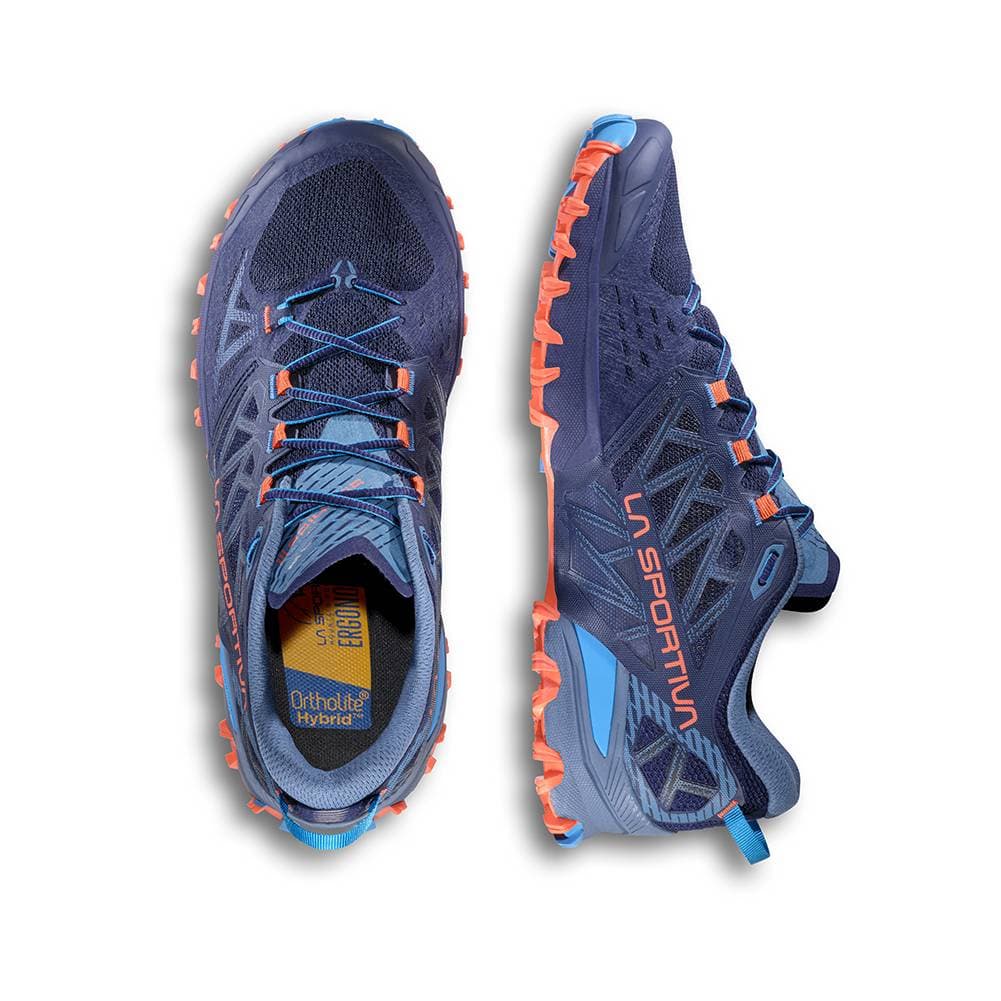
La Sportiva Bushido III
Built for mountain terrain where grip and stability matter more than cushion. La Sportiva's FriXion XT 2.0 outsole and a locked-down upper suit rocky, steep trails. Best choice for ruckers doing elevation gain on technical terrain.
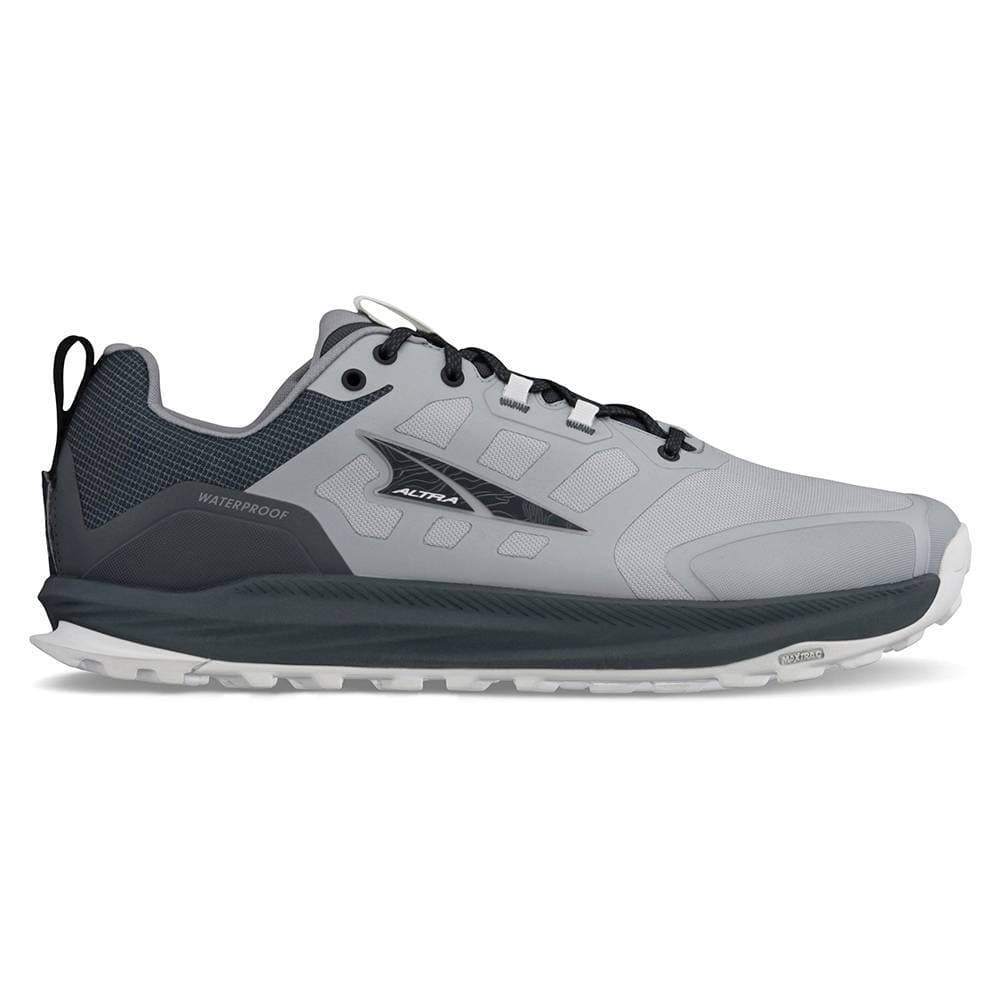
Altra Lone PeakResearch-based
Altra Lone Peak 9 Waterproof Low
A wide-toe-box trail shoe with a zero-drop platform and waterproof upper. It suits people already comfortable in zero-drop footwear; do not introduce a new shoe geometry and a large load increase at the same time.
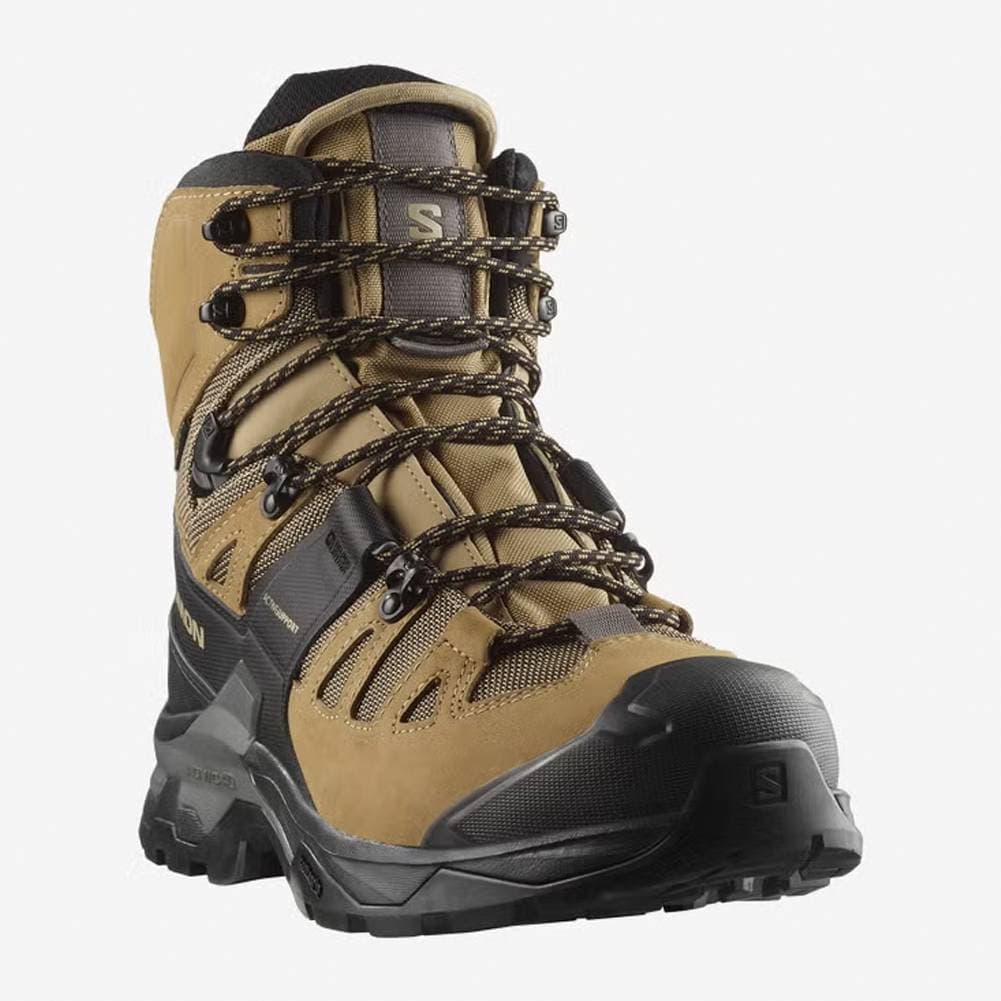
Salomon Quest 5Research-based
Salomon Quest 5 GORE-TEX
A waterproof hiking and backpacking boot with a 4D Advanced Chassis and leather/synthetic upper. Salomon lists a 12 mm drop and rocky, technical terrain as its intended use.
Where GORUCK Footwear Fits
GORUCK sells four footwear families for different routes and training days. These positions come from current manufacturer specifications, not new Ruck Authority field tests.
- Ballistic Trainers
- The firm gym and short-ruck crossover. Start here when lifting stability matters as much as loaded walking.
- Rough Runners
- The road-oriented option for longer pavement sessions. Men's and women's versions have separate product pages.
- Mackall 45
- The lower-cut trail option for dirt, gravel, and mixed routes.
- MACV-2
- The mid-height boot for rougher terrain and people who prefer more coverage. It is not the default choice for ordinary pavement miles.
Specs and availability vary by retailer and version. Confirm drop, weight and waterproofing on the retailer's listing before buying.
What to look for in a rucking shoe
Rucking shoes are not running shoes. When you're moving 25-30 lbs at walking speed, your feet need a stable platform more than they need the rebound a runner is after.
- A note on terrain categories
- The buckets in this guide are a starting heuristic, not a hard rule. Body weight and pack load drive shoe choice more than terrain does. A 190 lb person carrying 50 lbs on pavement stresses a shoe harder than a 140 lb rucker with a 20 lb pack on a rocky trail, and a supportive trail shoe is usually supportive on pavement too. If you're a seasoned rucker who already knows what works for your foot, weight, and typical load, trust that history over our category system. The terrain framing is most useful for first-time buyers who need a decision shortcut.
- A stable platform
- The midsole, the foam between your foot and the ground, shouldn't let a loaded foot roll inward or outward. That's about geometry as much as softness: a wide, well-built max-cushion shoe like the Hoka Bondi 9 can feel steady on pavement, while a narrow, soft trainer can wobble under the same pack. Cushion level is a preference; stability under load isn't optional.
- Heel-to-toe drop you're adapted to
- Drop is the height difference between the heel and forefoot. The picks here run from zero (Altra) to 12mm (Salomon Quest 5), and none of those numbers is correct for everyone. What matters is change: moving from a 10-12mm shoe to a low or zero-drop shoe shifts more work to your calves and Achilles, so make that switch at light loads and short distances first.
- Supportive upper
- The upper is the part of the shoe that wraps your foot. Look for reinforced sidewalls and midfoot overlays that keep your foot centered on the platform under load. This matters more if you have flat or high arches.
- Good traction for your terrain
- Pavement shoes need grip but not aggressive lugs. Trail shoes need deeper tread. Mixed-terrain shoes find a middle ground. Rubber compound matters as much as lug shape: a good outdoor compound grips wet rock better than cheap rubber with bigger lugs.
- Comfortable at combined weight
- This one requires trying. Walk in the shoes with a loaded pack if the store allows it. At minimum, try them later in the day when your feet are slightly swollen, which is closer to how they'll be mid-ruck.
- What to avoid
- Minimalist shoes (too little structure for most loaded walking), racing flats (no support), narrow soft trainers that roll under load, dress shoes or basketball shoes (wrong geometry), and anything that lets your heel lift.
Pick by terrain and load: the 3 x 3 matrix
The right shoe depends on two variables: what surface you're on, and how heavy your pack is. Here are the nine common combinations, each mapped to a single named pick.
- Pavement
- Under 20 lb: Hoka Bondi 9 for plush cushioning. 20-35 lb: Salomon XA Pro 3D V9 GTX, a waterproof daily driver with a firm chassis. 35+ lb: Brooks Adrenaline GTS 25, whose GuideRails support helps when load and pavement push your foot inward.
- Mixed
- Under 20 lb: Hoka Transport 2, a walking-focused commuter for path and pavement crossover. 20-35 lb: Salomon XA Pro 3D V9 GTX again; the outsole bites enough dirt for fire roads. 35+ lb: Altra Lone Peak 9 Waterproof, whose wide toe box keeps the foot centered when a heavy load changes your stride.
- Trail
- Under 20 lb: Saucony Peregrine 16, light and nimble for light-load trail rucks. 20-35 lb: La Sportiva Bushido III, with sticky rubber and a low, locked-down fit. 35+ lb: Salomon Quest 5 GORE-TEX, a high-cut backpacking boot for heavy mountain rucks.
The Salomon XA Pro 3D V9 GTX appears twice for a reason: it's the most versatile shoe in the catalog and the one most ruckers can wear day to day. The other picks nudge specific load and terrain combinations onto a better-fit option.
For road-only routes, compare the Hoka Bondi 9, Brooks Adrenaline GTS 25 and Hoka Transport 2 in our pavement guide. Best Shoes for Rucking on Pavement →
Best shoes for mixed terrain
- Altra Lone Peak 9
- The non-waterproof version of the Lone Peak 9 Waterproof Low trades water protection for less weight and better breathability. The wide toe box, moderate cushioning and decent tread work on pavement and trail, and it's more capable off-road than a road shoe. The zero drop takes adjustment, and if you hit mud or water crossings regularly, the lack of a membrane gets old. Best for ruckers who split pavement and trail, want one shoe, and either have wide feet or want to try zero drop.
- Saucony Excursion TR18
- The current version of Saucony's budget trail shoe sits between pavement and trail, with enough grip for dirt paths without feeling odd on concrete. Saucony lists an 8mm drop and 9.8 oz for the men's shoe, and there's a GORE-TEX version if you need one. It isn't optimized for either terrain, and a budget outsole won't match premium rubber for wear. Best for mixed-terrain beginners who want a simple shoe that works.
Boots vs shoes for rucking
The military carries ruckers in boots. Modern rucking, fitness-focused rather than tactical, mostly happens in shoes.
If you specifically want the best rucking boots for beginners, start with a lightweight hiking boot or mid-height hiking shoe with a firm midsole, secure heel, and enough room for merino socks. Do not start with stiff combat boots unless you are training for a military requirement. Beginner ruckers need predictable support more than ankle armor.
For most beginners, a shoe like the Salomon XA Pro 3D is enough. If you want a true boot feel, the Salomon Quest 5 GORE-TEX is the heavier-load option already covered in this guide. Salomon lists it at a 12 mm drop and about 595 g per boot.
- Where boots help
- Boots add coverage, a stiffer upper, and protection from rocks and debris. That can be useful for duty-specific training, rough terrain, cold or wet conditions, and heavier loads. A boot does not prevent every ankle injury, and a poor fit can create its own problems.
- Where shoes help
- Shoes are lighter, usually breathe better, and are easier to wear for everyday training. They make sense for pavement, maintained trails, warm weather, and moderate loads when you do not need the coverage of a boot.
- How to choose
- Start with the terrain and the footwear that fits your foot. Shoes work for many fitness rucks, including moderate loads. Boots become more useful as the terrain gets rougher, the weather gets colder or wetter, or the training must match duty footwear. Increase load gradually in either option.
For general fitness rucking on pavement or maintained trails, start with a stable shoe that fits well. Choose a boot when the route, weather, or training requirement gives you a specific reason to need one.
How to fit shoes for rucking
- Shop when your feet are swollen
- Your feet swell as the day goes on. Shopping in the afternoon or evening means the fit you get is closer to how they'll feel during an actual ruck.
- Wear your rucking socks
- Thick merino socks change fit noticeably compared with thin cotton socks. Don't try shoes in thin socks and expect them to fit the same in thick ones.
- Try them with a loaded pack if possible
- Some outdoor stores let you walk around outside. Take advantage. Load a pack with 15-20 lbs and walk for 10 minutes. It's the most honest fit check you can do before buying.
- Size for your foot, not a formula
- Many people end up a half size above their casual shoe once thicker socks and swelling are accounted for, but sizing varies by model and foot shape, so there's no reliable universal half-size rule. Let the fit checks decide.
- Check three fit points
- Thumb-width of space at the toe box (you should be able to fit your thumb between your longest toe and the shoe's end when standing). Heel shouldn't slip when you walk (try heel-toe walking to test). No lateral play: the shoe shouldn't roll your foot inward or outward.
When to replace your rucking shoes
Loaded walking compresses midsoles faster than the same miles unloaded. Podiatrists commonly cite 300-500 miles for running and walking shoes, and body weight moves that number a lot. Add a pack and expect to land toward the low end.
- Signs it's time to replace
- You can see midsole compression (the foam looks flattened or creased from the side). Tread is worn smooth in the heel or ball of the foot. You notice new aches, such as ankle instability, knee pain, or shin splints that didn't exist before. The shoe twists easily when you wring it from forefoot to heel.
- How to calculate
- At 300-500 miles, a shoe lasts roughly 7-12 months if you ruck 10 miles per week, or about 3-6 months at 20 miles per week.
- Rotation
- Alternating two pairs gives each one time to dry out between sessions and spreads the wear, which is useful if you ruck most days.
Pain that persists after a shoe change needs a clinician's assessment, not another pair of shoes.
The shoe you already own might be good enough. If you have a sturdy trail runner or hiking shoe with a firm sole and decent support, try rucking in it before buying something new, and put the money toward good merino socks first.
Side-by-Side Comparison
All picks at a glance - specs, ratings, and where to buy. How we rate →
| Product | Best For | Price | Our Rating | Buy |
|---|---|---|---|---|
| Ruckers on wet mixed-terrain routes who want waterproof footwear. | $150-300 | Shop at Amazon · $150-300 | |
| Ruckers whose routes combine paved approaches with trails. | $150-300 | Shop at Amazon · $150-300 | |
| Trail ruckers doing technical terrain with elevation gain and rocky conditions. | $150-300 | Shop at Amazon · $150-300 | |
| Trail ruckers who prefer a wide toe box and are already adapted to zero-drop footwear. | $150-300 | Shop at Amazon · $150-300 | |
| Walkers comparing waterproof backpacking boots for rocky trails. | $150-300 | Shop at Amazon · $150-300 |
Choose Shoes for Your Terrain
Terrain and fit drive the decision more than price. Compare the La Sportiva Bushido III or Salomon Quest 5 for steeper trail use, the Salomon XA Pro for mixed surfaces, the Altra for a wide toe box and zero-drop preference, and the Saucony Peregrine for recreational trails. Recurring foot pain needs assessment rather than a shoe-only fix.
Frequently Asked Questions
Yes, especially on pavement with a light to moderate pack. What matters is a stable platform that doesn't let a loaded foot roll inward or outward. A wide, well-built road shoe can feel steady under a pack, while a narrow, soft trainer can wobble. For uneven trail or heavier loads, a firmer trail shoe or boot usually feels more secure.
There isn't one correct drop. The picks here run from zero (Altra) to 12mm (Salomon Quest 5). What matters is the change from what you wear now: moving from a 10-12mm shoe to a low or zero-drop shoe shifts more work to your calves and Achilles, so make that switch at light loads and short distances first.
Depends on your climate. GORE-TEX keeps feet dry but adds weight and reduces breathability. If you ruck year-round in wet conditions, waterproofing is worth the tradeoff. For dry climates, skip it and get better ventilation.
Podiatrists commonly cite 300-500 miles for running and walking shoes, and body weight moves that number a lot. Add a pack and expect to land toward the low end. Replace them when the midsole looks flattened, the tread is worn smooth, or new aches appear. Pain that persists after a shoe change needs a clinician's assessment.
Related Articles
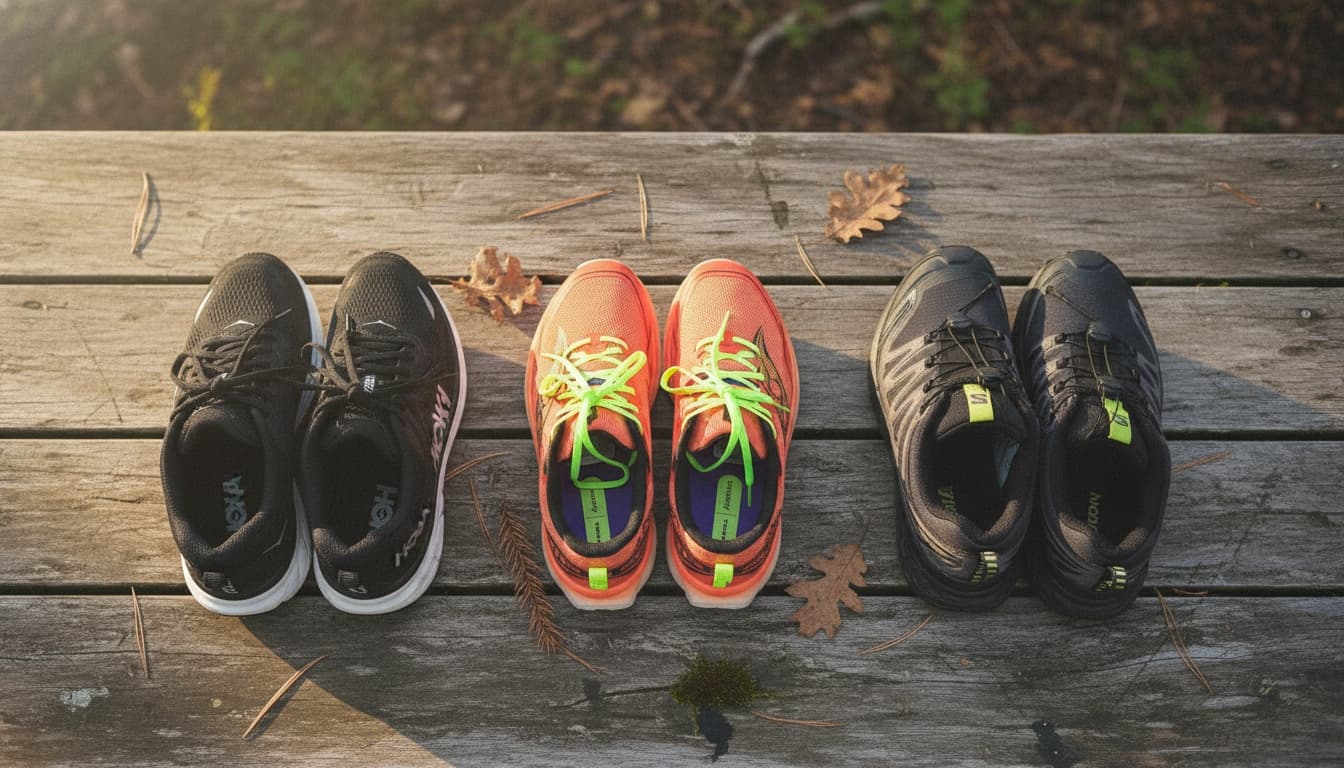
Best Shoes for Rucking on Pavement: 5 Picks for 2026
Compare five pavement rucking shoes by cushion, support, width and wet-weather use. Find your fit in Hoka Bondi 9, Brooks Adrenaline GTS 25 or Transport 2.
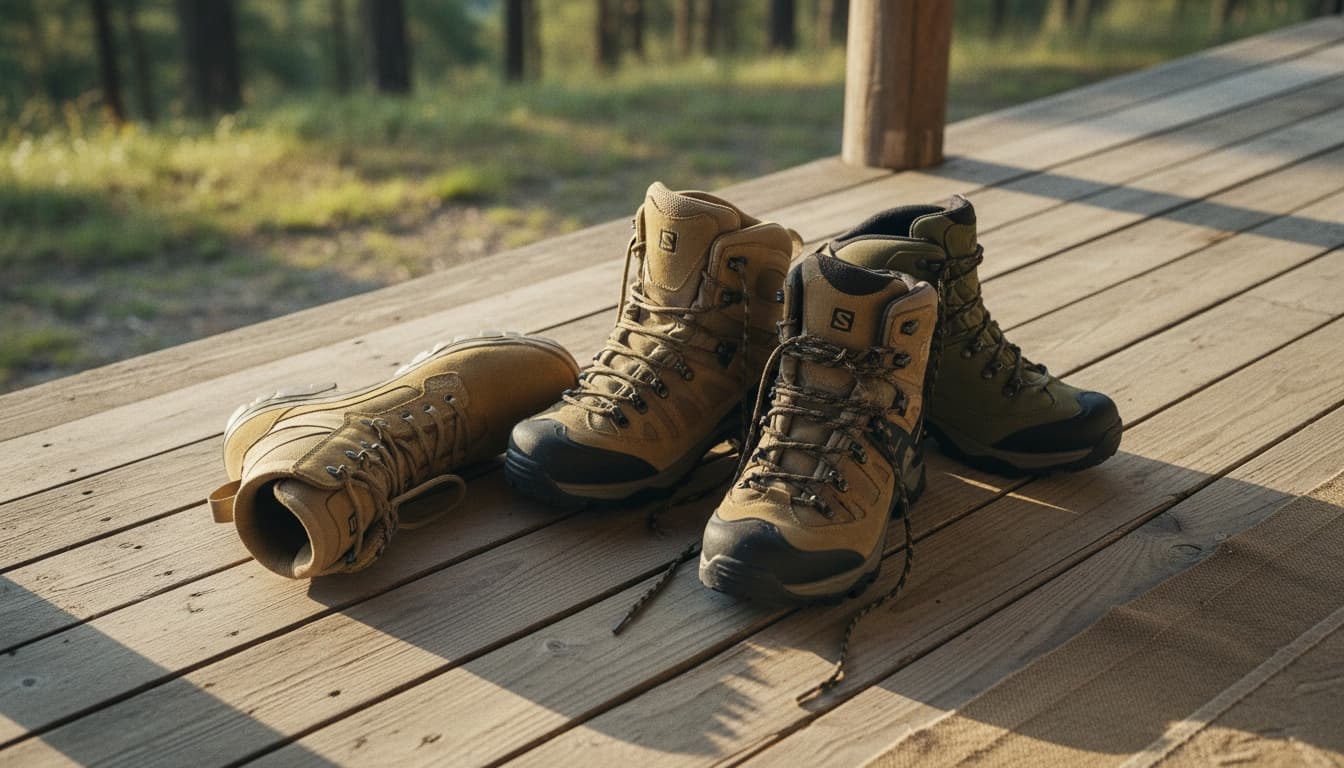
Best Rucking Boots for Beginners (2026)
Tactical-grade boots for new ruckers - Garmont, Lowa, Salomon. Compare break-in, ankle support, and load-carry stability for the first 12 months.

Best Rucking Gear for Women: Packs, Vests, Shoes
Women-specific gear that actually fits - honest recommendations for packs, vests, and shoes.
GORUCK Ruck Plate Carrier 3.0 vs Rucker 5.0
Compare the GORUCK RPC 3.0 and Rucker 5.0 for plate fit, water and gear storage, sizing, and event use. Choose around what you actually carry.