Gear Review
Best Rucking Socks (2026): Blister Prevention Under Load
Our default rucking sock is the Darn Tough Light Hiker. Then match height, cushion, toe socks or a liner to where your blisters start. Six picks.
On this page10 sections
- Default pick: Darn Tough Light Hiker Micro Crew. A 43% merino blend with light cushioning, knit in Vermont and covered by an unconditional lifetime guarantee. Confirm fit with one pair first.
- For boots: Darn Tough Hiker Boot Full Cushion (style 1405). Boot height, midweight knit and full cushion in a 66% merino, 32% nylon, 2% Lycra blend.
- Blisters between the toes: Injinji Trail Midweight Crew. Each toe gets its own sleeve, and the knit is nylon and COOLMAX polyester with no merino.
- Liner under an outer sock: in Knapik and colleagues' 1996 study of 357 Marine recruits, a thin polyester liner under a thick wool-polypropylene sock cut blister incidence to 40%, against 69% in the standard military sock. Fewer blisters, but still plenty.
- Keep cotton off loaded miles. In Herring and Richie's 1990 double-blind study of 35 distance runners, cotton socks produced more blisters, and larger ones, than acrylic socks of identical construction.
How Merino Helps Prevent Blisters
Moisture and friction both contribute to blisters. Cotton tends to hold moisture, while merino blends can manage moisture and temperature across changing conditions. Fiber choice matters, but fit, shoes, distance, heat, and foot care matter too.
These picks include merino blends and synthetic socks, compared by fiber, cushioning, height and warranty from each maker's published specifications. No sock guarantees blister prevention, and the best option depends on where your own hot spots develop.
Two studies anchor the advice below. In Knapik and colleagues' 1996 trial with 357 Marine recruits, a thin polyester liner under a thick wool-polypropylene sock cut blister incidence to 40%, against 69% in the standard military sock. In Herring and Richie's 1990 double-blind study of distance runners, acrylic socks produced fewer and smaller blisters than cotton socks of identical construction.
Scope note: these picks are tuned for loaded rucking miles. Hiking without a loaded pack? Our sister site Kit Authority's hiking socks guide owns that lane.
The Benchmark: Darn Tough Light Hiker Micro Crew

Best OverallResearch-based
Darn Tough Light Hiker Micro Crew
A 43% merino, 54% nylon, 3% Lycra blend with light cushioning, knit in Vermont and backed by Darn Tough's unconditional lifetime guarantee. Check the current warranty terms before submitting a claim.
The Three Budget Tiers
Single-sock options for everyday training. Start with one pair to confirm fit before buying more for rotation.
Over-the-ankle height for boot rucking, so the cuff sits above the boot collar. Choose full cushion if you want more padding under heavier loads, or the thinner Swiftwick if you run warm.
Toe-sock and two-sock options for people who develop friction between the toes or prefer a liner system. Results vary by fit and footwear.
Price vs Performance Matrix
| Sock | Price | Fiber | Cushion | Height | Best for |
|---|---|---|---|---|---|
| Darn Tough Light Hiker | $25-50 | 43% merino blend | Light | Micro-crew | Default daily driver for low shoes |
| Darn Tough Hiker Boot | $25-50 | 66% merino blend | Full | Boot | Boot rucking, heavier loads |
| Smartwool Hike Crew | Under $25 | Merino-majority blend | Full | Crew | Fuller cushion in a crew height |
| Feetures Elite Max | Under $25 | Synthetic, no merino | Max | Mini-crew | Runners, compression preference |
| Swiftwick Pursuit Seven | Under $25 | 62% merino blend | Medium | 7" cuff | USA-made, thinner cushion preference |
| Injinji Trail Midweight | $25-50 | Synthetic, no merino | Medium | Crew | Inter-toe blisters, two-sock systems |
Head-to-Head: Top Alternatives
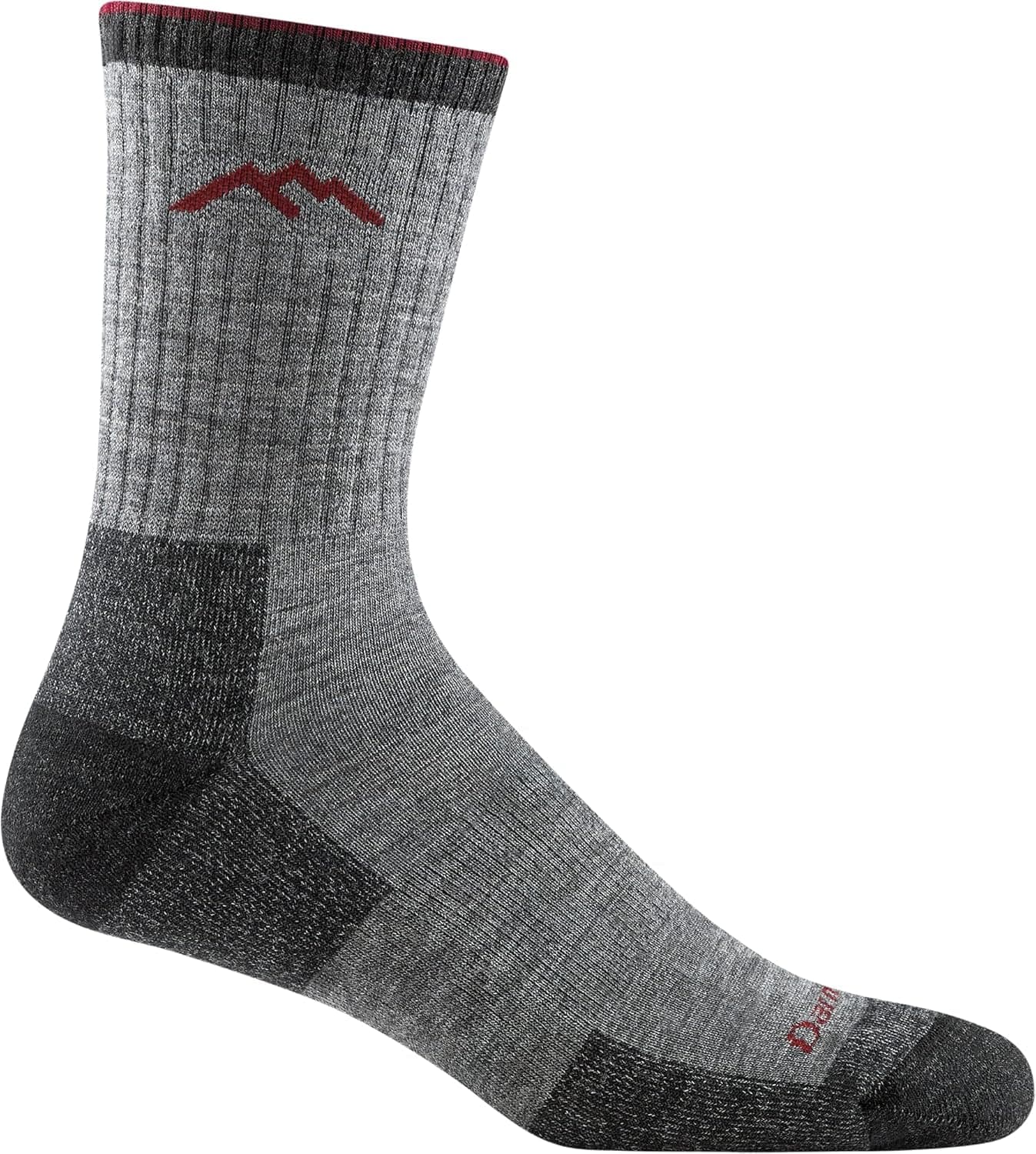
Darn Tough Hiker BootResearch-based
Hiker Boot Full Cushion Sock
Darn Tough's current Style 1405 is a midweight, boot-height sock with full-cushion terry loops from cuff to toe. It is the pick for ruckers wearing Salomon X Ultra, Merrell Moab, KEEN Targhee, or any boot that goes above the ankle.
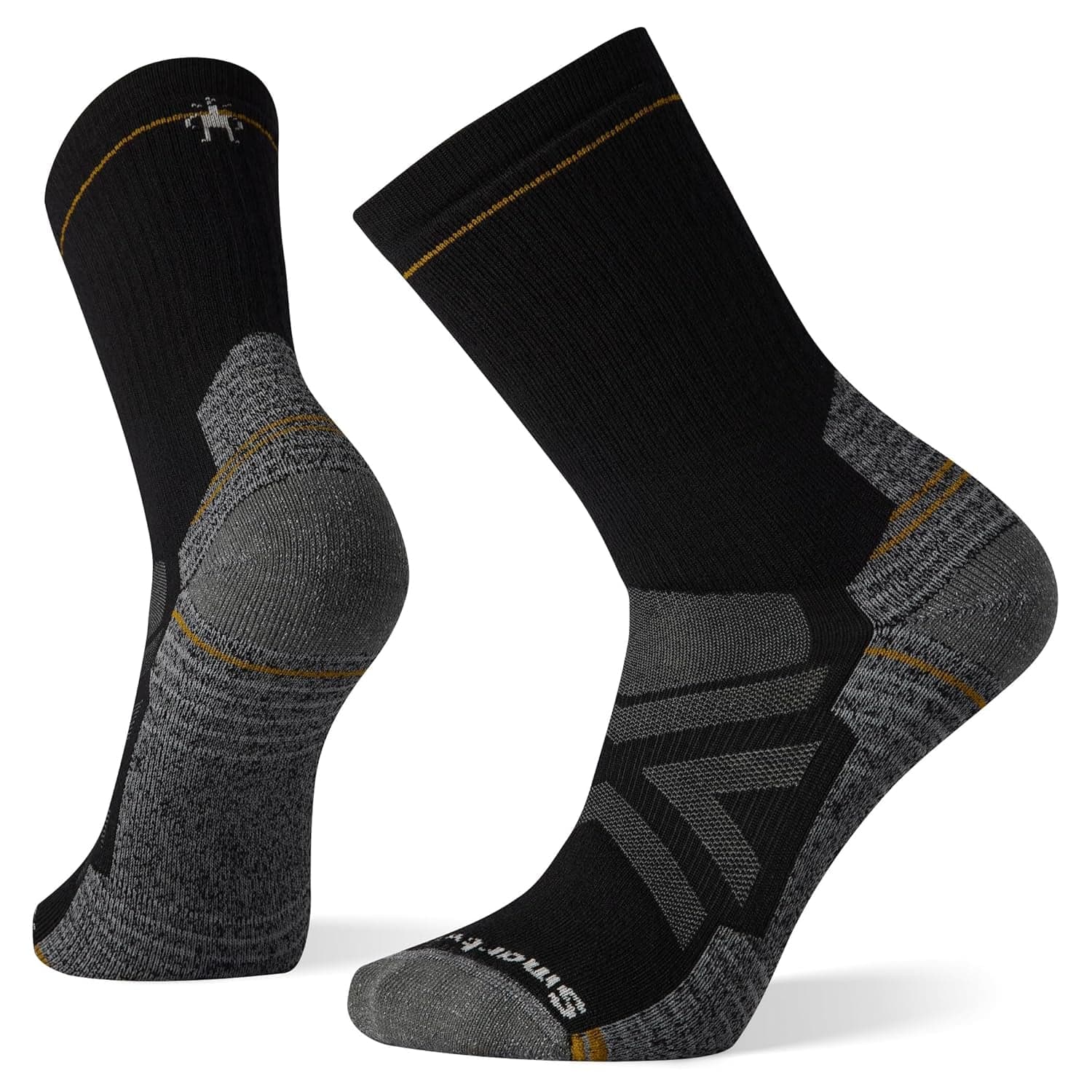
Smartwool Hike CrewResearch-based
Hike Full Cushion Crew
Smartwool's classic full-cushion crew sock, sold in direct men's/unisex and women's size ranges. The merino-heavy blend, flat-knit toe, and elasticized arch make it a practical daily-mileage option.
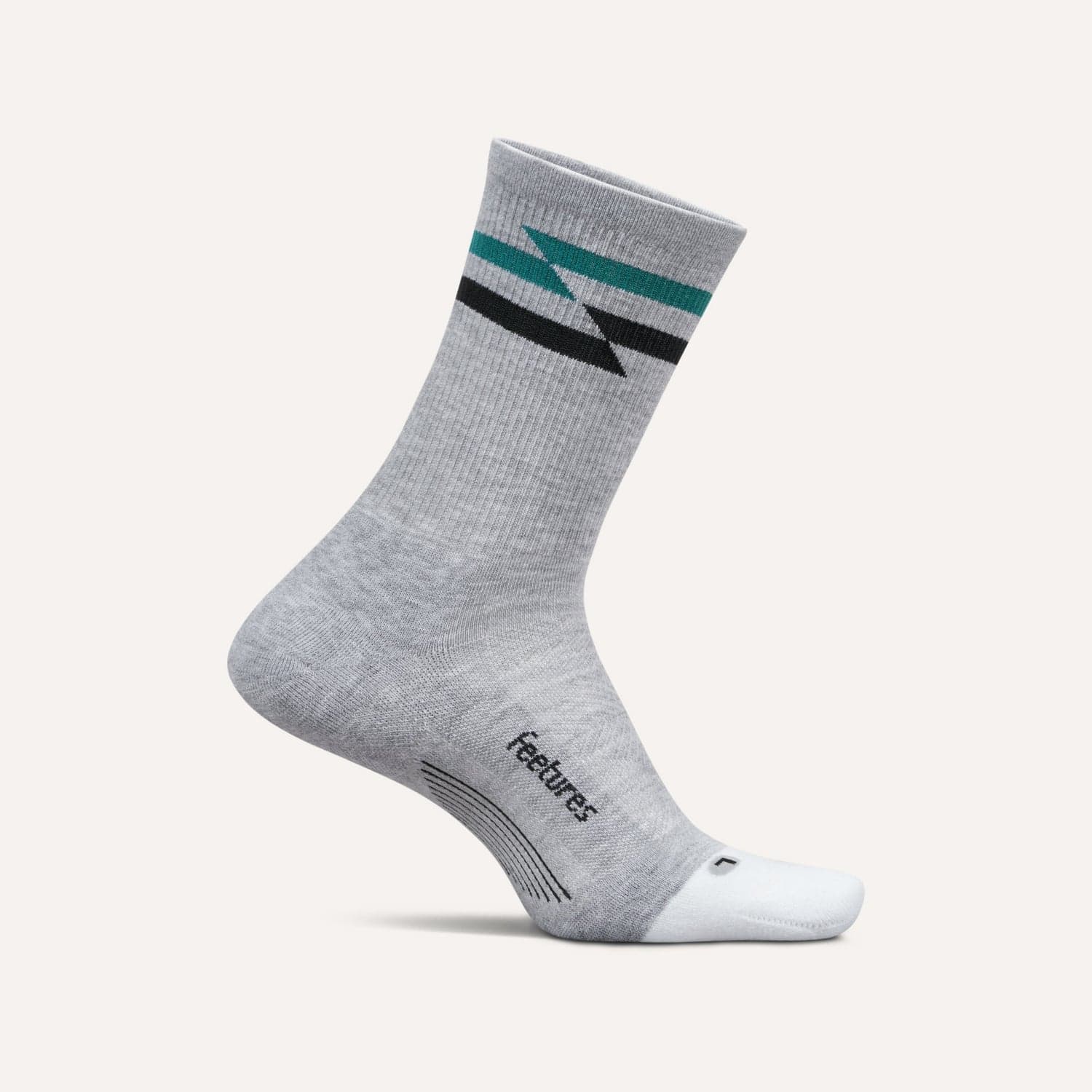
Feetures Elite MaxResearch-based
Elite Max Cushion Mini Crew
Targeted compression at the arch and ankle with max cushion in a synthetic, no-merino knit. The mini-crew height suits low shoes; pair it with a boot-height sock such as the Darn Tough Hiker Boot if you also wear hiking boots.
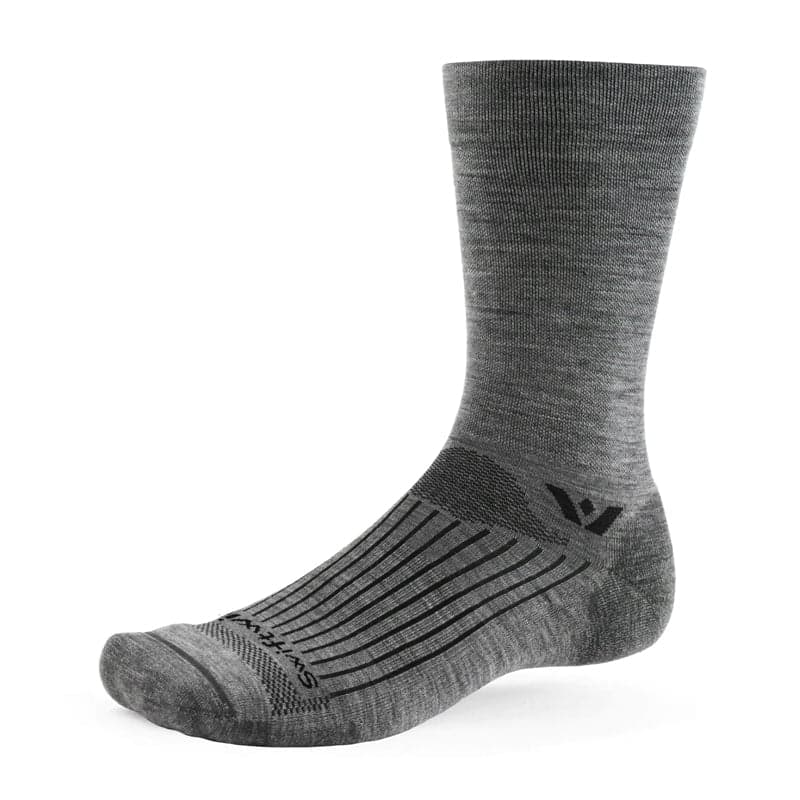
Swiftwick Pursuit SevenResearch-based
Pursuit Seven Crew
A USA-made merino blend (62% merino, 35% nylon, 3% spandex) with a 7-inch cuff and medium cushion, backed by Swiftwick's lifetime guarantee. A thinner profile than Darn Tough's boot socks.
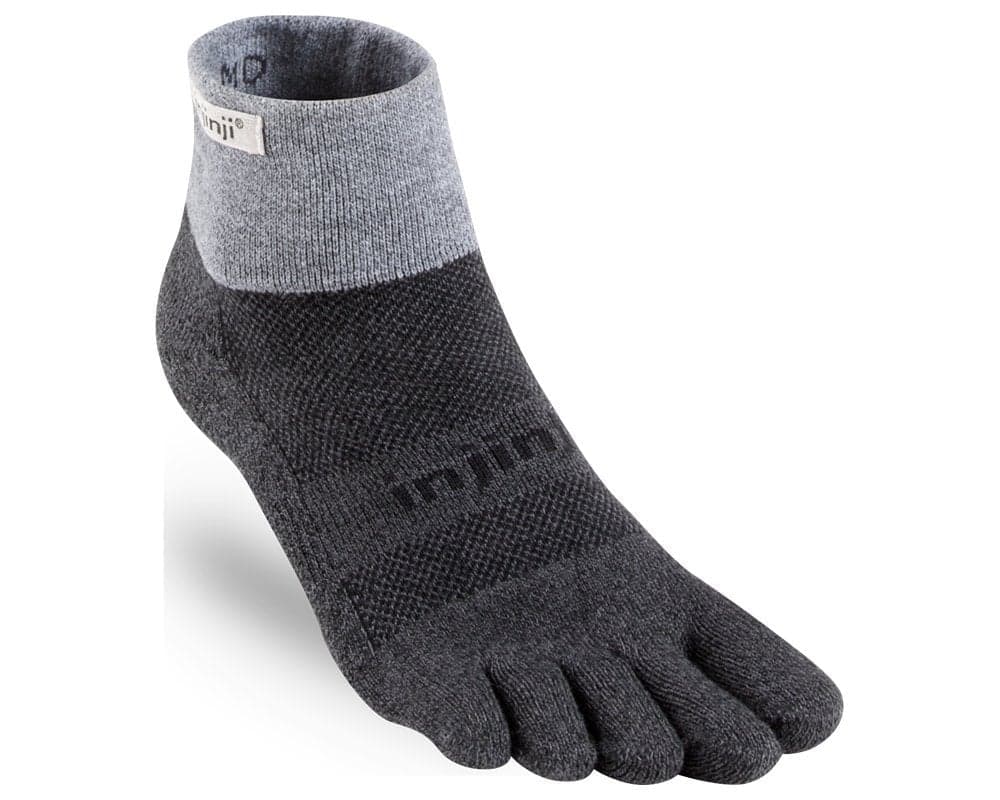
Injinji Trail MidweightResearch-based
Unisex Trail Midweight Crew Xtralife
Individual toe compartments separate the toes and may reduce skin-on-skin friction for some people. This synthetic (nylon and COOLMAX polyester), midweight crew sock can also serve as one layer in a two-sock setup. Test the fit before a long event; it does not prevent every blister.
What to Look For in a Rucking Sock
- A merino or technical synthetic blend
- Pure merino wears through quickly, so good hiking socks blend it with nylon and elastane for durability. Our default pick is 43% merino; a higher percentage is not automatically better, and well-made synthetics also keep cotton's moisture problem off your feet.
- Cushion at heel and ball of foot
- Concentrated cushion (not uniform across the sock) absorbs impact where it matters.
- Reinforced toe and heel
- These wear first, so reinforcement there is where durability is won or lost.
- Elastic arch support
- Keeps the sock from sliding inside the shoe. A sock that slips can create hot spots.
- Appropriate height
- Crew for low shoes, over-ankle for boots. The cuff should sit a couple of inches above the top of the shoe.
- Seamless or flat-seam toe
- A bulky toe seam can rub on long walks. Most technical hiking socks use a flat-knit or seamless toe; check the label.
What to Avoid
- Moisture-holding cotton blends
- Cotton holds moisture, and in the runner study cited above cotton socks produced more and larger blisters than acrylic ones. Test sock fit and fabric on a short route.
- Very thick socks
- Extra bulk crowds the shoe and can change the fit you sized for. Choose the cushion level you tried the shoes on with.
- Tube socks
- Without a shaped heel, they tend to slide and bunch inside the shoe.
- Medical compression socks
- They are built for circulation rather than loaded walking, so fit and cushioning may not suit a long ruck. Follow clinical advice if you wear them for a medical reason.
- Novelty socks
- Thin fashion socks rarely have the cushioning or reinforcement that loaded miles wear through.
The Two-Sock System (For Events)
A thin liner under an outer sock can move some friction between the layers instead of against the skin. In the Marine recruit study, the liner worked best paired with a thick, dense outer sock: the same liner under the standard military sock did not lower overall blister incidence, though it did cut the severe blisters that needed medical care. Some people prefer this setup on long events, while others find the extra layer too warm or tight. Test the full shoe-and-sock setup before an event; it does not eliminate every blister.
Sock Care for Longevity
- Wash cold, inside-out
- Preserves merino fibers and elastic.
- Follow the care label
- Heat is harder on elastic than air drying, so use the gentlest drying the label allows.
- Rotate if useful
- Extra pairs allow drying between wet or sweaty sessions, but there is no fixed lifespan multiplier.
- Replace when worn
- Flattened cushion, holes, slipping, or a changed fit are more useful signals than a universal mileage number.
- Use the warranty
- Darn Tough's unconditional lifetime guarantee covers worn-out pairs. Check the current terms before you submit a claim.
Side-by-Side Comparison
All picks at a glance - specs, ratings, and where to buy. How we rate →
| Product | Best For | Price | Our Rating | Buy |
|---|---|---|---|---|
| Ruckers who prefer a light-cushion merino blend and value a long warranty. | $25-50 | Shop at Amazon · $25-50 | |
| Ruckers wearing over-ankle hiking boots OR carrying 30+ lb loads regularly. | $25-50 | Shop at Amazon · $25-50 | |
| Ruckers who want a full-cushion merino crew with a direct size-specific buying path. | Under $25 | Shop at Amazon · Under $25 | |
| Ruckers who like compression socks, who also run marathons, or who prefer a tighter-fitting sock under low shoes. | Under $25 | Shop at Amazon · Under $25 | |
| Ruckers who want USA-made AND prefer thinner-cushion socks. Boot-height cuff fits hiking-boot setups. | Under $25 | Shop at Amazon · Under $25 | |
| Ruckers who repeatedly develop inter-toe friction or prefer toe socks and two-sock layering. | $25-50 | Shop at Amazon · $25-50 |
Choose Socks for Your Feet and Route
The Darn Tough Light Hiker is our general-purpose pick because it combines a 43% merino blend, light cushioning, and an unconditional lifetime guarantee. Confirm fit with one pair before buying more, and use your own hot-spot pattern to decide whether a different height, cushion, or toe design works better. Blisters that keep coming back, or foot pain that persists after a sock and shoe change, deserve a clinician's look.
Frequently Asked Questions
Yes, if they fit well, stay in place, and manage moisture on your route. Cotton blends may stay wet longer for some people, but no fabric predicts exactly when a blister will form. Test the setup on a short ruck first.
Often, but the merino percentage is not the reason. Our default pick is 43% merino, and two of the six picks here are fully synthetic. What you pay for with Darn Tough and Smartwool is knit quality, reinforcement where socks wear first, a consistent fit, and in Darn Tough's case an unconditional lifetime guarantee. A cheaper sock that fits well and stays put can work fine; judge it on a short ruck before trusting it with long miles.
Toe socks are optional. They may help someone who repeatedly develops friction between the toes, but fit and comfort vary. Test them on a short route before relying on them for a long event.
Replace them when cushioning flattens, holes appear, elastic no longer holds, or the fit changes. Mileage varies with fabric, care, footwear, gait, and conditions.
Most liners are designed to sit beneath an outer sock and may feel too thin alone. Follow the product's intended use and test the combination inside your shoes before a long ruck.
Trail runners (Saucony Peregrine, Salomon XA Pro, Hoka Speedgoat): crew or micro-crew (Darn Tough Light Hiker). Over-ankle hiking shoes (Merrell Moab Mid, Salomon X Ultra 4 Mid, KEEN Targhee): crew or over-ankle (Darn Tough Hiker Boot or Swiftwick Pursuit Seven). The cuff should sit a couple of inches above the top of the shoe to prevent sock-top rub.
It can. A thick full-cushion sock takes up more room than a light one, so a shoe that fits in thin socks may feel snug in thick ones. Try shoes on with the socks you plan to ruck in, ideally later in the day when your feet have swollen a little. Sizing varies by model and foot shape, so there is no reliable universal half-size rule; let the fit decide.
If blisters keep returning in the same spot despite changes to socks, shoes and lacing, or if foot pain persists, see a clinician such as a podiatrist or physical therapist. This guide is general information about gear, not medical advice.
Related Articles

Best Compression Gear for Rucking: Socks, Sleeves & Recovery
Compression socks, knee and calf sleeves and recovery gear for ruckers, with what the soreness and recovery studies found and our picks at every price point.

A Complete Rucking Starter Kit for Under $50
You can start rucking with a pack you already own, play sand in freezer bags and one good pair of merino socks. What to buy first, what to skip and when to upgrade.
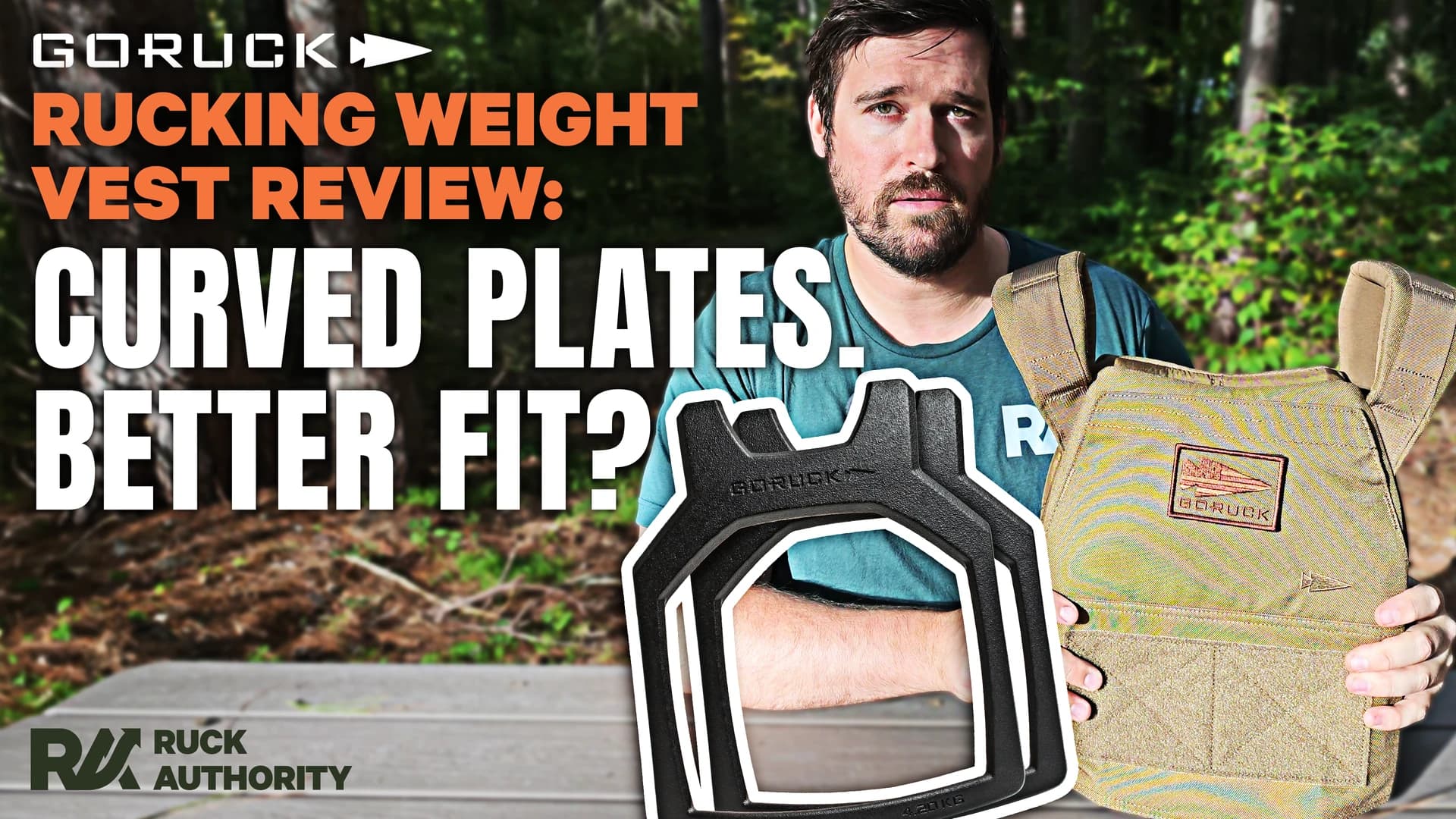
GORUCK Rucking Weight Vest Review: Three Weeks at 20 lb
My GORUCK Rucking Weight Vest review after three weeks at 20 lb: secure curved plates, L/XL fit limits, phone pocket, heat and plate installation.

Best Rucking Gear 2026: Top Picks by Category
Our top rucking pick in every category for 2026: pack, plate, trail shoe, socks, a budget setup and women's gear, with links to the full guide behind each pick.