Gear Review
6 GPS Watches Ranked for Rucking
The 6 best GPS watches for rucking, from lightweight value picks to premium navigation watches. Real specs, honest battery-life caveats, and which one is actually worth your money.

On this page9 sections
- Why Track Your Rucks?
- Budget Tiers
- Full Watch Reviews
- Garmin Instinct 3 Solar
- COROS PACE 4
- Garmin Fenix 8 AMOLED
- Garmin Forerunner 265
- Suunto Vertical 2
- Apple Watch Ultra 3
- How We Pick
- What actually matters in a ruck...
- Battery Math for Long Rucks and...
- Getting Load-Aware Numbers Out...
- Choose the Watch You'll Use
- FAQ
- Best overall: Garmin Instinct 3 Solar. Solar assist, rugged build, built-in flashlight.
- Best value: COROS PACE 4. 41-hour GPS, dual-frequency accuracy, and 32g with the nylon band.
- Premium pick: Garmin Fenix 8 AMOLED. Offline topo maps, bright display, 48-hour GPS.
- Best for iPhone: Apple Watch Ultra 3. Excellent smartwatch features, but dedicated outdoor watches remain easier to manage for long events.
What a GPS Watch Adds
A GPS watch turns a ruck into a training record. It can capture distance, pace, elevation, and heart-rate trends so you can compare sessions over time. Calorie figures remain estimates, especially when the watch does not account for pack weight.
The GPS watch market is crowded, and most buying guides are written for runners. We focused on the details that matter under a loaded pack: battery in the selected GPS mode, track quality under cover, controls, durability, navigation, and weight on the wrist during long carries.
Shopping a watch for general trail and hiking use rather than loaded carries? Our sister site Kit Authority's GPS watches for hiking guide covers that side.
The Three Budget Tiers
Accurate dual-frequency GPS, long battery, lightweight design. Everything you need to track rucks without the Garmin price tag.
Rugged build, solar charging or AMOLED display, multi-band GPS, and ecosystem depth. The sweet spot for most ruckers.
Offline topo maps, extreme battery life, premium materials. For trail navigators, ultra-distance events, and gear enthusiasts.
Head-to-Head: Top Alternatives
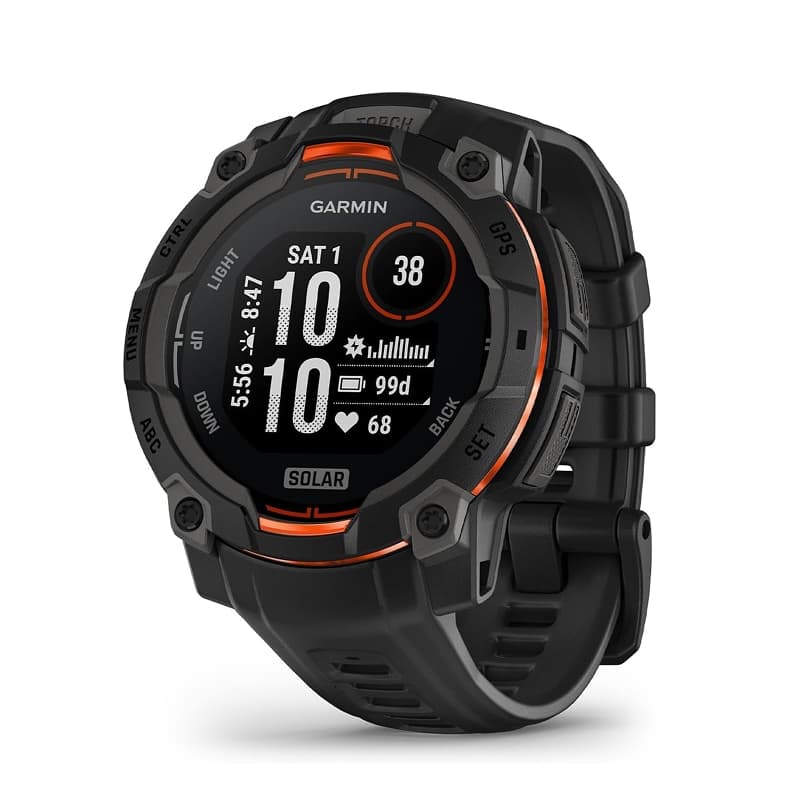
Garmin Instinct 3Research-based
Instinct 3 Solar (45mm)
Rugged solar-charging GPS watch with unlimited battery life in smartwatch mode, multi-band GPS, built-in flashlight, and ABC sensors. The toughest watch on this list at a mid-range price.
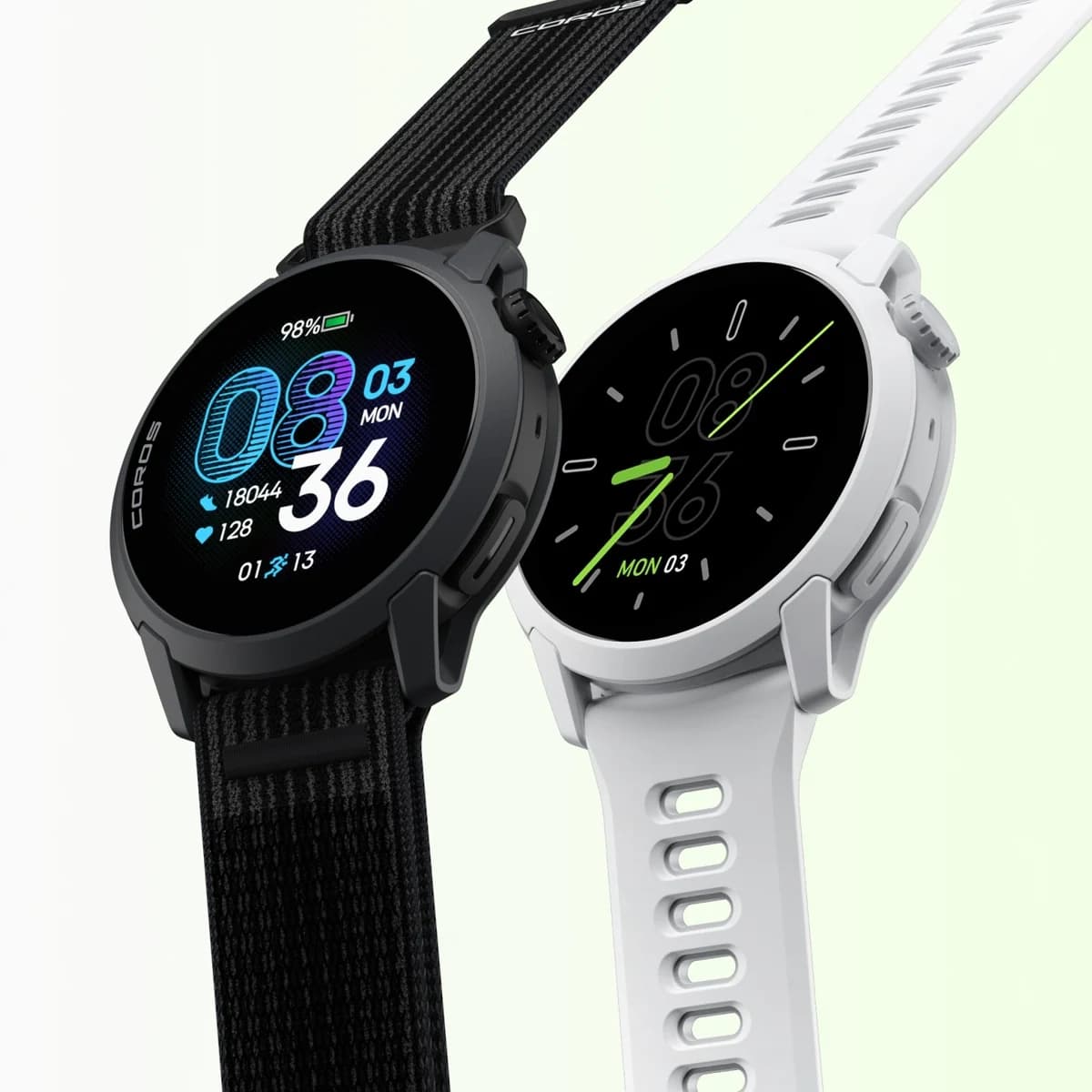
COROS PACE 4Research-based
PACE 4
Ultralight AMOLED GPS watch with dual-frequency GPS, 41 hours of GPS battery, and an approachable price. The best entry point for ruckers who want accurate tracking without spending Garmin money - now with a sharp AMOLED touchscreen, an action button, and a built-in mic.
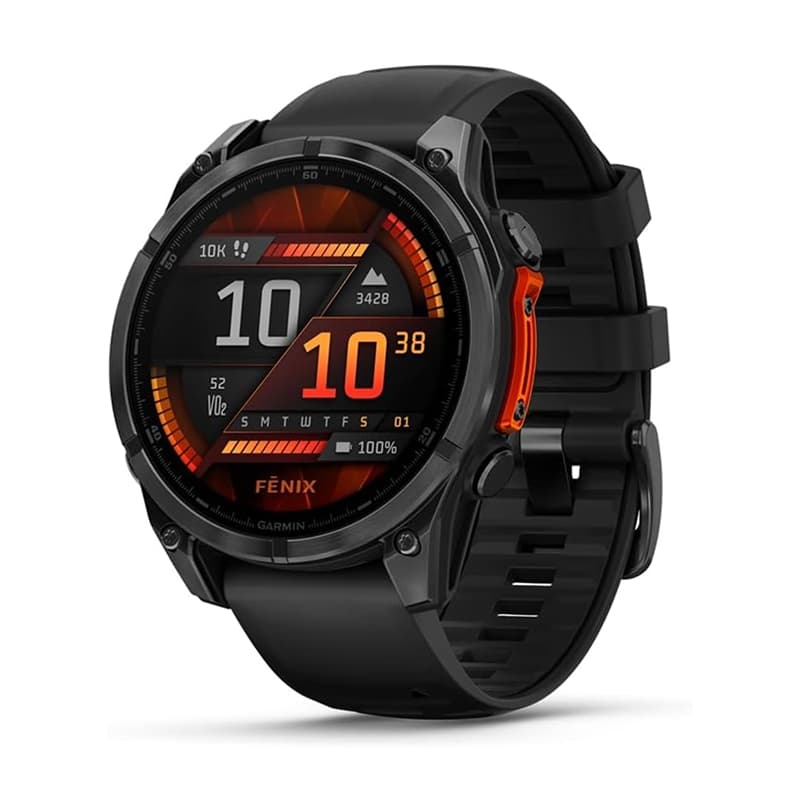
Garmin Fenix 8Research-based
fenix 8 AMOLED (47mm)
Garmin's flagship multisport watch with a brilliant AMOLED display, offline topo maps, LED flashlight, and up to 48 hours of GPS tracking. The best GPS watch money can buy if budget isn't a constraint.
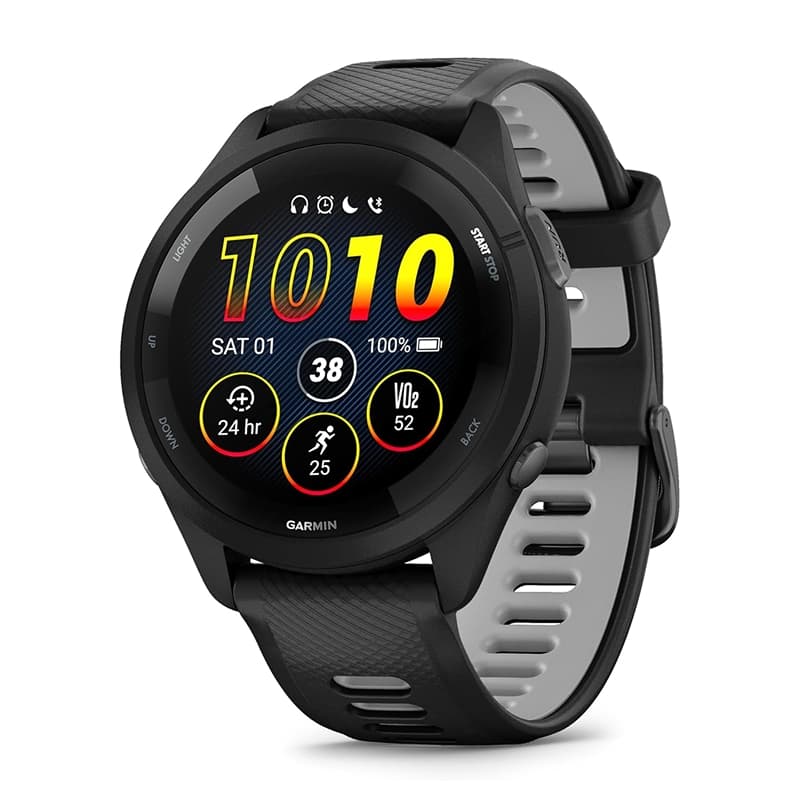
Forerunner 265Research-based
Forerunner 265
Garmin's best fitness-focused GPS watch with a vivid AMOLED display, detailed training metrics, recovery insights, and music storage. Ideal if rucking is part of a broader fitness routine.
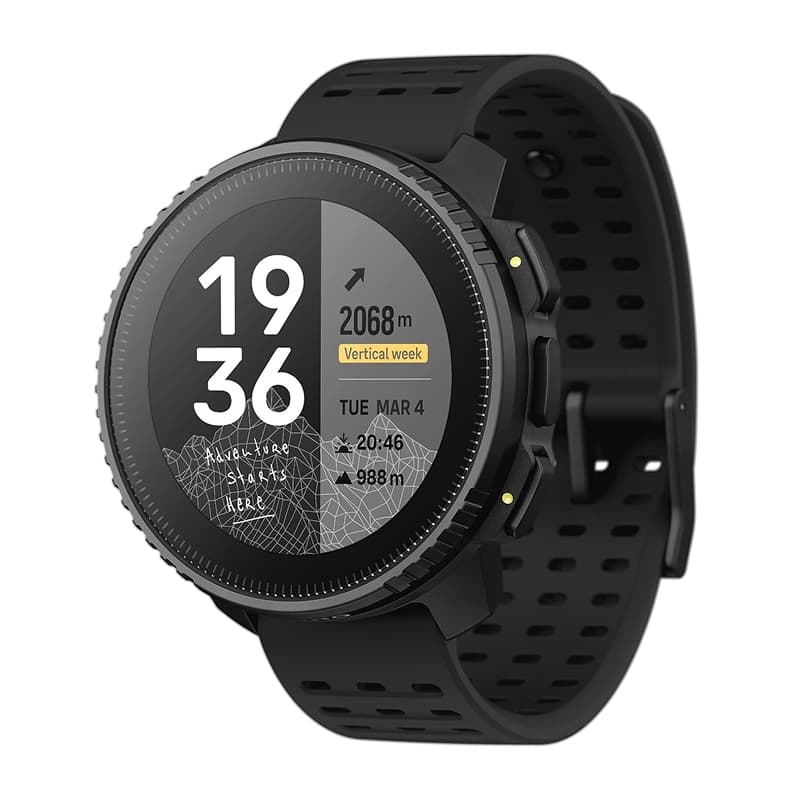
Suunto Vertical 2Research-based
Vertical 2
Expedition-grade GPS watch built for multi-day rucks and long-distance events where charging isn't an option. The Vertical 2 swaps the original's MIP screen for a bright 1.5" AMOLED and adds a built-in flashlight, offline topo maps, and full multi-band GNSS.
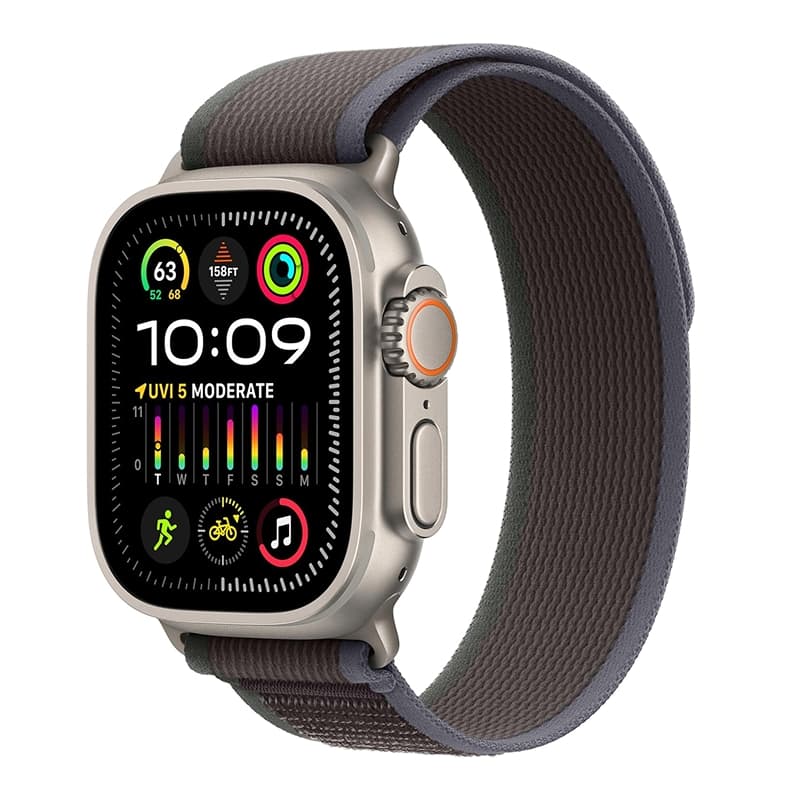
Apple Watch Ultra 3Research-based
Apple Watch Ultra 3
Apple's most rugged smartwatch, now with satellite messaging, 5G, a bigger LTPO3 display, and deep iPhone integration. The best option for ruckers already invested in the Apple ecosystem.
Which GPS Watch Should You Buy for Rucking?
Six watches, six different answers depending on what your rucking actually looks like. The short version: match the watch to your longest regular session and the phone in your pocket, not to the spec sheet.
- Choose the Garmin Instinct 3 Solar
- if you want one watch that survives everything. Multi-week battery, real buttons that work with gloves, and enough accuracy under tree cover for any training plan. This is the default answer for most ruckers.
- Choose the COROS PACE 4
- if you want an ultralight AMOLED watch with dual-frequency GPS and 41 hours of standard GPS tracking. It gives up offline maps and some ruggedness, not measurement quality. The right first GPS watch.
- Choose the Garmin Forerunner 265
- if rucking is one part of a broader training week. Training load, recovery guidance, and structured workouts are its actual job; rucking benefits from all of it.
- Choose the Suunto Vertical 2
- if your sessions run long and remote. Battery is the headline, and the build matches multi-hour carries in real weather.
- Choose the Apple Watch Ultra 3
- if you live on iPhone and want one watch for everything. Its screen and app ecosystem are the draw; compare its GPS-mode endurance with the length of your usual rucks.
- Choose the Garmin Fenix 8 AMOLED
- if you want maps on the wrist, premium materials, and a broad outdoor feature set. The Instinct covers the core rucking job for less; the Fenix earns its price through navigation and extras.
What to Look For in a GPS Watch for Rucking
Rucking asks different questions of a watch than running does. Sessions run longer, they happen under load, and a lot of them go through terrain that punishes both the GPS antenna and the case.
- GPS battery under continuous tracking
- Use the manufacturer's estimate for the exact satellite and display mode you plan to run, not the smartwatch-mode headline. Leave enough margin for navigation, sensors, temperature, display use, and a session that runs long.
- Multi-band (dual-frequency) GPS
- Multi-band reception can improve tracks under tree cover and beside tall buildings, but it also uses more battery. Prioritize it for difficult terrain and dense urban routes; it is less important for open-sky loops.
- Buttons over touchscreen
- Sweat, rain, and gloves defeat touchscreens. Physical buttons are why field-focused watches keep them. If you ruck year-round, this is a bigger daily annoyance than any spec.
- Weight and case comfort under a strap
- A heavy steel case rides differently when your arm is swinging with 30 lb on your back. Lighter polymer cases like the Instinct's are more comfortable at hour three than premium metal.
- Honest calorie expectations
- A watch can estimate effort from your profile, movement, heart rate, and activity type, but pack weight is not consistently included in the calorie calculation. Use the watch for trends and cross-check calories with a load-aware tool such as our rucking calorie calculator.
How We Picked These Watches
This is a spec-based buyer's guide, not a lab test. We compared current manufacturer specifications and support documents, exact product availability, navigation and control options, and clearly labeled external evidence.
Rucking puts different demands on a GPS watch than running or cycling. We gave extra weight to battery in active GPS modes, track quality under cover, physical controls, durability, comfort, and useful navigation.
What actually matters in a rucking GPS watch
Before we get into individual watches, here's what to prioritize. The feature list that matters for rucking is different from running or cycling.
- GPS battery life under load
- Official battery numbers vary by display behavior, satellite mode, navigation, connected sensors, temperature, and other settings. Start with the estimate for the mode you will actually use, then leave margin beyond your longest planned session.
- Multi-band / dual-frequency GPS
- Dual-frequency reception can improve tracks under tree cover and between tall buildings, with a battery cost. It is worth prioritizing for difficult terrain and dense urban routes, but it is not mandatory for an open-sky training loop.
- Durability
- You're sweating, you're carrying weight, your wrist is flexing under load. The watch needs to handle moisture, impact, and temperature swings. Look for 10 ATM water resistance (good for rain and sweat), metal or reinforced bezels, and scratch-resistant glass (sapphire is best, Gorilla Glass is fine).
- Weight
- A heavy watch becomes noticeable over a 2-hour ruck. The difference between the COROS PACE 4 at 32g with a nylon band and the Suunto Vertical 2 at 74g is real when your wrist is swinging under load for an hour.
- Heart rate under load
- Wrist-based optical HR sensors can struggle when your wrist muscles are flexed, your band is loose, or your watch is bouncing on a sweaty wrist. If HR precision matters to you for calories or zone training, pair the watch with a chest strap instead of treating wrist HR as perfect.
<ProTip> Don't pay for features you won't use. If you ruck the same three or four routes and do not need offline maps, the COROS PACE 4 gives you dual-frequency GPS and breadcrumb navigation without moving into the premium tier. Full maps and advanced navigation matter most on unfamiliar trails. </ProTip>
Battery Math for Long Rucks and Events
Manufacturers publish several battery estimates. Use the number for the exact GPS, display, and navigation mode you plan to run, then leave margin for sensors, temperature, and a session that runs longer than expected.
- Budget by hours, not miles
- At a 17 minute per mile pace a 12 mile ruck is over three hours. A GORUCK event can run twelve or more. Match the watch to your longest planned day, not your average one.
- Multi-band GPS costs you
- Dual-frequency tracking is meaningfully more accurate under tree cover and between buildings, and it drains the battery faster than standard GPS. Most watches let you switch per activity, so save it for the sessions where the track matters.
- Cold cuts it further
- Lithium cells lose capacity in the cold. A winter ruck can return well under the rated GPS hours, which is worth knowing before a long day in freezing weather rather than at mile nine.
- Solar helps, slowly
- Solar charging extends runtime on long, genuinely sunny days. It is a buffer on a big effort, not a reason to skip charging the night before.
Getting Load-Aware Numbers Out of a Watch
Garmin offers a native Rucking activity on supported watches, with availability depending on the exact device and software version. Garmin also notes that recording pack weight on most devices does not change calories, training load, or other metrics, so the load field is useful context rather than a guarantee of load-aware calorie math.
- Use the rucking profile if you have one
- Record the actual pack weight for context, but do not assume that entering it changes the watch's calorie or training-load calculation.
- Otherwise record it as a hike
- A hike profile keeps the route, pace, elevation, and heart-rate record together. Treat its calorie number as an estimate rather than an exact load-aware result.
- Add a compatible chest strap when precision matters
- Motion, fit, temperature, and wrist position can affect optical heart-rate readings. A chest strap is useful for sessions where heart-rate precision matters, but it is not required for every ruck.
- Cross-check the burn separately
- Load-aware equations account for what a wrist estimate cannot see. Treat the watch as your pace and route record, and get the calorie figure somewhere that knows about the pack.
For a load-aware burn estimate built on the Pandolf equation rather than a wrist sensor, use the calorie calculator →
Side-by-Side Comparison
All picks at a glance - specs, ratings, and where to buy. How we rate →
| Product | Best For | Price | Our Rating | Buy |
|---|---|---|---|---|
| The best all-around GPS watch for ruckers. Solar charging means you never worry about battery during multi-day events, the rugged build handles abuse, and the flashlight is genuinely useful for pre-dawn rucks. | $150-300 | Shop at Amazon · $150-300 | |
| Budget-conscious ruckers who want accurate GPS tracking and great battery life without the Garmin price tag. The ultralight weight makes it comfortable for all-day wear and long rucks. | $150-300 | Shop at Amazon · $150-300 | |
| Ruckers who want the absolute best GPS watch and don't mind paying for it. The offline maps alone justify it for trail ruckers who navigate unfamiliar routes. Also great if your watch doubles as a daily smartwatch. | $500-1000 | Shop at Amazon · $500-1000 | |
| Ruckers who also run, cycle, or do gym work and want one watch that tracks everything beautifully. The training metrics are the best available, and the AMOLED screen makes data easy to read mid-ruck. | $300-500 | Shop at Amazon · $300-500 | |
| Ultra-distance ruckers and event participants who need a watch that won't die. If you do 24-hour events, multi-day Star Course, or just hate charging, the Vertical 2's expedition battery is built for it. | $500-1000 | Shop at Amazon · $500-1000 | |
| iPhone users who want a daily smartwatch that also tracks rucks. If your rucks are under 3 hours and you value phone integration over battery life, this works. For long events or multi-day rucks, look elsewhere. | $500-1000 | Shop at Apple · $500-1000 |
Choose the Watch You'll Use
The Garmin Instinct 3 Solar is the best GPS watch for most ruckers because it combines a rugged build, physical controls, a flashlight, and long GPS endurance without entering the premium tier. The COROS PACE 4 is the lower-cost, lighter alternative with an AMOLED screen, dual-frequency GPS, and 41 hours of all-systems tracking. Move up to the Fenix 8 or Suunto Vertical 2 when maps, premium materials, or longer remote sessions justify the cost. Choose the Apple Watch Ultra 3 when iPhone integration matters as much as outdoor tracking.
Frequently Asked Questions
No. Your phone with a free app like Strava tracks distance and route just fine. A GPS watch is a convenience upgrade - glanceable data, better accuracy, no phone battery drain. It becomes more valuable once you're training with specific pace or heart rate targets.
Garmin offers a native Rucking activity on supported watches. Availability can change by device and software version, so check Garmin's compatibility information for the exact model. Garmin says pack weight recorded on most devices does not change calories, training load, or other metrics.
Wrist readings can be useful for trends, but motion, fit, skin contact, temperature, and gripping poles can affect them. Follow the manufacturer's fit guidance and use a compatible chest strap when heart-rate precision matters. A consumer watch is not a clinical device.
Match the estimate for your chosen satellite and display mode to your longest planned session, then leave margin. Around 20 hours can comfortably cover regular 1-3 hour rucks; longer events call for more headroom. Navigation, multi-band GPS, connected sensors, cold, and display settings can all reduce runtime.
If ruggedness and solar charging matter: Instinct 3 Solar. If budget and weight matter: COROS PACE 4. The COROS actually has longer GPS battery (41 vs 35 hours) and is lighter (40g vs 53g), with an AMOLED screen. The Instinct wins on durability, flashlight, and 10 ATM water resistance.
It can be if you will use offline maps, premium materials, and its broader outdoor feature set. If you ruck familiar routes and mainly need pace, distance, heart rate, and long battery life, the Instinct 3 Solar covers the core job for less.
Related Articles
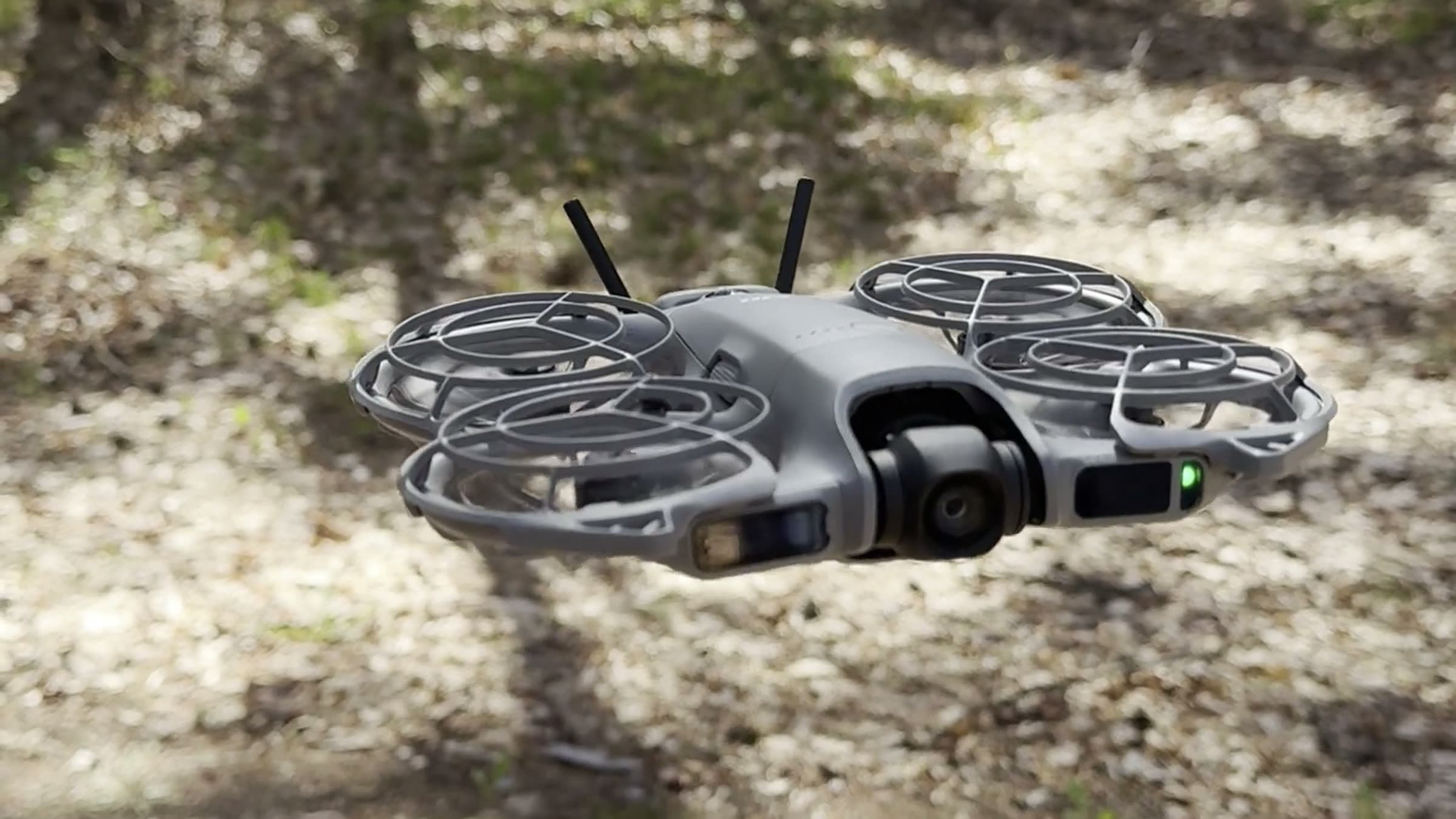
Best Follow Drones for Rucking in 2026
The DJI Neo 2 ($299) is the first follow drone priced like an impulse buy that actually tracks a moving rucker. Compared to the HoverAir X1 Pro and DJI Mini 5 Pro, with real Wisconsin trail footage.
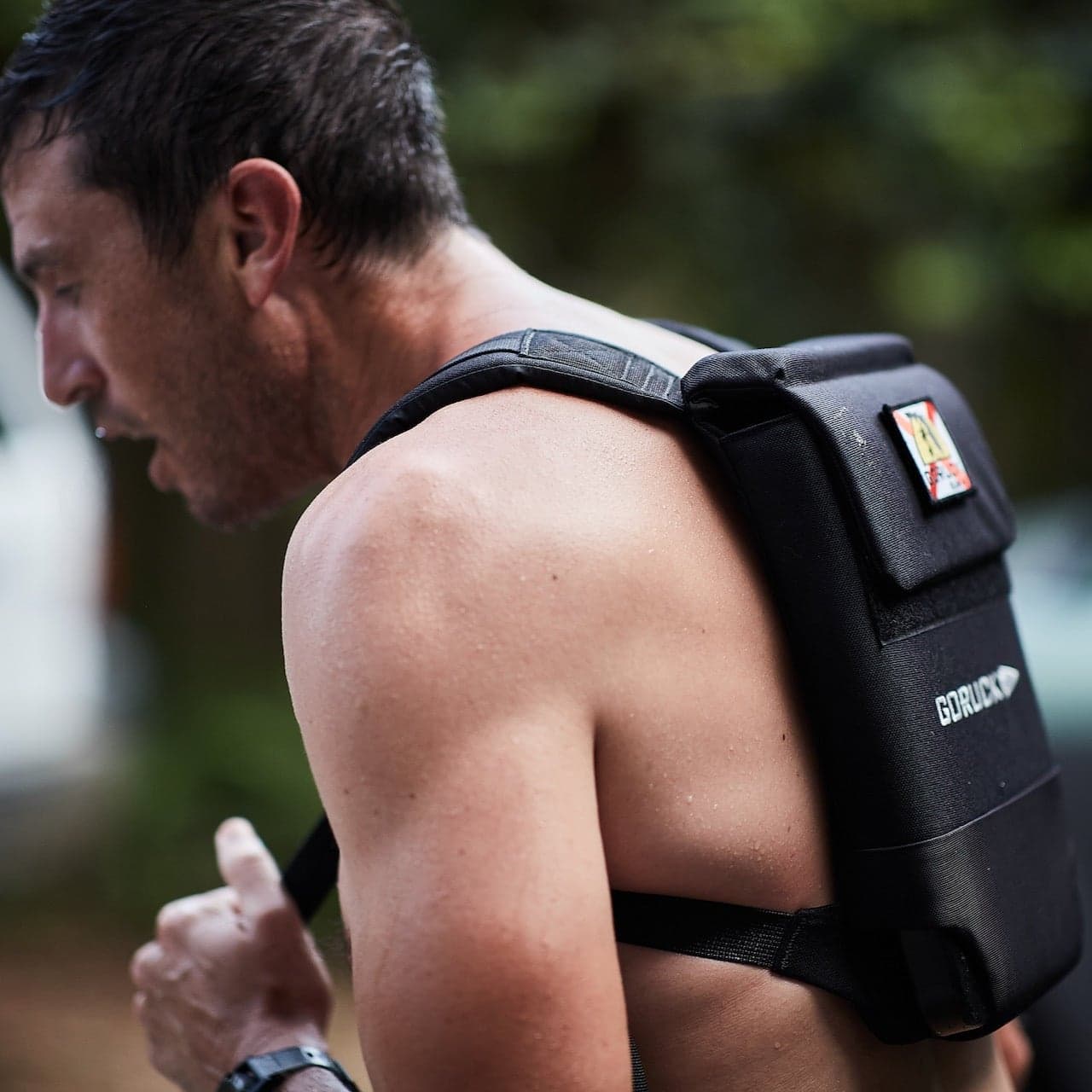
GORUCK Ruck Plate Carrier 3.0 vs Rucker 5.0
Compare the GORUCK RPC 3.0 and Rucker 5.0 for plate fit, water and gear storage, sizing, and event use. Choose around what you actually carry.

Best Ruck Plates 2026: Match the Plate to the Pocket
Compare GORUCK Standard and Long plates, Rogue vest pairs, Yes4All and flexible weights by dimensions, retention and the pack you own.
GORUCK Rucker 5.0 vs 4.0: Should You Upgrade?
What changed from the GORUCK Rucker 4.0 to the 5.0, what the new lumbar pad and magnetic pockets felt like on my back, and who should upgrade.