Gear Review
Best Ruck Plates 2026: Match the Plate to the Pocket
Compare GORUCK Standard and Long plates, Rogue vest pairs, Yes4All and flexible weights by dimensions, retention and the pack you own.

On this page16 sections
- What We Compared
- Single, Pair or Flexible
- Comparison Table
- Six Plate Options
- GORUCK Ruck Plates
- Hyperwear FlexLoad
- Rogue Echo Plates
- Yes4All 10 lb Pair (Best Budget)
- Yes4All Cast Iron 20 lb
- Wolf Tactical Curved Plates
- Best Plate for GORUCK Packs
- Our Pick by Use Case
- GORUCK Event Weights
- How to Stop Plate Shift
- Also Considered
- Do You Need a Plate?
- Weight Positioning
- Plate Compatibility Guide
- DIY Alternatives
- Which Plate Should You Buy?
- Choose a Plate for Your Pack
- FAQ
- GORUCK Standard plates are 9 × 11.5 inches; Long plates are 9.5 × 15 inches. The Basic Rucker takes Standard.
- The same 30 lb weight is sold in both GORUCK formats. Match the named pocket, not just the weight.
- Rogue Echo is sold as pairs: two 10 lb plates total 20 lb; two 20 lb plates total 40 lb.
- Yes4All 20 lb Long is too tall for the Basic Rucker pocket. Flexible sleeves also have fixed dimensions.
- Event weight comes from the specific packing list; the event name does not establish a required plate brand.
Check the Plate Format Before the Weight
For a Basic Rucker, start with a GORUCK Standard plate. For a Rucker 5.0, choose Standard or Long to match the pocket you will use. The same 30 lb weight is sold in both shapes. Buying the right weight in the wrong shape is an expensive way to discover that distinction.
A conventional backpack, an open GR1 sleeve and a front-and-back weight vest need different retention. Below, we compare the six product entries we currently carry, including single plates, pairs and flexible weights. The table separates their footprints and buying limits instead of assigning untested durability scores.
This is a research-based buying guide, not a completed hands-on comparison. Manufacturer dimensions establish likely fit; they do not prove that a third-party plate stays secure in your particular bag.
Specifications checked September 14, 2026: GORUCK plates, Ruck Plate Carrier, Rogue Echo, Hyperwear FlexLoad, and Ruckercise’s Yes4All listing.
Disclosure: Wolf Tactical pays Ruck Authority a higher commission on its own gear through Amazon's Creator Connections program, which is why it appears in this guide. We have not tested it - the specs below come from the manufacturer's listing, and each entry says so.
Single Plate, Pair or Flexible Weight
A single plate is the straightforward choice when the pocket closes around it. Standard and Long are different footprints, even at the same weight.
Vest pairs split weight between front and back. In a backpack, two plates need enough depth and restraint for both; a 20 lb total is not automatically interchangeable with one 20 lb plate.
FlexLoad uses removable half-pound weights. Its fabric sleeve still has a defined footprint, so measure it rather than assuming flexibility means universal fit.
Plate Footprints and Fit Limits
| Plate / weight | What you buy | Published footprint | Fit check that matters |
|---|---|---|---|
| GORUCK Ruck Plates | Single; Standard or Long | Standard: 9 × 11.5 in; Long: 9.5 × 15 in | Match the named pocket format; 30 lb exists in both |
| Hyperwear FlexLoad | 6, 9 or 10 lb; singles and pairs | 12.25 in high; 9.80–10.50 in wide by size | Too tall for a Basic Rucker’s listed 11.5 in plate pocket |
| Rogue Echo | Two 5, two 10 or two 20 lb plates | About 9.3 × 11.3 in; double-curved | Vest-shaped; width and curvature differ from Standard GORUCK |
| Yes4All 10 lb pair | Two separate plates; 20 lb total | Check both plates and combined thickness | Do not infer a secure stacked fit from total weight |
| Yes4All 20 lb Long | Single 20 lb plate | 6 7/8 × 14 13/16 in; 7/8 in thick | Longer than the Basic Rucker pocket; needs side restraint in a wider sleeve |
| Wolf Tactical curved plates | Selected weight-vest pair | Check the selected pair’s published size | A vest option; not a claimed GORUCK Standard replacement |
Head-to-Head: Top Alternatives

GORUCKResearch-based
GORUCK Ruck Plates
Powder-coated ductile-iron plates in Standard and Long formats. Standard has a 9 by 11.5 inch footprint; Long uses 9.5 by 15 inches. Match the variant to the pocket before selecting the weight.
Hyperwear FlexLoadResearch-based
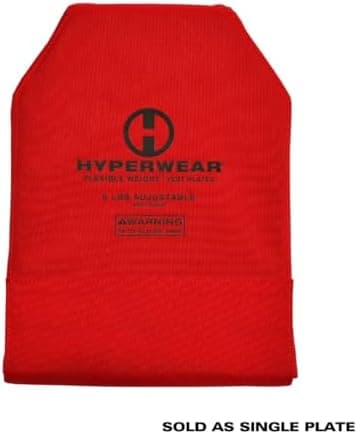
FlexLoad Adjustable Rucking Weights
Flexible sleeves with removable half-pound steel-shot weights. Each sleeve has a defined footprint: 12.25 inches high, with width varying by capacity. Measure the bag and secure the load; flexibility does not guarantee a fit in every pack.
Rogue EchoResearch-based
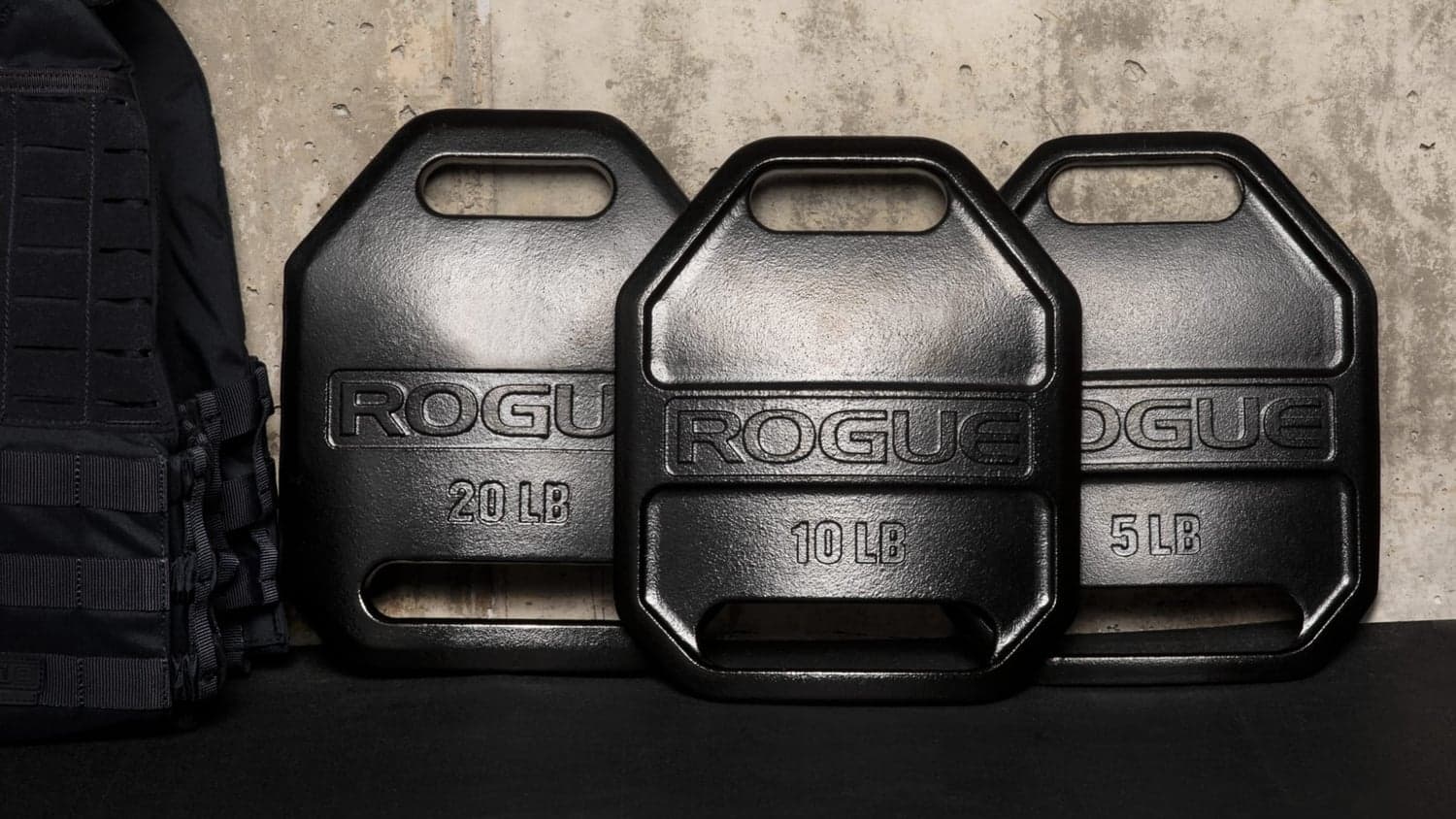
Rogue Echo Weight Vest Plates
Double-curved E-Coat plates sold in 5, 10, and 20 pound pairs. Rogue lists them for its own carriers, the 5.11 TacTec, and other vests with compatible pockets.
Yes4All pairResearch-based
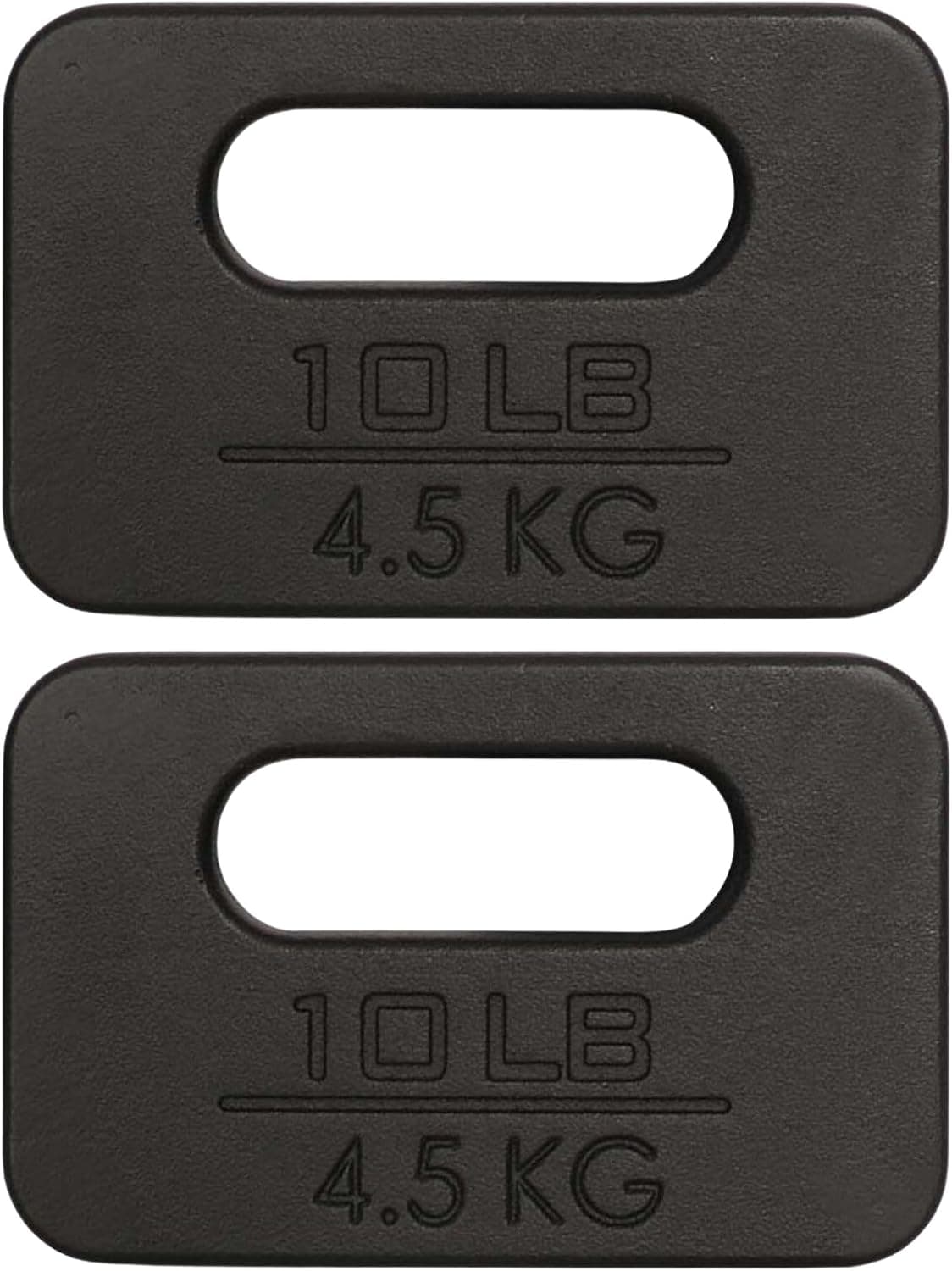
Yes4All Cast Iron Rucking Weight 10 lb Pair (20 lb total)
The same Yes4All cast-iron rucking weight as our 20 lb budget pick, sold as a pair of 10 lb plates. Same rounded edges, same handles, 20 lb of total load, and a beginner can start with one plate and add the second.
Yes4All 20Research-based
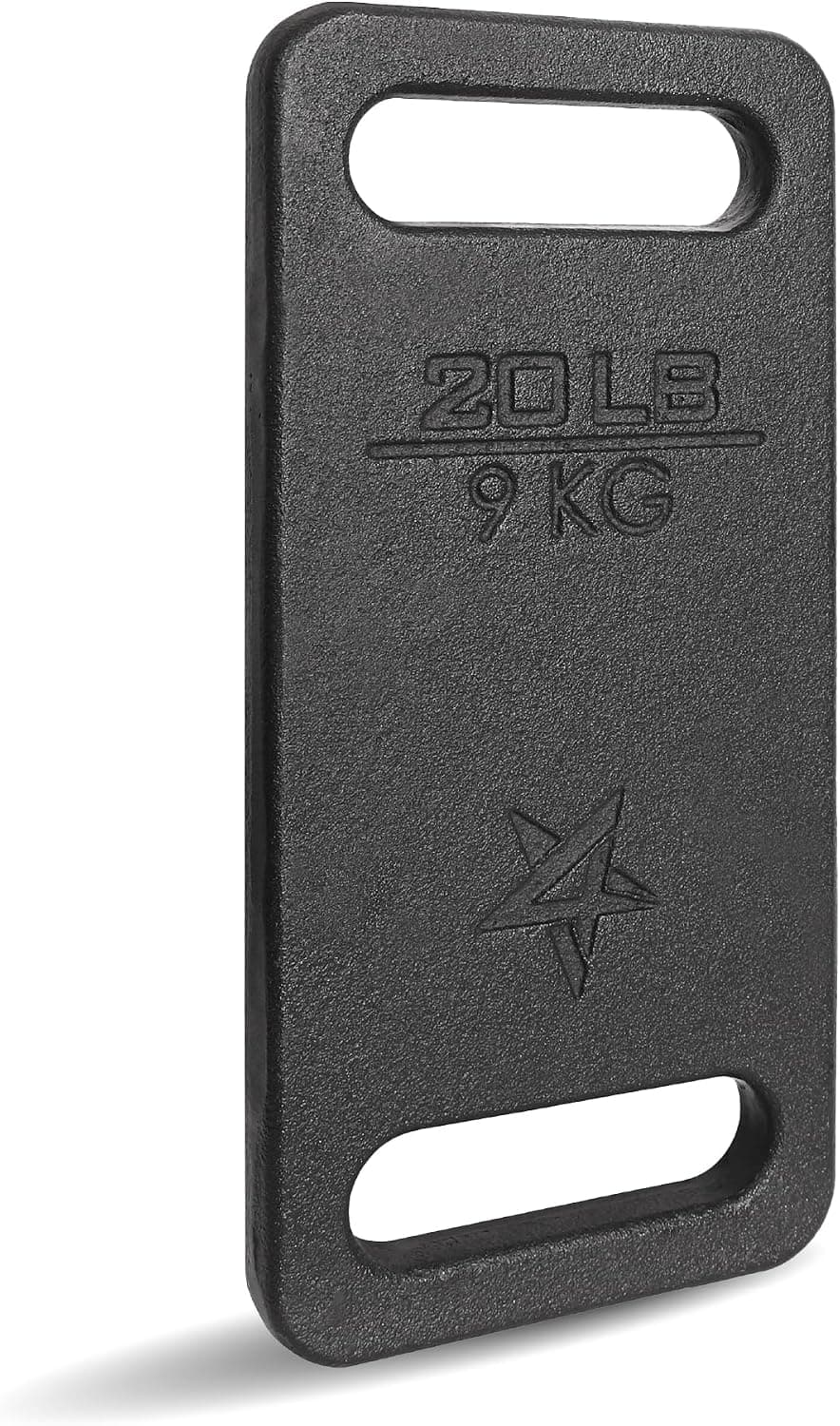
Yes4All Cast Iron Rucking Weight 20 lb
A single 20 lb cast-iron rucking plate with rounded edges and two handles. Check the long plate dimensions against your pack sleeve before ordering.
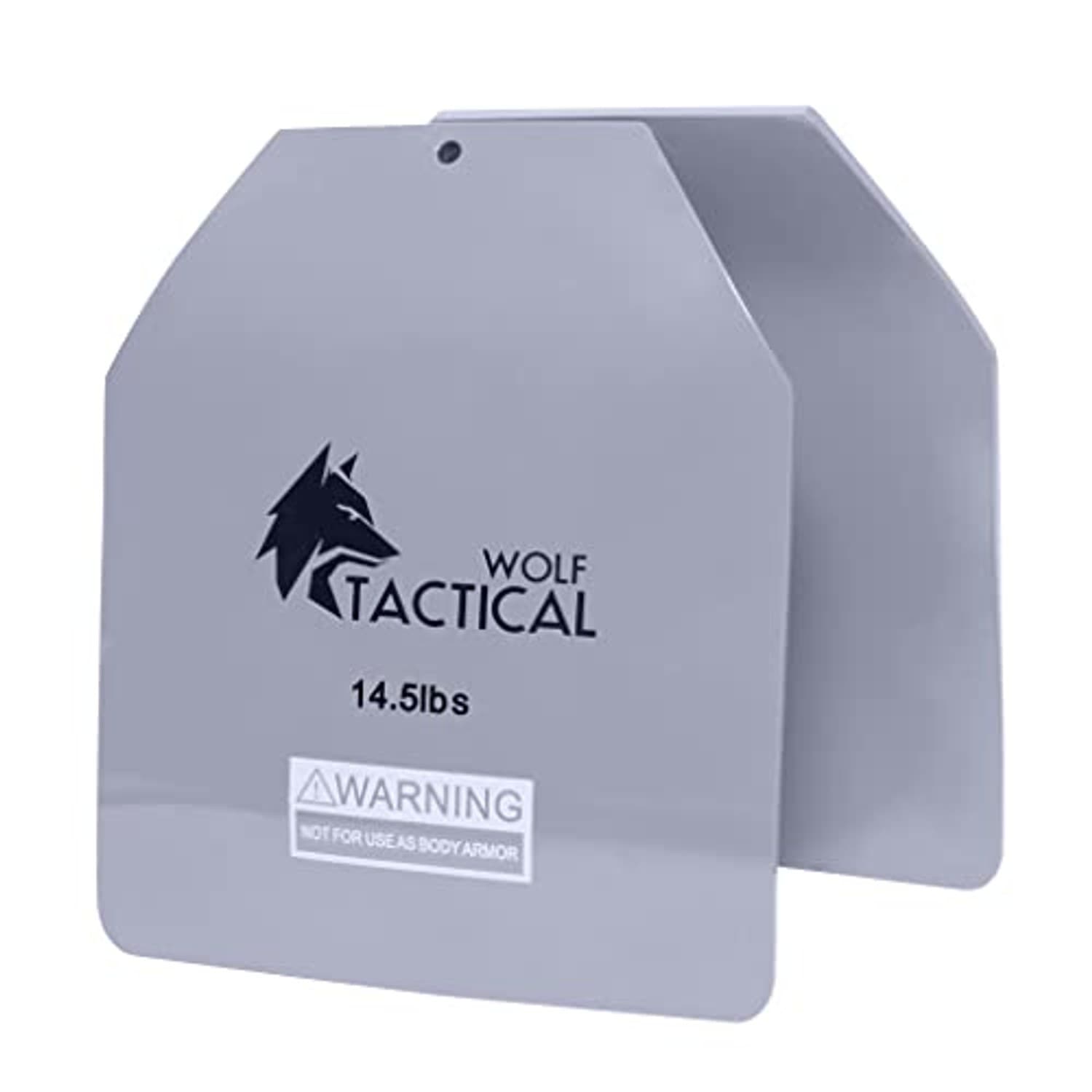
Wolf TacticalResearch-based
Wolf Tactical Curved Weight Vest Plates
Curved steel plates sold in pairs from 5.75 lb to 19.75 lb, sized for plate carriers and weight vests rather than pack pockets. The curve follows the chest and back, the powder coating resists the rust that bare cast iron picks up from sweat, and the rounded edges are what stop a plate from chewing through a vest pocket. Not the right plate for a flat 10x12 ruck sleeve.
Best Ruck Plate for GORUCK Packs
GORUCK’s current rigid Ruck Plates are powder-coated ductile iron. The important split is Standard versus Long, not a claim that every GORUCK bag shares one universal pocket.
- Basic Rucker
- One Standard 10, 20 or 30 lb plate. The listed pocket is 9 × 11.5 × 1.38 inches.
- Rucker 5.0
- The short pocket takes Standard plates; the long pocket takes Long plates and can also hold Standard. Follow the stated pocket capacities rather than stacking whatever fits.
- Ruck Plate Carrier
- Check Standard, Long or Heavy on the carrier itself. GORUCK lists Standard for Standard 10/20/30 lb plates, Long for a Long 30/45 lb plate, and Heavy for two Long pockets.
- GR1 and GR2
- These have travel storage rather than the Rucker’s closed training pockets. An open sleeve containing a plate is not proof that the plate will stay in place during PT.
Our Pick by Use Case
- Already own a Basic Rucker
- Buy a Standard plate in the load you can use now. Check the shape in the variant selector; a 30 lb Long is not the same purchase.
- Already own a compatible weight vest
- Consider Rogue Echo or the selected Wolf pair. Count both plates and the empty vest when calculating total carried weight.
- Need smaller load changes
- Consider FlexLoad’s removable half-pound weights. Measure the sleeve first; flexibility does not make a 12.25-inch-tall sleeve fit inside every short pocket.
- Shopping on price
- Compare the same total weight and quantity, including delivery. Yes4All’s 10 lb pair and 20 lb Long solve different packing problems.
GORUCK Event Weight Requirements
Open the packing list for your specific event before buying the weight. Check the required dry load, any body-weight threshold, what counts toward that load, and how the weight must be secured. Event names alone are not a substitute for the current instructions.
A GORUCK-branded plate is not automatically required just because it is a GORUCK event. Buy to the published rules and your pack’s retention system. Do not buy a heavier plate solely because another event uses it.
How to Stop Plate Shift
The closure must hold the load before you try to quiet it down.
- Check the opening, height and depth.Insert the unloaded plate carefully. The flap or closure must fasten fully without forcing the seam.
- Check movement with the bag closed.Lean forward and walk a few steps. If the plate can rise out of the pocket or tip, use the intended restraint or a better-fitting plate.
- Pad remaining gaps.Dense foam can reduce side movement. Do not use a towel as the only thing holding a plate in place, and do not force a plate into a hydration compartment.
- Keep the first check short.Stop and adjust if the load shifts or creates a pressure point. Only add distance once the packing arrangement stays secure.
Also Considered
This comparison keeps six current product entries rather than preserving older Rep, SH Sports, Aduro and Vulcan rows with unverified dimensions or stock. Titan is also not a current product pick on this page. If you are considering one, get the exact model’s dimensions and quantity before comparing it with the formats above.
Do You Need a Ruck Plate?
A plate is useful when it solves a packing problem. To try rucking, secure a manageable load in a sturdy bag you already own. Buy a dedicated plate when you know the pocket size and the load you want; there is no required number of walks before upgrading.
Weight Positioning
Keep the load close to the back panel and secure it in the compartment intended for weight. Do not assume the highest available sleeve is strong enough, or put a loose plate beside a laptop. For a pack without a weight pocket, follow the pack’s load guidance and use a restraint that prevents both vertical and sideways movement.
Plate Compatibility Guide
- Same weight, different shape
- The 30 lb GORUCK Standard is shorter and thicker than the 30 lb Long. Use the chosen variant’s dimensions, not the first photo or the product-family name.
- Single versus pair
- Rogue’s 10LB Pair means two 10 lb plates, or 20 lb before adding the vest. Its 20LB Pair totals 40 lb. Neither description means one flat 20 lb backpack plate.
- Flexible still has dimensions
- Hyperwear lists 6, 9 and 10 lb sleeves at 12.25 inches high, with widths from 9.80 to 10.50 inches. Check width and height as well as the amount of removable weight.
- Flat fit is not secure fit
- A plate fitting through a zipper only answers the first question. It must also be held against movement when the bag is closed.
Compare the pocket systems before choosing the bag. Best Rucking Backpacks →
DIY Alternatives to Ruck Plates
For a trial walk, use a sealed weight bag or securely packed items with no exposed sharp edges. Protect the bag and restrain the load. Sand needs a sealed inner container; loose hardware-store steel needs proper edge finishing and is not a ready-to-use ruck plate. Skip improvised loads that you cannot keep secure.
Which Plate Should You Buy?
Write down the pack model, pocket format and starting load. Compare only plates that satisfy those three requirements. If two options fit, decide whether smaller weight increments, a carry handle or compatibility with another piece of gear is worth the price difference.
Need the bag as well? Compare Rucking Backpacks →
For a complete low-cost setup: Budget Rucking Starter Kit →
Side-by-Side Comparison
All picks at a glance - specs, ratings, and where to buy. How we rate →
| Product | Best For | Price | Our Rating | Buy |
|---|---|---|---|---|
| GORUCK pack owners who want a plate sized for the dedicated pocket in their pack. | $50-150 | Shop at GORUCK · $50-150 | |
| Ruckers who want half-pound adjustments and have enough room to restrain the selected sleeve securely. | $50-150 | Shop at Amazon · $50-150 | |
| People who split their loaded training between a compatible weight vest and a rucksack with room for paired plates. | $50-150 | Shop at Rogue · $50-150 | |
| Beginners who want to start at 10 lb and grow to 20 without buying twice, and anyone who found the single 20 lb plate out of stock. | $25-50 | Shop at Amazon · $25-50 |
Choose a Plate for Your Pack
Match the format first: Standard for the Basic Rucker, the appropriate short or long pocket in the Rucker 5.0, and a compatible front-and-back pair for a vest. Then choose the load and compare the delivered price of that exact option. Keep the plate you already own if it fits securely; a different logo alone is no reason to replace it.
Frequently Asked Questions
For a Rucker, choose the Standard or Long format accepted by the pocket you will use. For a GR1, check the open sleeve and separate restraint rather than assuming it has the Rucker’s closed pocket. The pack model and plate format matter more than a blanket brand recommendation.
Compare the plate width, height and thickness with the usable pocket and its opening. Check that the closure fastens completely. GORUCK Standard and Long are different formats; a bag’s external dimensions cannot establish plate retention.
Use weight that the bag can hold securely without exposed sharp edges or pressure against your back. A round gym plate may be awkward to restrain, but changing to a rectangular plate only helps if the new shape fits the pocket.
Choose a load you can carry with controlled posture on a short walk, then build gradually. Do not buy an event-weight plate just to meet a number before you are ready. Our ruck weight guide covers starting loads and progression.
For a dedicated GORUCK Standard pocket, the matching plate removes a major fit question. In an ordinary backpack, compare the exact dimensions and restraint first; brand alone does not establish a better carry.
Do not assume so. Echo plates are double-curved vest plates, roughly 9.3 inches wide, rather than the 9-inch-wide GORUCK Standard format. Check the exact pocket, depth and closure. Rogue specifies compatible vests; that is not a GORUCK backpack fit guarantee.
Read the specific event packing list, including required dry load and restraint. Choose a compatible plate at that weight. A GORUCK event name does not by itself establish a requirement to buy GORUCK-branded weight.
GORUCK currently uses ductile iron; Yes4All uses cast iron. Different alloys and manufacturing methods do not establish fit or long-term durability by themselves. Use the published dimensions and inspect the finish rather than assuming every premium plate is thinner steel.
Only if the pocket is designed to retain both and has enough depth. Count the combined thickness and check that both plates are held securely. In a vest, a pair usually divides the load between the front and back.
Flexible weights or a securely packed weight bag may suit it, but they still need restraint. FlexLoad has published sleeve dimensions; it does not fit every bag simply because it bends.
Replace it when fit, secure retention or condition is a problem. A budget plate that fits and remains in good condition does not need replacing on an arbitrary schedule.
Increase load only after the current setup and distance are manageable. Smaller removable weights allow finer changes, while a fixed plate requires another plate or a compatible way to add weight. Follow our beginner progression guidance rather than treating the largest plate in stock as the next step.
Related Articles
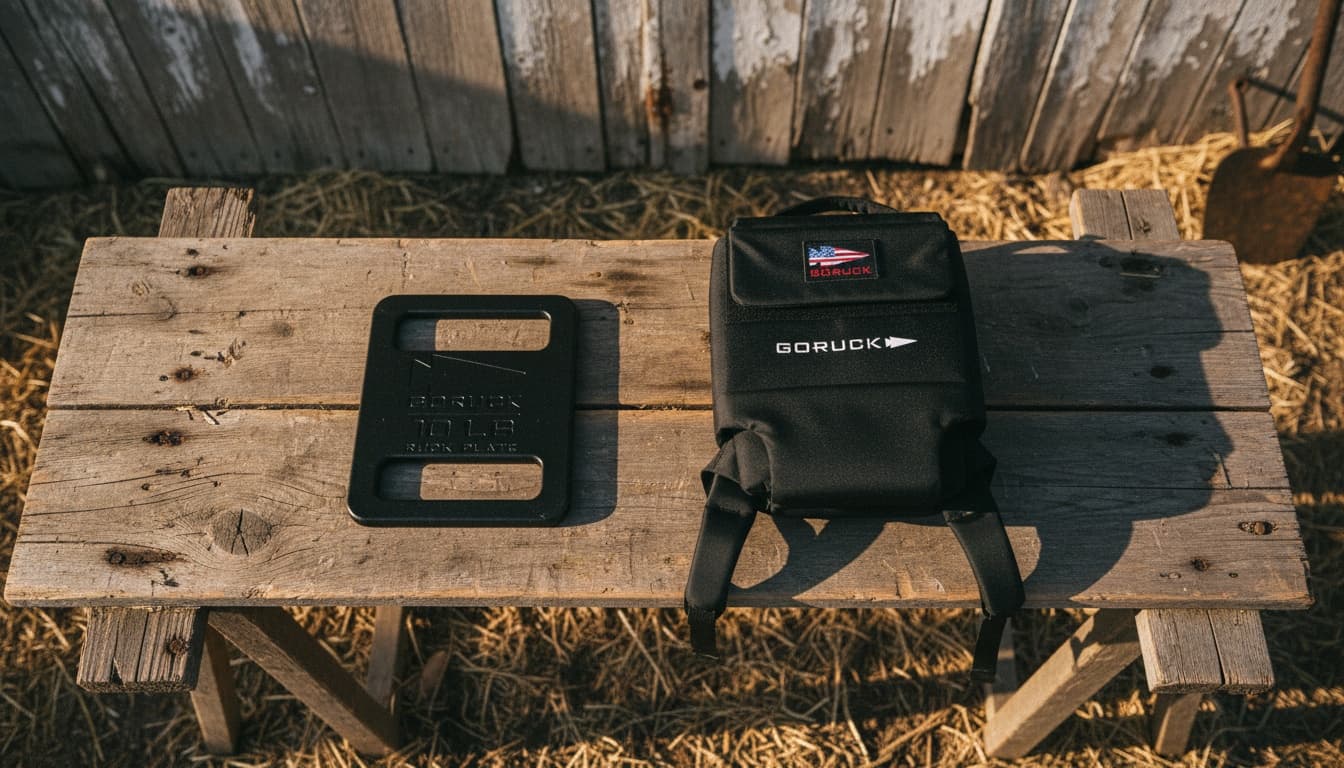
Ruck Plates vs Steel Plate Carriers for Rucking
Ruck plate vs steel plate carrier comparison for 2026. Compare weight distribution, comfort, and training effectiveness for different rucking goals.
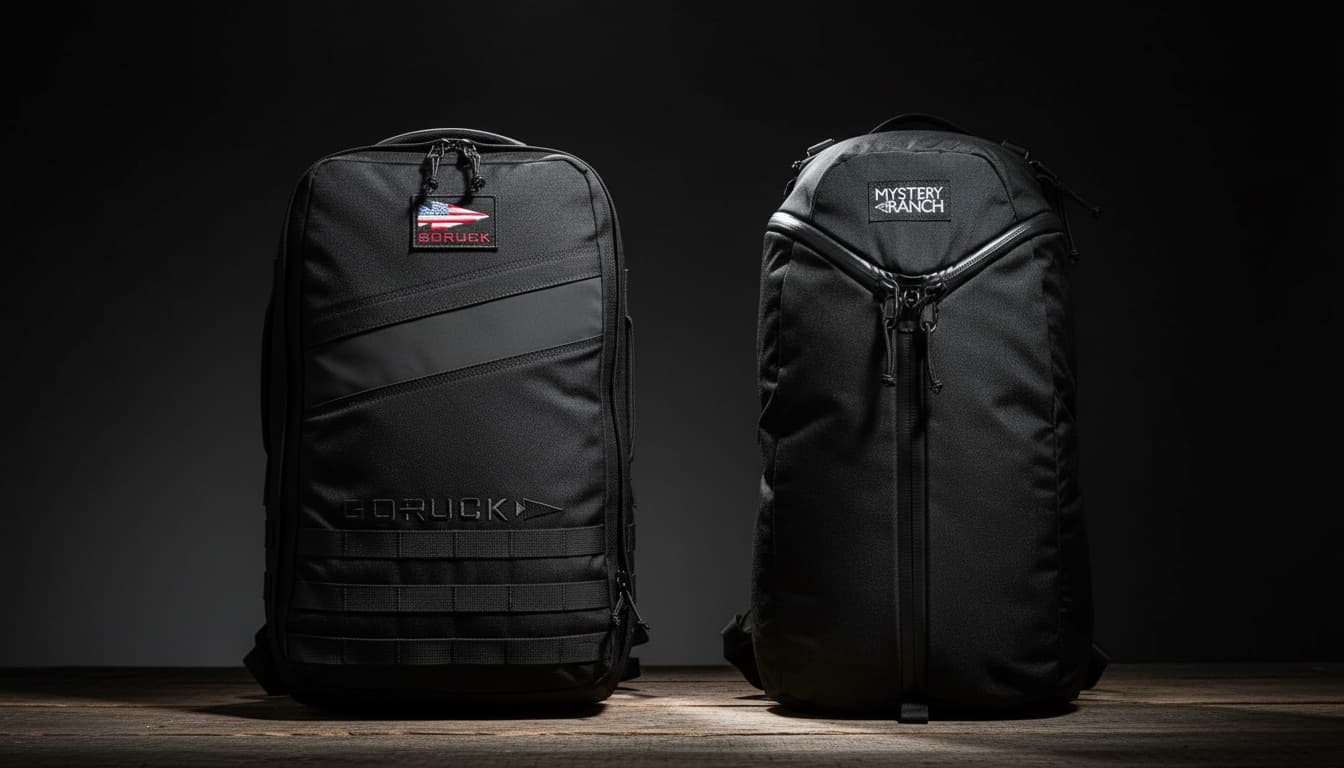
What 10 Years of GORUCK Actually Costs Compared to a Budget Pack
GORUCK packs cost $400. Budget packs cost $150. The 10-year math, factoring SCARS lifetime guarantee, Tribe membership value, and resale, looks completely different than the checkout-page math.
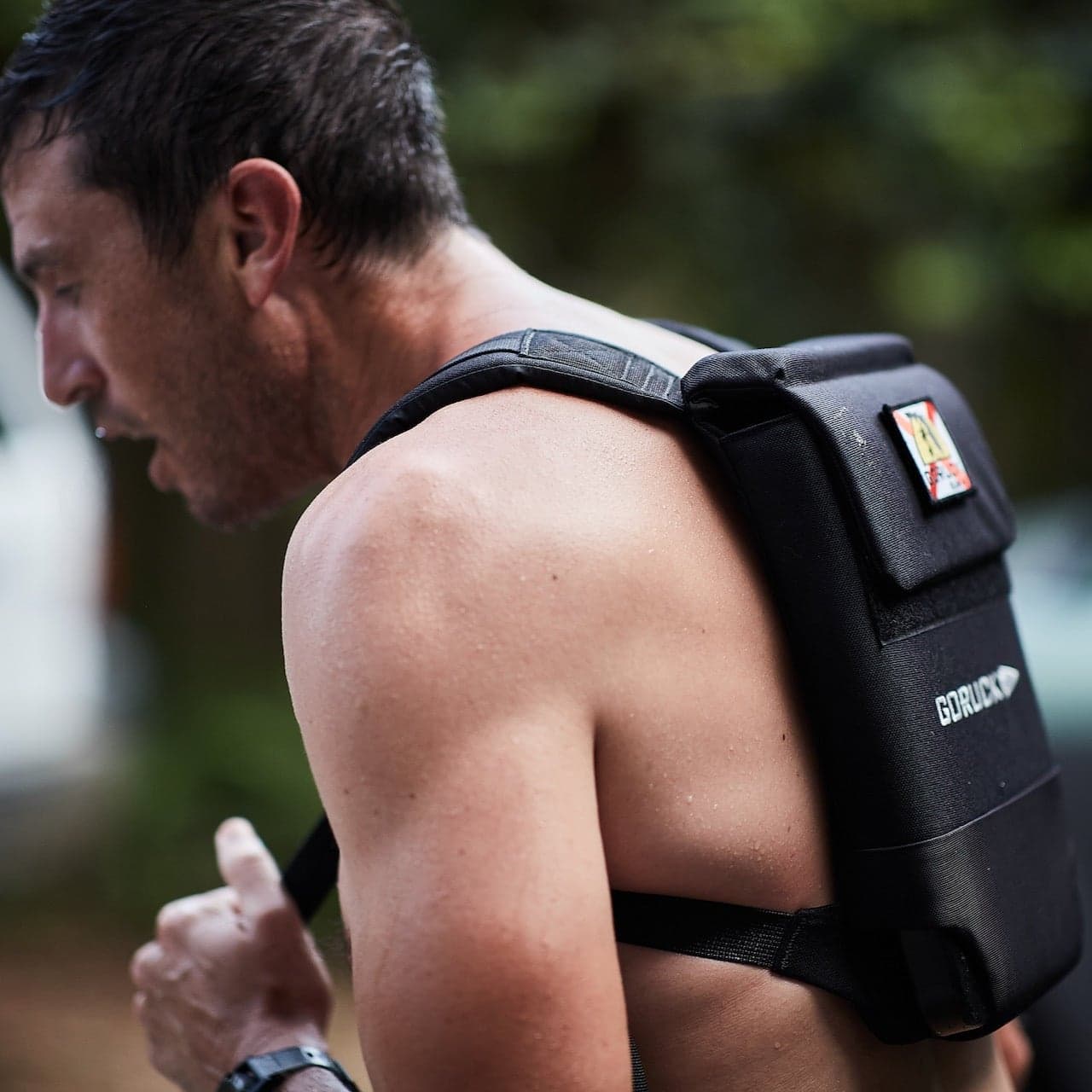
GORUCK Ruck Plate Carrier 3.0 vs Rucker 5.0
Compare the GORUCK RPC 3.0 and Rucker 5.0 for plate fit, water and gear storage, sizing, and event use. Choose around what you actually carry.
GORUCK Rucker 5.0 vs 4.0: Should You Upgrade?
What changed from the GORUCK Rucker 4.0 to the 5.0, what the new lumbar pad and magnetic pockets felt like on my back, and who should upgrade.