Gear Review
CAP Barbell Weighted Vest Review: A Good Cheap First Vest
Our CAP Barbell weighted vest review: a low-cost adjustable vest for short walks and bodyweight work, scored 7.7/10 and compared with GORUCK and Hyperwear vests.
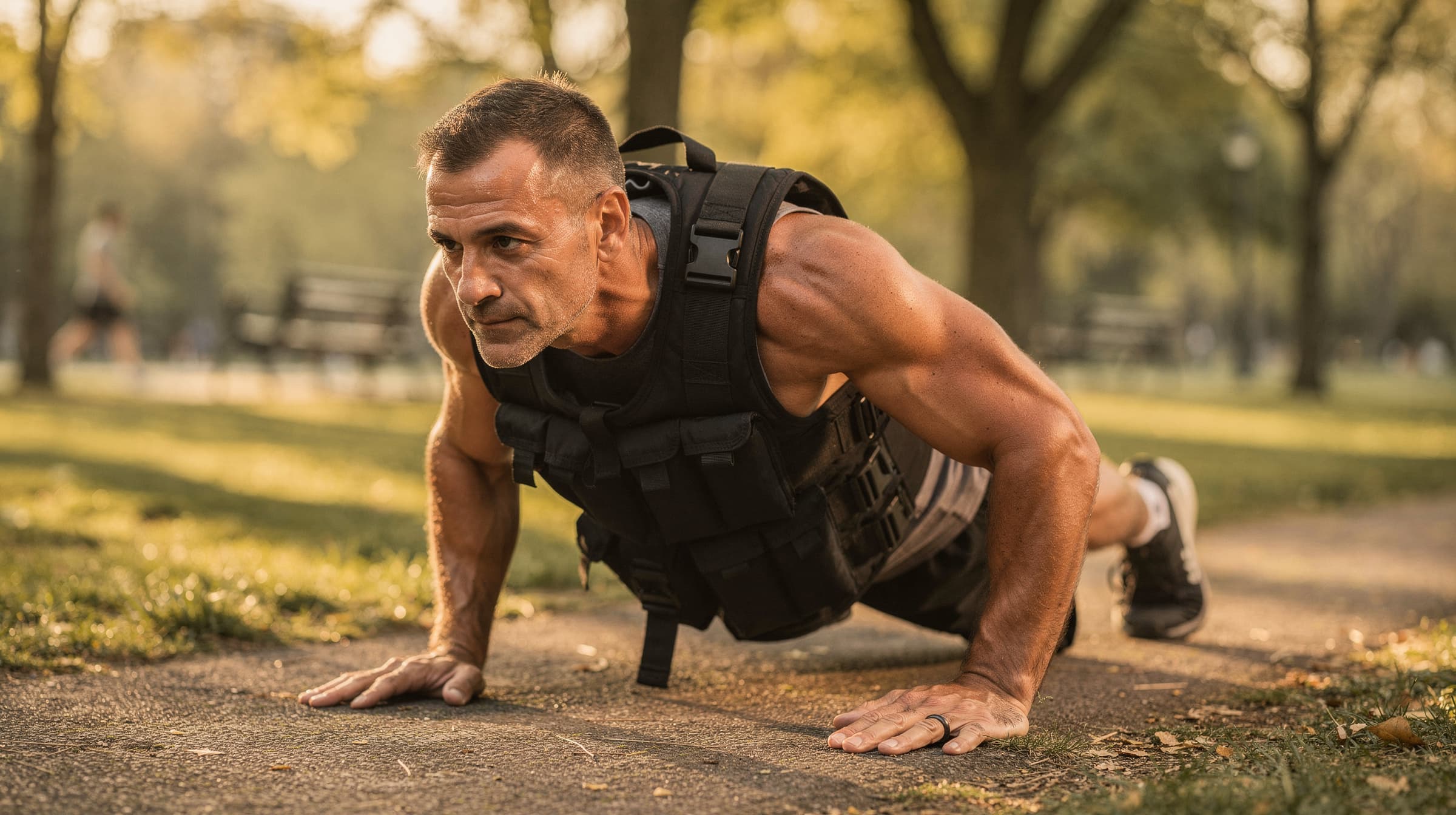
- The CAP Barbell Adjustable Weighted Vest scores 7.7/10 in our weighted vest roundup, where it is the value pick: the 20 lb version sits in the $25-50 band and heavier versions run up to 150 lb.
- It suits short weighted walks, calisthenics and anyone testing whether vest training sticks. It is a poor fit for long Zone 2 rucks or event training, where loose-fill weights can shift.
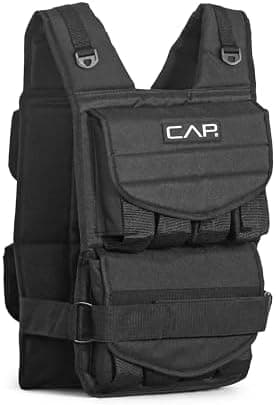
- The weights differ by model: the 20 lb vest uses 0.75 lb steel-shot packets, the 40-80 lb versions use sand bags, and the 100-150 lb versions use cast iron bars. All are removable.
- Owner complaints center on shoulder seams, leaking weight bags and buckles, so check every seam inside your return window.
- If the vest is mainly for rucking, the GORUCK Rucking Weight Vest is our rucking-specific pick; the Hyperwear Hyper Vest PRO is thinner but costs far more and tops out at 40 lb.
Research-based
Adjustable Weighted Vest
A no-frills adjustable weighted vest at a fraction of premium prices. Popular with home gym users and ruckers who want to add vest training without a big investment.
CAP Barbell makes one of the cheapest credible adjustable weighted vests you can buy, which goes a long way toward explaining its popularity. The price is real. So are the trade-offs, and they matter more the longer you wear it.
Quick answer. The CAP Barbell Adjustable Weighted Vest is a good cheap first vest for short walks, calisthenics and finding out whether weighted-vest training fits your routine. It scores 7.7/10 and is the value pick in our best weighted vests for rucking roundup. It isn't our pick for serious rucking: the loose-fill weights can shift, the padding is basic, and seam complaints appear once sessions get longer or more frequent. If you ruck weekly, the GORUCK Rucking Weight Vest is built around rucking, and a plain rucksack may beat any vest (see weighted vest vs rucksack).
We haven't personally tested CAP Barbell vests. This analysis draws on owner reviews at Amazon, CAP Barbell and fitness retailers, and on CAP's own product specifications, checked October 9, 2026.
How it compares with the other vests we cover
| Vest | Score | Where it wins | Where it loses |
|---|---|---|---|
| CAP Barbell Adjustable | 7.7 | Lowest cost of entry; 20-150 lb versions | Loose-fill weights shift; basic padding |
| GORUCK Rucking Weight Vest | 7.5 | Curved plates built for rucking | Plates are a separate purchase |
| Hyperwear Hyper Vest PRO | 7.2 | Thin, low-bounce profile | Premium price; 40 lb ceiling on the XL |
| 5.11 TacTec Plate Carrier | 7.5 | Front-and-back plate stability | Costs more; plates bought separately |
The short version: CAP is a test-the-format vest. Buy it to find out whether weighted-vest walking fits your routine without spending premium money. It isn't the long-term answer for ruckers who already know they want progressive load, steadier plates (a dedicated carrier like the 5.11 TacTec holds the load far steadier) and longer sessions. Those readers should also look at the plate carrier weighted vest guide.
The buying rule is simple: use CAP if the purchase needs to stay cheap and experimental. Skip it if you already ruck more than twice a week or plan to build toward long Zone 2 sessions. Pocket weights can work for calisthenics and short walks, but the shifting becomes more noticeable as distance increases. Plate-based systems cost more up front, yet they usually feel calmer under load and are easier to progress with purpose. That stability matters once walking time, sweat and shoulder fatigue start stacking up.
CAP Barbell verdict by rucking use case
| Use case | Verdict | Better next read |
|---|---|---|
| Testing weighted vest walking | Good enough for short sessions while you learn whether the format fits your routine. | Best weighted vests for rucking |
| Long Zone 2 rucks | Not ideal. The pocket weight can shift once sweat, stride length, and time under load stack up. | Weighted vest vs rucksack |
| Event-style ruck training | Skip it. Use a rucksack or plate carrier setup that holds load stable under fatigue. | Rucking gear guide |
| Budget home-gym crossover | Reasonable if you mostly want calisthenics, short walks, and low-risk experimentation. | Budget rucking starter kit |
What the Community Says

Comfort
CAP Barbell vests offer decent functionality at a very low price. The lighter models (20-40 lb) work reasonably well for neighborhood walks and light ruck training, especially for beginners testing the waters. Being able to remove weight in small steps suits anyone who wants to progress gradually, and it's a real advantage over fixed-weight vests.
Comfort problems show up on longer sessions. Owners report pressure points, and the neoprene padding is basic. The longer the session, the more any shift in the weight makes itself felt.
Durability
Durability reviews are mixed rather than uniformly bad. Some owners report months of regular walking with no trouble; the failures that do appear follow a pattern: stitching giving way at the shoulders, sand bags leaking and buckles breaking, sometimes within the first few months of heavier use.
Quality control appears inconsistent. Some owner reviews, including on CAP's own site, describe straps or stitching failing early. Inspect every seam and test the buckles before your return window closes.
Performance
CAP uses different weights at different capacities. The 20 lb vest takes steel-shot packets of about 0.75 lb each, the 40-80 lb versions use sand bags, and the 100-150 lb versions use cast iron bars. The loose-fill packets in the lighter vests tend to shift during walking, which creates an uneven load that can change your gait and grows more annoying over distance. The vest also lacks features serious ruckers value: no MOLLE attachment points, no hydration compatibility and simpler load distribution than purpose-built alternatives. It does have reflective strips, which help on early-morning and evening walks.
For short bodyweight workouts and light neighborhood walks, the vest does the job. For anything resembling serious ruck training, the weight shifting becomes a real problem.
For the price, it does what it's supposed to do: it adds weight to your workouts. Just don't expect it to be the last vest you buy.
Who It's Best For
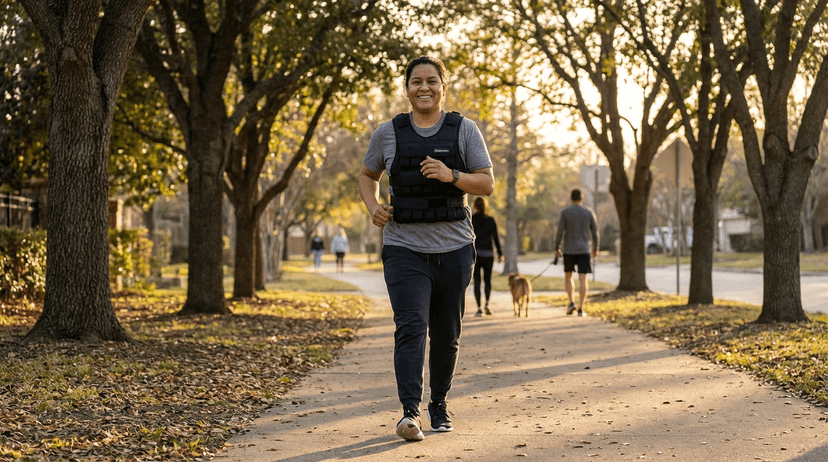
Before you buy any vest, get your starting weight right. Our sister site Kit Authority's vest sizing calculator does the math from body weight and goal.
Good fit:
- Complete beginners who want to test weighted vest training without a major investment
- Light, short workouts of around 30 minutes or less
- Home gym users doing bodyweight exercises with added resistance
- Budget-conscious buyers who accept the durability trade-off
Poor fit:
- Serious ruckers planning regular 60+ minute sessions
- Anyone who wants a vest that will last for years of frequent use
- Users who prioritize comfort during extended wear
- Ruckers who need MOLLE, hydration or advanced load distribution
If you're on a tight budget, check local marketplaces or military surplus stores for a used, better-built vest or plate carrier before buying a new budget vest.
How It Compares
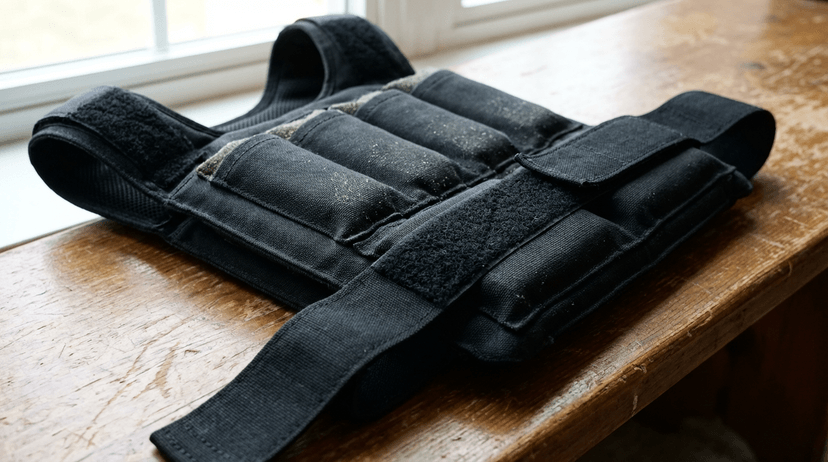
vs. Plate-loaded vests: Plate-loaded designs keep the weight more stable during movement than sand-filled adjustable vests. GORUCK's Rucking Weight Vest goes further, with Curved plates and a chest cutout that GORUCK says is intended to accommodate breathing, though the plates cost extra. It's the rucking-specific pick in our weighted vest roundup.
vs. Premium options: The price gap is large, and so is the difference in feel. If you want the best comfort and a thin, low-bounce profile, the Hyperwear Hyper Vest PRO is the premium alternative, though it has its own durability questions at several times the price.
vs. A rucksack: A regular backpack with weight plates is a sound alternative until you can afford something better. A dedicated rucksack carries water and layers, and often distributes load better than a budget vest. See our weighted vest vs rucksack comparison for the full breakdown.
Verdict
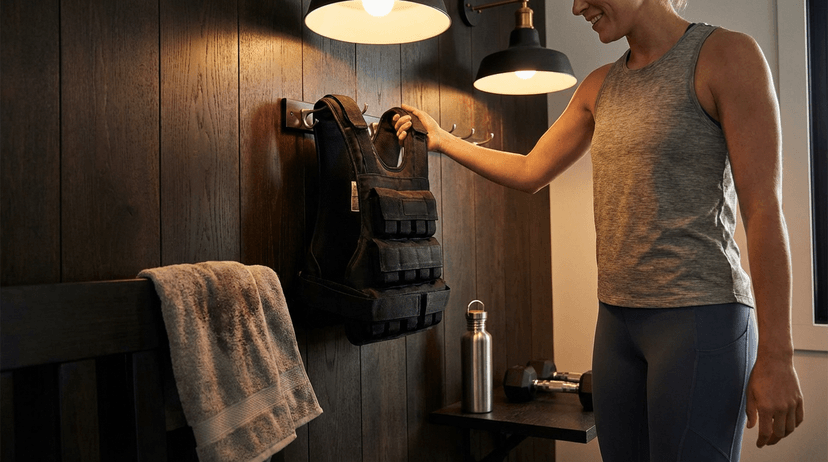
CAP Barbell vests are best treated as a cheap experiment. If you're curious about weighted vest training and want the lowest-cost way in, the 20 lb vest lets you test the waters.
If you already know you'll wear a vest several times a week, spend the difference on something built to stay put.
Frequently Asked Questions
It works for light, short rucking sessions, but the loose-fill pockets in the lighter versions shift during walking and create an uneven load. For serious ruck training, a plate-loaded vest or a dedicated rucksack is the better tool.
Weighted vests spread load around your torso while rucksacks put it on your back. Each has trade-offs for different training goals. See our full weighted vest vs rucksack comparison for a detailed breakdown.
It depends on how hard you use it. Some owners report months of regular walking without trouble; others report shoulder seams, weight bags or buckles failing within a few months of heavier loads. Light, occasional use extends the lifespan, but this isn't a vest built for years of frequent training.
If you already know you'll stick with vest training several times a week, usually yes. A budget vest that needs replacing within a year or two can end up costing as much as a better-built vest bought once. If you're still finding out whether you like vest training, the CAP is the cheaper way to learn.
The 20 lb model is the usual purchase, but you don't need to wear all of it at first. For a first session, 5 to 10 lb for 20 to 30 minutes on level ground is a sensible start, and the removable packets let you begin there and build up gradually. If a vest causes neck, back or shoulder pain that persists after you stop, see a clinician before adding load.
Related Articles
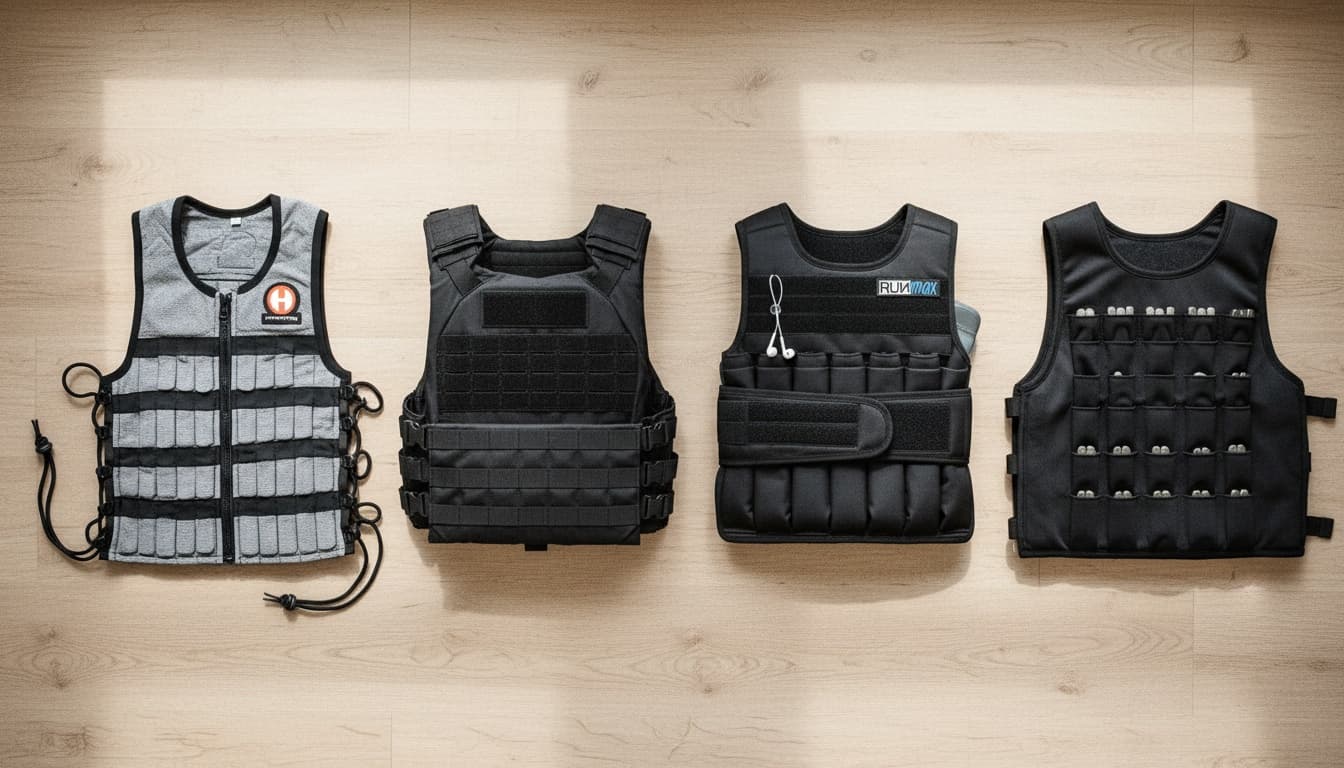
Best Weighted Vests for Rucking 2026: GORUCK, CAP Barbell & Hyperwear Compared
Compare GORUCK's three weighted vests with CAP Barbell, Hyperwear, RUNmax, Cross101, Mir and the 5.11 TacTec plate carrier by fit, load range, build and value.
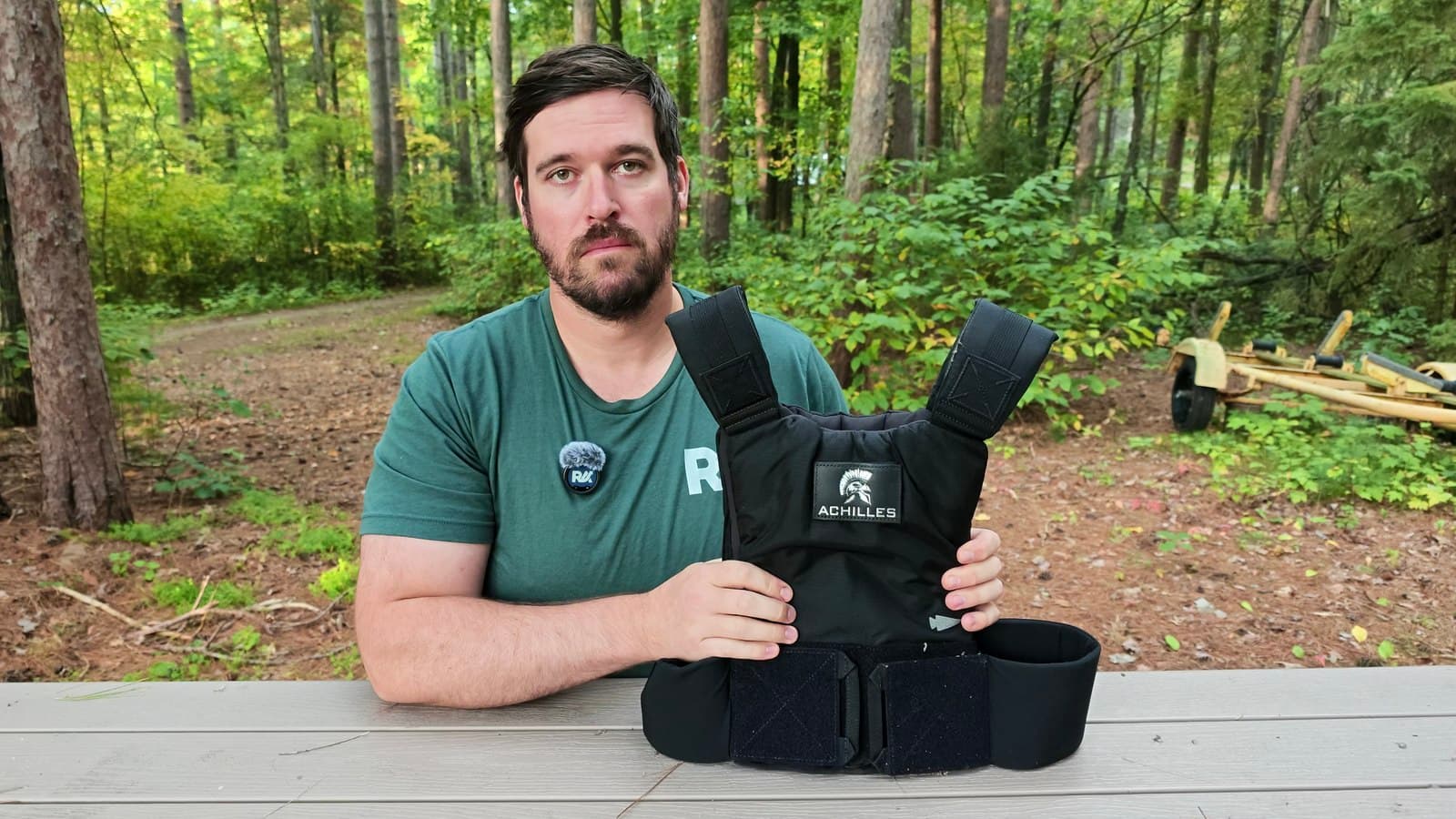
GORUCK Achilles 30 lb Weighted Vest: Hands-On Review
My hands-on review of the 30 lb GORUCK Achilles: quick dog walks, flexible sewn-in weight, fit adjustment, pellet noise and shoulder fatigue.
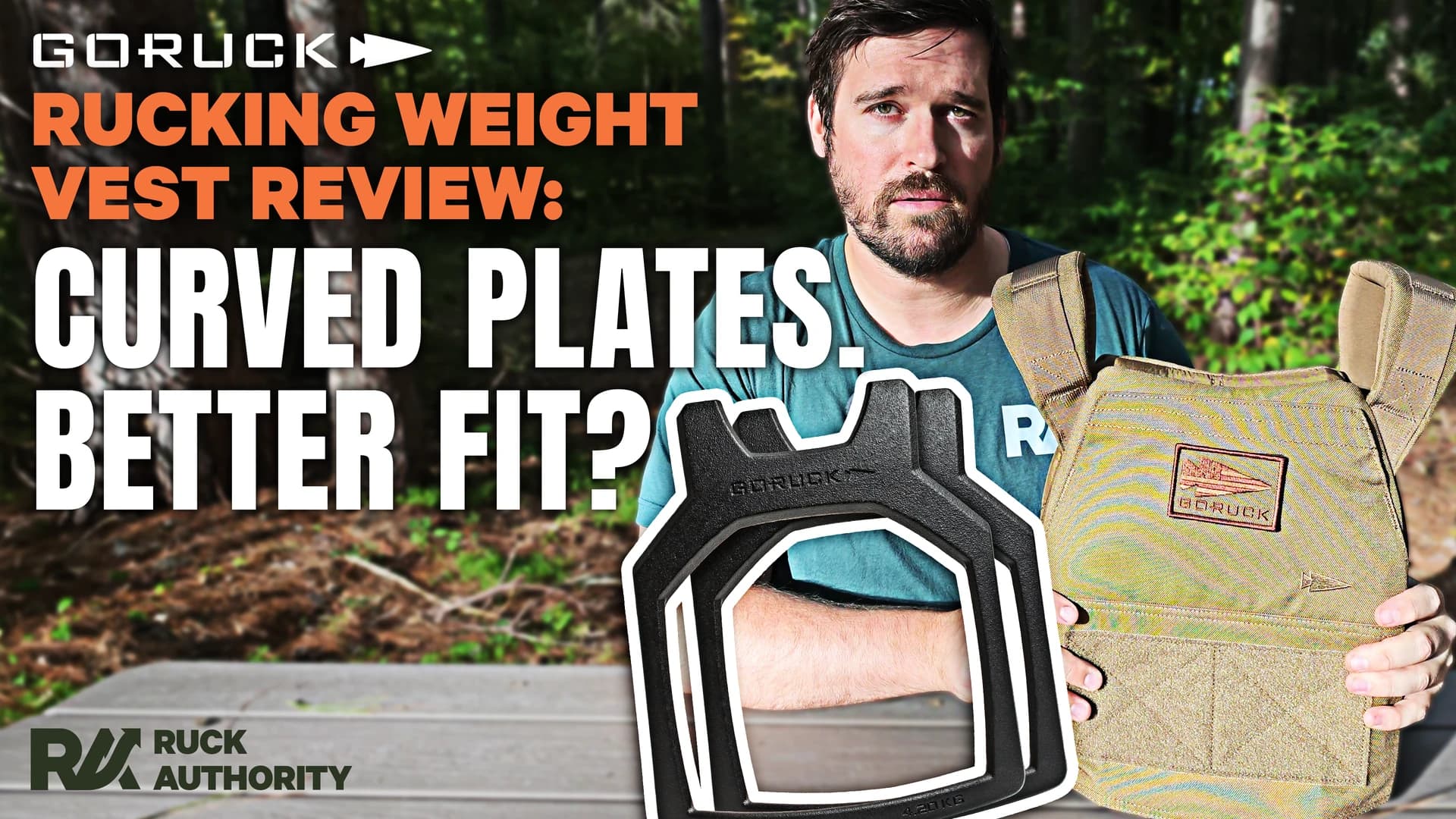
GORUCK Rucking Weight Vest Review: Three Weeks at 20 lb
My GORUCK Rucking Weight Vest review after three weeks at 20 lb: secure curved plates, L/XL fit limits, phone pocket, heat and plate installation.

Best Weighted Backpacks for Rucking in 2026
Compare four rucking backpacks with room for cargo: two GORUCK plate-pocket packs, a 37L tactical pack, and the GR1 for work and travel.