Gear Review
Best Shoes for Rucking on Pavement: 5 Picks for 2026
Compare five pavement rucking shoes by cushion, support, width and wet-weather use. Find your fit in Hoka Bondi 9, Brooks Adrenaline GTS 25 or Transport 2.
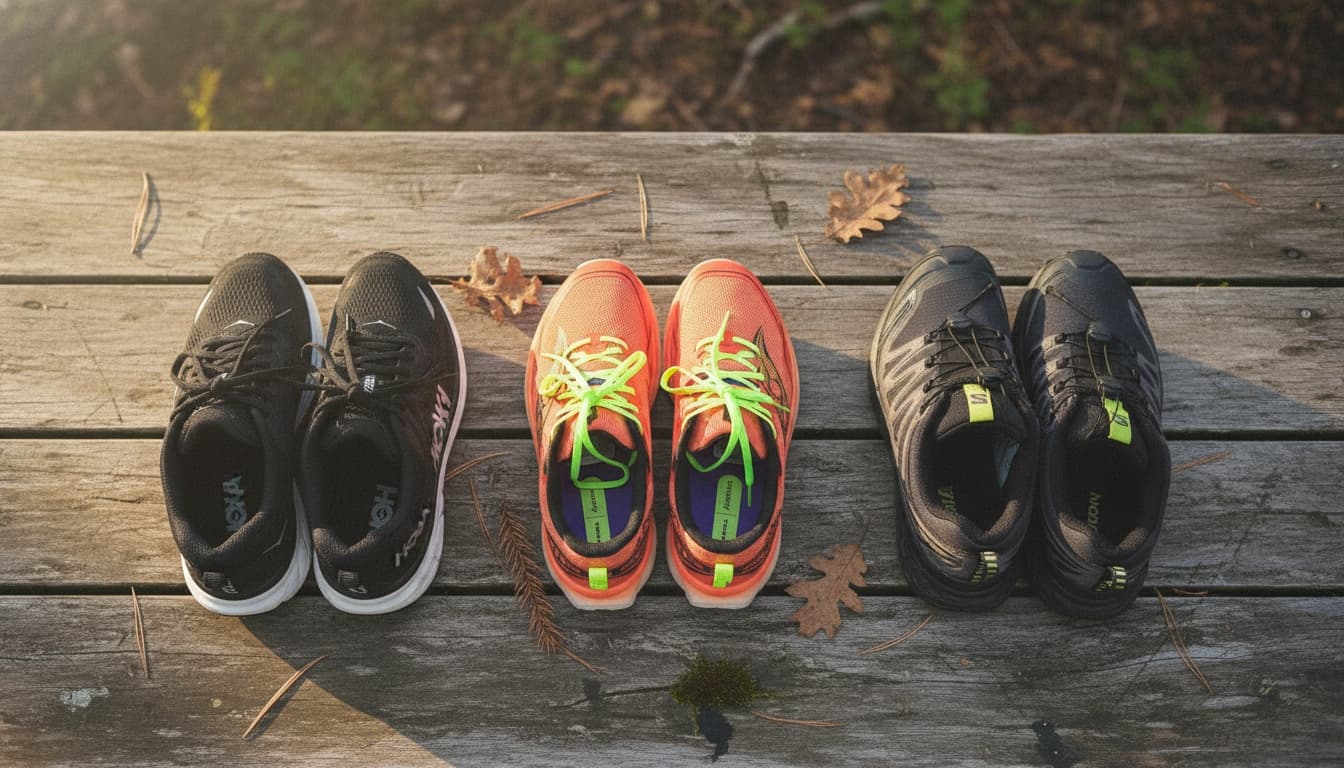
On this page11 sections
- Quick Picks
- Budget Tiers
- Decision Matrix
- Head-to-Head
- Hoka Bondi 9 (Best Overall)
- Brooks Adrenaline GTS 25
- Saucony Peregrine 16
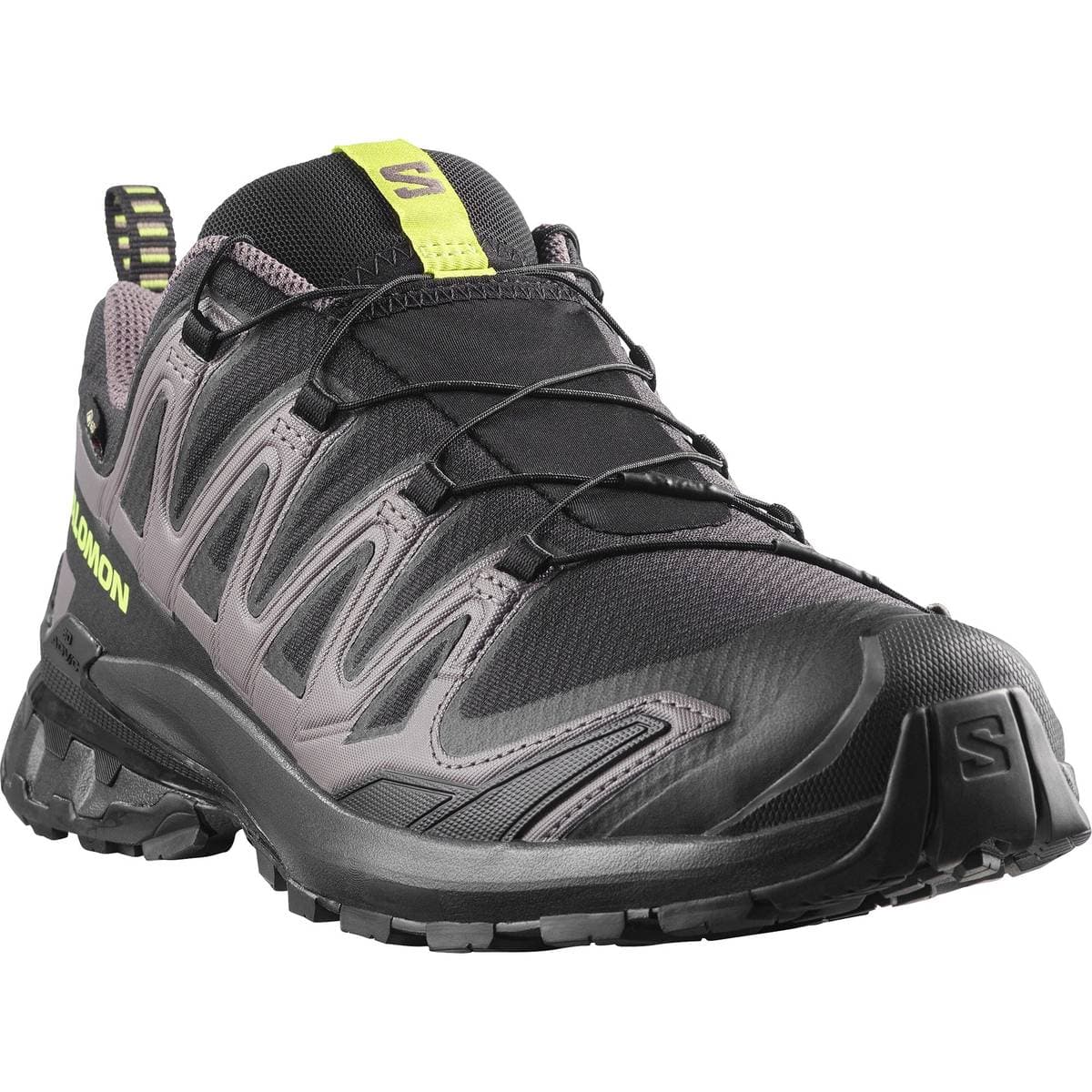
- Salomon XA Pro 3D V9 GTX
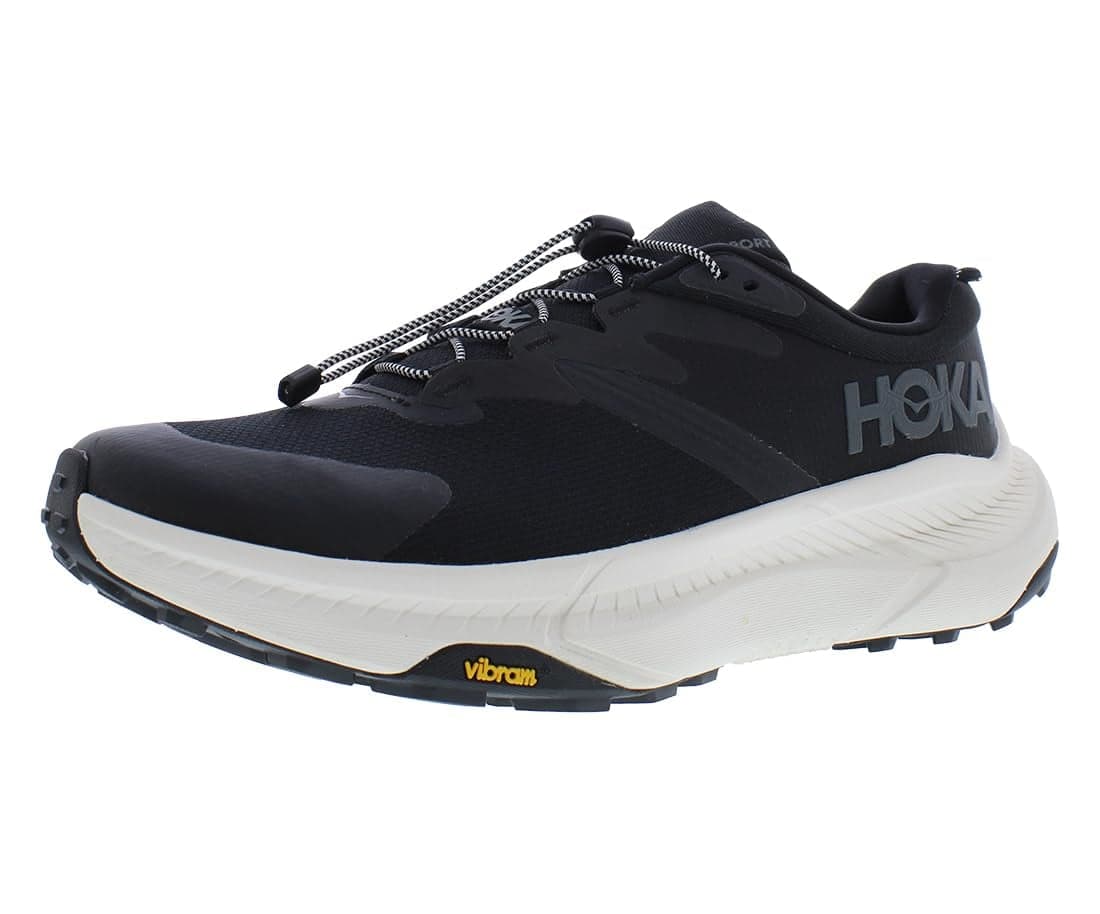
- Hoka Transport 2 (Commute Rucking)
- GORUCK Shoes, incl. Mackall 45
- Pavement Shoe Answer
- Decision Shortcuts
- When Knee Pain Appears
- Fit Tips
- Choose Shoes for Pavement
- FAQ
- Dry pavement: Hoka Bondi 9 for plush cushion, or Brooks Adrenaline GTS 25 if you prefer structured support. Both offer width choices.
- Daily commute: compare Hoka Transport 2 for its walking-focused design and quick-toggle laces.
- Road plus trail: Saucony Peregrine 16 has 4mm lugs on a Vibram Megagrip outsole. That tread earns its place on dirt; sidewalks alone don't need it.
- Wet mixed routes: Salomon XA Pro 3D V9 GTX adds a waterproof membrane. Dry pavement alone does not require waterproof shoes.
- Choose size and width with your usual socks. Try a short, lighter ruck before increasing distance in new shoes.
Choose Pavement Shoes by Fit and Cushioning
For dry sidewalks and roads, start with the Hoka Bondi 9 if you like plush cushioning, or the Brooks Adrenaline GTS 25 if you already prefer structured support. Both have width options. For a daily commute, compare the walking-focused Hoka Transport 2.
The Saucony Peregrine 16 and Salomon XA Pro 3D V9 GTX earn their place when your route includes trails or wet ground. A trail outsole is not needed for every paved walk. If dirt makes up most of your route, use our rucking shoes by terrain guide.
These are research-based selections, not a hands-on shoe test. Manufacturer specifications were checked September 10, 2026. Choose by foot shape, comfort and prior shoe experience; recurring pain needs individual assessment. Our what is rucking explainer covers the activity itself.
GORUCK's Rough Runner is its road-oriented option. The firmer Ballistic Trainer makes more sense when the same shoe also needs to handle lifting and gym work. We list the separate men's and women's product pages from current manufacturer specifications; neither line has a Ruck Authority field-test score yet.
Specs and width options: HOKA Bondi 9, Brooks Adrenaline GTS 25, Saucony Peregrine 16, Salomon XA Pro 3D V9 GTX, and HOKA Transport 2 specifications at REI. Width and color stock varies by country and retailer. Weights below are published men's figures from manufacturers, except Transport 2, which uses REI's listing. They are not measurements from our own testing.
Walking the same pavement without a loaded pack? Our sister site Kit Authority's walking shoes guide is built for exactly that.
The Benchmark: Hoka Bondi 9
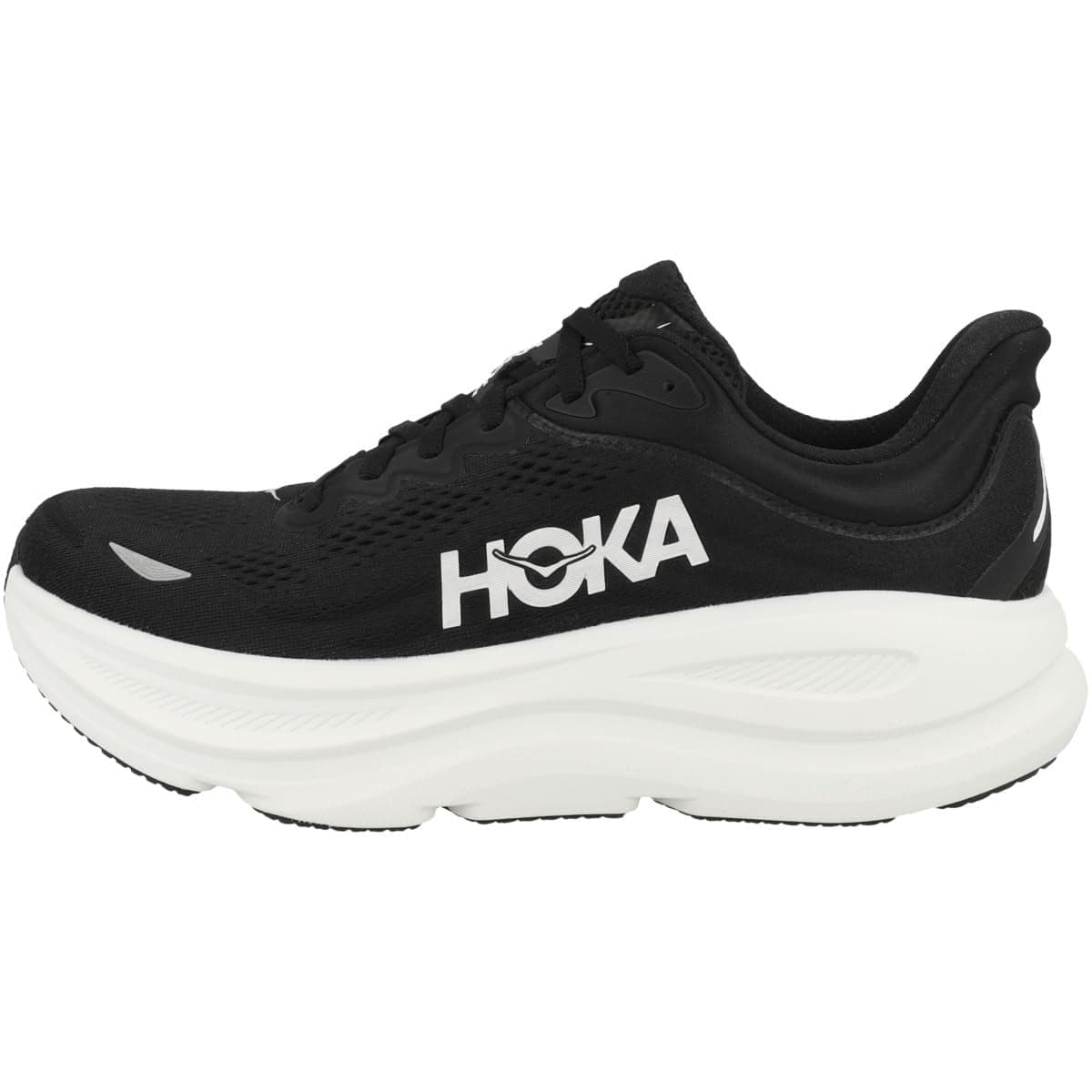
Best Overall for PavementResearch-based
Bondi 9
A plush road-running shoe with a 5mm drop. Compare the available widths and try it with your rucking socks before adding distance.
The Three Budget Tiers
Cushion-first pavement options. Hoka emphasizes plush cushioning; Brooks adds structured GuideRails support.
When pavement is only part of your route. Saucony has 4mm trail lugs; Salomon adds a waterproof membrane.
Hoka cushion in a commuter silhouette, with quick-toggle laces and a water-repellent finish. The pick for daily commute routes where you want a walking shoe that looks at home off the trail.
Price vs Performance Matrix
| Shoe | Price | Drop | Weight | Cushion | Best for |
|---|---|---|---|---|---|
| Hoka Bondi 9 | $150-300 | 5mm | 10.5 oz | Max | Pavement, max-cushion preference |
| Brooks Adrenaline GTS 25 | $50-150 | 10mm | 10.6 oz | Balanced | Roads, structured-support preference |
| Saucony Peregrine 16 | $150-300 | 4mm | 9.5 oz | Moderate | Mixed terrain |
| Salomon XA Pro 3D V9 GTX | $150-300 | 11mm | 13.0 oz | Firm | Wet mixed terrain |
| Hoka Transport 2 | $150-300 | 5mm | 11.3 oz (REI) | Balanced | Urban / commute rucking |
Head-to-Head: Top Alternatives
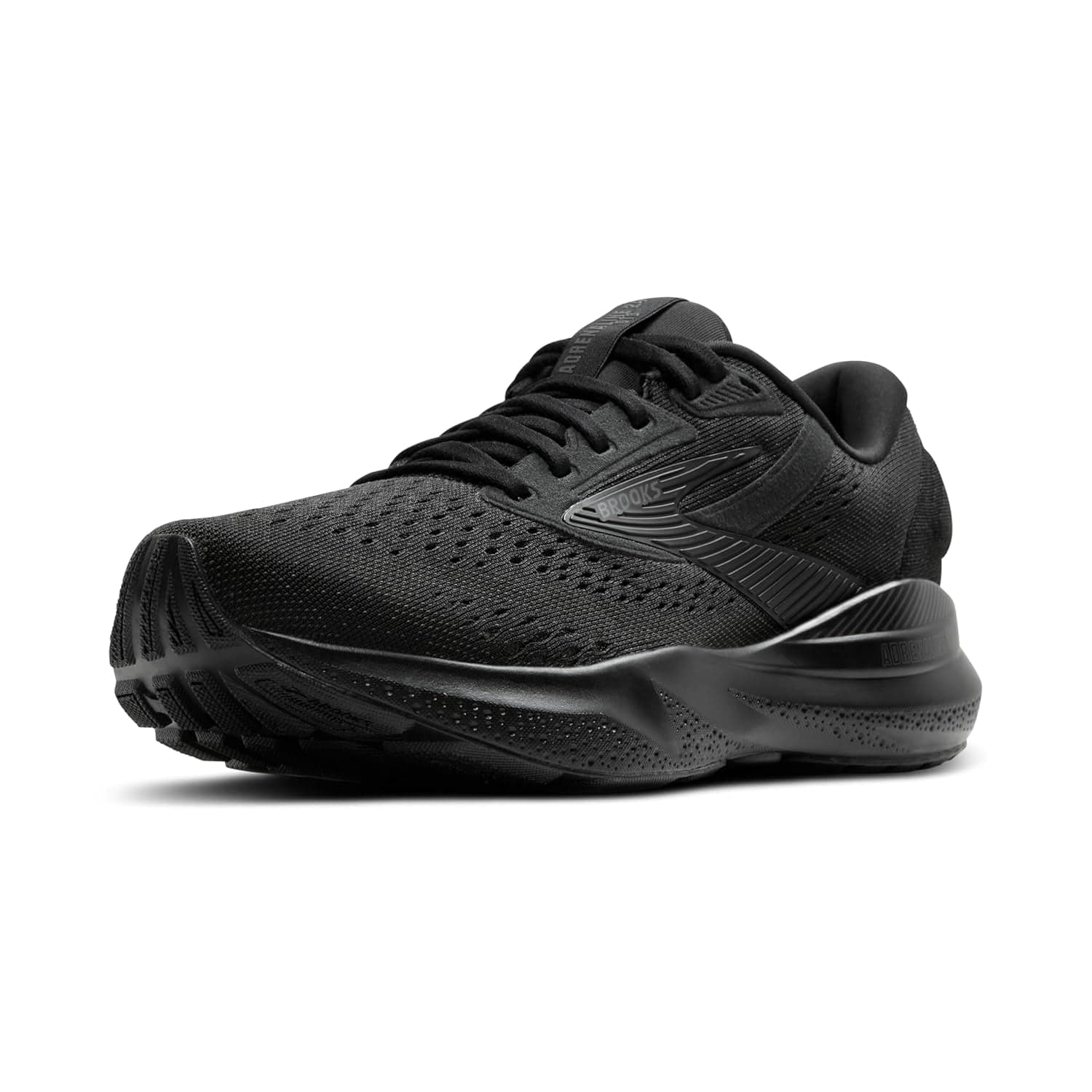
Brooks Adrenaline GTS 25Research-based
Adrenaline GTS 25
A road-running and walking shoe with GuideRails support and a 10mm drop. Compare it if you already prefer structured support, using the width selector as well as the size.
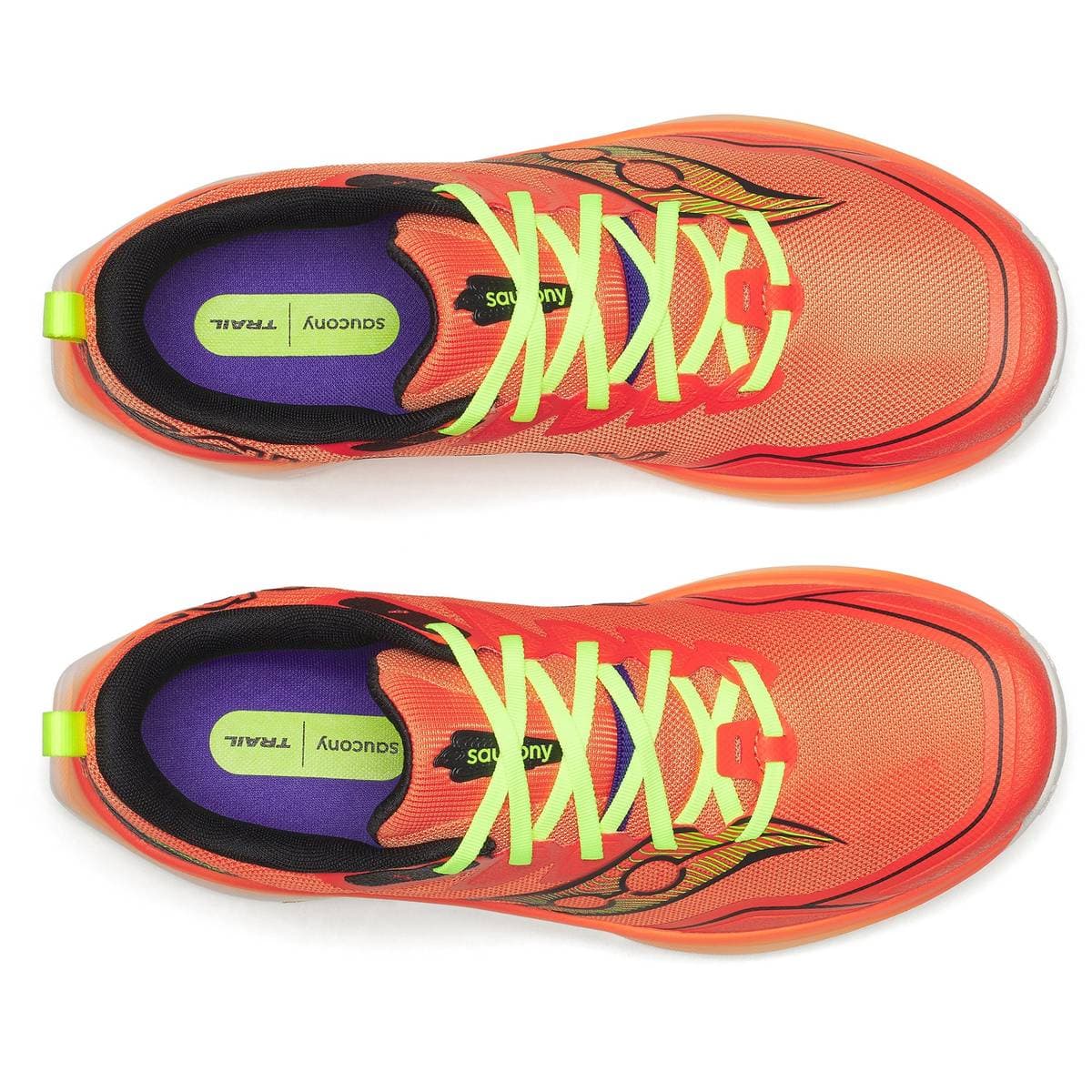
Saucony Peregrine 16Research-based
Saucony Peregrine 16
A trail shoe with 4mm lugs, a Vibram Megagrip outsole and PWRRUN cushioning. It belongs on the shortlist when pavement connects actual trail sections.
Salomon XA Pro 3D V9 GTXResearch-based
Salomon XA Pro 3D V9 GTX
A waterproof mixed-terrain shoe with an 11mm drop and a 3D Advanced Chassis. Consider it when your route needs trail protection and a waterproof membrane.
Hoka Transport 2Research-based
Transport 2
A walking and lifestyle shoe with a 5mm drop, quick-toggle laces and a Vibram EcoStep Recycle outsole. HOKA positions it for city-to-trail use; loaded commuting remains a use to check for comfort yourself.
Where GORUCK's Shoes Fit: Rough Runner, Ballistic Trainer, Mackall 45
GORUCK's Rough Runner is the road-oriented choice. The Ballistic Trainer has a firmer platform for training days that mix lifting and shorter loaded walks. Those placements come from GORUCK's product descriptions; we haven't worn either pair.
We've worn the Mackall 45 under a GR1 with a 20 lb plate. Its dense, supportive sole and grip impressed on loose trail, and the suede looks good off it. Choose it when your route mixes pavement with dirt or gravel; for uninterrupted sidewalk miles, start with the road shoes above.
For mixed routes, check current sizes and colors directly with GORUCK. Shop the Mackall 45 at GORUCK →
For fit, support and trail notes from our loaded walks: GORUCK Mackall 45 review →
Best Shoes for Rucking on Pavement: Fast Answer
For pavement rucking, look for a walking or running shoe that fits securely and stays comfortable under your actual load. The Hoka Bondi 9 is our max-cushion pick, the Brooks Adrenaline GTS 25 is the stability option, and the Saucony Peregrine 16 suits routes that mix roads with gravel or park trails.
A hard, consistent surface makes shoe fit and cushioning easy to notice over distance. Avoid changing footwear style and training load at the same time; test new shoes on shorter, lighter walks first.
If your route is not mostly road or sidewalk, compare the terrain-specific picks instead. Best rucking shoes by terrain →
Decision Shortcuts
- Mostly concrete sidewalks
- Compare the Hoka Bondi 9 if you prefer max cushion and do not need aggressive tread.
- Already prefer stability shoes
- Compare the Brooks Adrenaline GTS 25. Do not use a shoe recommendation to self-diagnose gait or recurring pain.
- Pavement plus park paths
- Compare Saucony Peregrine 16 when your route includes trail sections. Its 4mm lugs serve that terrain; dry sidewalks alone do not call for trail tread.
- Rain, events, and all-weather routes
- Compare Salomon XA Pro 3D V9 GTX when you need a waterproof shoe for mixed terrain. Check the event route and requirements instead of assuming every event needs waterproof footwear.
If Knee Pain Appears After Pavement Rucks
Knee pain can have many causes, and this guide cannot identify one from timing alone. Stop increasing the load or distance, and get individual assessment when pain recurs, changes gait, or limits normal activity.
- Check shoe fit
- Compare heel hold, toe room, width, and comfort on an unloaded walk before blaming or replacing the cushioning.
- Reduce training stress
- Return to the last load and distance that did not provoke symptoms rather than trying to finish a planned progression.
- Get recurring pain assessed
- A clinician or physical therapist can evaluate the specific location, history, and movement pattern.
If knee pain is already recurring, use the injury guide before buying another shoe. Rucking knee pain guide →
Rucker-Specific Fit Tips
- Allow toe room
- Feet can swell during longer walks, especially in heat. Try shoes with the socks you plan to wear and use fit, not a universal half-size rule.
- Wider toe box matters
- HOKA lists Bondi 9 in regular, wide and extra-wide; Brooks lists Adrenaline GTS 25 in narrow through extra-wide. Saucony offers a separate Peregrine 16 Wide. Width labels are not interchangeable across brands, so check toe room and heel hold with your usual socks.
- Change one variable at a time
- If minimalist or zero-drop shoes are new to you, do not introduce them at the same time as added pack weight. There is no universal heel-to-toe drop for rucking.
- Rotate if it helps
- A second pair can help shoes dry between wet or sweaty sessions, but it does not guarantee a specific increase in lifespan.
Side-by-Side Comparison
All picks at a glance - specs, ratings, and where to buy. How we rate →
| Product | Best For | Price | Our Rating | Buy |
|---|---|---|---|---|
| Pavement ruckers who prefer plush road cushioning. | $150-300 | Shop at Amazon · $150-300 | |
| Pavement ruckers who already prefer structured-support shoes. | $50-150 | Shop at Amazon · $50-150 | |
| Ruckers whose routes combine paved approaches with trails. | $150-300 | Shop at Amazon · $150-300 | |
| Ruckers on wet mixed-terrain routes who want waterproof footwear. | $150-300 | Shop at REI · $150-300 | |
| Commute ruckers seeking a walking shoe with everyday styling. | $150-300 | Shop at REI · $150-300 |
Choose Shoes for Pavement
The Hoka Bondi 9 is our max-cushion pavement pick. Compare the Brooks Adrenaline if you already prefer stability shoes, the Saucony Peregrine for mixed road and light trail, and the Salomon XA Pro for a heavier waterproof crossover. Fit on your foot matters more than the ranking.
Frequently Asked Questions
Yes, if they fit securely and remain comfortable under your current load and route. Test them on a shorter, lighter walk first. Do not combine a major footwear change with a large increase in load or distance.
Dry pavement alone does not call for waterproof shoes. The Salomon XA Pro 3D V9 GTX has a GORE-TEX membrane for wet routes; the standard Transport 2 has a water-repellent treatment, which is different from waterproof construction. Check the exact version and expected conditions, including an event's route requirements.
They may suit people already adapted to them, but do not introduce zero-drop footwear and a new loaded-walking program at the same time. Test one change at a time and reduce load or distance if gait or symptoms change.
There is no reliable rucking mileage for every shoe or person. Check outsole wear, midsole feel, upper damage, fit, and whether the shoe still feels stable and comfortable. Recurring pain needs assessment rather than an automatic shoe replacement.
Use the same fit test and try the shoe on your actual route. A max-cushion model may feel better to some people on concrete, while others prefer a firmer platform. The surface alone does not identify the right shoe or insole.
The Brooks Adrenaline, Saucony Peregrine, and Hoka Bondi are running-shoe models; the Salomon XA Pro is a heavier trail crossover. Whether one pair works for both activities depends on fit, pace, terrain, and preference.
Related Articles

Best Rucking Shoes by Terrain: Pavement, Trail, Mixed
Compare rucking shoes by terrain, including our loaded-walk experience with the GORUCK Mackall 45, plus pavement, technical-trail and boot picks.

Best Rucking Gear for Women: Packs, Vests, Shoes
Rucking gear for shorter torsos and different strap geometry, compared by fit range, load stability, adjustability, and current availability.
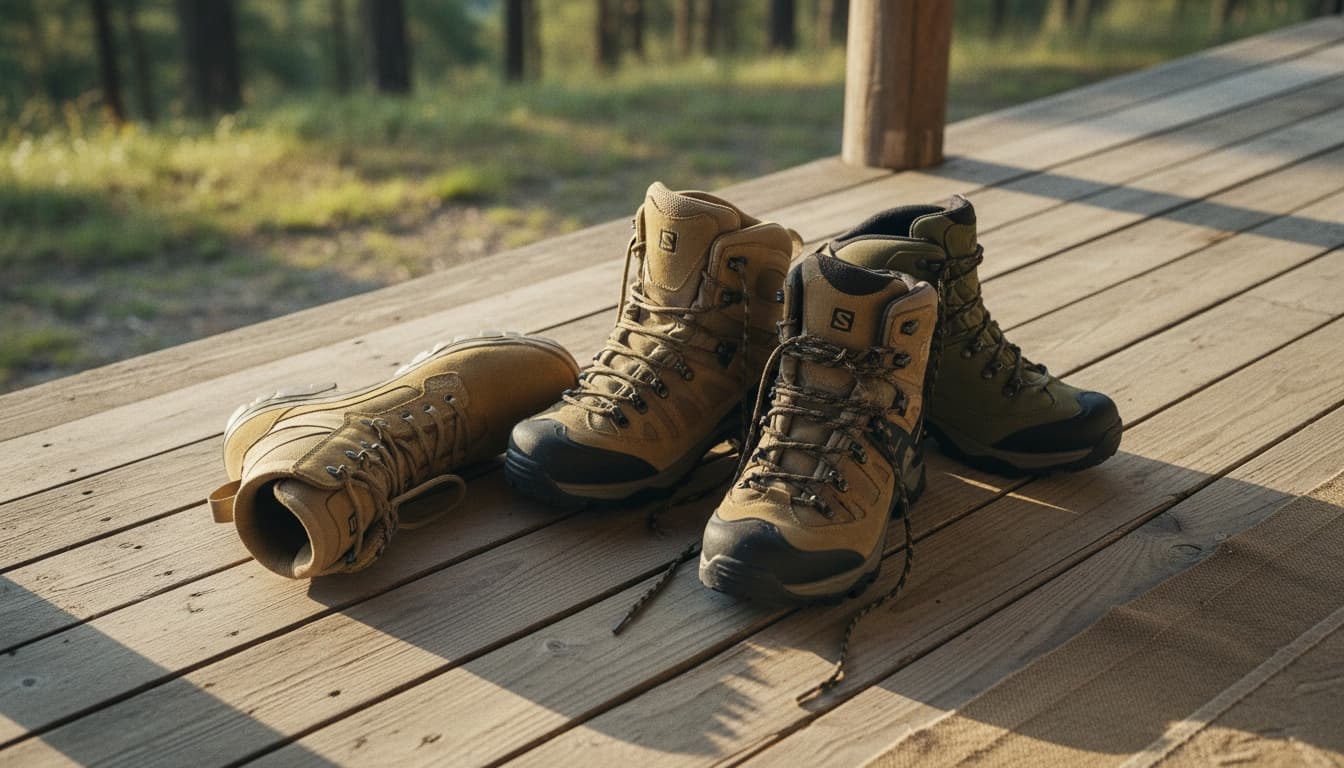
Best Rucking Boots for Beginners 2026: 3 Picks by Terrain
Compare LOWA Zephyr GTX Mid, Salomon Quest 5 and Garmont T8 Bifida boots for beginner rucking: fit, waterproofing, terrain and what to check before buying.

Best Rucking Gear 2026: Top Picks by Category
Our top rucking pick in every category for 2026: pack, plate, trail shoe, socks, a budget setup and women's gear, with links to the full guide behind each pick.