Gear Review
Budget Rucking Starter Kit
You don't need expensive gear to start rucking. Here's a complete kit for under $50 - researched and recommended for your first 30 days and beyond.

On this page10 sections
- Under $50: any daypack + wrapped bricks + good socks. That's it.
- Best weight: sand bags or wrapped bricks you already own, packed high and secured so they cannot move.
- Socks are the first comfort purchase. Merino or a good synthetic blend manages moisture better than cotton.
- Don't buy a ruck plate until you've rucked 30+ times. Find out if you like rucking first.
A Complete Starter Kit
You do not need perfect gear to start. Consistency matters more than equipment. Free start option: use any backpack you already own, fill it with books or water, and you're rucking. Budget starter kit (~$75–$150): entry-level pack, budget plate, and a pair of merino wool socks.
If you don't own a backpack, hit Goodwill or a thrift store and find one for $5–10. A bag of play sand costs $8. That is more than enough to get started and gives you everything needed for quality rucking sessions.
The Three Budget Tiers
Use the backpack you already own. Fill a gallon zip-lock bag with play sand or dry rice, seal it double, and put it in the main compartment. 20 lbs of sand weighs 20 lbs, same effect as a plate. Wrap it in a t-shirt to pad sharp edges. Start here.
Upgrade from sand to a real plate. The Yes4All Cast Iron plate is the best per-dollar spend in rucking gear. Add a pair of Darn Tough socks with their lifetime warranty. Combined with a pack you own, this is a complete working kit.
An ultra-budget option to try rucking with a dedicated pack. The Condor 3-Day fits plates and gear and holds up for initial training. Better alternatives for most ruckers: the 5.11 RUSH 12 or a used REI/Osprey hiking pack. Upgrade to a quality rucksack once rucking sticks.
Head-to-Head: Top Alternatives

CONDOR 3-DayResearch-based
CONDOR 3-Day Assault Pack
An ultra-budget option to try rucking with a dedicated pack. 50L capacity and full MOLLE webbing at a low price. For most ruckers, a 5.11 RUSH 12 or used hiking pack is a better starting point.
Yes4All PlateResearch-based
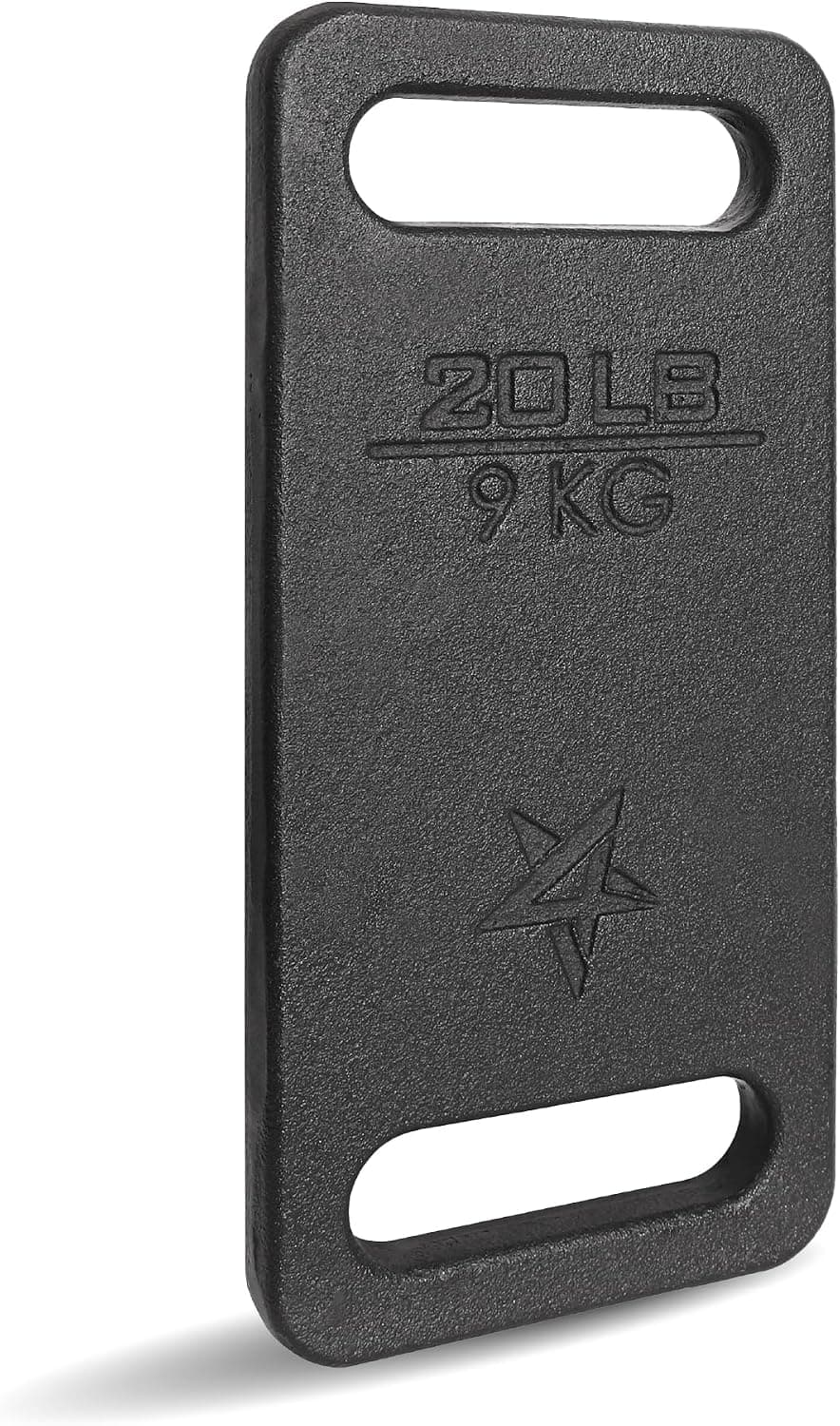
Yes4All Cast Iron Rucking Weight 20 lb
A single 20 lb cast-iron rucking plate with rounded edges and two handles. Check the long plate dimensions against your pack sleeve before ordering.

Darn ToughResearch-based
Darn Tough Light Hiker Micro Crew
A 43% merino, 54% nylon, 3% Lycra blend with light cushioning, knit in Vermont and backed by Darn Tough's unconditional lifetime guarantee. Check the current warranty terms before submitting a claim.
The Backpack
You don't need a tactical rucksack costing $300. Use what you have: a school backpack, work bag, old hiking daypack, or gym bag. Requirements are two shoulder straps, somewhat padded straps, and structural integrity (it shouldn't be falling apart).
- Jansport or similar school backpack ($5–8 thrifted)
- Surprisingly durable for rucking. Designed to carry heavy textbooks, so 20–25 lbs is no problem. Straps are padded and most have a chest strap. Not water-resistant, but fine for fitness rucking.
- Old REI or hiking daypack ($5–10 thrifted)
- These occasionally show up at Goodwill. If you find a 20–30L hiking pack from REI, Arc'teryx, or Osprey, you've found something built for real loads that will last years.
- Amazon Basics 20L backpack
- Not luxurious, but has everything you need: padded straps, decent capacity, and a functional hip belt. Solid choice if you want to buy new at minimum cost.
- 5.11 RUSH 12 2.0
- A step up from ultra-budget options. Better construction, proper load panel, and comfortable straps. A simple and effective starter setup if you want to buy a dedicated rucking pack from day one.
For a detailed selection guide when you're ready to upgrade, see our backpack roundup. Best Rucking Backpacks →
DIY Weight: What to Use Instead of a Plate
A ruck plate is a convenience, not a requirement. The most important factor is that the weight stays high and close to your back - not the brand of plate. Here are the best DIY weight options.
- Play sand in zip-lock bags
- Buy a 50 lb bag at any hardware store for $5–8. Fill two gallon zip-lock bags to your target weight, double-seal them, wrap in an old t-shirt. 20 lbs of sand weighs exactly 20 lbs. Downside: it shifts more than a flat plate.
- Dry rice or dry beans
- Same principle as sand, even cheaper if you already have it. Use a heavy-duty freezer bag and double-bag it. Works fine for regular training.
- Textbooks or hardcovers
- A stack of hardcovers in a flat plastic container sits flush against your back and doesn't shift. Free if you have them. Library sale books work just as well.
- Dumbbells wrapped in towels
- A 20 lb dumbbell wrapped in a folded towel fits into most packs. Awkward shape means it won't sit flat, but it works for shorter rucks. Better for figuring out your target weight than long-term training.
Once you've done 15–20 rucks and want something cleaner, that is the right time to consider the verified Yes4All 20 lb cast-iron plate. Until then, a securely packed flexible load gets the job done.
Compare exact plate options and pack fit before buying. Compare Ruck Plates →
Hydration
Any reusable water bottle between 20–32 oz works. You don't need a specialized hydration pack yet. A Nalgene ($8), a metal bottle from your kitchen ($0), or a built-in hydration bladder if your pack has one are all fine.
Hydration rule: drink 12–16 oz every 30 minutes of rucking. For a one-hour ruck, you need 24–32 oz. A single bottle is enough. In hot weather, carry two or plan a refill stop. Cold weather: one bottle is plenty for a 45-minute ruck.
What You Don't Need Yet
Beginners frequently overbuy before knowing if rucking will stick. Here's what to skip for the first month.
- Ruck plate
- Sand-filled bags work identically for fitness purposes. Skip it until you've done 20 or more rucks. By then you'll know if rucking is your thing and whether a plate is worth the upgrade.
- GPS watch
- Your phone with free Strava or MapMyRun has GPS accurate enough for rucking. Expensive watches add almost nothing for fitness rucking.
- Special shoes
- Your current walking or hiking shoes are probably fine to start. Don't buy new shoes until you know your feet hurt in them after a ruck. One note: avoid overly soft running shoes if carrying 30+ lbs - they can feel unstable under load.
- Compression gear, gloves, hydration packs, chest monitors
- All nice-to-haves after you've confirmed rucking is your thing. Every one of them is optional for the first month.
When to Upgrade (and What to Upgrade First)
This setup is designed to get you started. If you stick with rucking, upgrading your pack and footwear will make a significant difference. When you're ready, here's the priority order.
- 1. Pack (once you're rucking regularly)
- When your current bag starts feeling unstable or doesn't distribute weight well, upgrade to a purpose-built pack. A 5.11 RUSH 24 or women's-specific Osprey Tempest Velocity 20 is a good next step. This matters most for heavier loads and longer rucks.
- 2. Shoes (once you're rucking 3+ times per week)
- If your current shoes cause foot pain, blisters, or ankle discomfort during rucks, upgrade to a proper trail runner or hiking shoe. Budget $120–160 for a quality pair.
- 3. Ruck plate (once you want structured weight)
- A 20 or 30 lb ruck plate ($30–60) sits flatter and more securely than bags. It's a comfort and durability upgrade. Your rucks will work fine with DIY weight for as long as you want.
- 4. HR monitor or GPS watch (once you're training specifically)
- Once you want to track heart rate zones or precise pace, invest in a watch or chest strap. Until then, your phone is enough.
For shoe recommendations once you're ready to upgrade footwear, see our full comparison. Best Rucking Shoes by Terrain →
New to rucking? Start with the fundamentals. Beginner's Guide to Rucking →
Side-by-Side Comparison
All picks at a glance - specs, ratings, and where to buy. How we rate →
| Product | Best For | Price | Our Rating | Buy |
|---|---|---|---|---|
| Short walks under 30 lbs where you just want a cheap pack to test if rucking is for you before committing to better gear. | $50-150 | Shop at Amazon · $50-150 | |
| Budget-minded ruckers who want a real 20 lb plate and will secure it inside a sturdy backpack sleeve. | $25-50 | Shop at Amazon · $25-50 | |
| Ruckers who prefer a light-cushion merino blend and value a long warranty. | $25-50 | Shop at Amazon · $25-50 |
What to Buy on a Budget
Start with the pack you own and a securely sealed, padded load. The first useful upgrade is a quality pair of merino socks. When you've done enough rucks to justify dedicated weight, the verified Yes4All 20 lb plate gets you off DIY load without premium pricing, and the Condor 3-Day is one possible budget tactical pack.
Frequently Asked Questions
Yes. You need a pack that fits securely, has a waist or sternum strap to stabilize the load, and can hold 20–30 lbs without the seams giving out. Daypacks, hiking packs, and old military surplus bags all work. The main thing to avoid is shoulder bags or anything without a proper back panel.
No. Sand, dry rice, or a heavy book wrapped in a towel all work for your first several weeks. The advantage of a real plate is consistent weight, no shifting, and a flatter profile that rides closer to your back. But none of that matters until you've done enough rucks to know the activity will stick.
10–15 lbs for the first two to four weeks. Your lower back, hips, and feet need time to adapt to loaded movement even if your cardio is already strong. The standard progression is 10% of body weight to start, then add weight every two to three weeks as it starts to feel manageable.
Nothing if you already own a sound backpack and can secure a household load safely. If you invest in one thing, start with quality socks. A dedicated 20 lb Yes4All plate plus socks is roughly a $60–80 upgrade; a dedicated pack can wait until you know you will train consistently.
Related Articles
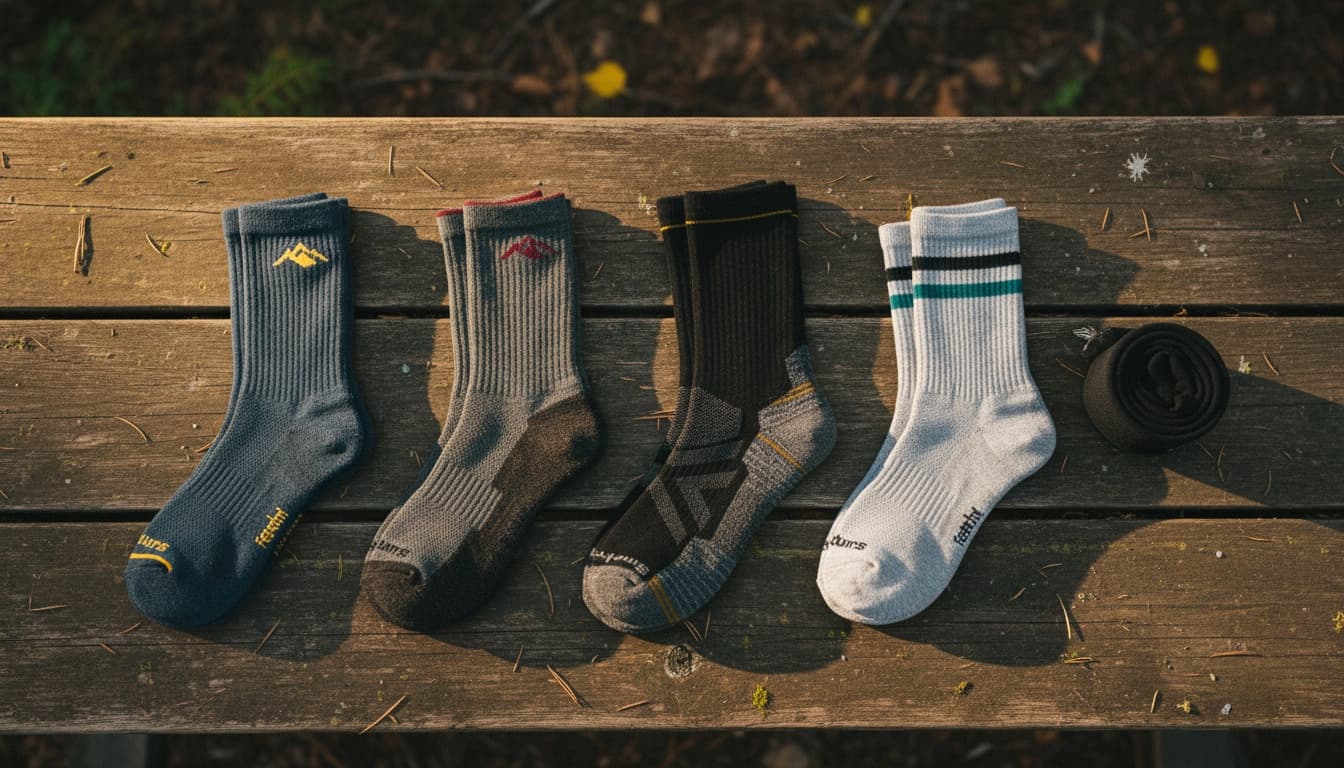
Best Rucking Socks (2026): Blister Prevention Under Load
Seven rucking socks compared for merino content, cushion placement, and blister prevention at 30+ lb loads. Covers Darn Tough, Smartwool, Feetures, Swiftwick, Injinji, and the two-sock system.

Best Rucking Gear in 2026: Our Top Picks Across Every Category
The best rucking packs, plates, shoes, and accessories - ranked, scored, and updated monthly.
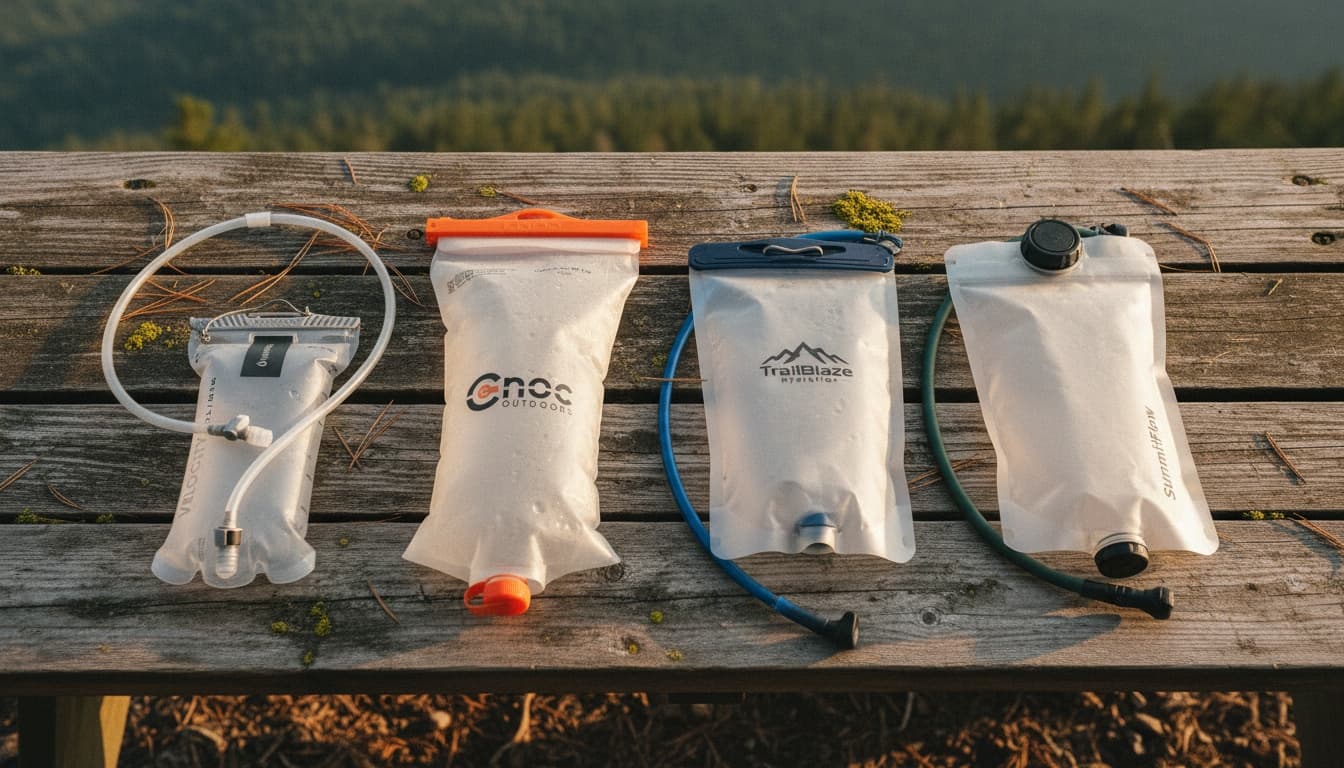
Best Hydration Bladders for Rucking in 2026
Best hydration bladders for rucking in 2026. Durable, leak-proof bladders that handle weighted movement and heavy breathing during long ruck marches.

Best Compression Gear & Recovery Tools for Rucking in 2026
The 7 best compression socks, knee sleeves, recovery shoes, and self-massage tools for ruckers. What the research actually says about compression - and what works regardless.