Gear Review
Smartwool Merino Base Layers Review: Best Base Layers for Rucking?
Smartwool merino base layers reviewed for rucking: moisture control, odor resistance, warmth, durability, fit, and layering value.
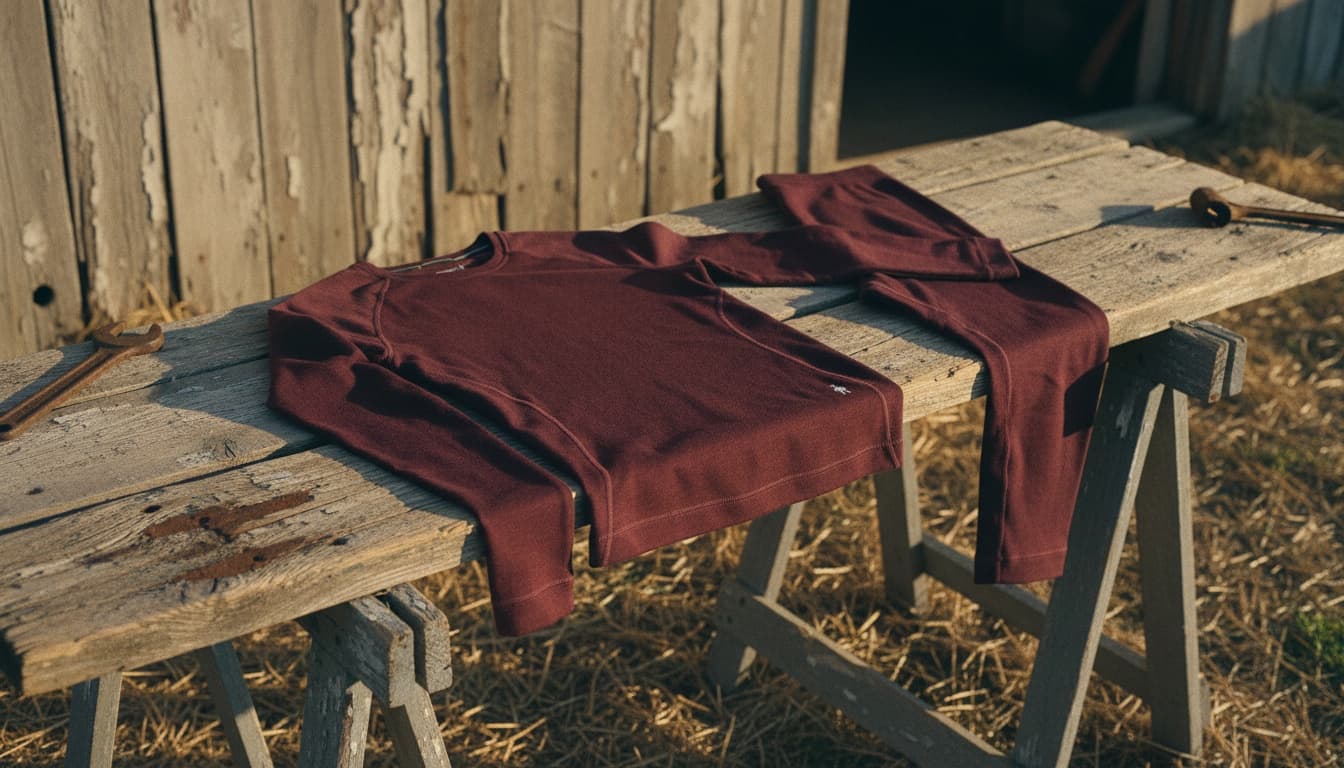
Under a weighted ruck pack, the base layer is the fabric pressed between your back and the load. It decides how much sweat sits against your skin and whether seams rub under the straps. Smartwool sells its merino base layers on odor resistance and temperature regulation; this page looks at which of its fabric weights and constructions make sense for rucking.
This is a specification-led review of where Smartwool's fabric weights, blends, fit, and care requirements make sense for loaded walking. Ruck Authority has not field-tested these layers, so everything here comes from Smartwool's published specifications.
Overview
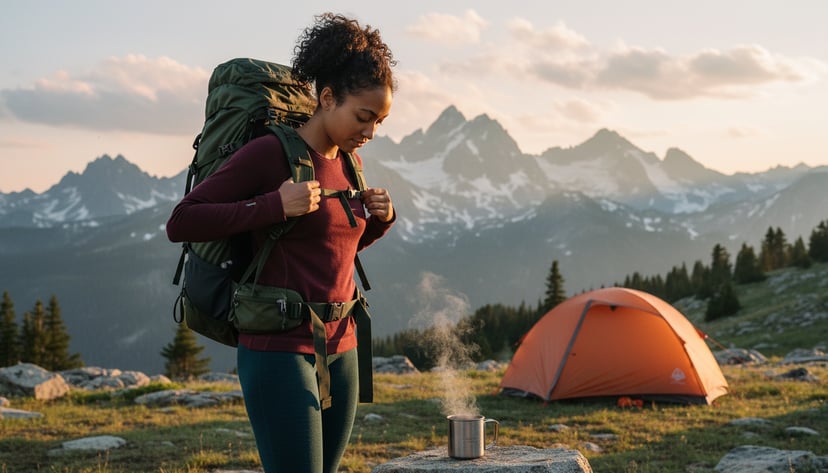
Smartwool's current merino base layer line splits by fabric weight: the lightweight Classic All-Season at 150 g/m², the midweight Classic Thermal at 250 g/m², and the body-mapped Intraknit range. Fiber content differs by line. The All-Season wraps merino around a recycled nylon core for durability, while the Classic Thermal is 100% merino. Smartwool describes its merino as responsibly sourced.
Smartwool attributes three properties to merino: odor resistance, moisture management and temperature regulation. Those are the reasons to pay more than you would for a synthetic layer, and they count most when you wear the same layer for long efforts or several days between washes.
The product line covers everything from lightweight 150 g/m² options for mild weather rucks to midweight 250 g/m² pieces for cold conditions, with both crew neck and zip options for tops, plus full coverage bottoms.
Key Specs
Materials: Fiber content depends on the line. The Classic All-Season is 88% merino wool and 12% recycled nylon, with the nylon at the core so only merino sits against your skin. The Classic Thermal is 100% merino wool. Smartwool lists the Classic Thermal's wool as ZQ merino, meaning it comes from growers certified under the ZQ standard.
Weight Categories:
- Classic All-Season: 150 g/m² (lightweight) for year-round use in mild to cool conditions
- Classic Thermal: 250 g/m² (midweight) for cold-weather layering
Construction Features: Both the Classic All-Season and the Classic Thermal use flatlock seams with offset shoulder and side seams, which Smartwool says are designed to minimize chafing. Its All-Season description adds that the offset seams are placed to lie smoothly beneath pack straps. Body-mapped knit zones belong to the separate Intraknit range.
Fit Options: Slim fit, which Smartwool says follows the contours of the body, in men's and women's cuts. The men's crews run S to XXL, and the Classic Thermal also comes in XS.
Care: Follow the label for the exact garment. The current Classic All-Season and Classic Thermal labels list a warm machine wash on a gentle cycle, no bleach, and tumble dry low. Smartwool's general wool-care guidance also recommends mild detergent, no fabric softener, and air drying when possible.
Smartwool says the All-Season's recycled nylon core adds durability. The 100% merino Classic Thermal has no nylon core, which is worth weighing if it will spend most of its life under pack straps.
What the product specifications mean for rucking

Smartwool separates its current line by fabric and temperature role rather than claiming one shirt works everywhere.
Classic All-Season: Smartwool lists this as a 150 g/m² fabric of 88% merino and 12% recycled nylon, with the nylon at the core. It is the most logical starting point for mild-weather rucking because the lighter fabric is intended for year-round activity and layering.
Classic Thermal: The current crew is a 250 g/m², 100% merino layer intended for cool-to-cold conditions. It uses a slim fit, flatlock seams, and offset shoulder and side seams, which are relevant under pack straps, but the warmer fabric can be too much for hard efforts in mild weather.
Intraknit: Smartwool uses body-mapped construction and ventilation zones. It is the more technical option when articulation and heat management justify the higher price.
Durability question: A nylon-core blend should be the first comparison for repeated use under pack straps. Ruck Authority has not completed an abrasion or wash-cycle field test, so this page does not assign a lifespan to any model.
Smartwool attributes moisture management, odor resistance, and temperature regulation to merino wool. Those are manufacturer claims, not results from a Ruck Authority field test. The practical decision is fabric weight, blend, seam placement, fit, care, and whether the retailer allows an indoor fit check under your pack.
Who It's Best For
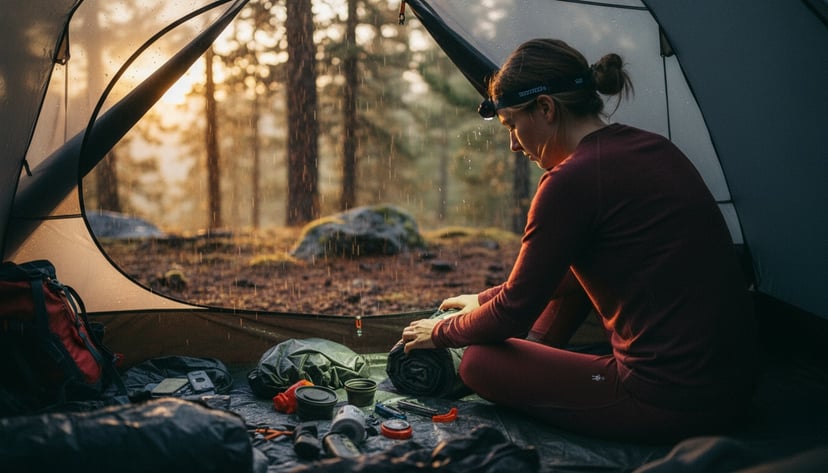
Smartwool merino base layers work best for:
Multi-Day Ruckers: Merino's manufacturer-stated odor resistance makes it a reasonable category to consider when washing is not practical.
Variable Weather Ruckers: A 150 g/m² all-season layer can bridge cool starts and warmer movement more easily than a 250 g/m² thermal piece.
Ruckers sensitive to seam placement: Flatlock and offset seams are worth comparing against the exact contact points of your weighted pack. Fabric preference still requires an individual fit check.
Not Ideal For: Budget-conscious ruckers doing mostly day training, or anyone who wants the most abrasion-resistant fabric, which usually means a synthetic. If you're doing basic neighborhood ruck training and washing after each session, a synthetic layer costs less and handles sweat well enough.
Comparison to Alternatives
Compare alternatives on the same measurable dimensions:
Other merino brands: Match fabric weight, merino percentage, nylon reinforcement, seam placement, fit range, care instructions, warranty, and current price. A brand name alone does not establish durability under straps.
Synthetic options: Usually cost less and may dry faster. They make sense for day training when the garment is washed after every use and odor management across several days is not a priority.
Merino blends: Sit between the two. A nylon-core blend trades some merino percentage for a construction intended to improve durability and shape retention.
Smartwool sits in the premium tier. The price makes sense if you value natural fiber benefits, but budget alternatives still work for basic moisture management needs.
Which Smartwool Layer to Buy
Smartwool merino base layers are most compelling for rucking when odor management, multi-day wear, and warmth across changing conditions matter more than low price or maximum abrasion resistance.
Price is the main trade for most ruckers. The case for merino is strongest if you do multi-day events or often ruck in changing conditions. For basic training rucks where you wash the layer after each session, a synthetic layer costs less and handles sweat well enough.
The 150 g/m² Classic All-Season is the broadest starting point for most rucking applications. Move to the 250 g/m² Classic Thermal when cold-weather warmth is the actual requirement.
Frequently Asked Questions
Smartwool markets merino for odor resistance, but there is no universal wear interval. Wash based on odor, soil, sweat, skin needs, and the care label for the exact garment.
Follow the exact garment label. Current Classic Thermal product pages list a warm gentle machine wash and low tumble dry, while Smartwool's general wool-care guidance recommends gentle washing, no bleach or fabric softener, and air drying when possible.
The 150 g/m² Classic All-Season is the more versatile starting point for mild-to-cool training and layering. Use the 250 g/m² Classic Thermal for genuinely cold conditions.
Smartwool describes these base layers as slim fit. Use the current size chart rather than assuming your size from another brand, and check that shoulder and side seams do not sit under pressure points from your pack.
They make the most sense when merino, multi-day odor management, seam placement, or cold-weather layering solves a specific problem. A less expensive synthetic layer is often sufficient for day training followed by a wash.
Ruck Authority does not yet have a completed abrasion or long-term field test, so we cannot assign a lifespan. Pack fit, strap texture, fabric blend, washing, and rotation all affect wear.
Related Articles
5.11 Tactical Base Layer Collection: Community Review & Analysis
5.11 Tactical base layers reviewed for rucking: synthetic vs merino options, moisture control, layering fit, durability, and value.
GORUCK Basic Rucker: Introduction, Plate Fit and Current Options
An introduction to the GORUCK Basic Rucker, its Standard plate pocket, 14L and 17L sizes, current price and the decision between a backpack and plate carrier.
GORUCK Ruck Plates: Standard and Curved, Explained
My GORUCK Standard 10, 20 and 30 lb plates and Curved vest pairs: what the weight labels mean, which carrier they fit, and the current cost.
GORUCK Rucking Weight Vest Review: Three Weeks at 20 lb
My GORUCK Rucking Weight Vest review after three weeks at 20 lb: secure curved plates, L/XL fit limits, phone pocket, heat and plate installation.