Gear Review
Best Rucking Boots for Beginners 2026
Compare Garmont T8 Bifida, Salomon Quest 5 and LOWA Zephyr GTX boots for beginner rucking: fit, waterproofing, terrain and what to check before buying.
On this page12 sections
- Garmont T8 Bifida: No waterproof membrane
- Salomon Quest 5 GORE-TEX: Waterproof backpacking construction
- LOWA Zephyr GTX Mid TF: Waterproof mid-cut option
- Fit before a long walk
Choose for the ground you actually walk
If your current walking shoes fit well on your usual route, try those first. A heavier pack does not create a universal cutoff at which you need boots. These three are worth comparing when you want more coverage, a firmer platform on rough ground, or waterproofing.
The Garmont T8 Bifida is the non-waterproof option here. The Salomon Quest 5 GORE-TEX is built for hiking and backpacking; the LOWA Zephyr GTX Mid TF offers a mid-cut waterproof alternative. Fit and weather separate them more usefully than an overall score.
This is a research-based comparison, not a hands-on boot test. We checked the specifications linked below. We have not measured break-in time or service life for these pairs.
If your miles are unloaded trail hikes rather than weighted carries, our sister site Kit Authority's hiking boots guide covers that decision.

The Benchmark: Garmont T8 Bifida
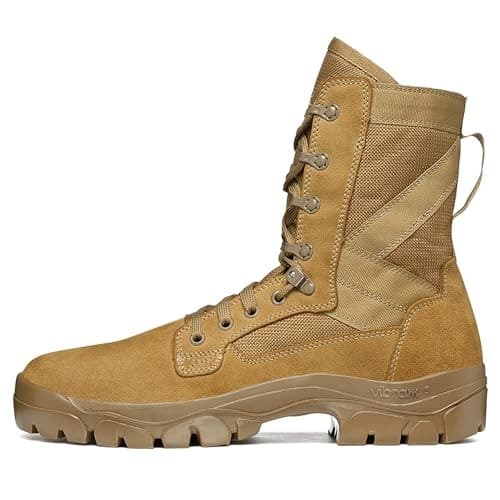
Non-waterproof tactical optionResearch-based
T8 Bifida
An 8-inch tactical boot with a suede/textile upper and Vibram Bifida outsole. The standard T8 Bifida has no waterproof membrane. Check the exact listing for size and production variant.
Before you spend on boots
Try your existing footwear first. If you need a new pair, compare the final price and return terms in your size. A waterproof lining and taller cuff are useful only when they suit your routes.
Waterproofing and construction compared
| Boot | Waterproofing | Construction | What to weigh up |
|---|---|---|---|
| Garmont T8 Bifida | No membrane | Suede and textile; 8-inch shaft; Vibram Bifida sole | For non-waterproof coverage; a tall shaft means more lacing |
| Salomon Quest 5 GORE-TEX | GORE-TEX | Leather/synthetic upper; 4D Advanced Chassis; 12 mm drop | Backpacking design for rocky terrain; more boot than many paved routes need |
| Lowa Zephyr GTX Mid TF | GORE-TEX | Split leather/textile; MONOWRAP frame; mid-cut shaft | Waterproof mid-cut option; distinguish the original TF from the MK2 |
Head-to-Head: Top Alternatives
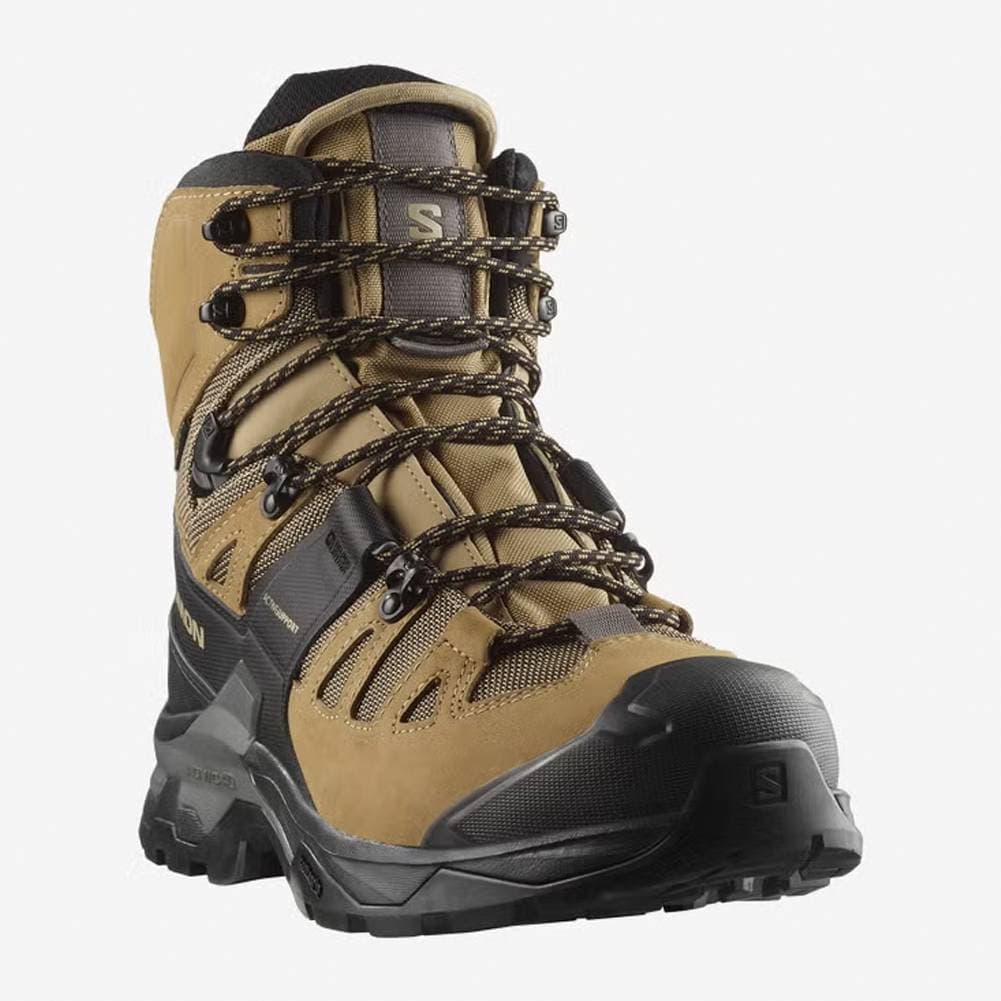
Salomon Quest 5Research-based
Salomon Quest 5 GORE-TEX
A waterproof hiking and backpacking boot with a 4D Advanced Chassis and leather/synthetic upper. Salomon lists a 12 mm drop and rocky, technical terrain as its intended use.
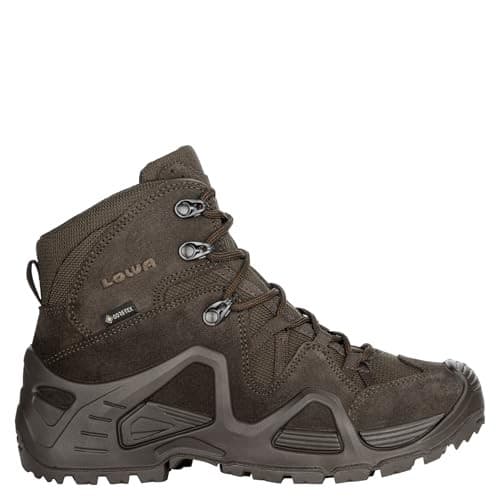
Lowa ZephyrResearch-based
Zephyr GTX Mid TF
The original Zephyr GTX Mid TF pairs a split-leather/textile upper with a GORE-TEX lining and LOWA MONOWRAP frame. Check the model name when shopping: the Zephyr MK2 is a different version.
What to check while trying them on
- Heel hold
- Walk up stairs or a store ramp. The heel should feel secure without having to crush the front of your foot with the laces.
- Toe clearance
- Try a downhill slope if available. Your toes should not hit the front. Use the socks you plan to wear, and check both feet.
- Flex and cuff pressure
- Walk, bend and crouch. Notice where the sole flexes and whether the cuff presses into your leg. A taller boot is not automatically a better fit.
Do not buy a break-in problem
Do not accept numb toes, persistent heel rubbing or a cramped forefoot on the promise that the boot will stretch. Materials can soften, but extra miles do not guarantee a fit correction. Check return terms before wearing a new pair outdoors.
Boots or shoes for your route?
For sidewalks and smooth paths, a comfortable walking or trail shoe may be all you need. Rough ground, brush and wet weather can make a boot worth trying. Pack weight alone cannot tell you which footwear will fit or perform best.
For road routes, compare shoes before committing to boots. See the pavement shoe guide →
Try them before a long ruck
- Start indoorsWear your usual socks and adjust the laces. Check heel movement, toe clearance and pressure around the ankle while the pair is still returnable.
- Take a short local walkOnce the fit is right, start with an easy route close to home. Stop and inspect rubbing rather than waiting for it to become a blister.
- Add your pack graduallyKeep the first loaded walks short. Increase distance or load after comfortable outings. There is no verified five-mile or thirty-mile break-in requirement for these boots.
Inspect the pair you already own
Look for a separating sole, worn tread, damaged lacing hardware or a lining that rubs through. If comfort or traction has changed, compare it with a sound pair before planning a long route.
Product sources and model checks
Specifications checked September 14, 2026. Check the exact Garmont T8 variant when shopping. LOWA specifications below refer to the original Zephyr GTX Mid TF; the MK2 is a different model.
Garmont standard T8 specifications: Garmont T8 Bifida at Galls →
Salomon manufacturer specifications: Salomon Quest 5 GORE-TEX →
LOWA original TF specifications: LOWA Zephyr GTX Mid TF →
Side-by-Side Comparison
All picks at a glance - specs, ratings, and where to buy. How we rate →
| Product | Best For | Price | Our Rating | Buy |
|---|---|---|---|---|
| Walkers who want a non-waterproof tactical boot with an 8-inch shaft. | $150-300 | Shop at Amazon · $150-300 | |
| Walkers comparing waterproof backpacking boots for rocky trails. | $150-300 | Shop at Amazon · $150-300 | |
| Walkers who want a waterproof mid-cut boot for mixed trail and everyday use. | $150-300 | Shop at Amazon · $150-300 |
Choose Your First Rucking Boots
Keep a comfortable pair you already own if it works on your route. For a new boot, shortlist the T8 Bifida when you do not want a waterproof membrane, the Quest 5 for its backpacking construction, and the Zephyr GTX Mid TF for a waterproof mid-cut option. Choose the pair that holds your heel without crowding your toes.
Frequently Asked Questions
Choose for fit and terrain. Comfortable walking or trail shoes may suit paved routes. Boots offer more coverage and can provide a firmer platform, but there is no universal pack-weight threshold that requires them.
There is no verified mileage requirement for these three models. Check the fit indoors, then take short walks before adding your normal pack. Persistent rubbing or cramped toes deserve a fit adjustment, not a fixed number of extra miles.
Yes, if they fit comfortably and the soles, tread and lacing are sound. Start with a short familiar route to see how they feel with your pack.
You may not need a new pair. If you do, compare the price and return terms for your exact size. Paying more for waterproofing or a taller shaft makes sense only if you need those features.
GORE-TEX is useful for wet grass, rain and shallow puddles below the cuff. It cannot keep water out when it enters over the top. The Quest 5 and Zephyr GTX have waterproof membranes; the standard T8 Bifida does not.
Related Articles

The $50 Rucking Starter Kit: Everything You Need on a Budget
A complete kit for under $50 - no GORUCK required.
GORUCK Ruck Plate Carrier 3.0 vs Rucker 5.0
Compare the GORUCK RPC 3.0 and Rucker 5.0 for plate fit, water and gear storage, sizing, and event use. Choose around what you actually carry.
GORUCK Rucker 5.0 Review: Is It Worth It Over the 4.0 in 2026?
GORUCK replaced the Rucker 4.0 with the 5.0, and the discount on remaining 4.0 stock is smaller than most people expect. Here is what actually changed and which one to buy.

Best Ruck Plates 2026: Match the Plate to the Pocket
Compare GORUCK Standard and Long plates, Rogue vest pairs, Yes4All and flexible weights by dimensions, retention and the pack you own.