Skip to content
Built for Rucking through winter (below 32°F, ice, packed snow)

Winter Training

A below-freezing setup for keeping water liquid, adding traction on ice, and managing sweat when you stop moving.
We may earn from Amazon and GORUCK purchases. GORUCK may also provide gear for testing; partners do not approve our conclusions. How we make money
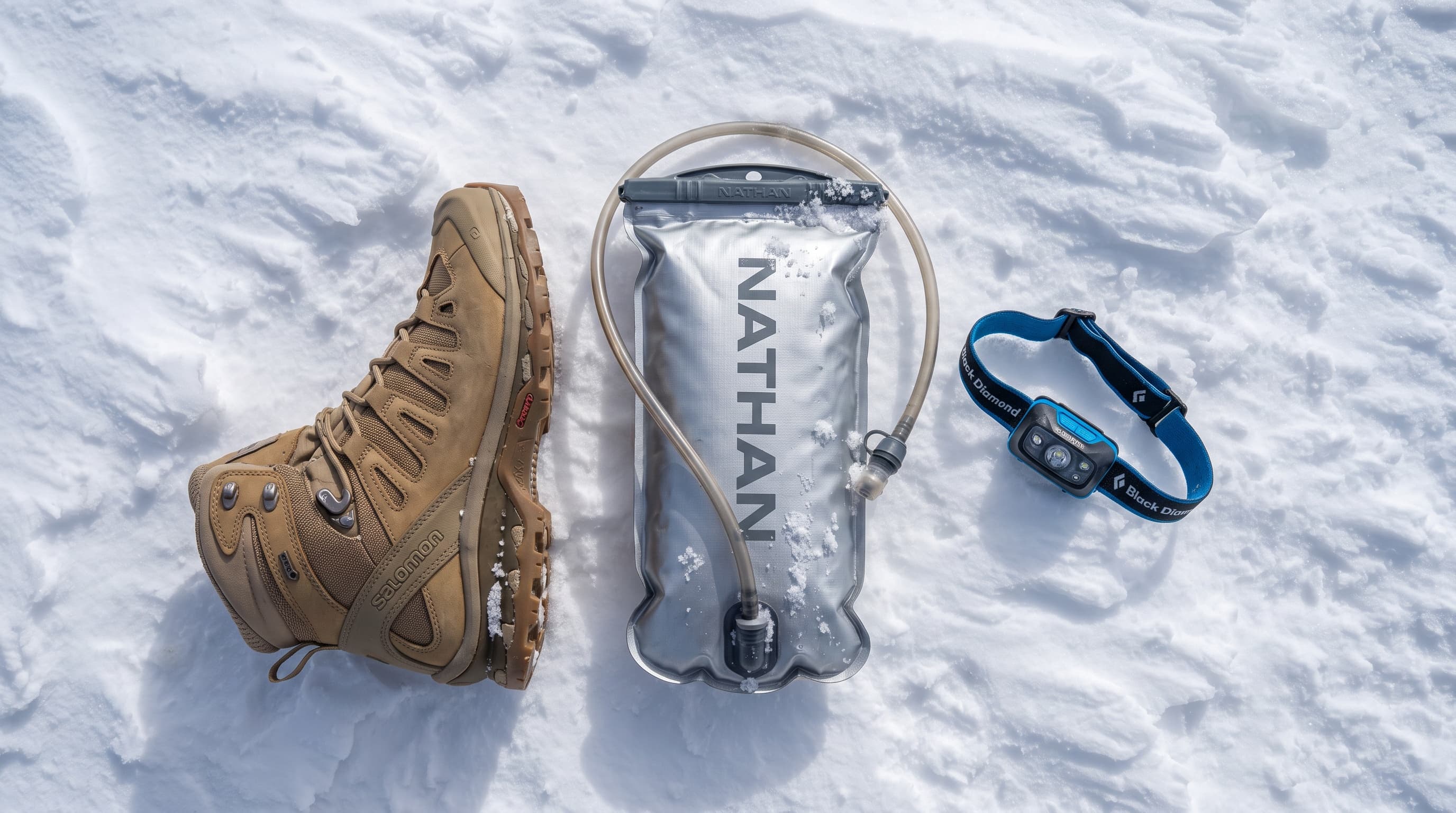
Winter Training kit flat lay

Adds gloves for wet snow, an auto-adjusting headlamp, and a shell for sustained sleet and wind.

New to rucking

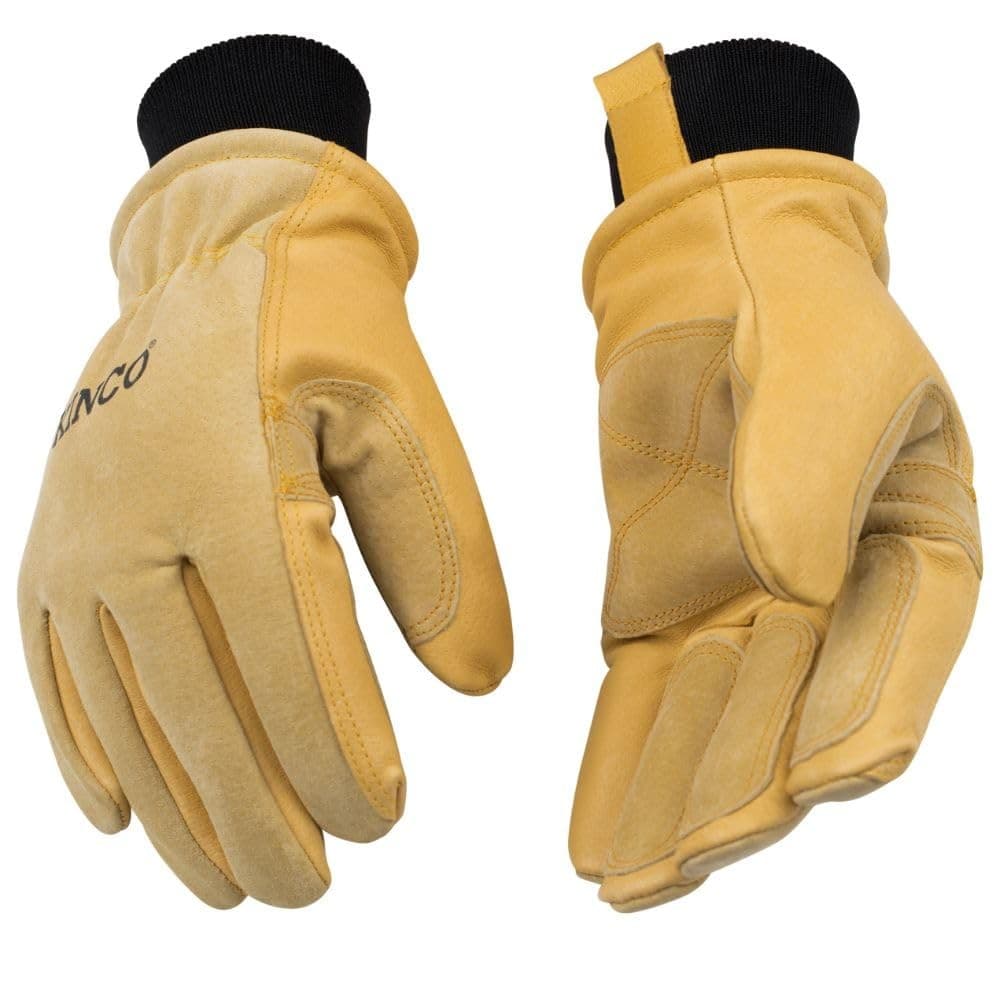
Start with Kinco 901 Lined Pigskin Ski Gloves, then add the pieces that solve a real need on your route.

Go to the first pick
Already have some gear

Skip what you own and fill only the gaps. Every item opens separately so you can check fit, current stock, and the exact option before buying.

See every item
Kit total
$1000+
Shop the items

Shop the kit item by item

Open each product to check the current price, size, and availability before you buy.
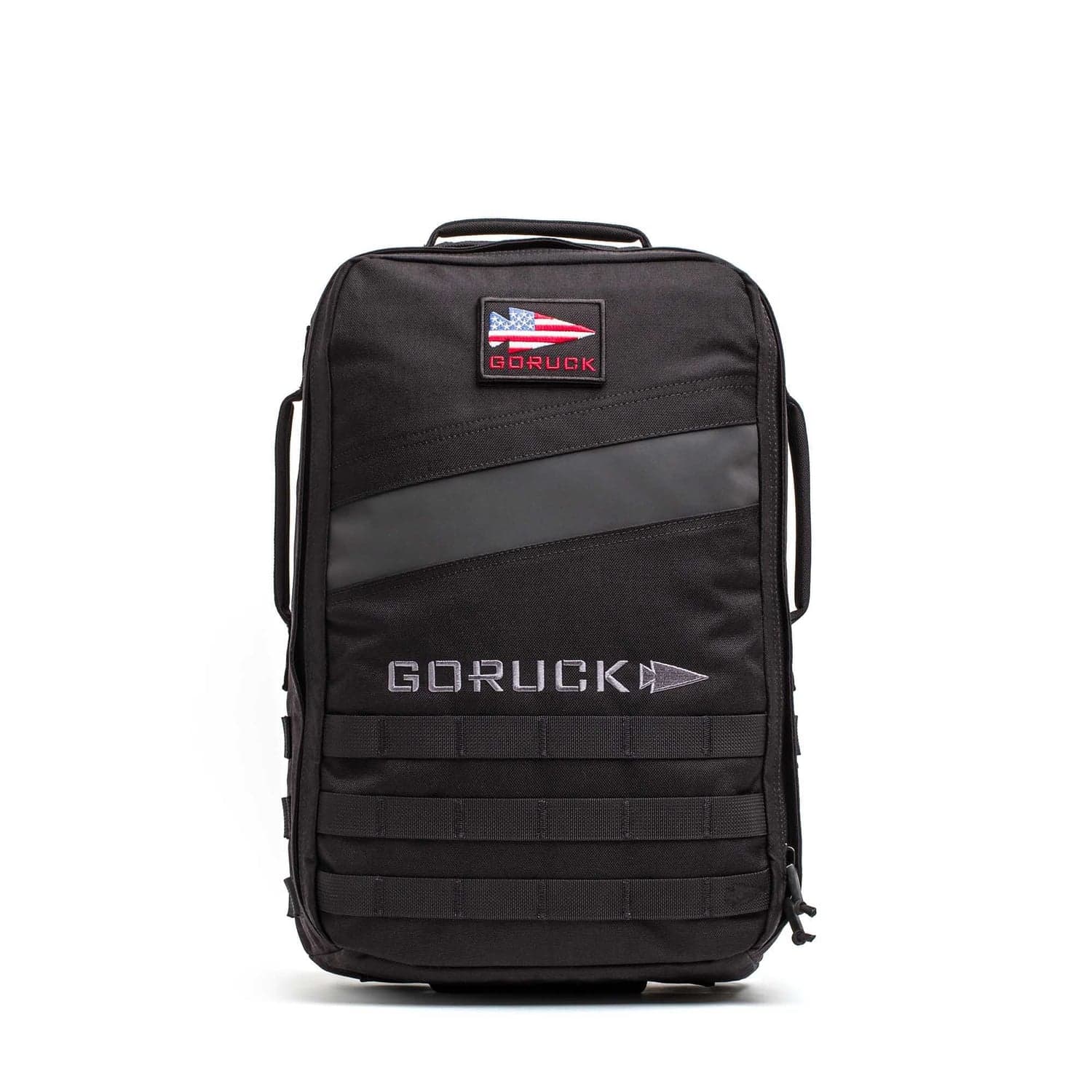
GORUCK Rucker 5.0
pack$150-300
GORUCK Rucker 5.0
GORUCK Ruck Plates in matte powder coat finish
plate$50-150
GORUCK Ruck Plates
A shape-matched plate for the Rucker 5.0. Reduce the load when ice or deep snow affects balance.
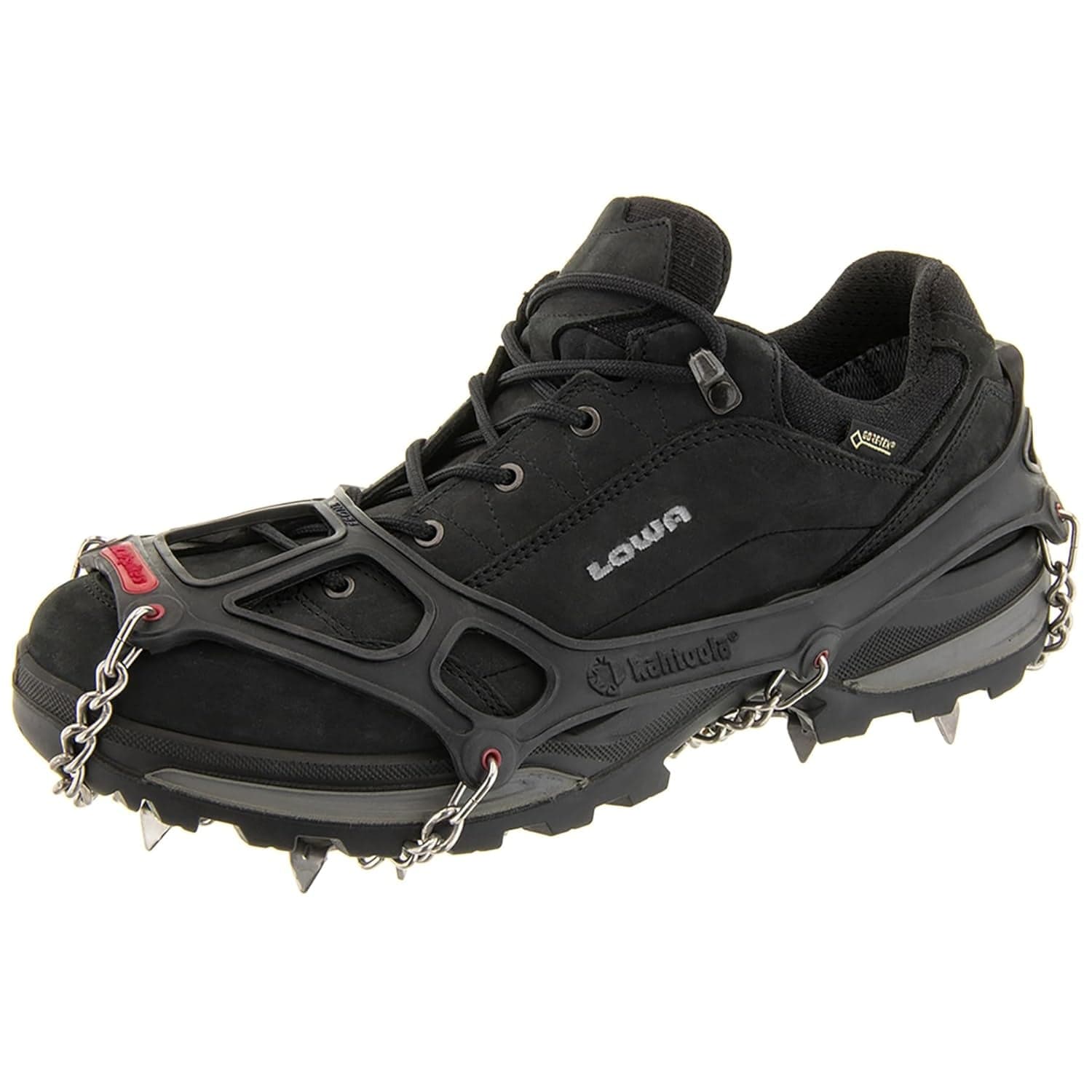
Kahtoola MICROspikes mounted on a LOWA boot, side view
foot care$50-150
Kahtoola MICROspikes Footwear Traction
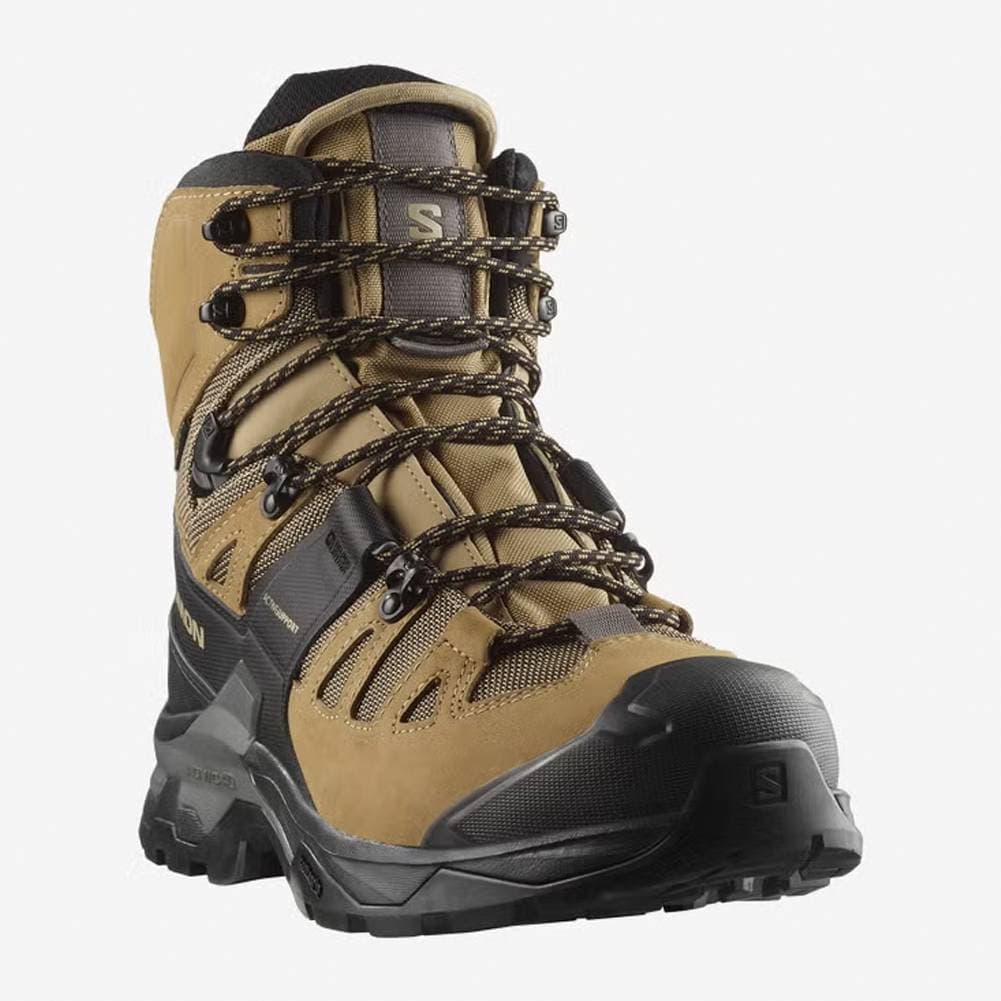
Salomon Quest 5 GORE-TEX hiking boot
shoes$150-300
Salomon Quest 5 GORE-TEX
Choose fit
Nathan Insulated Hydration Bladder 1.6L
hydration$50-150
Nathan Insulated Hydration Bladder 1.6L
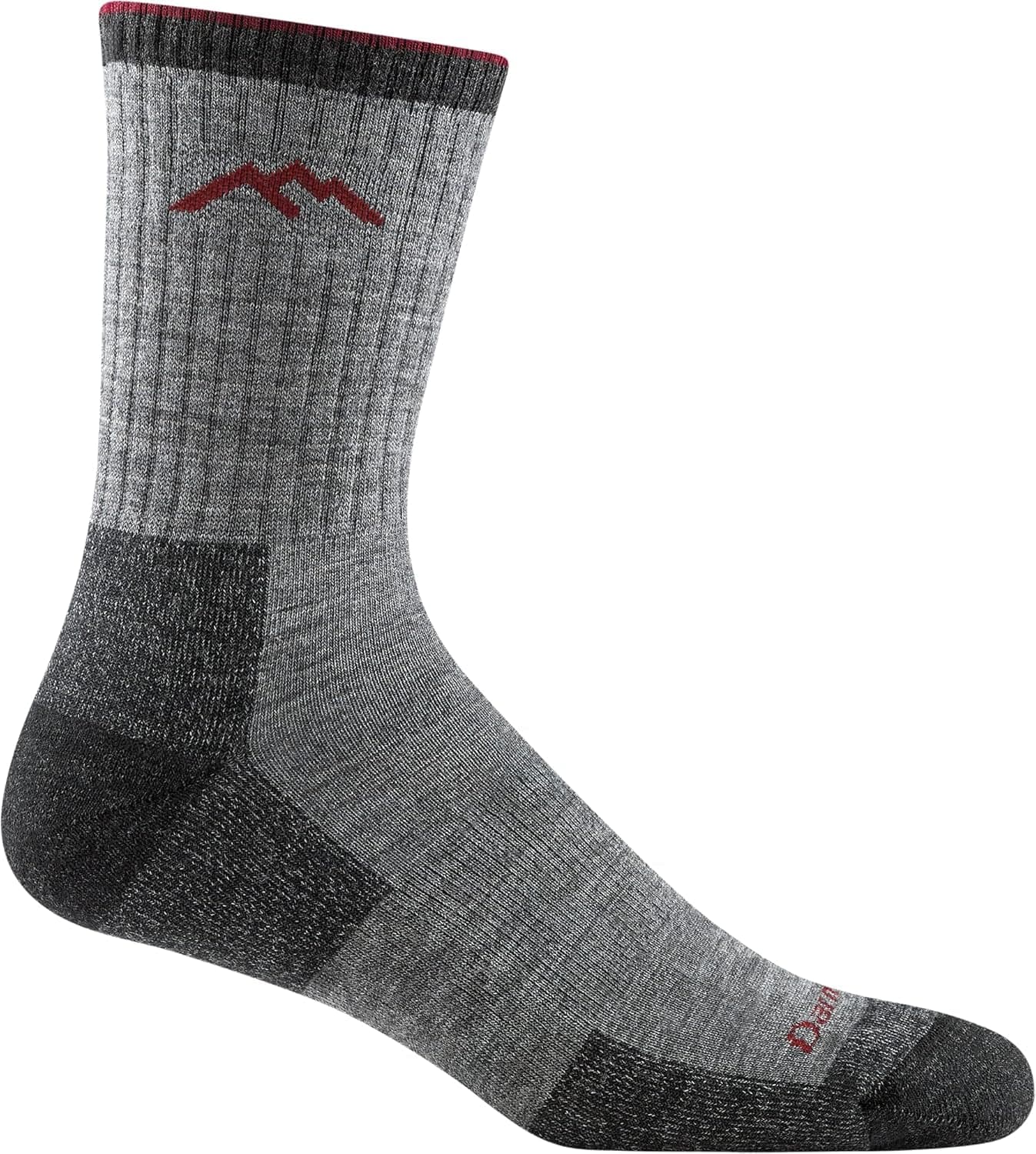
Darn Tough Hiker Boot Full Cushion Sock
socks$25-50
Darn Tough Hiker Boot Full Cushion Sock
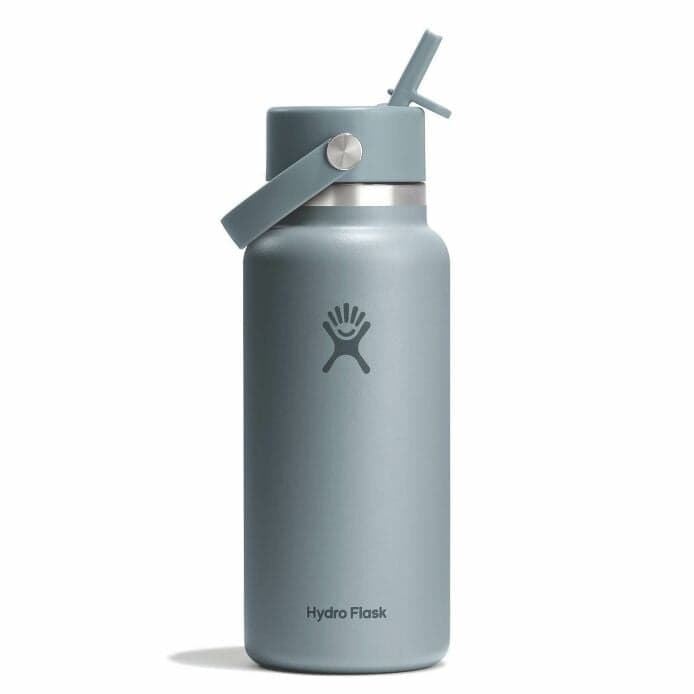
Hydro Flask 32 oz Wide Mouth bottle with Flex Straw Cap
bottles$25-50
Hydro Flask 32 oz Wide Mouth with Flex Straw Cap
An insulated bottle with fewer exposed parts than a hydration hose.
Kinco 901 Pigskin Gloves product photo 1
★ Start here
apparel$25-50
Kinco 901 Lined Pigskin Ski Gloves
A pigskin work glove that can be waxed for better water resistance.
Patagonia Torrentshell 3L Jacket product photo 1
apparel$150-300
Patagonia Torrentshell 3L Jacket
A waterproof shell for sleet and wind, with strong wind protection for winter stops.
Petzl Swift RL headlamp
headlamp$50-150
Petzl Swift RL
Reactive beam, and one less thing to operate with cold fingers.

Why this kit

Carrying weight generates heat, so layers may need to change during the ruck. Winter also brings frozen water, ice underfoot, and faster cooling during stops.

A hydration hose can freeze before the reservoir does. An insulated reservoir and hose, like the Nathan in this kit, can slow the process. Blow the water back into the reservoir after each sip so it does not remain in the line. An insulated bottle is another option.

Ice is harder to manage under load because the pack changes your balance. Microspikes can stay in the pack until the surface turns icy, but traction devices do not make every surface safe.

Damp layers cool quickly during winter stops. Start slightly cool, vent before you overheat, and carry a dry or insulating layer for longer stops. Merino continues to insulate when damp, but it is not a substitute for staying dry.

Adjust the load and route for the temperature, surface, daylight, and clothing you are carrying. Layer changes and traction devices also add time, so winter routes may need to be shorter.

Use the lighter Fall Training kit on wet ground above freezing and the Summer Heat kit in hot weather. This kit does not cover deep backcountry snow travel or avalanche safety.

Questions

Will my hydration bladder freeze?+
It can. The hose and bite valve often freeze before the reservoir. An insulated reservoir and hose slow the process, and blowing water back into the reservoir after each sip keeps it out of the line. An insulated bottle is a simpler alternative in very cold conditions.
When do I need microspikes instead of winter boots?+
Winter boots provide warmth and tread, but they may not provide enough grip on smooth ice. Microspikes add traction on icy sidewalks and packed paths. Use them only on surfaces the manufacturer recommends and slow down when footing is uncertain.
How should I layer for winter rucking?+
Use a base layer, an insulating layer you can remove, and a wind or rain shell. Start slightly cool rather than fully bundled, then vent or remove a layer before you overheat. Carry enough insulation for stops and changing conditions.
Should I carry less weight in winter?+
You may need to. Ice, deep snow, bulky clothing, low visibility, and very cold temperatures all change the effort and risk. Reduce the load or distance when conditions interfere with balance, walking form, or temperature control.
What gloves work for winter rucking?+
A thin liner glove lets you use zippers and a phone without exposing bare skin. Add a warmer outer glove for colder, wetter, or windier conditions. This kit uses the Etip in the Standard tier and the Kinco 901 in Premium.

Read this first