Skip to content
Built for Rucking through winter (below 32°F, ice, packed snow)

Winter Training

Winter rucking fails in three specific ways, and being cold is not one of them. Your water freezes, the ground turns to ice, and sweating becomes genuinely dangerous the moment you stop moving. This kit is built around those three.

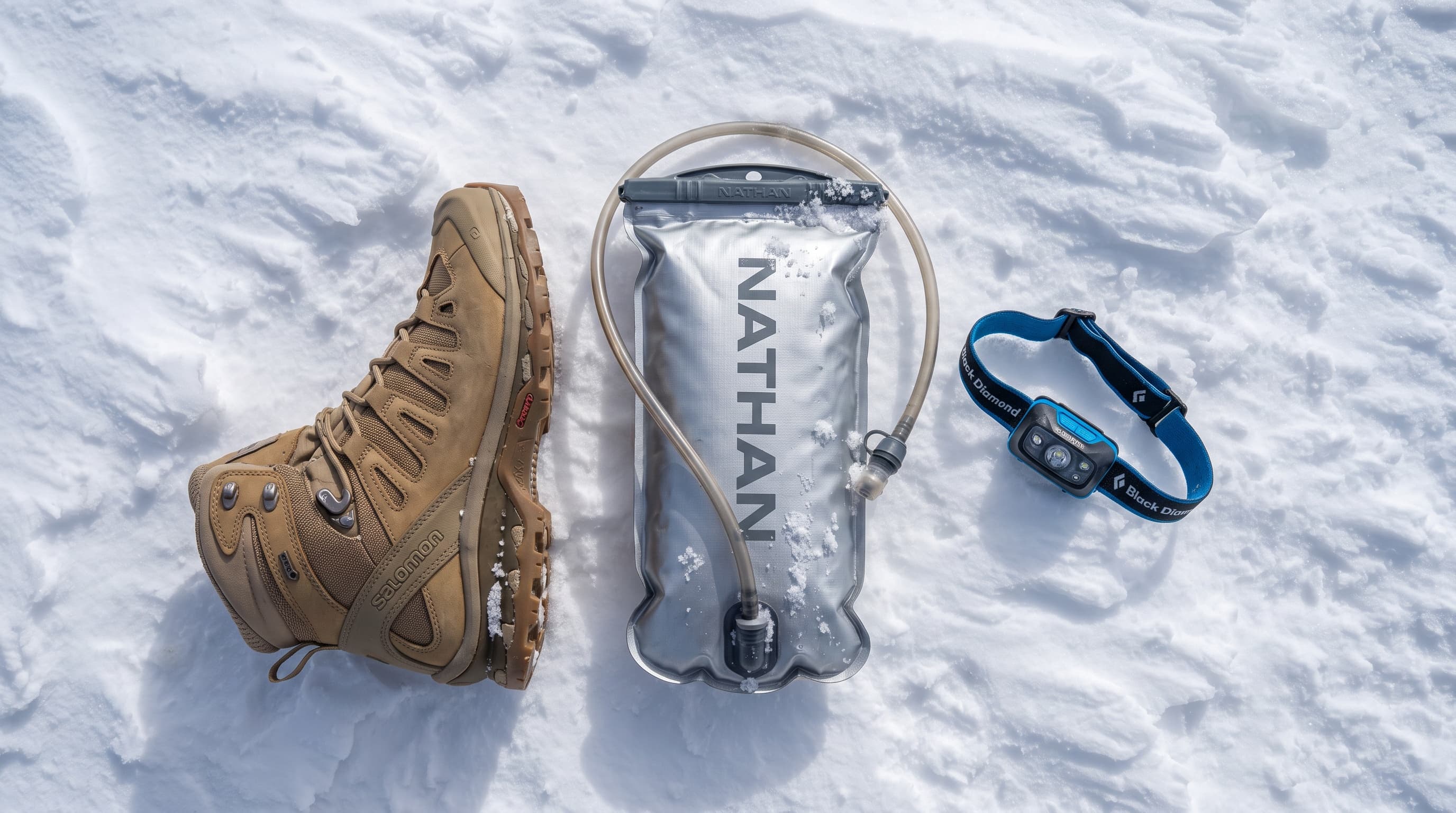
Winter Training kit flat lay

Water that stays liquid, spikes for when the sidewalk turns to ice, and layers you can vent before you sweat. Same load as fall - shorter route, because everything takes longer in winter.

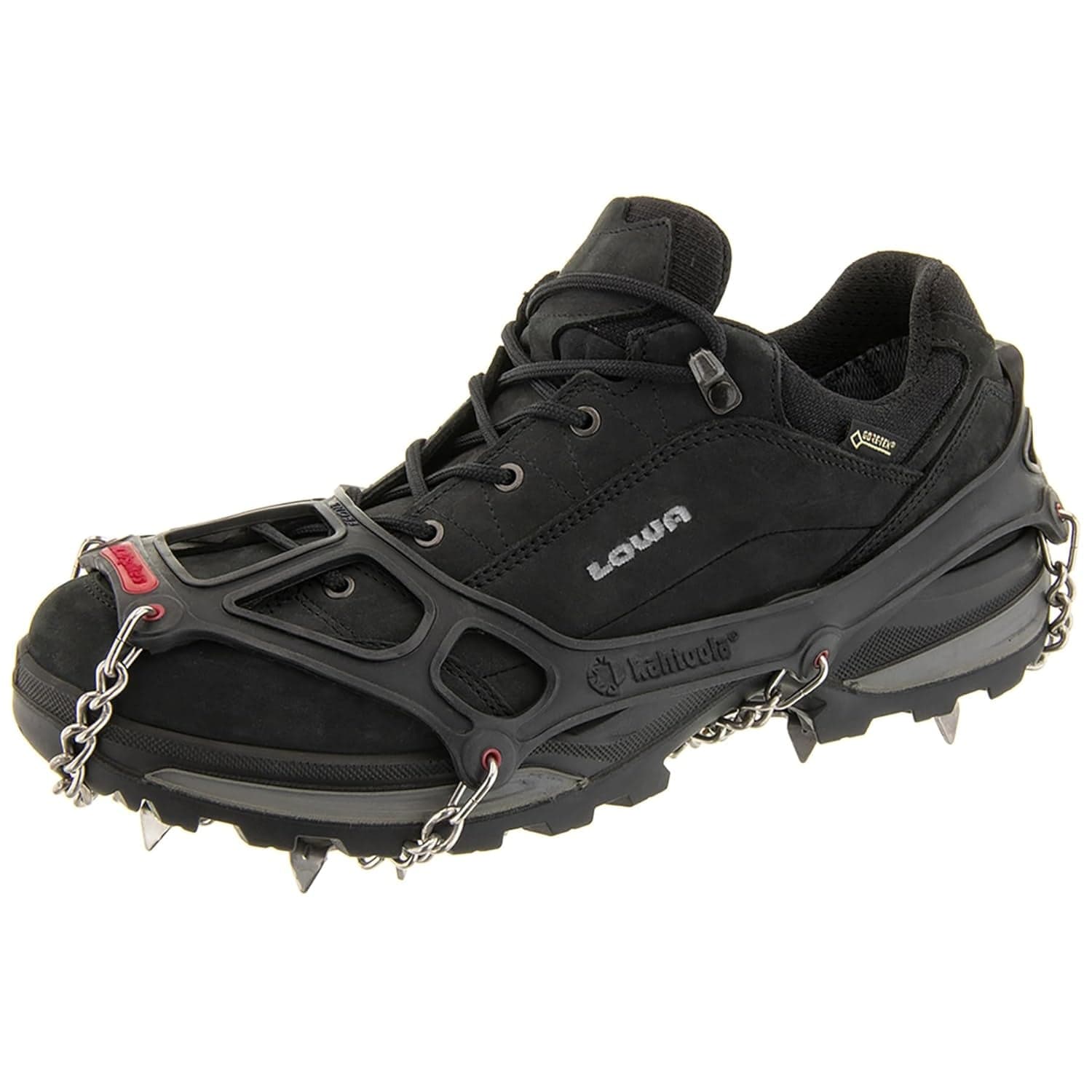
Kahtoola MICROspikes mounted on a LOWA boot, side view
Buy this first

Start with Kahtoola MICROspikes Footwear Traction

This is the anchor purchase. If you are not ready to send the full kit to Amazon, buy this first and add the rest after the first few rucks.

foot care$50-150
Kit total
$500-1000
See & add the kit

Grab the essentials - one click (6)

No size or options to pick on these - send them all to your Amazon cart in one tap, or add each individually.

Yes4All 20 lb cast iron rucking weight
plate$25-50
Yes4All Cast Iron Rucking Weight 20 lb
Keep your fall load. Cold is good training weather; shorten the route instead.
Kahtoola MICROspikes mounted on a LOWA boot, side view
★ Start here
foot care$50-150
Kahtoola MICROspikes Footwear Traction
Fifteen seconds to fit, less than one physio appointment. Black ice on a sidewalk is the real hazard, not the snowy trail.
Nathan Insulated Hydration Bladder 1.6L
hydration$50-150
Nathan Insulated Hydration Bladder 1.6L
Insulated reservoir and hose, built for exactly this. Still blow the line clear after every sip - insulation slows freezing, it does not prevent it.
Smartwool Merino Base Layers product photo 1
apparel$50-150
Smartwool Classic Thermal Merino Base Layer Crew
Against skin. Start out cold and vent before you sweat, not after.
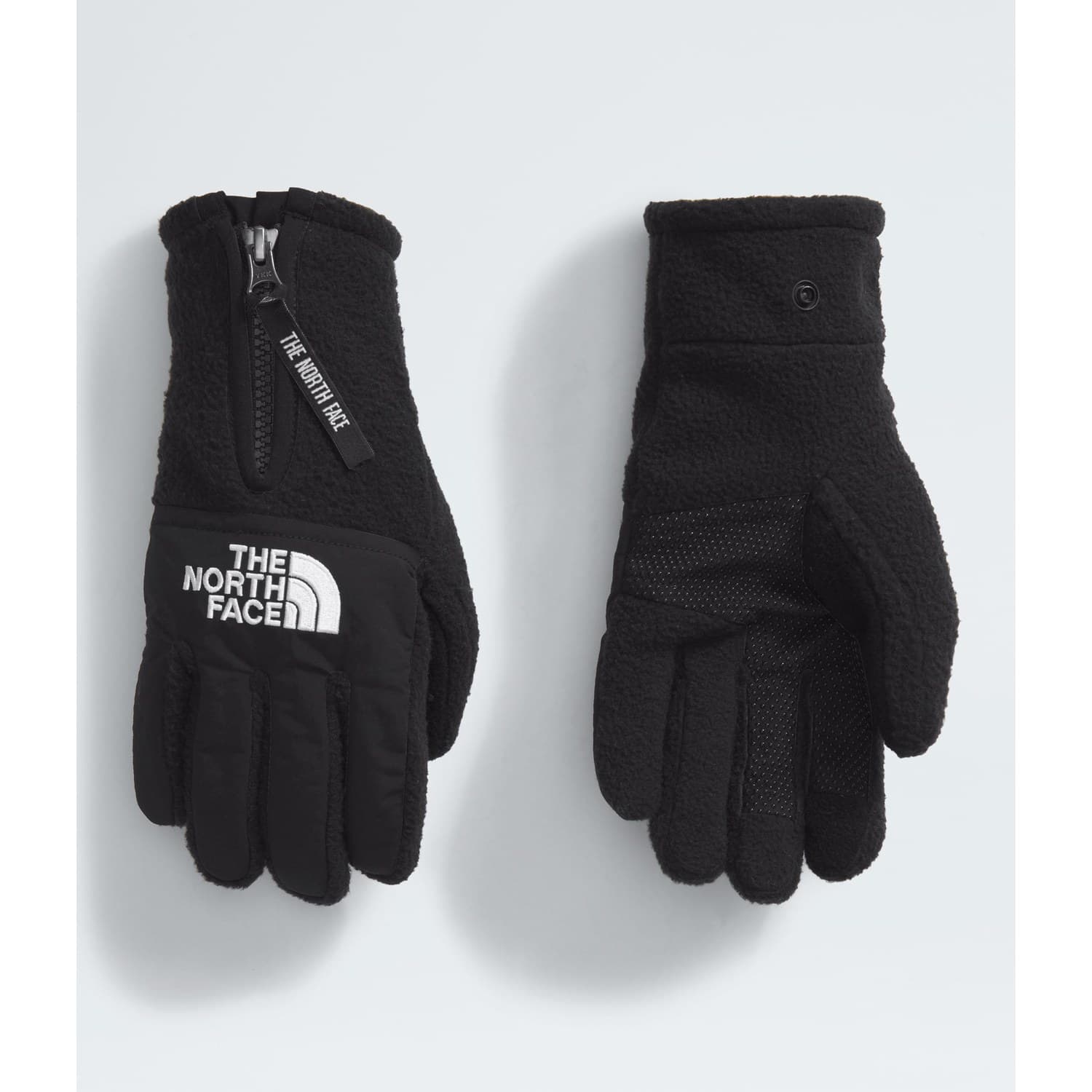
The North Face Denali Etip Gloves product photo 1
apparel$25-50
The North Face Denali Etip Gloves
Keep them on for zips and phones. Losing warm hands to one bare-handed fumble is the classic winter mistake.
Black Diamond Spot 400 headlamp
headlamp$50-150
Black Diamond Spot 400
Winter dark starts mid-afternoon. Waterproof matters when it is snowing.

Your picks - choose size & options on Amazon

These come in sizes or styles, so you pick yours on Amazon - tap each to choose your fit.

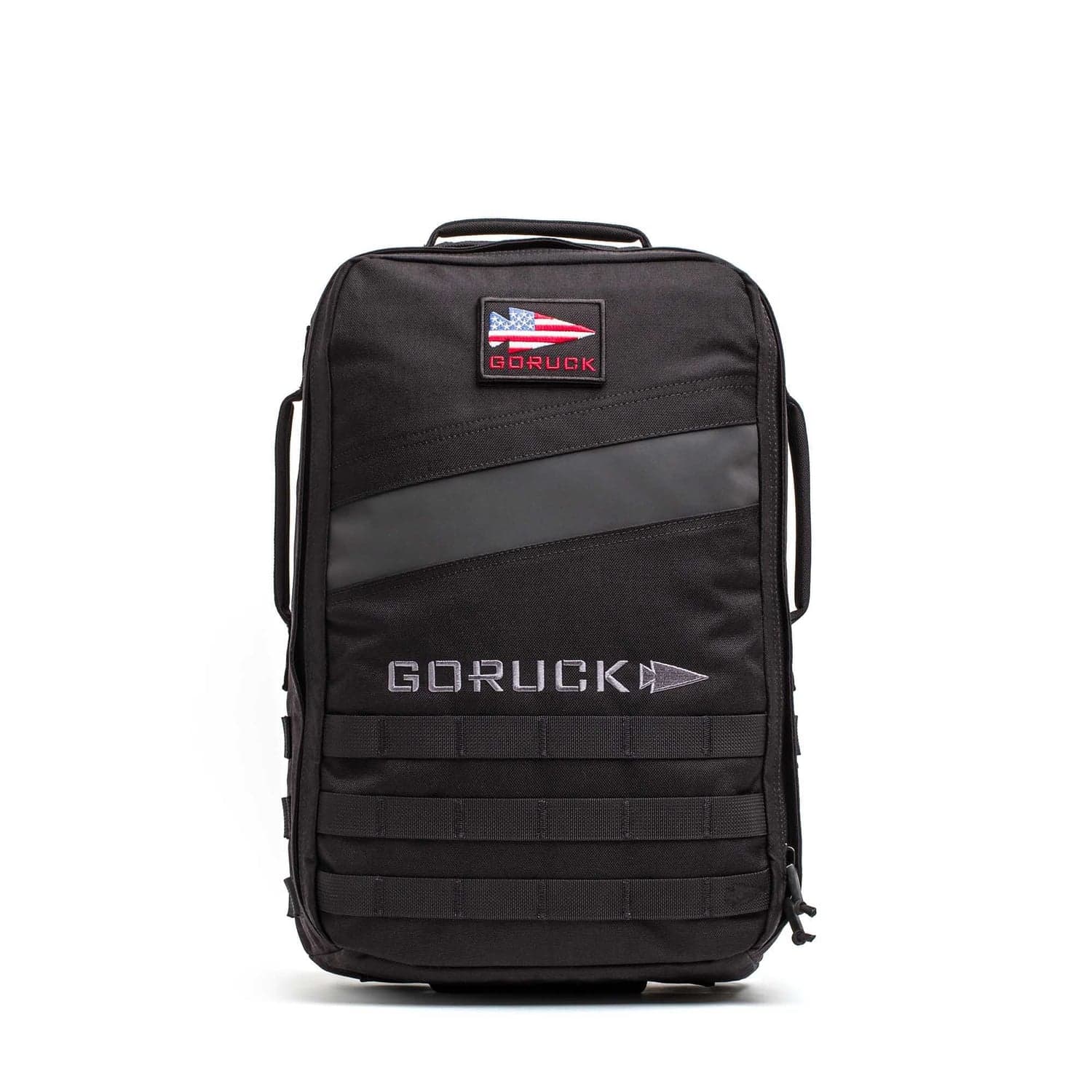
GORUCK Rucker 4.0 black front view
pack$150-300
GORUCK Rucker 4.0
Same platform as fall. Winter changes what goes in it, not what carries it.
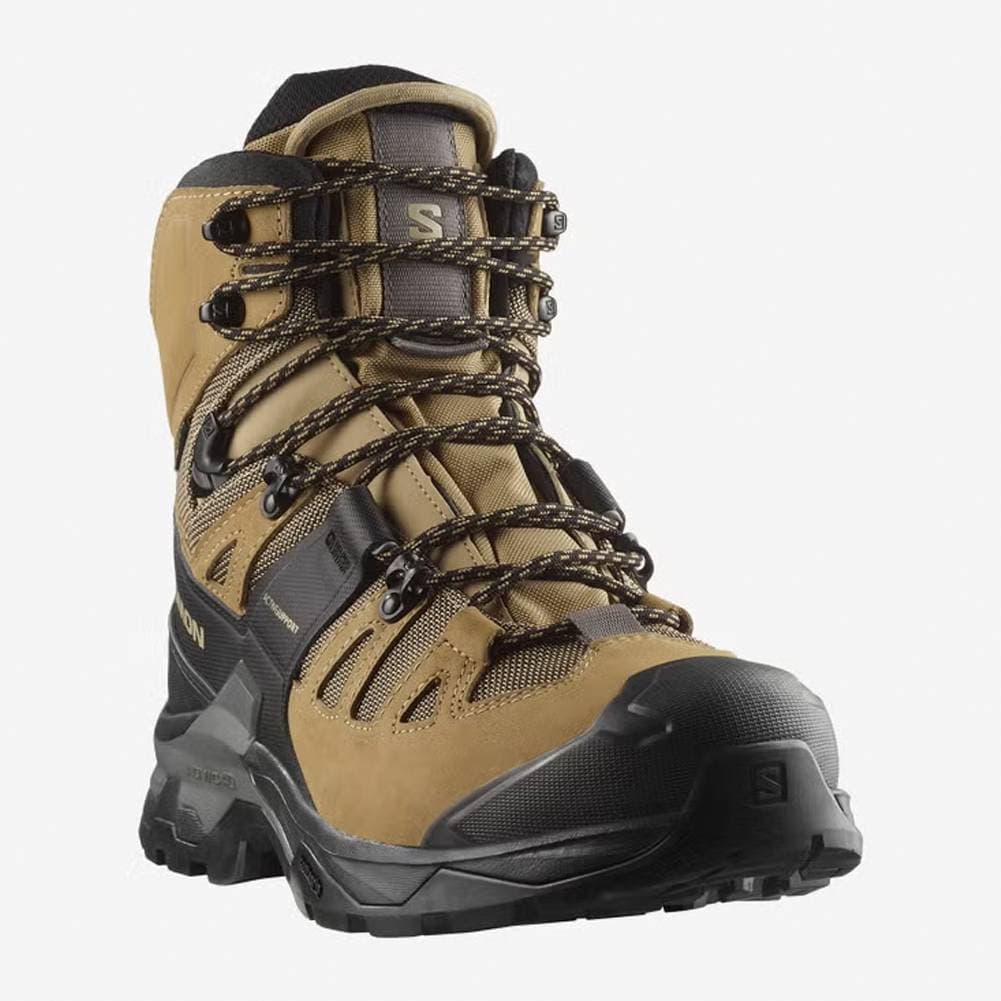
Salomon Quest 5 GORE-TEX hiking boot
shoes$150-300
Salomon Quest 5 GORE-TEX
Boot height keeps snow out over the collar. Spikes go over the top when the surface turns.
Choose fit
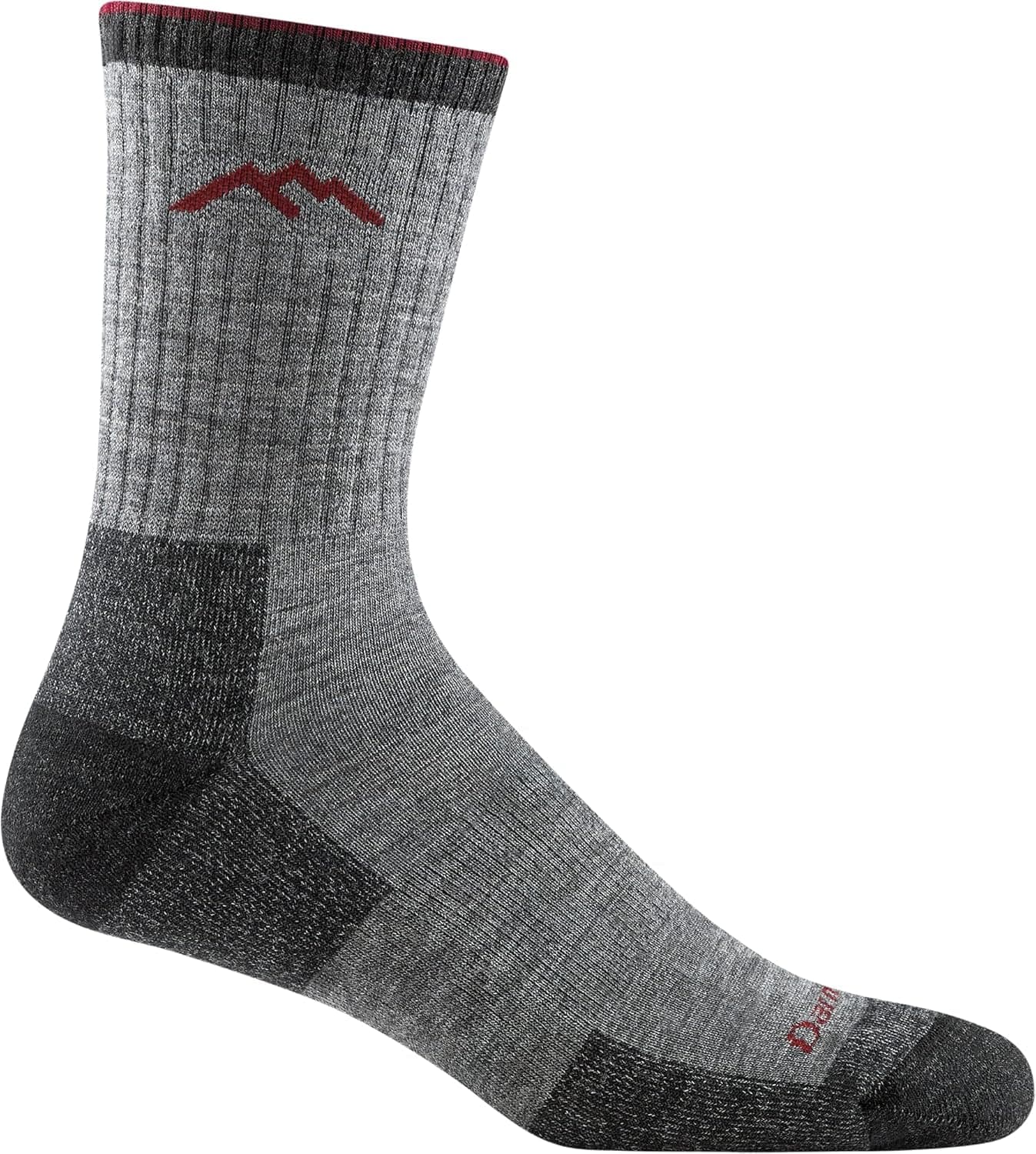
Darn Tough Hiker Boot Full Cushion Sock
socks$25-50
Darn Tough Hiker Boot Full Cushion Sock
Merino keeps insulating when damp, which matters more at 20°F than at 45°F.

Why this kit

Winter is the season people over-prepare for and still get wrong, because they prepare for cold. Cold is the easy part. You are carrying weight, which generates heat, and within fifteen minutes most people in proper winter clothing are too warm. The three things that actually end winter rucks are frozen water, ice underfoot, and what happens when you stop.

Start with water, because it is the one that surprises people. A standard hydration bladder freezes from the bite valve backwards, and below about 25°F it can happen inside twenty minutes - the reservoir on your back stays liquid while the tube to your mouth turns solid, so you are carrying litres you cannot drink. Two things fix it. An insulated reservoir and hose, like the Nathan in this kit, buys you most of the way there. The habit does the rest: blow the water back down the tube after every single sip, so there is nothing sitting in the line to freeze. Miss that once on a cold morning and you will spend the rest of the ruck thirsty. If you would rather remove the failure mode entirely, carry an insulated bottle upside down instead - water freezes from the top, so inverting it keeps ice away from the opening.

Ice is the injury risk, and it is worse under load. A slip while carrying 20 lb high on your back does not let you catch yourself the way an unloaded stumble does, because the weight keeps travelling after you stop. Black ice on a morning sidewalk is the specific hazard, not the deep-snow trail people picture. Microspikes take fifteen seconds to put on, cost less than one physio appointment, and stay in the pack until you actually need them.

The third failure is the dangerous one. In fall, sweating through a base layer is uncomfortable. In winter, stopping while wet in a wind is how people get into genuine trouble, and the sequence is quiet: you overheat on the climb, you unzip too late, you stop at a road crossing, and the sweat in your layers starts pulling heat out faster than you can generate it standing still. The defence is behavioural more than material - start out cold, vent before you sweat rather than after, and keep the stops short. Merino helps because it keeps insulating while damp, but no fabric saves you from standing around wet at 20°F.

The load itself does not need to change. Winter is fine load-training weather, better than summer. What changes is that everything takes longer: layers, spikes on and off, cold fingers on a pack zip. Plan a shorter route than fall and expect the same clock.

What this kit is NOT for: fall's wet-but-not-frozen ground, where the Fall Training kit is lighter and enough. Summer, obviously. Deep backcountry snow travel, which is a different sport with avalanche considerations this site does not cover.

Questions

Will my hydration bladder freeze?+
The hose freezes long before the reservoir does. Below roughly 25°F a standard bladder tube can freeze solid inside twenty minutes, usually starting at the bite valve, leaving you carrying water you cannot reach. An insulated reservoir and hose solves most of it, which is why this kit runs one. The habit solves the rest: blow the water back down the tube after every sip so nothing sits in the line. If you would rather not rely on remembering, carry an insulated bottle upside down instead - water freezes from the top, so inverting it keeps ice off the opening. Both work; the bottle fails safe and the bladder is easier to drink from on the move.
Do I really need microspikes, or are winter boots enough?+
Boots handle snow. They do not handle ice, and ice is the thing that hurts you. The specific hazard is not a snowy trail, it is black ice on a sidewalk or a hardpacked footpath that thawed and refroze. Under load a slip is worse than it would be unloaded, because the weight on your back keeps moving after your feet stop. Microspikes live in the pack and go on in fifteen seconds when the surface turns.
How should I layer for winter rucking?+
Start out cold, which feels wrong for the first five minutes and is right for the next fifty. Merino against skin, an insulating mid layer you can shed, and a wind or rain shell on top. The mistake is dressing for the temperature you feel standing in the driveway - you are about to generate a lot of heat under load. Vent before you sweat rather than after, because once a layer is wet you are managing a problem instead of avoiding one.
Should I carry less weight in winter?+
No. Cold weather is good load-training weather, better than summer heat, and there is no cardiovascular penalty to work around. What you should shorten is the route. Everything takes longer in winter - layer changes, spikes on and off, cold hands on zips - so plan a shorter distance and expect it to fill the same clock.
What is the single most-skipped winter item?+
Gloves that survive being taken off. Most people bring one warm pair, remove them to work a zip or a phone, and then cannot get warm hands back. A liner-weight glove you can keep on for fiddly tasks, under a warmer glove for moving, solves it. That is why this kit runs the Etip on Standard and the Kinco 901 on Premium rather than a single heavy mitt.

Read this first