Skip to content
Built for Rucking through fall (35-60°F, wet ground, early sunset)

Fall Training

Fall is when the plate goes back in. Cardiovascular cost drops with the temperature, so the load you dropped in July comes back - but two new failure modes arrive with it. You finish in the dark, and the ground is wet. This kit is built around those two, not around cold.

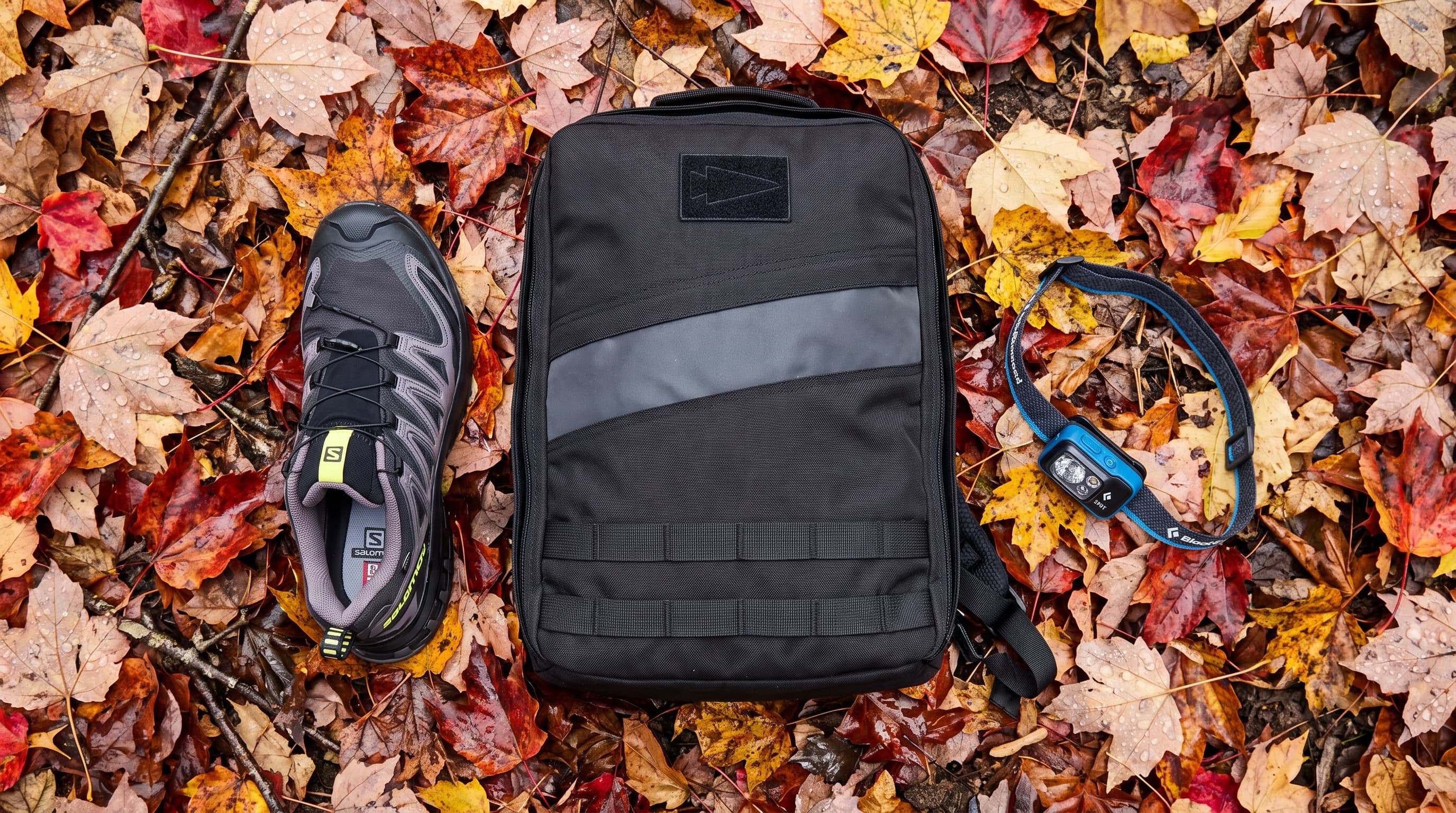
Fall Training kit flat lay

For rucking in real fall weather rather than around it. Ankle support for wet leaf litter, a headlamp that adjusts itself moving from street to trail, and a rain shell that handles an hour rather than a shower.

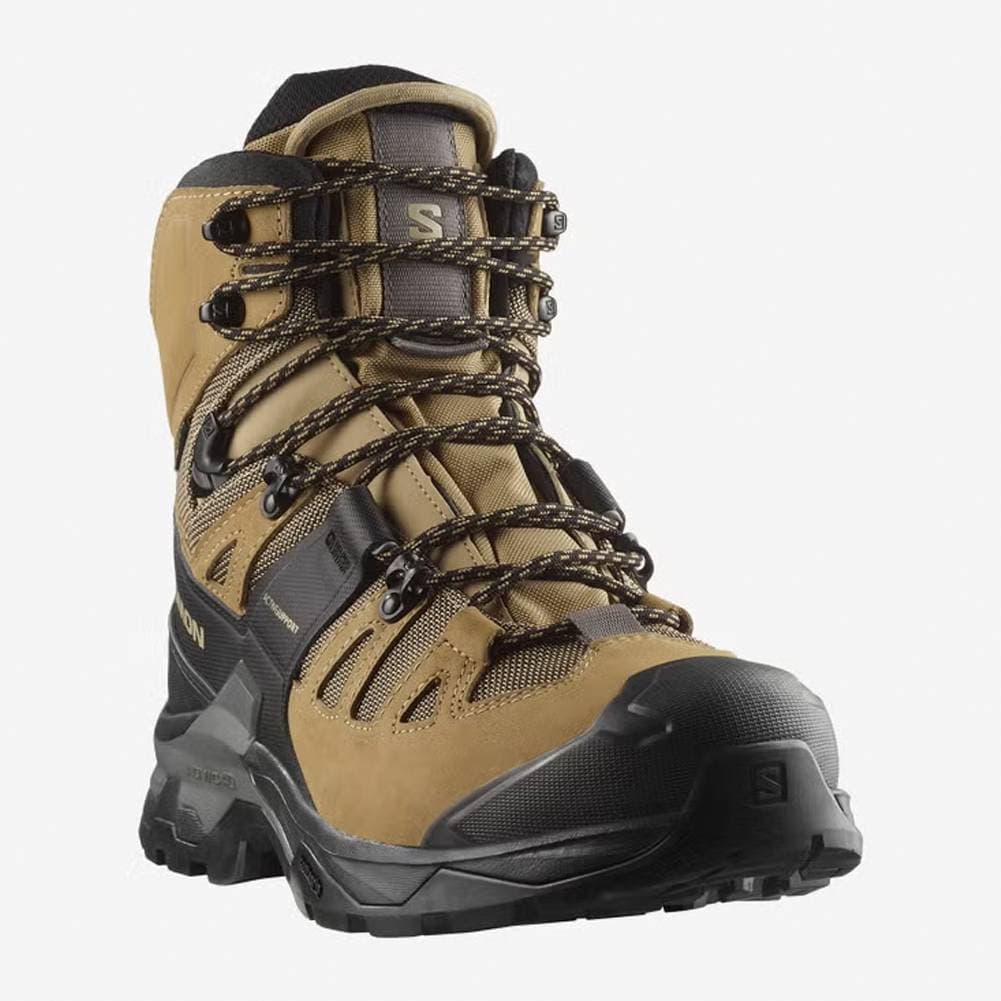
Salomon Quest 5 GORE-TEX hiking boot
Buy this first

Start with Salomon Quest 5 GORE-TEX

This is the anchor purchase. If you are not ready to send the full kit to Amazon, buy this first and add the rest after the first few rucks.

shoes$150-300
Kit total
$500-1000
See & add the kit

Grab the essentials - one click (4)

No size or options to pick on these - send them all to your Amazon cart in one tap, or add each individually.

Yes4All 20 lb cast iron rucking weight
plate$25-50
Yes4All Cast Iron Rucking Weight 20 lb
Patagonia Torrentshell 3L Jacket product photo 1
apparel$25-50
Patagonia Torrentshell 3L Jacket
A real rain shell, not a water-resistant one. The difference shows up at minute forty.
Petzl Swift RL headlamp
headlamp$50-150
Petzl Swift RL
Reactive beam adjusts itself moving from lit street to unlit trail. No stopping to change modes.
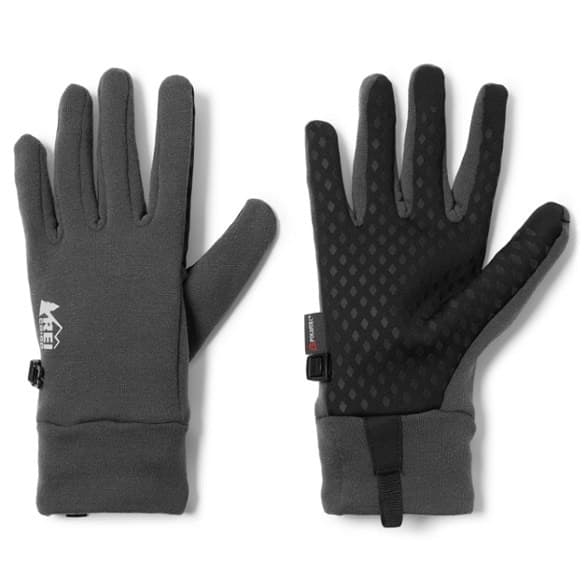
REI Co-op Flash Power Wool Gloves product photo 1
apparel$25-50
REI Co-op Flash Power Wool Gloves
Light merino for sub-40 mornings and pole days. Insulated gloves belong in the winter kit.

Your picks - choose size & options on Amazon

These come in sizes or styles, so you pick yours on Amazon - tap each to choose your fit.

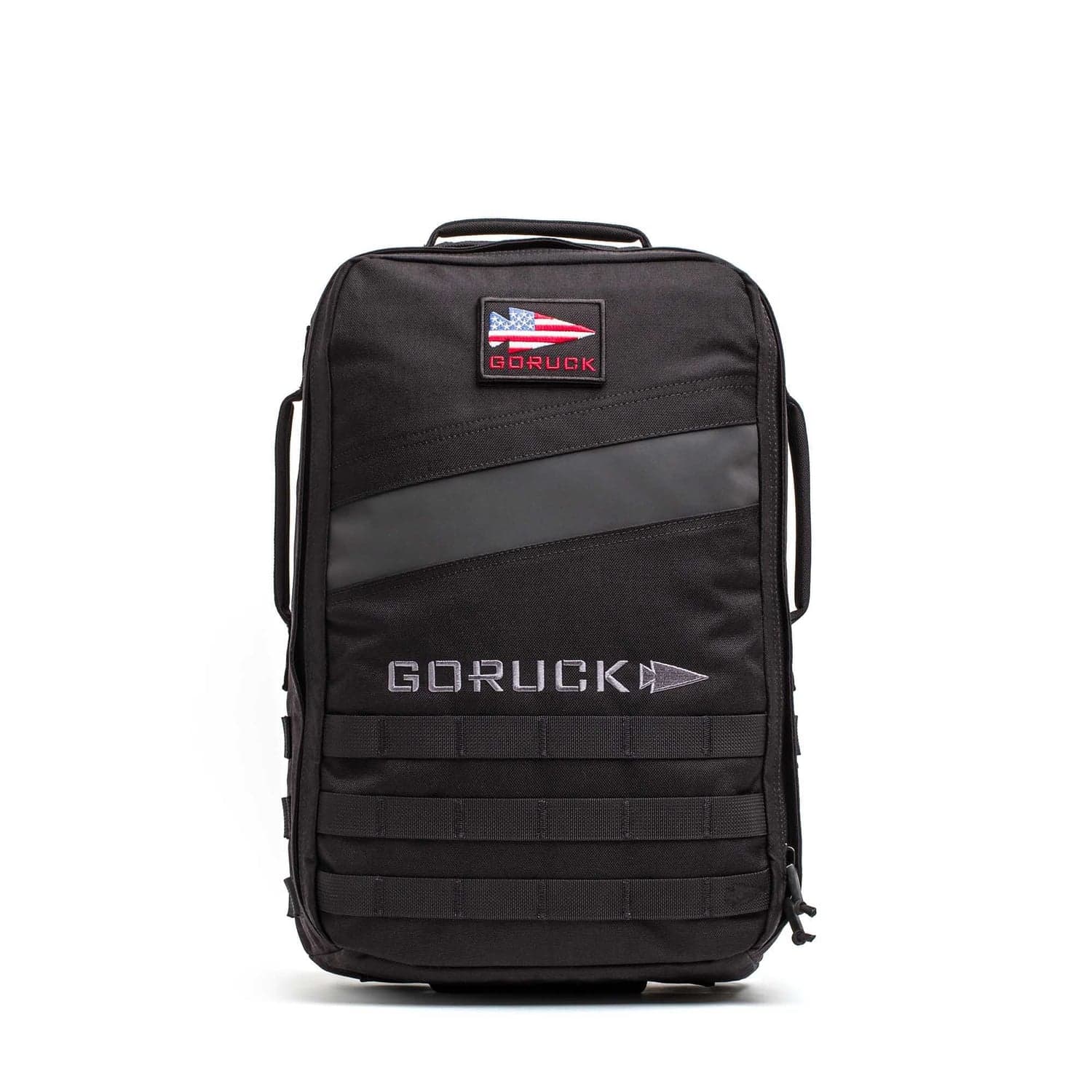
GORUCK Rucker 4.0 black front view
pack$150-300
GORUCK Rucker 4.0
Same Standard pick. The pack is not the upgrade in fall.
Salomon Quest 5 GORE-TEX hiking boot
★ Start here
shoes$150-300
Salomon Quest 5 GORE-TEX
Boot height keeps water out over the collar and supports the ankle wet leaves threaten.
Choose fit
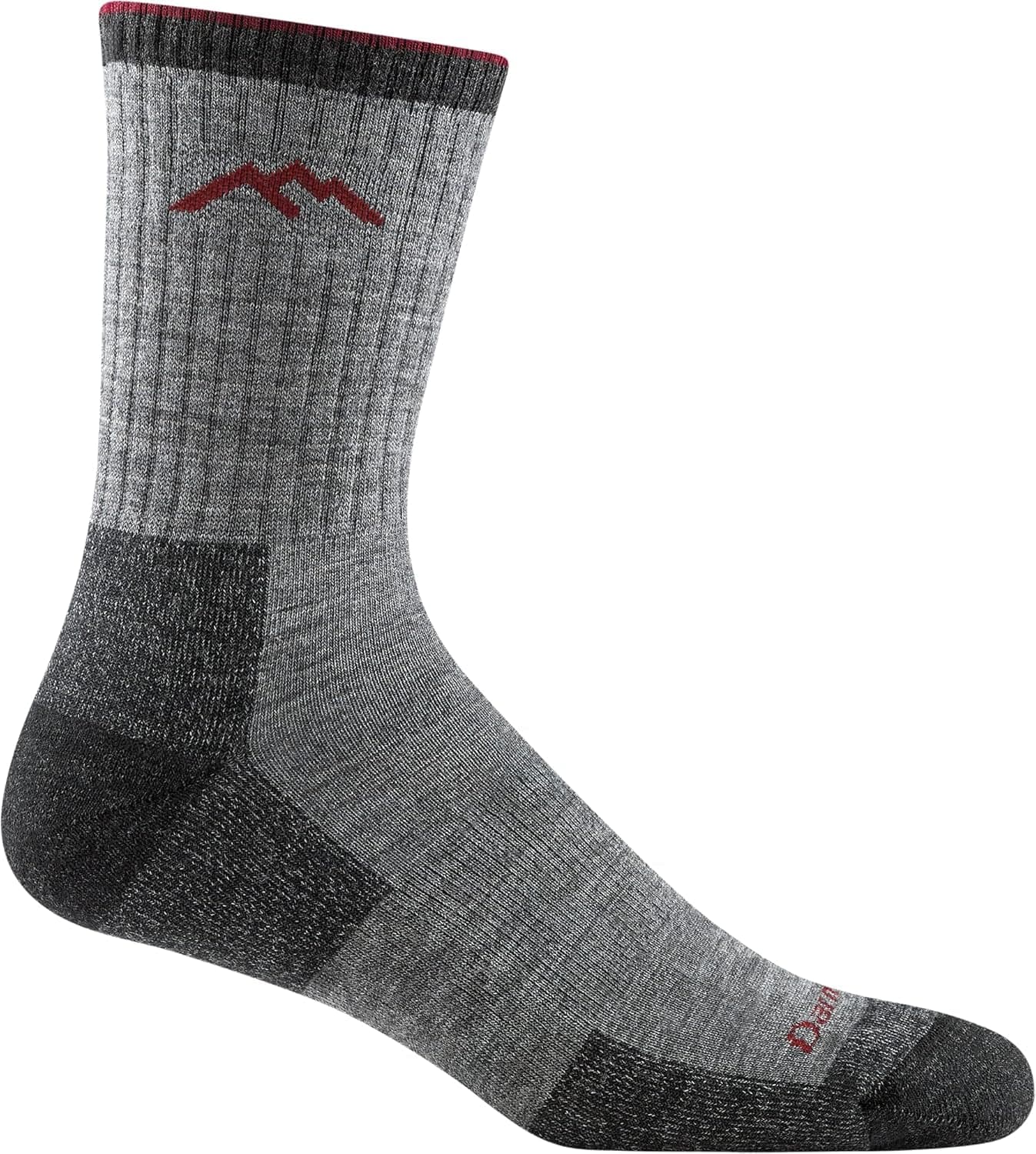
Darn Tough Hiker Boot Full Cushion Sock
socks$25-50
Darn Tough Hiker Boot Full Cushion Sock
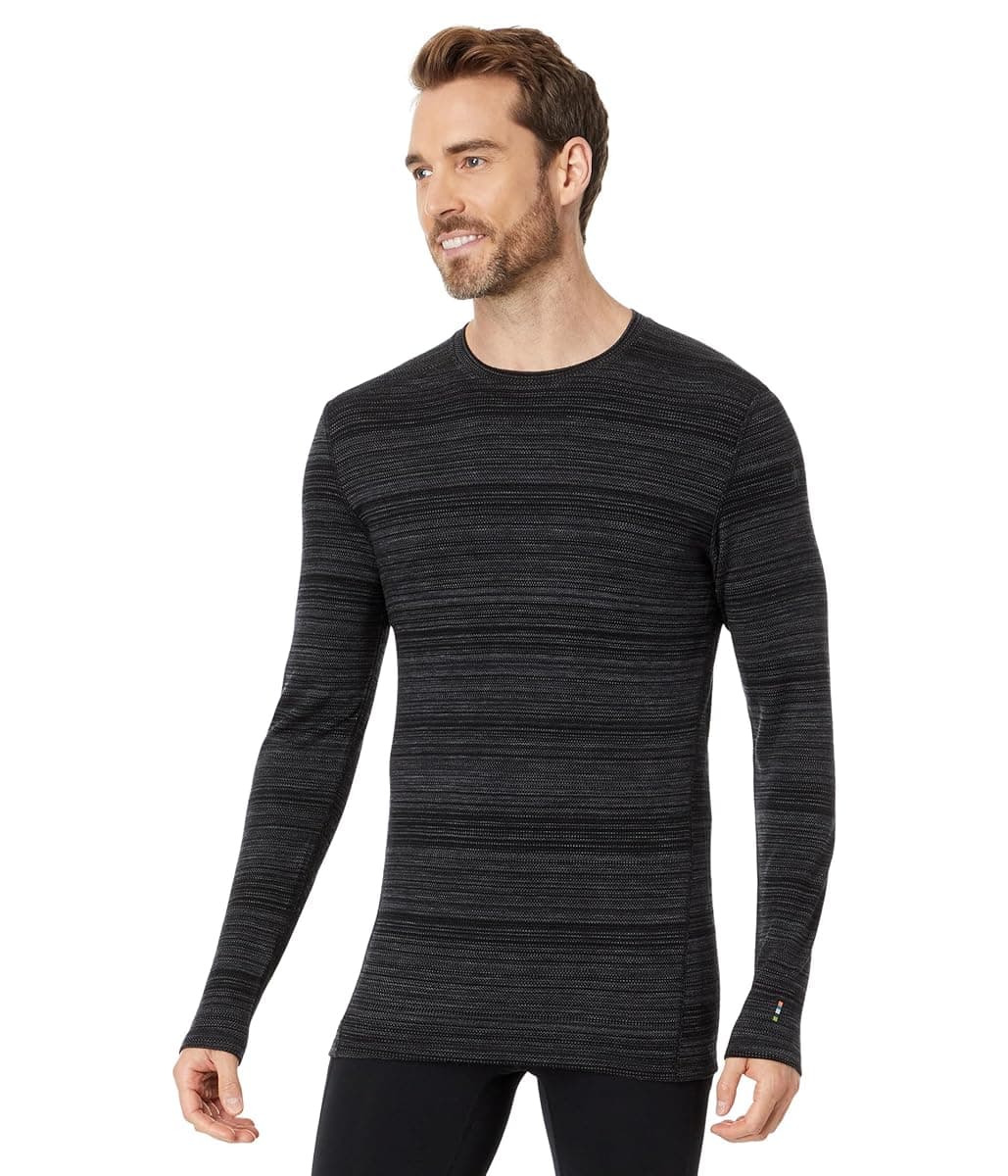
Smartwool Merino 150 Base Layer Long Sleeve
apparel$50-150
Smartwool Merino 150 Base Layer Long Sleeve

Why this kit

Most people treat fall as a milder version of winter and dress for cold. That is the wrong problem. At 45°F you are cold for ten minutes and then too warm for the next fifty, because rucking under load generates a lot of heat and a jacket that felt right in the driveway is a sweat trap by mile two. Sweat soaking a cotton layer at 45°F is genuinely worse than being briefly cold at the start.

The two things that actually change in fall are light and traction. Sunset moves roughly a minute earlier each day through October, so a 5:30pm ruck that finished in daylight in September finishes in the dark by mid-November, and it shifts gradually enough that most people get caught out rather than deciding. The other is wet leaf litter, the most underrated hazard in the sport - a layer of soaked leaves over hardpack behaves like loose gravel, and it hides the roots and edges underneath. Ankle rolls cluster in October and November for exactly that reason.

The good news is the part nobody mentions: fall is the best load-training weather of the year. Heat stress raises your cardiovascular cost at the same weight, which is why the summer kit deliberately runs no plate. Once ground temperature drops that penalty goes away and the plate comes back. If you spent July at bodyweight-plus-hydration, this is the season to rebuild toward your real training load. Do it over three or four weeks rather than in one jump - your legs adapted to summer weight, and connective tissue takes longer to catch up than your lungs do.

So this kit solves those three specifically. The Rucker 4.0 puts the plate back in a dedicated pocket high against your spine instead of letting it slide down a cargo compartment. The Salomon XA Pro 3D V9 GTX is the wet-ground pick, and the outsole matters more than the membrane - it bites on soaked leaves where a road shoe skates. Merino against skin handles the cold-start problem better than any jacket because it keeps insulating once damp, and the Columbia shell packs down small enough that you will actually stow it when you heat up. The Black Diamond Spot 400 is the item people skip and then buy in November after one genuinely unpleasant walk home.

The Premium tier changes three things for people rucking in real weather rather than around it. The Salomon Quest 5 GORE-TEX trades some weight for ankle support, the specific thing wet leaf litter threatens. The Petzl Swift RL adjusts its beam automatically, so you are not stopping to change modes moving from a lit street onto an unlit trail. The Patagonia Torrentshell 3L is a real rain shell rather than a water-resistant one, which matters once fall rain stops being a shower and starts being an hour.

What this kit is NOT for: deep winter with ice and packed snow, where traction devices and insulated hydration change the calculus again. Summer heat - use the Summer Heat kit and leave the plate home. GORUCK events, where the cadre have a packing list and it wins over anything here.

Questions

Do I need a headlamp if I ruck on lit streets?+
Yes, and mostly for a reason that is not about seeing. Being seen is the real risk on a road ruck in the dark - drivers do not expect a pedestrian moving at 3.5 mph on a shoulder in November. A headlamp on its lowest setting plus anything reflective changes how early a driver picks you out. If your whole route is genuinely well lit with sidewalks you can get away without one, but the first time a stretch of sidewalk ends you will want it.
How much weight should I add back in fall, and how fast?+
If you ran the summer kit with no plate you are coming off roughly 10 to 12 lb of bladder and gear. Add a 20 lb plate in stages: one or two rucks a week at the new weight for two to three weeks, keeping your other sessions at the summer load. Your cardiovascular system adapts inside a couple of weeks; tendons and the plantar fascia take longer, and October load spikes are a common way people arrive at winter with an angry foot.
Waterproof shoes or breathable ones for fall?+
Waterproof, with one caveat. Fall ground stays wet for days after rain, so breathable mesh means permanently damp socks, and cold damp feet blister faster than warm dry ones. The caveat is that a waterproof shoe which takes water over the collar then holds it in, so on genuinely wet routes boot height matters more than the membrane. That is the main argument for the Quest 5 over the XA Pro on the Premium tier.
Is merino worth it over a cheap synthetic base layer?+
For fall specifically, yes, for one property: merino keeps insulating when damp, and in fall you will be damp from your own sweat within twenty minutes whatever the weather does. Synthetic dries faster but feels colder while wet, which is the wrong trade when you are stopping at traffic lights. It also does not hold odour, so a base layer survives several rucks between washes.
Why does this kit not include gloves?+
At 35 to 60°F most people are fine bare-handed once moving, and hands warm up faster than anything else under load. Gloves become worth carrying below roughly 40°F, in wind, or if you use trekking poles, where grip keeps your hands still and cold. The Premium tier adds a light merino pair for that reason. Full insulated gloves belong in the winter kit, not this one.

Read this first