The short answer
If you are in perimenopause or menopause, regular weight-bearing activity and resistance training can support bone, muscle, balance, and cardiovascular health. A weighted vest or ruck (a weighted backpack) is one way to add load to walking, but direct evidence for bone-density improvement from loaded walking alone is limited.
Bone loss often accelerates around the menopause transition, and age-related changes in strength and muscle can matter for balance and daily function. Exercise is one part of prevention and care. A vest or pack makes a walk more demanding, but it does not guarantee a change on a DEXA scan or replace a progressive strength program.
Recent vest research found an association between more upright activity in the vest and some bone outcomes. That is not proof that simply walking in a vest builds bone, and the result should not be turned into a universal loading prescription.
Why menopause changes the math on bone and muscle
For most of adult life, bone and muscle sit in a slow, manageable balance. Menopause tips that balance, and estrogen is the reason.
Estrogen helps keep bone-building activity ahead of bone-removing activity. As estrogen falls in perimenopause and drops sharply after your final period, the bone-removing cells keep working while the bone-building cells slow down. The result is net bone loss - sometimes 1 to 3 percent per year in the first five to eight years after menopause. Over a decade, that adds up to a real difference in fracture risk.
Muscle follows a similar pattern. The hormonal shift accelerates sarcopenia, the age-related loss of muscle mass and strength. Less muscle means less strength, a lower metabolic rate, and worse balance - which itself raises fall and fracture risk.
A 2011 Cochrane review found that exercise had modest effects on bone mineral density in postmenopausal women, with results varying by exercise type and skeletal site. It supports exercise as part of bone-health care; it does not establish weighted walking as a stand-alone treatment.
Because bone loss can accelerate around menopause, weight-bearing activity and resistance training become important parts of a broader bone-health plan. Loaded walking is an optional form of weight-bearing activity, not a stand-alone treatment.
Why the weighted vest became the trend of 2026
Weighted vests went from niche gear to mainstream fitness advice fast, and the reasons are legitimate, if slightly over-hyped in places.
Weighted vests fit into an existing walking routine and may feel more approachable than learning a new gym program. That convenience explains much of their appeal, but a vest still changes balance, gait, and spinal loading.
The science supports the direction, with one important asterisk.
A 2026 Wake Forest analysis reported an association between time spent upright in a weighted vest and some bone-density outcomes. It did not establish that a vest-walking routine will improve bone density for every person, and a related weight-loss trial did not show that vests reliably prevented hip bone loss. We cover the studies in weighted vests and bone density research.
A vest can make movement more demanding. Whether that is useful depends on the person's health, fit, load, and broader training plan.
Weighted vest or ruck: which should you choose?
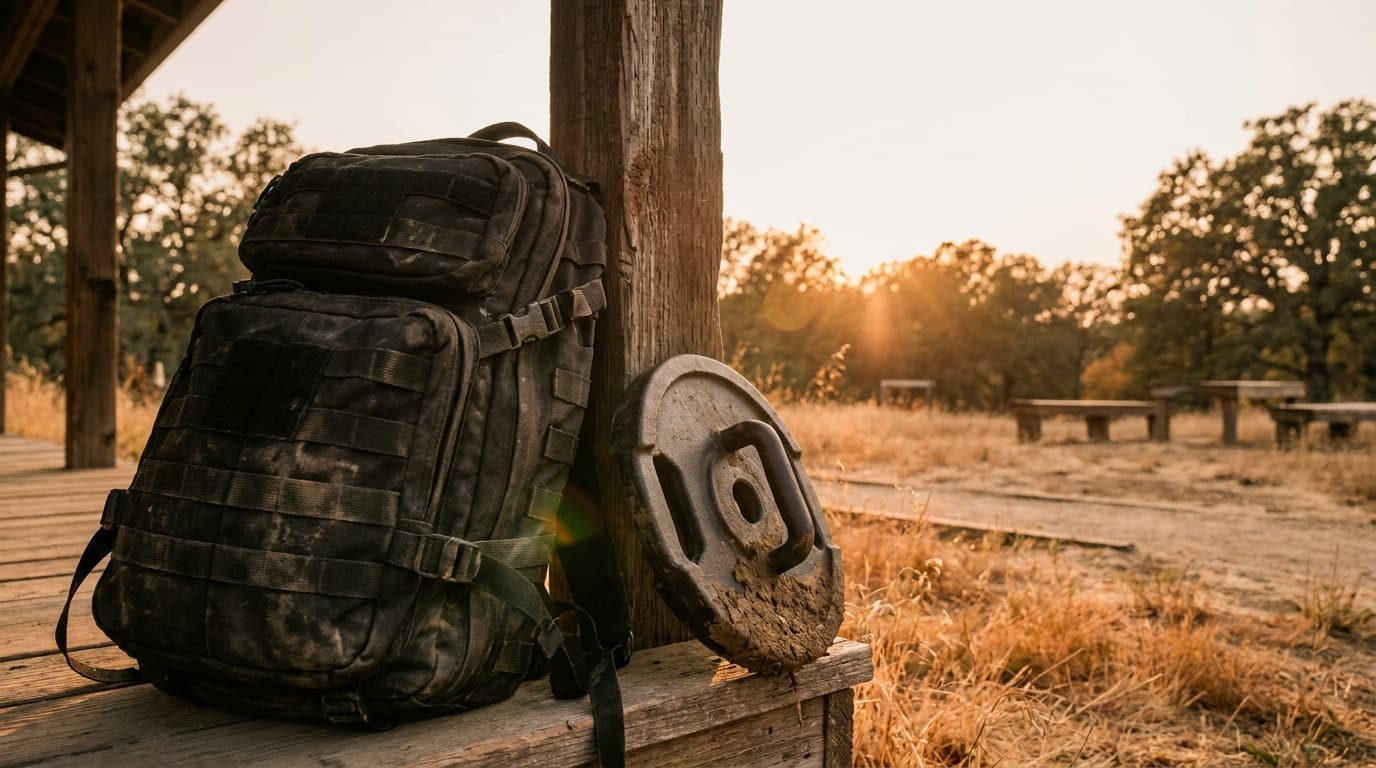
Both add weight-bearing load, but neither is proven to build bone on its own. The practical choice comes down to fit, balance, comfort, and how you plan to use it.
| Weighted vest | Ruck (weighted backpack) | |
|---|---|---|
| Where the load sits | Hugged close to your torso, front and back | On your upper back, against the spine |
| Common use | Short walks and some strength movements | Walks, hikes, and carrying gear |
| Load range | Usually 5 to 20 lbs, fixed or adjustable | Easily 10 to 45+ lbs |
| Feel | Close to the torso; may feel restrictive or increase heat | Load sits behind the torso; pack fit and load placement matter |
| Setup | Fit, balance, and breathing comfort need checking | Fit, load security, and gait need checking |
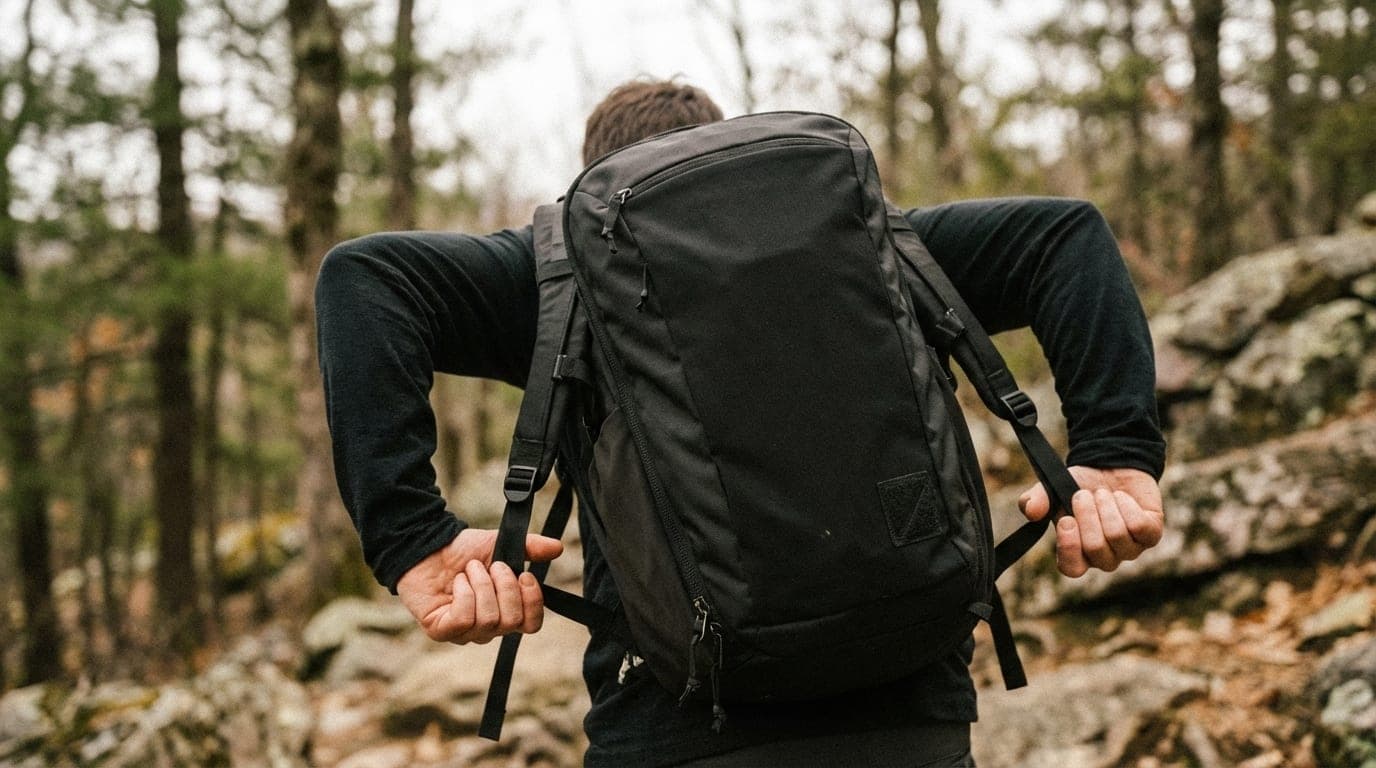
A vest is compact, while a pack carries water and layers and can be easier to remove or adjust. Try the unloaded walk first, then choose the format that stays secure without changing your gait or causing pressure. We compare the mechanics in weighted vest vs rucksack.
An adjustable vest is the most flexible starting point because you can add plates in small increments as you get stronger. If you'd rather browse options first, our roundup of the best weighted vests for rucking breaks down fit, adjustability, and comfort for women's frames.
How to begin conservatively
No percentage or weekly schedule can guarantee safety. Use the steps below as decision points, not a prescription.
First: find an unloaded baseline
- Walk without added weight on a short, familiar route.
- If walking itself causes pain, unusual shortness of breath, dizziness, balance trouble, pelvic pressure, or leaking, pause and get individual guidance before adding load.
Then: test a minimal load
- Use the smallest practical increment your vest or pack allows.
- Keep the route and pace easier than your unloaded baseline.
- Remove the load if it changes your gait, balance, breathing, or pelvic-floor symptoms.
Progress only after repeatable sessions
- Change one variable at a time: load, time, distance, pace, hills, or frequency.
- Repeat the same setup until you recover normally and have no persistent symptoms.
There is no universal maintenance percentage. The right ceiling depends on training history, health, balance, symptoms, and goals.
Do not assume that more distance is automatically easier on joints or the pelvic floor. Choose the variable that can change without altering gait or symptoms. Our ruck weight guide offers a planning estimate, not medical clearance.
Other reasons people choose loaded walking
Loaded walking also raises the effort of a familiar route. The effect depends on pace, load, fitness, and health.
Regular activity can support cardiovascular fitness and body-weight management, but a vest does not determine body composition. See rucking for women for the broader picture.
A conversation-pace walk may fall in an easy aerobic range, but a heart-rate zone cannot be inferred from the vest alone. Use symptoms, pace, and any clinical guidance that applies to you.
It helps mood and sleep. Regular outdoor walking is one of the better-supported non-drug tools for mood and stress, and better daytime activity tends to support better sleep - both of which take a hit in perimenopause.
It is also easy to schedule in a neighborhood or with a friend. Whether it remains useful over time depends on comfort, symptoms, goals, and the rest of the exercise plan.
Your next step
Start with an unloaded walk on a familiar route. If that is comfortable and no clinical restriction applies, test the smallest practical added load on a shorter walk. Keep it only if your gait, balance, breathing, and pelvic-floor symptoms stay unchanged. New to loaded walking entirely? The complete beginner's guide to rucking covers fit, posture, and pacing.
Related reading
- Rucking for bone density - the full science of loaded walking and Wolff's Law
- Weighted vests and bone density research - what the current studies do and do not show
- Weighted vest vs rucksack - how the two loading tools compare
- Rucking for women - weight, fit, and training through the cycle and beyond
- Rucking for seniors - staying strong and independent with loaded walking
Frequently Asked Questions
Possibly as one part of an exercise plan, but the direct evidence is limited and mixed. The strongest positive trial combined weighted vests with jumping and resistance-style exercise, and a recent study found an association rather than proof of cause. Do not treat a vest as a replacement for resistance training or osteoporosis care.
There is no universal starting percentage for menopause. Begin with unloaded walking, then use the smallest practical increment if the unloaded route is comfortable and no clinical restriction applies. A clinician or physical therapist should set the starting point when bone density, fracture risk, balance, or pelvic-floor symptoms are concerns.
Both add load; neither is proven to protect bone or muscle on its own. A vest keeps weight close to the torso, while a pack carries gear and is easier to remove or adjust. Choose the format that fits securely and does not change gait, balance, breathing, or comfort.
Ask the clinician managing your bone health before adding load. Osteoporosis changes fracture considerations, and the appropriate exercises, load, and movements depend on your history and current treatment plan.
Added load increases downward pressure on the pelvic floor, so pay attention to how you feel. Leaking, heaviness, or a bulging sensation is a signal to reduce the load and see a pelvic floor physical therapist - not to push through. Many women can build loaded walking into their routine successfully; it may just need to be dialed in around pelvic floor strength first.
There is no reliable timeline in which loaded walking should improve a DEXA result. Bone changes are slow and depend on age, hormones, medication, nutrition, exercise type, and starting bone density. Follow the scan interval and treatment plan set by your clinician.