Longevity medicine doctors like Peter Attia have a problem with how most people exercise. They're not optimizing for the metrics that actually predict how long - and how well - you'll live.
According to Attia's recent appearance on 60 Minutes, "When you look at cardiorespiratory fitness, muscle mass, and strength, they have a much higher association [with longevity] than things like even cholesterol and blood pressure." The data are clear: exercise trumps everything else for healthy aging.
But not all exercise is created equal. While most fitness trends focus on short-term aesthetics or performance, longevity doctors are increasingly pointing to one activity that efficiently targets multiple aging biomarkers simultaneously: rucking.
In a June 2024 podcast discussion with author Michael Easter, Attia breaks down why loaded walking hits the sweet spot for longevity-focused training. Here's what the science actually shows about rucking as an anti-aging protocol.
The longevity metrics that matter most
Before diving into why rucking works, it's crucial to understand what longevity medicine actually measures. According to research cited by Attia and other longevity physicians, several key biomarkers predict both lifespan and healthspan:
VO2 max stands above all others. Attia and other longevity-focused physicians repeatedly point to VO2 max - your body's maximum oxygen uptake capacity during intense exercise - as one of the strongest single predictors of all-cause mortality, ahead of metrics like cholesterol or blood pressure that get more attention in primary care.
Zone 2 cardiorespiratory fitness represents your body's ability to burn fat efficiently during sustained, moderate-intensity exercise. This metabolic flexibility becomes increasingly important as we age and our mitochondrial function naturally declines.
Bone mineral density determines fracture risk and physical resilience. As covered in our research on rucking for bone density, bone strength peaks in early adulthood and gradually declines from there - a process that accelerates in postmenopausal women and makes weight-bearing exercise increasingly important with age.
Muscular strength and power predict functional capacity in later years. The ability to carry, lift, and move under load directly translates to independence and fall prevention as we age.
Traditional exercise approaches typically target one or two of these markers. Running improves VO2 max but doesn't build significant bone density. Weight lifting builds strength but may not optimize cardiovascular efficiency. Rucking, however, addresses all four simultaneously.
Community feedback consistently shows that rucking's unique combination of sustained load-bearing and cardiovascular challenge appeals to the same biomarkers longevity doctors prioritize. Carrying weight under steady cardiovascular demand puts mechanical load through bones and joints while keeping the heart in an aerobic zone - a combination that traditional cardio or pure strength work delivers separately, but rarely together.
Why rucking hits the longevity sweet spot

The physiological mechanisms that make rucking effective for anti-aging align perfectly with what longevity research identifies as most important for healthy aging.
Zone 2 cardio optimization: When you add 20-40 pounds to your back and walk at a conversational pace, your heart rate naturally elevates into the Zone 2 range (60-70% of maximum heart rate). This is the same training zone longevity doctors like Attia consistently recommend as the bulk of any well-designed cardio program.
As detailed in our Zone 2 rucking guide, this intensity maximizes fat oxidation and mitochondrial density - both critical for metabolic health as we age. The key advantage over traditional Zone 2 activities like cycling or swimming is that rucking simultaneously loads your musculoskeletal system.
Bone density stimulus: The axial loading pattern of rucking - weight compressing down through your spine, hips, and legs - provides exactly the mechanical stress that stimulates bone formation. Unlike running, which provides brief impact forces, rucking delivers sustained compressive loading throughout the entire movement.
This loading pattern is particularly beneficial for the spine and hips, the areas most susceptible to osteoporotic fractures in later life. Weight-bearing exercise that produces meaningful axial load - where weight compresses through the skeleton rather than just hanging from it - is what stimulates bone formation, and a loaded ruck delivers that stimulus on every step.
VO2 max development: The combination of cardiovascular demand from the weighted load and the muscular work required for load carriage creates a unique training stimulus. Your body must deliver oxygen to working muscles while simultaneously managing the metabolic cost of carrying additional weight.
The military's long-standing use of load carriage as conditioning is built on this exact effect - weight under your pack pushes oxygen demand up the same way a faster pace would, but at a walking gait. The practical beauty of rucking is that you can modulate intensity by adjusting weight, pace, or terrain rather than running complex interval protocols.
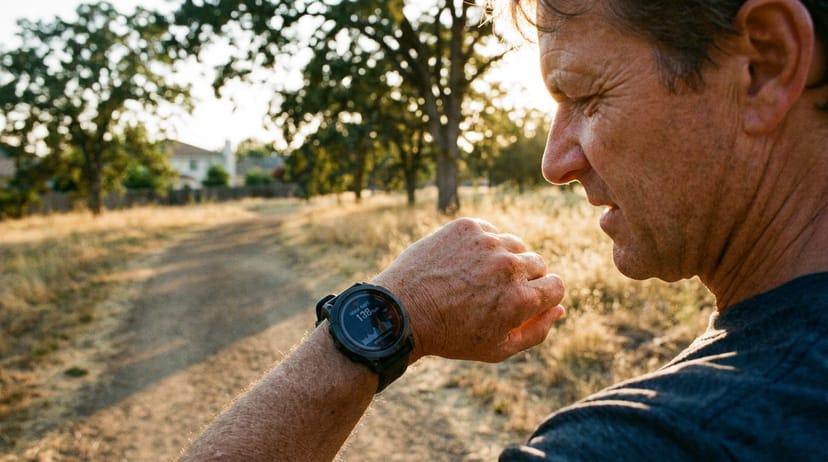
Start with 10-15% of your body weight and aim for a pace where you can maintain conversation but feel slightly breathless going uphill. This naturally puts most people in the optimal Zone 2 range for longevity benefits. A heart-rate watch like the COROS PACE 4 is one of the simplest ways to confirm you're actually staying in Zone 2 rather than drifting into a harder effort - if you want to pick one up, the PACE 4 is the budget-friendly watch we steer most ruckers toward.
The efficiency factor that longevity doctors love

What makes rucking particularly appealing to time-constrained individuals is its efficiency. Rather than needing separate sessions for cardio, strength, and bone health, rucking addresses multiple systems simultaneously.
According to a Fortune profile of his exercise routine, Attia walks hills around his neighborhood with a heavily loaded backpack as a regular part of his weekly training. This single activity provides:
- Cardiovascular conditioning through sustained elevated heart rate
- Lower body strength development from load carriage
- Core stabilization from maintaining posture under load
- Bone density stimulus from axial compression
- Balance and proprioceptive training from uneven terrain
The time efficiency becomes even more apparent when you consider that achieving similar adaptations through separate modalities would require distinct training sessions for each system. A typical week might need 3-4 cardio sessions, 2-3 strength sessions, and specific balance work - potentially 8-10 hours of exercise.
With rucking, 3-4 sessions of 45-60 minutes each can address all these systems while providing a more sustainable, lower-impact alternative to high-intensity protocols that become harder to recover from as we age.
The practical longevity advantage

Beyond the physiological benefits, rucking offers practical advantages that matter for lifelong exercise adherence - a critical factor that longevity doctors emphasize.
Low skill barrier: Unlike complex movement patterns that require coaching or practice, walking with weight requires minimal learning curve. This accessibility means you can start immediately and maintain consistency without scheduling around classes or facilities.
Minimal equipment needs: You can start with a well-fitting pack you already own and a stable load. If you later want dedicated hardware, a pack such as the GORUCK Rucker 5.0 pairs elevated plate pockets with a lifetime guarantee. That is an equipment choice, not a requirement for receiving the training stimulus.
Scalable intensity: As fitness improves or declines with age, you can easily adjust weight, distance, or terrain to maintain appropriate stimulus without needing entirely different exercise modalities.
Social compatibility: The conversational pace makes rucking inherently social, supporting the mental health and community connections that longevity research shows are crucial for healthy aging.
Weather independence: While outdoor rucking is ideal, you can maintain training consistency using treadmills or stair climbers when conditions don't cooperate.
What the research shows about weighted walking and aging
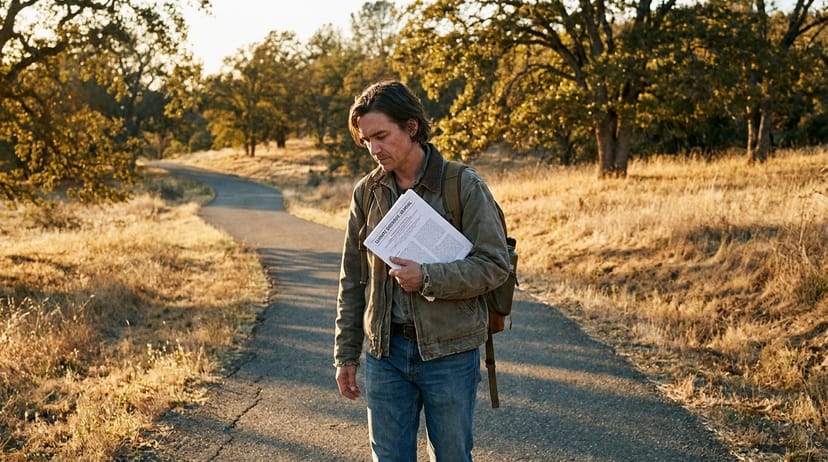
Long-form longevity studies on rucking specifically are limited - the activity has only become a mainstream fitness conversation in the last few years. But research on weighted walking and load carriage points consistently toward the same mechanisms longevity doctors prioritize: aerobic capacity, bone-loading stimulus, and lower-body strength under sustainable, low-impact conditions.
The general training parameters that show up in this research - 3-4 sessions per week, weight in the range of 10-20% of body weight, conversational pace - are also the parameters experienced ruckers and coaches recommend for steady, long-term progression. The community rule of thumb and the research direction line up.
The military's use of load carriage as a long-running conditioning method is another data point worth borrowing from. Loaded walking has been part of soldier preparation for decades because it builds aerobic and musculoskeletal capacity together at a lower joint-impact cost than running - exactly the trade-off longevity-focused exercise prioritizes.
For women specifically, Zone 2 rucking offers the additional appeal of staying out of the high-cortisol, high-stress training zone that can be counterproductive for hormonal balance. The conversational pace keeps the nervous system in a recovery-friendly state while still delivering bone-loading and cardio benefits.
Starting a longevity-focused rucking protocol

The progression below is our synthesis of the principles longevity doctors emphasize - gradual loading, mostly Zone 2, prioritizing consistency over intensity - applied to rucking. It's not a protocol prescribed by any single physician; treat it as a sensible default to adjust to your own training history and recovery.
Week 1-4: Foundation phase
- Weight: 10-15% of body weight
- Duration: 20-30 minutes
- Frequency: 3x per week
- Intensity: Conversational pace (able to speak in full sentences)
Week 5-12: Development phase
- Weight: 15-20% of body weight
- Duration: 30-45 minutes
- Frequency: 3-4x per week
- Intensity: 80% Zone 2, 20% higher intensity hills/intervals
Week 13+: Maintenance phase
- Weight: 20-25% of body weight for experienced ruckers
- Duration: 45-90 minutes
- Frequency: 3-4x per week
- Intensity: Primarily Zone 2 with periodic challenging sessions
The key principle from longevity medicine is gradual progression that allows adaptation without excessive stress or injury risk. As Attia emphasizes, the goal is sustainable improvement over decades, not rapid short-term gains that can't be maintained.
For equipment, focus on a properly fitted pack that distributes weight evenly across your back rather than pulling on your shoulders. Our rucking backpacks roundup covers picks for every budget, from entry-level day packs to purpose-built rucksacks designed for sustained loaded walking.
Track your rucking sessions by time and perceived exertion rather than obsessing over pace or distance. The longevity benefits come from consistency and appropriate intensity, not performance metrics.
The longevity doctor verdict on rucking
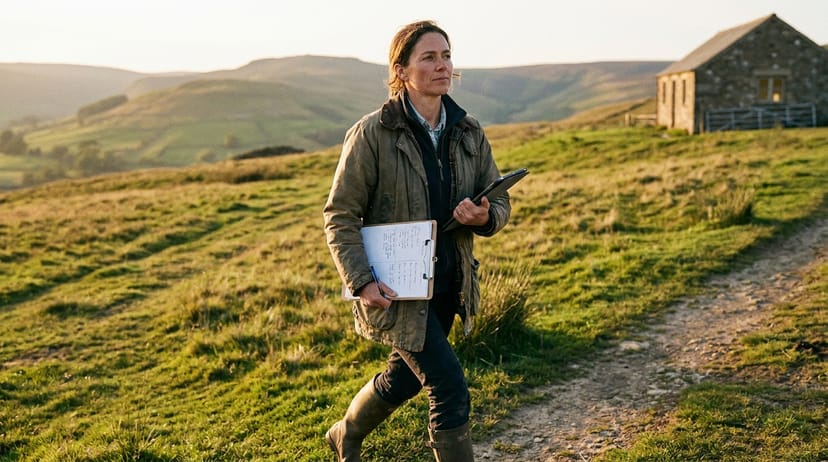
When longevity doctors like Peter Attia advocate for rucking, they're not following fitness trends - they're following data. The convergence of cardiovascular, musculoskeletal, and metabolic benefits in a single, sustainable activity makes rucking uniquely suited for lifelong health optimization.
A point Attia and others have made repeatedly: rucking is closer to what the human body is actually built to do well - carry loads over distance at a sustainable pace - than most modern exercise modalities. That evolutionary compatibility, combined with the multi-system training benefits, explains why longevity medicine is taking notice.
The science is clear that exercise is the most powerful longevity intervention available. What's becoming equally clear is that rucking may be the most efficient way to deliver the specific exercise adaptations that predict healthy aging. For anyone interested in optimizing their healthspan, not just their lifespan, the evidence strongly supports adding loaded walking to your longevity protocol.
If a backpack feels like a bigger step than you're ready for, the gentler on-ramp is a weighted vest on your normal walk - our sister site Kit Authority's weighted vest walking for beginners guide starts there.
Frequently asked questions
Start with 10-15% of your body weight and progress gradually. The key is maintaining Zone 2 intensity (conversational pace) rather than maximizing load. Longevity doctors emphasize consistency over intensity for long-term benefits.
Aim for 3-4 sessions per week of 30-60 minutes each. This frequency allows adequate recovery while providing sufficient stimulus for cardiovascular, bone, and strength adaptations that matter for longevity.
While rucking addresses multiple aging biomarkers efficiently, most longevity doctors recommend adding some higher-intensity intervals and specific strength work for optimal results. However, rucking can serve as your primary exercise modality with excellent anti-aging benefits.
Yes, when started gradually with appropriate medical clearance. The low-impact nature and adjustable intensity make rucking particularly suitable for older adults. Begin with just 10-15 pounds for 20 minutes and progress slowly over months.
Cardiovascular adaptations - lower resting heart rate, easier hills, faster recovery - typically show up within the first couple months of consistent training. Bone density changes happen on a longer timescale, since bone remodels far more slowly than your aerobic system. Don't expect dramatic biomarker shifts in weeks; the longevity case for rucking is built on years of consistency, not on short-term gains.
The added weight provides bone-loading stimulus that unweighted walking can't match, and it raises heart rate into the Zone 2 range that supports fat oxidation and mitochondrial health. Walking is genuinely beneficial - it just doesn't load the skeleton or push the cardiovascular system the way a weighted pack does. Rucking is best understood as walking's harder-working cousin: same low-impact, accessible movement, but with a much bigger training stimulus.