Gear Review
Best Rucking Gear for Weight Loss: The Complete Starter Kit
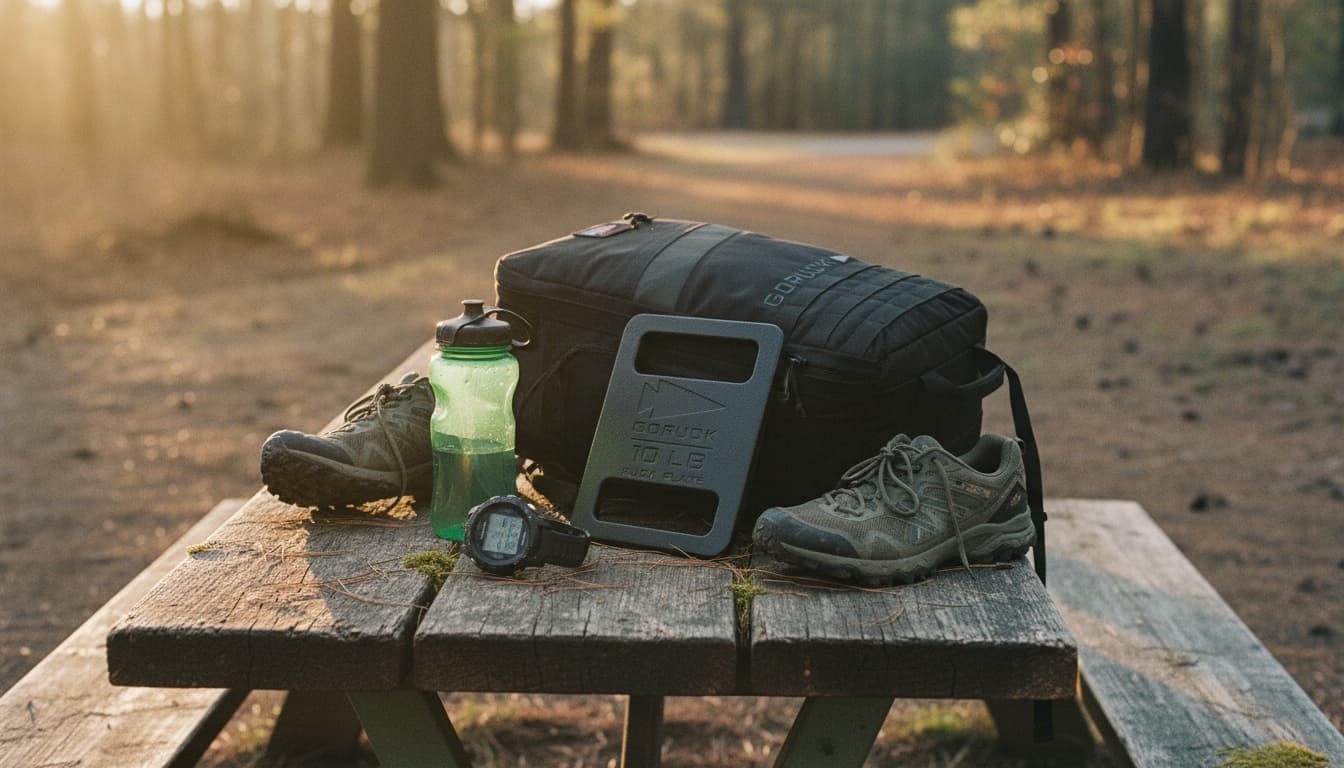
The gear you need to start rucking for weight loss: a pack that holds a plate, a light starting weight, socks and water, plus what to skip until later.
On this page11 sections
- Best first pack for weight-loss rucking
- Premium and budget picks at a glance
- Buy now, buy later or skip
- Why rucking works for weight loss
- The four-item starter kit
- Buy in this order
- 1. A pack that holds weight properly
- 2. The weight itself
- 3. Socks that reduce blister risk
- 4. Hydration
- The first four weeks
- What you do not need to buy (yet)
- The beginner starter kit (if you want it done for you)
- How rucking compares to other weight-loss cardio
- Ready to start?
- Frequently Asked Questions
- The starter kit is four items: a pack, a weight, socks and hydration. A pack you already own can cover the first weeks.
- Start with 5 to 10 lb for 20 to 30 minutes on level ground, then add time before weight.
- A 170-lb rucker with 25 lb burns about 310 calories an hour on flat pavement and about 485 up a 5% grade. Hills add more than extra weight.
- Choose a pack that holds the weight high and still, either in a plate pocket or with a flexible weight secured flat.
- If you want the whole setup in one place, the beginner starter kit groups a pack, plate, socks, hydration and anti-chafe at three budgets.
Best first pack for weight-loss rucking
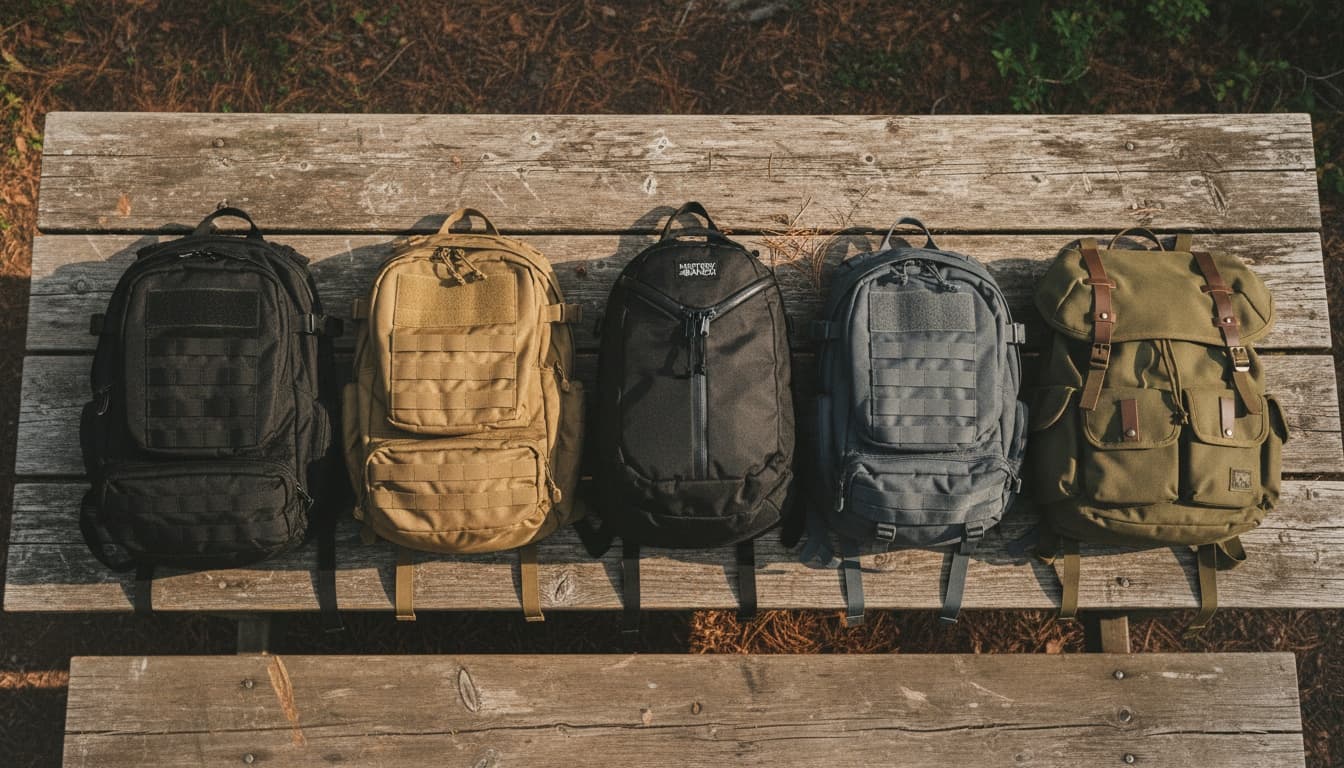
If you are buying one pack for fat-loss-first rucking, start with the 5.11 RUSH 24 2.0. It sits in the middle: it costs less than a GORUCK Rucker, it is more structured than a typical daypack, and its 37 liters hold water, a plate and a layer.
Premium and budget picks at a glance
Four items get you started: a pack, a weight, socks and water. Shoes and a watch can wait until rucking sticks. The product cards show current prices.
| Category | Premium pick | Budget pick | Why it matters |
|---|---|---|---|
| Pack | 5.11 RUSH 24 2.0 | CONDOR 3-Day Assault | A structured back panel keeps the load high and stable. Both can hold a flat plate against the back panel if you secure it. |
| Plate (10 lb to start) | GORUCK Ruck Plate | Yes4All cast-iron plate | The single biggest comfort upgrade. Loose weight shifts and makes steady progression harder. |
| Socks | Darn Tough Light Hiker | Any merino or synthetic hiking sock | Cotton holds sweat against the skin. |
| Hydration | Hydro Flask 32 oz | Nalgene 32 oz or any bottle | A bottle in a side pocket covers most walks. |
| Shoes (later) | Salomon XA Pro 3D V9 GTX | Existing walking shoes | Your current shoes are fine for week one. Upgrade only when miles climb or terrain changes. |
| Watch (later) | Garmin Instinct 3 Solar | Phone tracking | A watch is a later upgrade if rucking sticks; a phone tracks pace and distance in month one. |
Buy now, buy later or skip
This table is the short version of the guide. Buy the first four items, add the next three once rucking is a habit, and leave the rest until you have a specific need.
| Status | Item | Why |
|---|---|---|
| BUY NOW | Pack with a structured back panel (Condor, 5.11 RUSH 24, or a current GORUCK Rucker) | A floppy daypack lets the load shift and create pressure points. |
| BUY NOW | A known weight, 5 to 10 lb to start (budget cast iron, a flexible weight or a fitted GORUCK plate) | Books, bricks, and loose sandbags move around. A stable plate makes progression predictable. |
| BUY NOW | Merino socks and anti-chafe | Cotton holds moisture. Merino or a good synthetic blend reduces friction on longer walks. Apply anti-chafe before you start, anywhere you reliably develop friction. |
| BUY NOW | Water bottle | A bottle in a side pocket covers walks of an hour or so. |
| ADD LATER | Trail running shoes for terrain transitions | Your existing walking shoes are fine for the first four weeks. Upgrade only when you start adding terrain or mileage. |
| ADD LATER | Hydration bladder (Source WXP 3L) | A water bottle in the side pocket works until you start doing 60+ minute rucks. |
| ADD LATER | GPS watch (Garmin Instinct 3 Solar) | Your phone tracks pace and distance fine. A watch is a later upgrade if rucking sticks. |
| SKIP | Trekking poles | Not needed on flat pavement or gentle trails. Buy when terrain demands them. |
| SKIP | Plate carrier vest | The pack-and-plate combo is the beginner default. A vest is a different way to carry weight, so buy one for a specific use. |
| SKIP | Reflective belts, headlamps, MOLLE accessories | Buy these when you have a specific use case (events, night rucks). Not weight-loss starter gear. |
| SKIP | Loose books, bricks or sandbags as long-term weight | They shift unless packed tightly. Wrapped and wedged in place, they are fine for a first trial walk; a plate or flexible weight is easier to secure. |
Why rucking works for weight loss
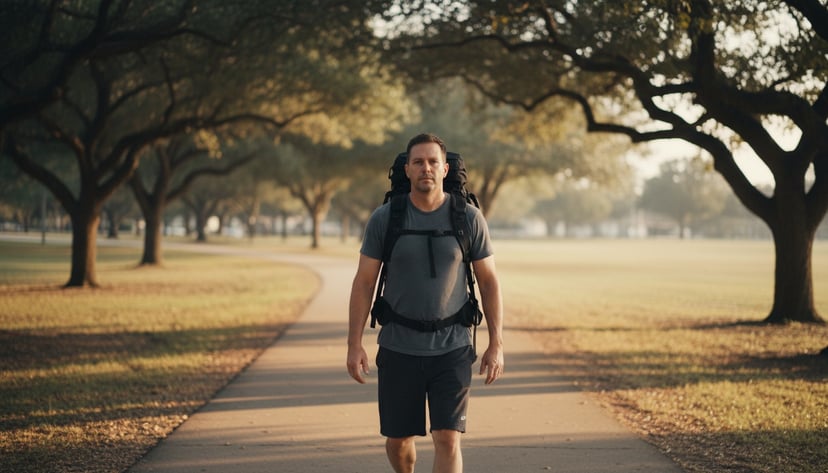
A 170-pound person walking unloaded at 3 mph on flat pavement burns roughly 280 calories an hour. Add a 25-pound pack at the same pace and that rises to about 310. The pack earns its keep on hills: the same 25 pounds up a 5% grade is about 485, and 35 pounds up an 8% grade is about 620, close to jogging at 5 mph, without the impact.
Those numbers come from the Pandolf load-carriage equation, the model behind our calorie calculator. A 2017 study by Drain and colleagues found it under-predicts energy use under heavy, fast military loads; at the light loads here, read the figures as estimates rather than a floor. The calculator methodology covers the model's limits. The practical lesson for weight loss: choose a hillier route before a heavier plate.
Impact is the other reason it suits weight loss. Walking keeps one foot on the ground at all times, so each step lands with far less force than a running stride. Rucking is lower impact than running at the same pace, though it is not impact-free, so build the load slowly. For anyone with sore knees or a history of running injuries, that difference can make a routine easier to keep up over the months it takes to change body composition.
Gear matters mostly in one way: a load that shifts or hangs low makes every walk less comfortable, and an uncomfortable routine is harder to keep.
The four-item starter kit
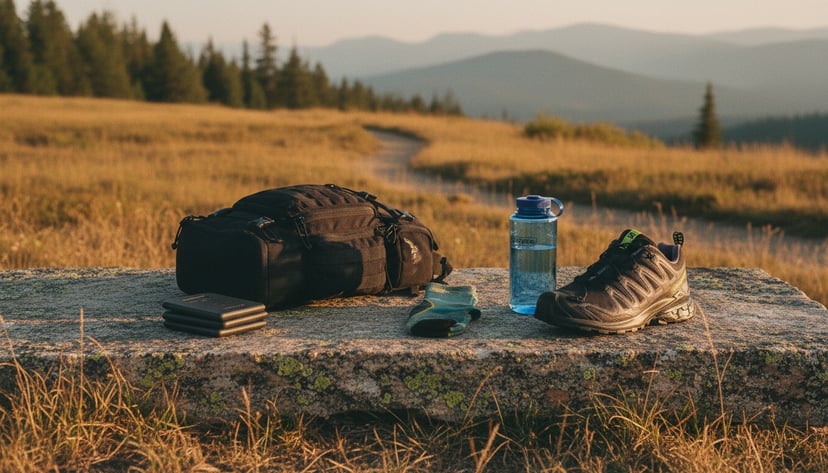
Rucking does not need ten items. It needs four. Everything else is optional or upgradeable later.
Buy in this order
| Priority | Buy | Why it comes first |
|---|---|---|
| 1 | Pack that holds weight close | If the load shifts, every walk feels worse than it should. |
| 2 | Known weight | A plate or flexible weight lets you progress instead of guessing. |
| 3 | Merino socks and anti-chafe | A blister can stop a routine for days; good socks and anti-chafe are cheap insurance. |
| 4 | Hydration | Longer repeatable walks need water before they need more gadgets. |
1. A pack that holds weight properly
A common mistake is an old hiking daypack with no plate pocket and a soft back panel. The weight sags toward your lower back and shifts with every step.
What to look for:
- A structured back panel (not floppy foam)
- Either a dedicated plate pocket OR enough structure to hold a flexible weight flat
- Padded shoulder straps (not flat nylon webbing)
- Enough room for the weight, water and a layer; a bigger pack only helps if you can keep the weight from moving
Starter budget: CONDOR 3-Day Assault. Tactical, 50L, MOLLE, 600D polyester. Fine for moderate use while you learn what fit you prefer. It is bigger than you need, so secure the weight high against the back panel.
Recommended: 5.11 RUSH 24 2.0. 1050D water-repellent nylon, 37L, durable. The best balance of capacity, build, and price.
Premium: GORUCK Rucker 5.0. Dual elevated plate pockets, a 30 mm lumbar pad, a 1000D Cordura shell, and the SCARS lifetime guarantee. Buy this if you already know rucking is your sport.
Daily-carry premium: GORUCK GR1 26L. It adds broader daily and travel utility to the durable 1000D Cordura build and SCARS lifetime warranty. If you are choosing between a training-first Rucker and a work-and-travel GR1, see our full Rucker vs GR1 comparison.
2. The weight itself
Start with 5 to 10 lb for 20 to 30 minutes on level ground, whatever you weigh. Add time first, then weight in small steps.
Books or water bottles are fine for a first trial walk if you wrap them and wedge them high against the back panel. Loose bricks and sandbags shift and create pressure points, so once you know you will keep rucking, buy a plate or a flexible weight.
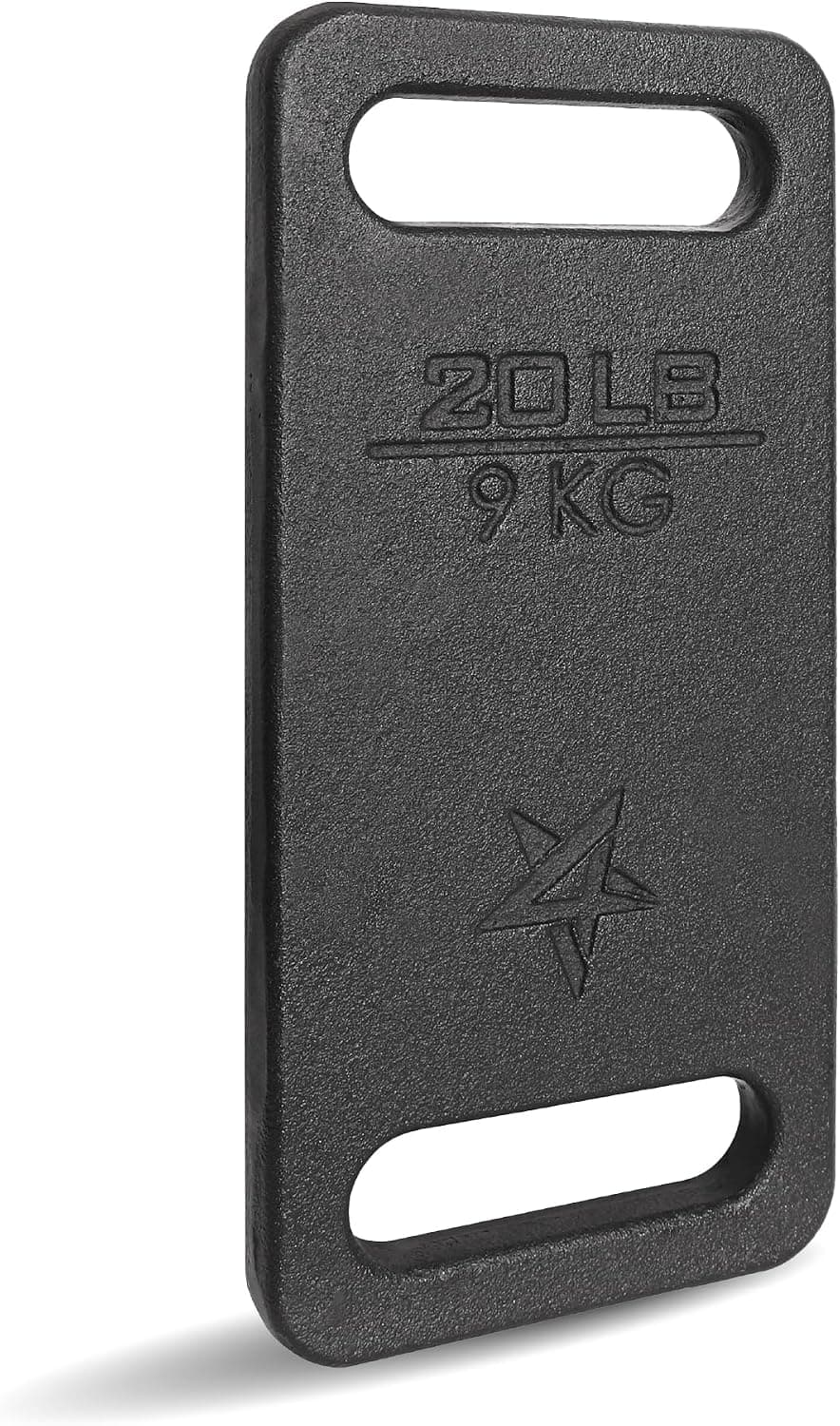
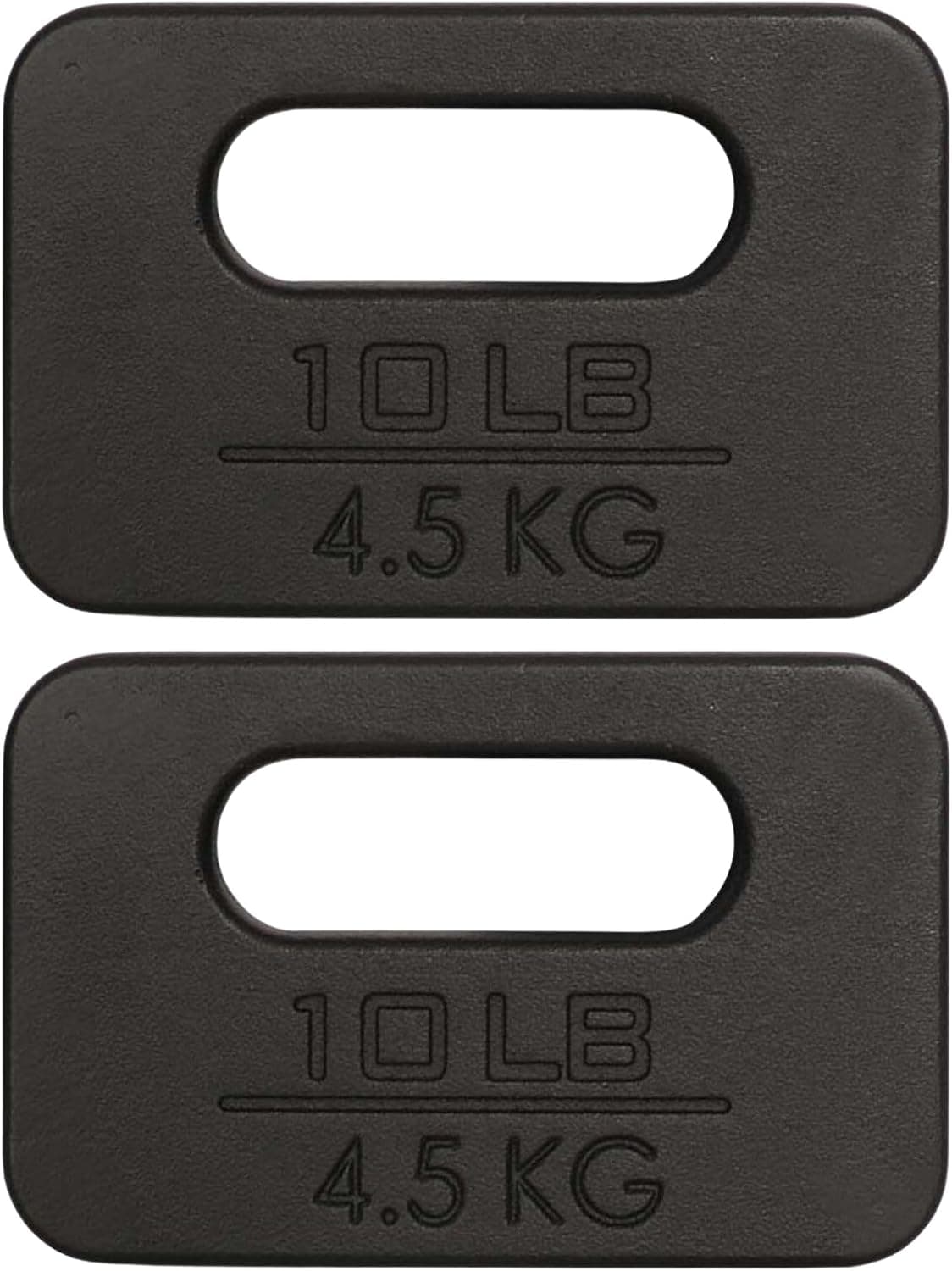
Budget: Yes4All cast-iron rucking weights. The 10 lb pair lets you start with one plate and add the second later, and a single 20 lb plate is also sold. Check the plate dimensions against your pack's sleeve.
Premium fit: GORUCK Ruck Plate, starting with the 10 lb Standard. It is sized for GORUCK's plate pockets.
Non-GORUCK pack? The flex pick: Hyperwear FlexLoad. Each fabric sleeve holds removable half-pound weights, so you can start light and add a little at a time. The sleeves are 12.25 inches tall and about 10 inches wide, so measure your pack first and secure the sleeve so it cannot slide.
3. Socks that reduce blister risk
Skip cotton, which holds sweat against the skin. Merino or a good synthetic blend handles sweat better and cuts friction.
Default: Darn Tough Light Hiker. A merino-nylon blend knit in Vermont, with Darn Tough's published lifetime guarantee.
Alternative: Smartwool Hike Full Cushion Crew. A softer full-cushion option that is widely stocked.
Toe-separation option: Injinji Trail Midweight. For anyone prone to inter-toe blisters.
4. Hydration
The only item where cheapest works great.
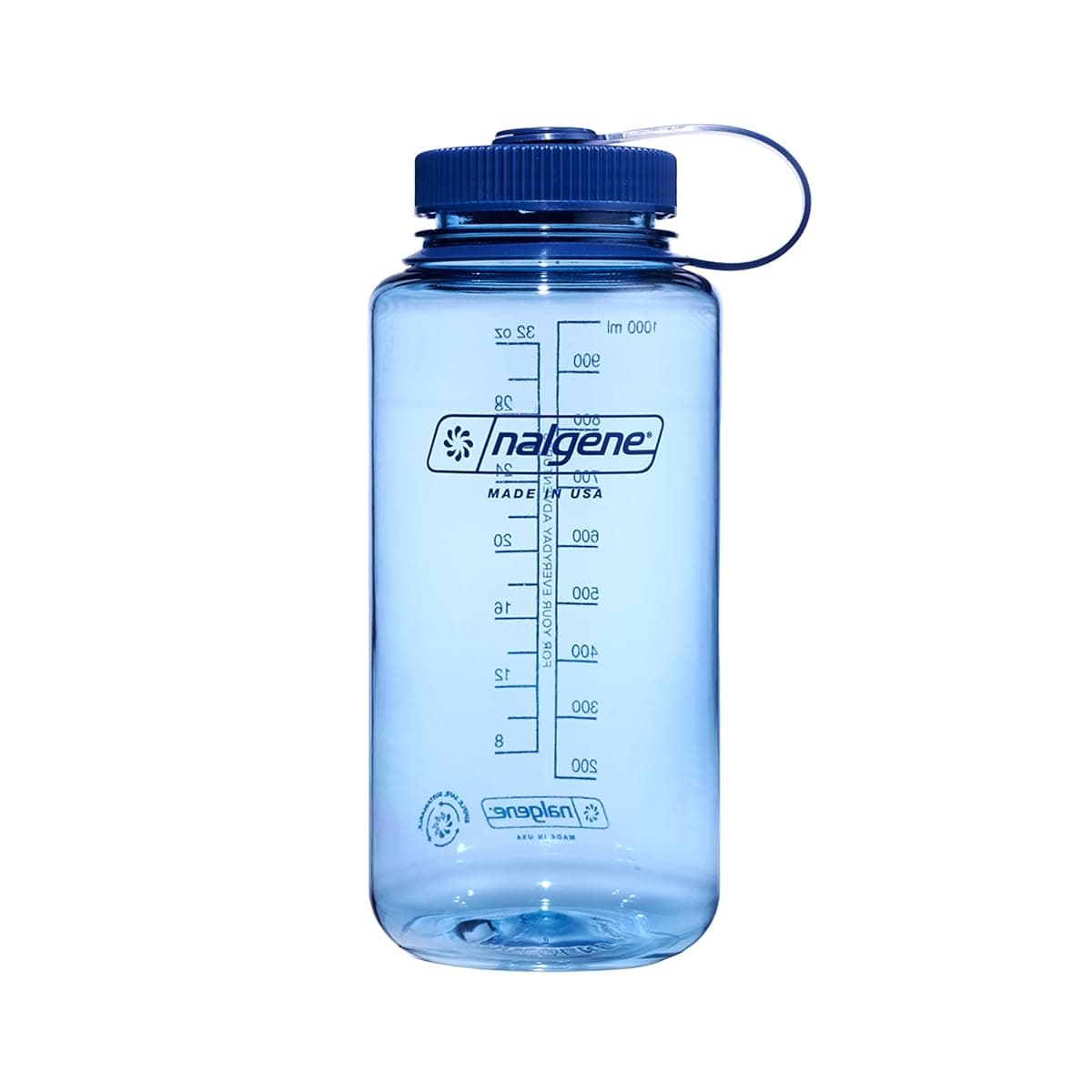
Simple bottle: Nalgene 32 oz Wide Mouth. Durable and sized for many pack side pockets.
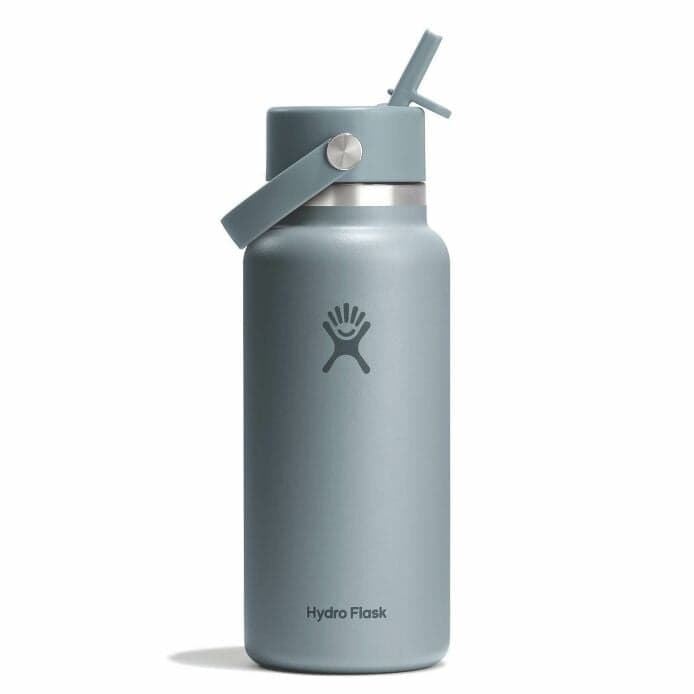
Insulated upgrade: Hydro Flask 32 oz. It keeps water colder on long summer rucks.
The first four weeks
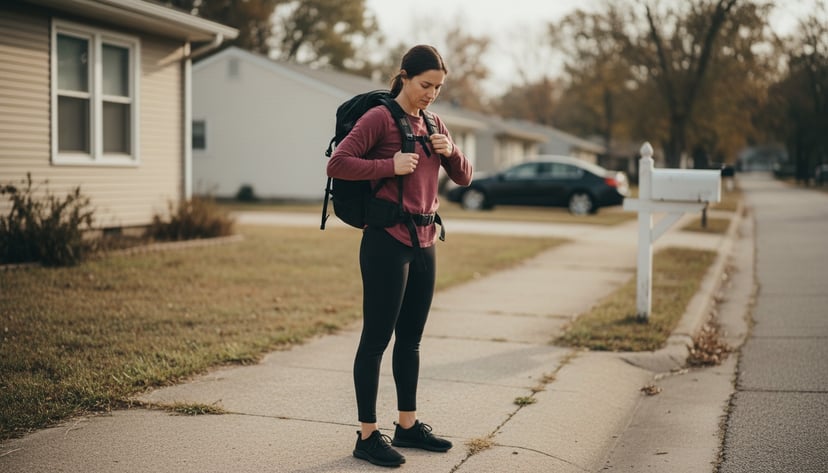
Progression matters as much as gear. The four weeks below get you started; for the full ramp, follow our 12-week rucking for weight loss plan.
Week 1: 20-30 minute rucks with 5-10 lb, 3x per week with a rest day between. Level ground, normal pace. Goal: get your feet and connective tissue used to load.
Week 2: Same weight, same frequency, bump to 35-40 minutes per ruck.
Week 3: If no knee or back pain, add 5 pounds. Stay at 40 minutes.
Week 4: If still feeling good, extend one ruck per week to 60 minutes. Keep the others at 40.
Red flags (back off immediately):
- Sharp lumbar pain (not muscle fatigue)
- Numbness or tingling in your hands or arms. Strap pressure on the nerves at the shoulder can cause rucksack palsy, so stop, loosen the straps, lighten the load, and see a doctor if it does not clear.
- Knee pain that persists 24+ hours after a ruck
- Any foot pain that is not a simple blister
After four weeks, keep adding time before weight, and add 5 lb only when the current load feels routine. For weight loss, a heavier plate is optional: as the numbers above show, a hillier route adds more work than extra pounds.
What you do not need to buy (yet)
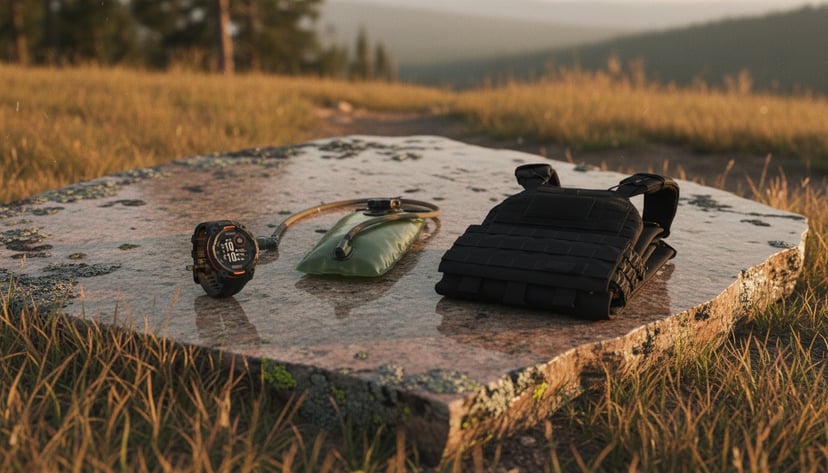
These can wait:
- GPS watch: your phone tracks pace and distance. Buy a watch once rucking sticks.
- Trekking poles: not needed for flat pavement or gentle trails.
- Hydration bladder: a water bottle in the side pocket works.
- Plate carrier vest: the pack-and-plate combo is the beginner default.
- Expensive tactical gear: reflective gear, headlamps, paracord, MOLLE accessories. Buy these when you have a specific use case.
The beginner starter kit (if you want it done for you)
If you would rather not assemble the kit yourself, use the beginner starter kit. It keeps the pack, weight, shoes, socks, hydration, and anti-chafe picks together so you can review each current product before buying.
It comes in Budget, Standard and Premium versions built from the same categories covered above. It is an editorial equipment selection, not a setup tested as a weight-loss intervention.
How rucking compares to other weight-loss cardio
| Activity | Calories/hr (170 lb) | Joint impact | Gear cost |
|---|---|---|---|
| Rucking (25 lb, 3 mph) | about 310 flat, 485 up a 5% grade | Lower than running | Moderate; lower if you own a pack |
| Walking (unloaded, 3 mph, flat) | about 280 | Low | No dedicated equipment required |
| Running (5-6 mph) | about 690-755 | High | Shoes |
| Cycling (10-14 mph, leisure) | about 550-650 | Very low | Usually the highest entry cost here |
| Elliptical or HIIT | Varies widely with effort | Low (elliptical) to high (jumping HIIT) | Gym access, a home machine, or little equipment |
Rucking and walking figures come from the Pandolf equation in our calculator. Running and cycling apply MET values from the 2024 Adult Compendium of Physical Activities to a 170 lb person: running at 8.5 and 9.3 METs as in our calculator, cycling at 6.8 to 8.0 METs for 10-14 mph leisure riding.
Rucking, cycling, and walking can all support sustainable weight loss. Rucking combines higher energy demand than unloaded walking with equipment that can last for years, but the best choice is still the one you can repeat consistently.
Start with 5 to 10 lb for 20 to 30 minutes on level ground. Add time before weight, then add 5 lb at a time once the current load feels routine. A heavier load is not required for weight loss; hills add more work than extra pounds.
More days do not guarantee faster fat loss. Begin with a schedule you can recover from and account for other training, load and symptoms. There is no universal sustainable maximum or inevitable injury outcome from frequency alone.
It depends mostly on your overall calorie balance. Rucking adds work but will not create a large deficit on its own: an hour with 25 lb is about 310 calories on flat ground and about 485 on a 5% grade for a 170 lb person, so three hour-long rucks a week add roughly 900 to 1,450 calories. Diet sets most of the deficit; rucking adds to it and keeps you active.
A cheaper pack is fine while you learn what fit and capacity you prefer. GORUCK's advantage is the lifetime guarantee and the elevated plate system on the current Rucker 5.0, both meaningful upgrades once you know rucking is sticking for you. Start with the pack you already own or a well-fitting budget pack; upgrade when your mileage and load justify it.
Running burns more per hour (about 670-790 calories at 5-6 mph for a 170 lb person, against about 310 for a flat ruck or 485 on a 5% grade), but each stride lands with much more force. If you already run without injury, mixing running and rucking works well. If your joints are sensitive or you are new to exercise, rucking is the gentler way to build a routine you can keep.
Start with comfortable walking or running shoes that already fit you well. For pavement, the Hoka Bondi 9 is a highly cushioned option; for mixed pavement and trail, the Saucony Peregrine 16 adds grip. Introduce unfamiliar minimalist or zero-drop footwear gradually rather than pairing a new shoe geometry with a new load on day one. Full pavement shoe roundup →
For cardio, it can. It is a light strength stimulus, though, and the Physical Activity Guidelines for Americans call for muscle-strengthening activity on at least two days a week alongside aerobic exercise. A practical split is two or three rucks plus two short strength sessions with bodyweight, bands or dumbbells.
Ready to start?
- See the beginner starter kit and review each pick →
- Browse every rucking gear category on our shop →
- Read the full Rucker vs GR1 comparison if you are shopping premium →
- Best budget rucking backpacks (the budget-conscious version of this guide) →
Frequently Asked Questions
You can start with it. If the back panel is soft and there is no plate pocket, pack the weight high and wedge it so it cannot slide. If it still sags toward your lower back, that is the point to buy a pack with more structure.
Heavy loads before your feet, joints and back have adapted make soreness, blisters and overuse pain more likely, and that makes the routine harder to keep. Start with 5 to 10 lb for 20 to 30 minutes on level ground, add time first, and add 5 lb only when the current load feels routine.
Yes: sharp lumbar pain (not muscle fatigue), numbness or tingling in your hands or arms, knee pain that persists 24 hours or more after a ruck, or foot pain beyond a simple blister. Stop, lighten the load or adjust the fit, and see a clinician if the symptoms do not settle.
Synthetic athletic socks work if they fit well and are not cotton. Merino blends are another good option as walks get longer. Avoid cotton, which holds sweat against the skin.
Both can support the same training result because the work comes from the load, pace, distance, and consistency rather than the logo. The recommended kit pays for better load control, materials, and comfort features. Those advantages matter more as mileage rises than during the first few weeks when you are learning whether rucking fits your routine.
Yes. Use the same pack and plate, start a little slower than your outdoor pace, and raise the incline rather than the weight when you want more work.
The gear is the same. Weight-loss rucking keeps loads moderate and adds time and hills, while military training builds toward much heavier loads for a specific standard.
Quick Comparison
| Product | Price | Best For | Buy |
|---|---|---|---|
 Ultra-Budget OptionCONDOR 3-Day Assault Pack | $50-150 | Short walks under 30 lbs where you just want a cheap pack to test if rucking is for you before committing to better gear. | |
 Best Value5.11 Tactical RUSH 24 2.0 | $150-300 | Tactical enthusiasts wanting a pack that works for rucking and everyday use. Best choice if you want professional organization and customization options. | |
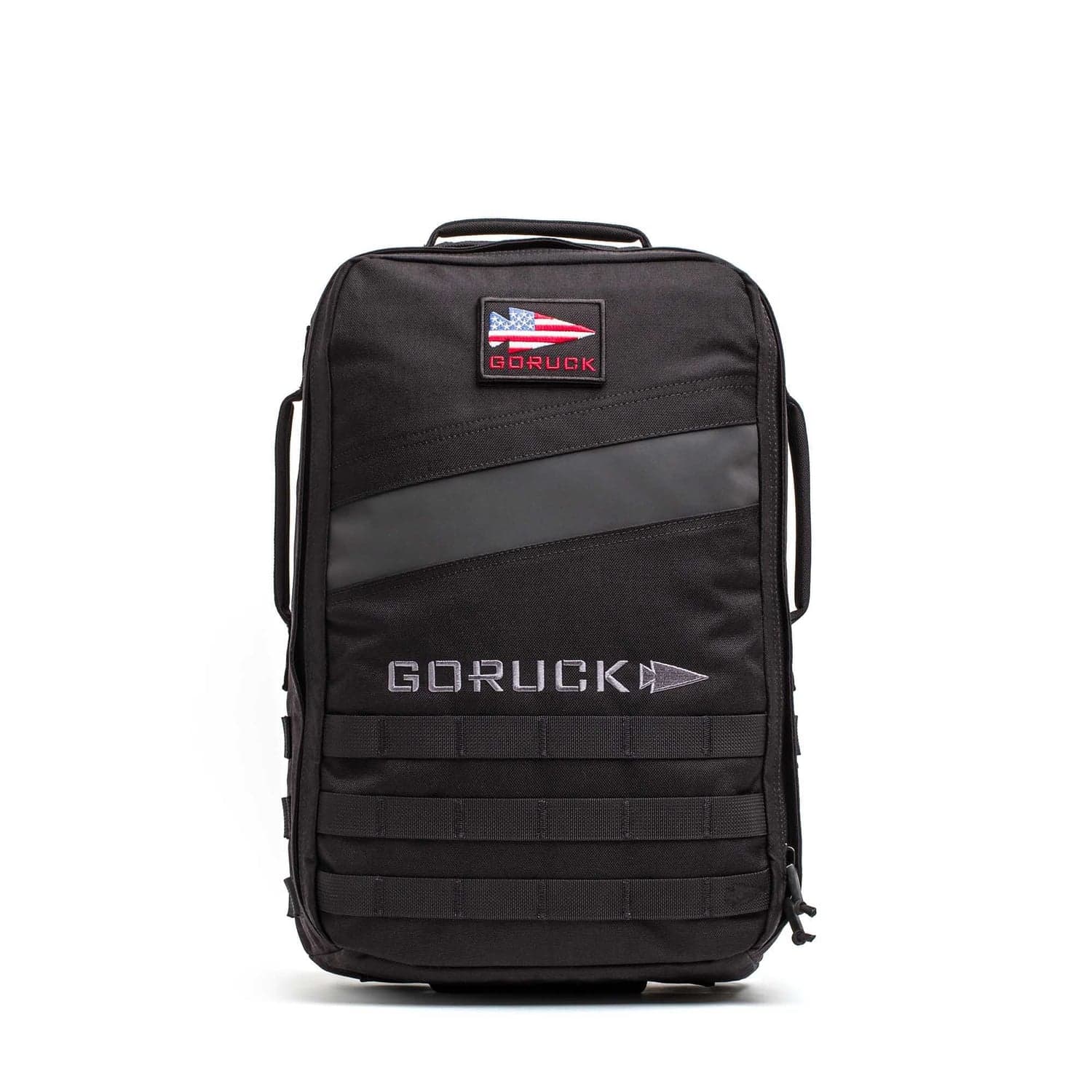 First-week reviewGORUCK Rucker 5.0 | $150-300 | Ruckers who want a dedicated training pack that holds the plate high and stays put on rough ground. | |
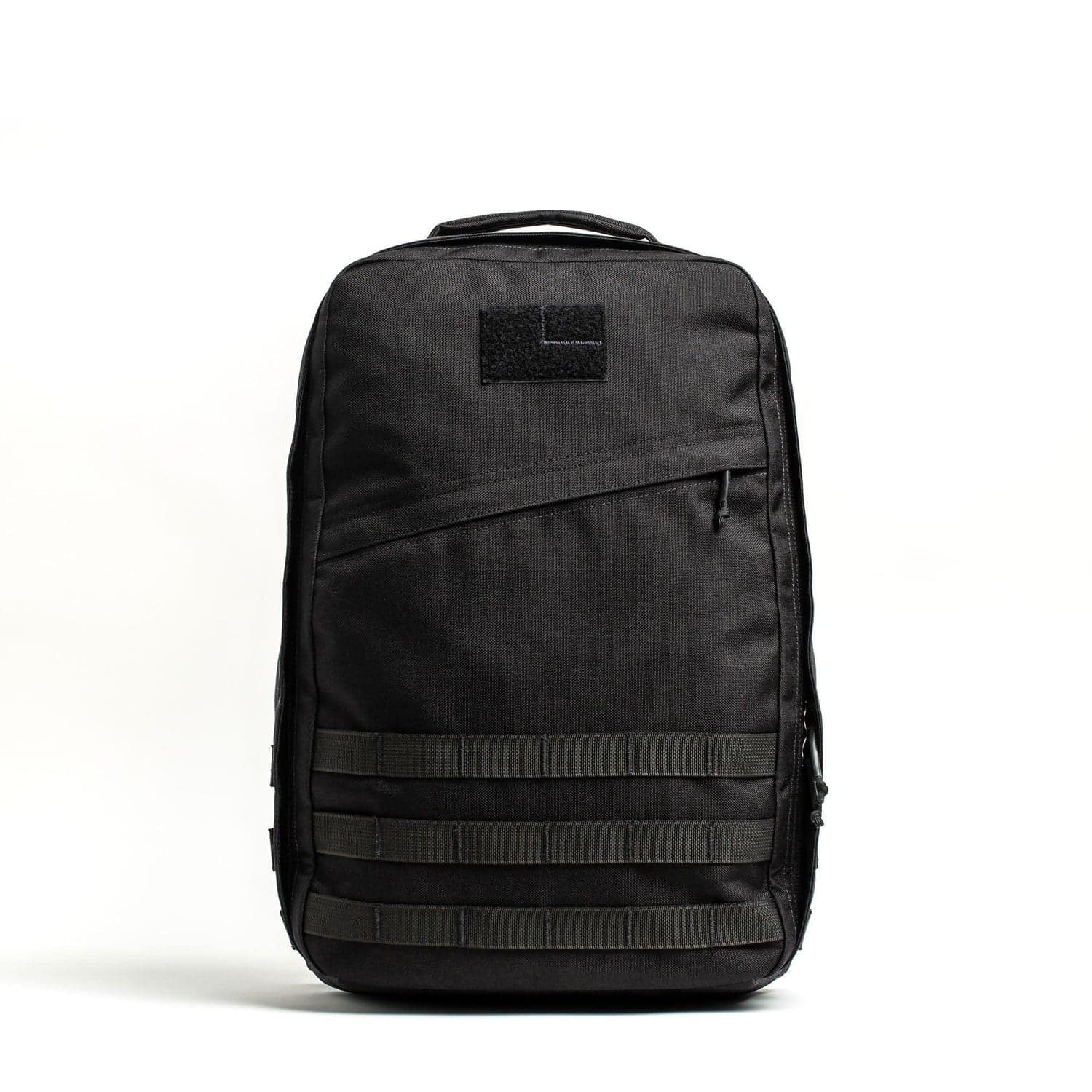 Simple 26L RuckGORUCK GR1 | $300-500 | Ruckers who want one bag for rucking, everyday carry and carry-on travel, backed by GORUCK's build and lifetime guarantee. | |
| $25-50 | Budget-minded ruckers who want a real 20 lb plate and will secure it inside a sturdy backpack sleeve. | ||
| $25-50 | Beginners who want to start at 10 lb and grow to 20 without buying twice, and anyone who found the single 20 lb plate out of stock. | ||
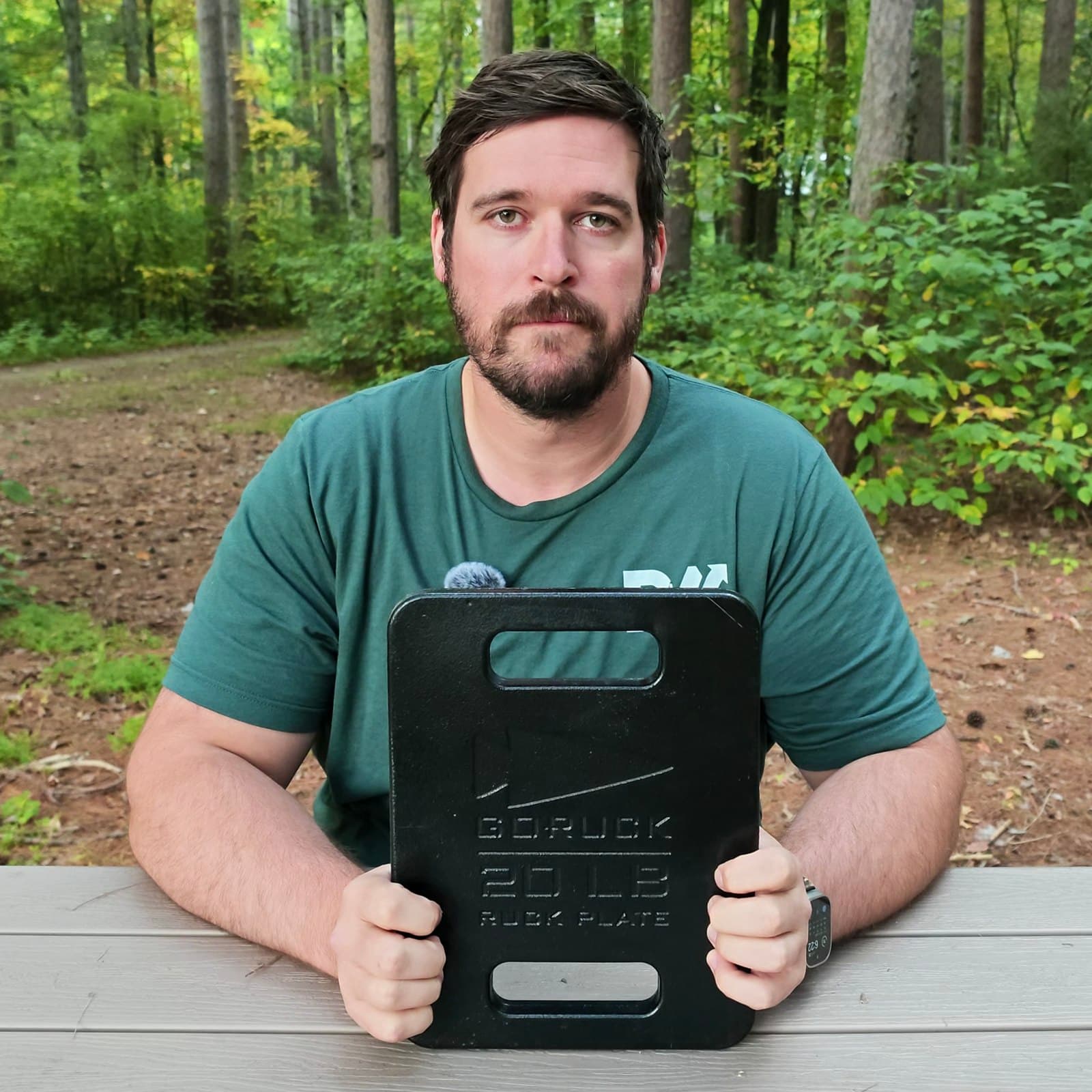 Made for GORUCK PacksGORUCK Ruck Plates | $50-150 | GORUCK pack owners who want a plate sized for the dedicated pocket in their pack. | |
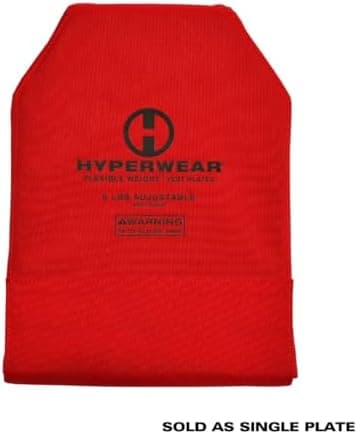 Best for Non-GORUCK PacksHyperwear FlexLoad Adjustable Rucking Weights | $50-150 | Ruckers who want half-pound adjustments and have enough room to restrain the selected sleeve securely. | |
 Buy It OnceDarn Tough Light Hiker Micro Crew | $25-50 | Ruckers who prefer a light-cushion merino blend and value a long warranty. | |
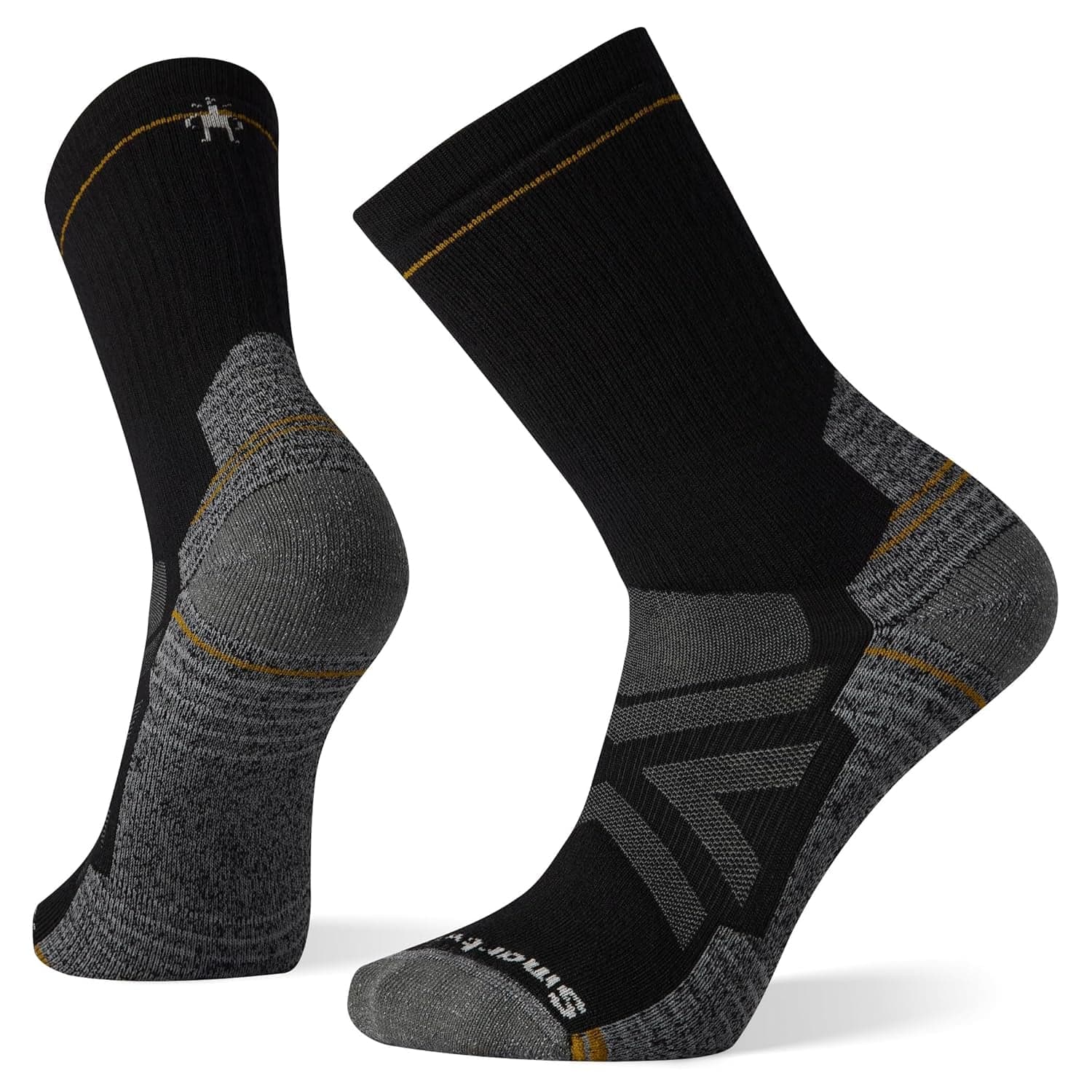 Alternative DefaultSmartwool Hike Full Cushion Crew | Under $25 | Ruckers who want a full-cushion merino crew with a direct size-specific buying path. | |
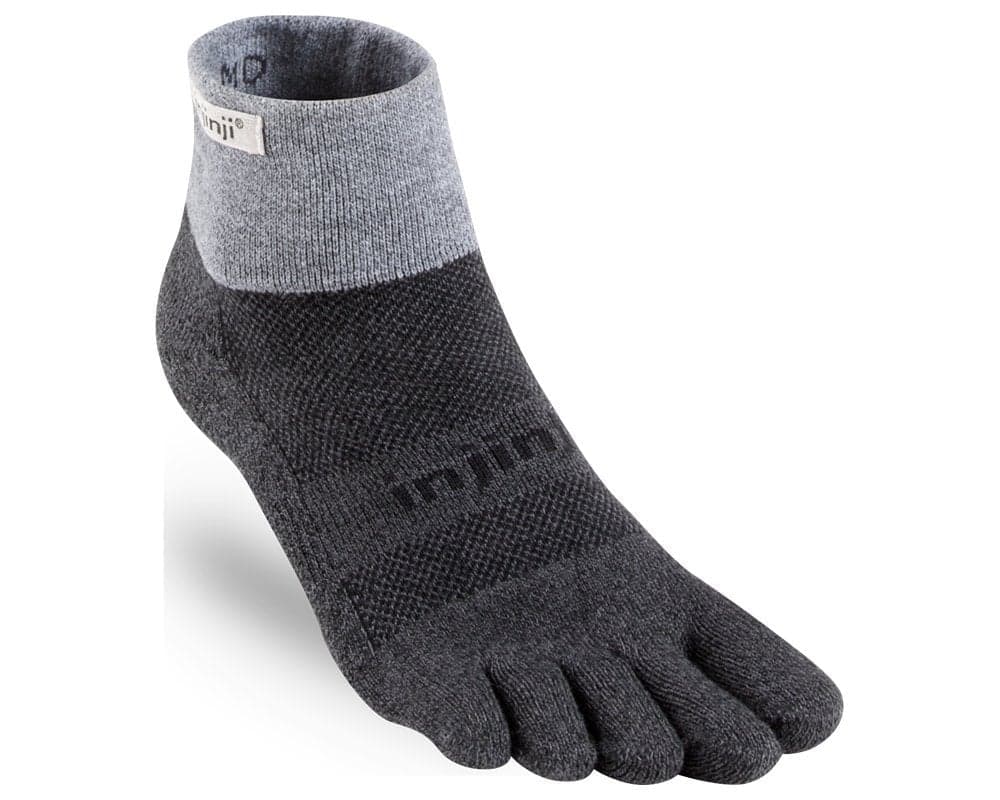 Best for Blister-Prone FeetInjinji Unisex Trail Midweight Crew Xtralife | $25-50 | Ruckers who repeatedly develop inter-toe friction or prefer toe socks and two-sock layering. | |
| Under $25 | Ruckers who want a durable, leak-proof 32 oz bottle that fits most pack side pockets. | ||
| $25-50 | Warm-weather road rucks and day trips where cold water matters more than shaving pack weight. |
Related Articles
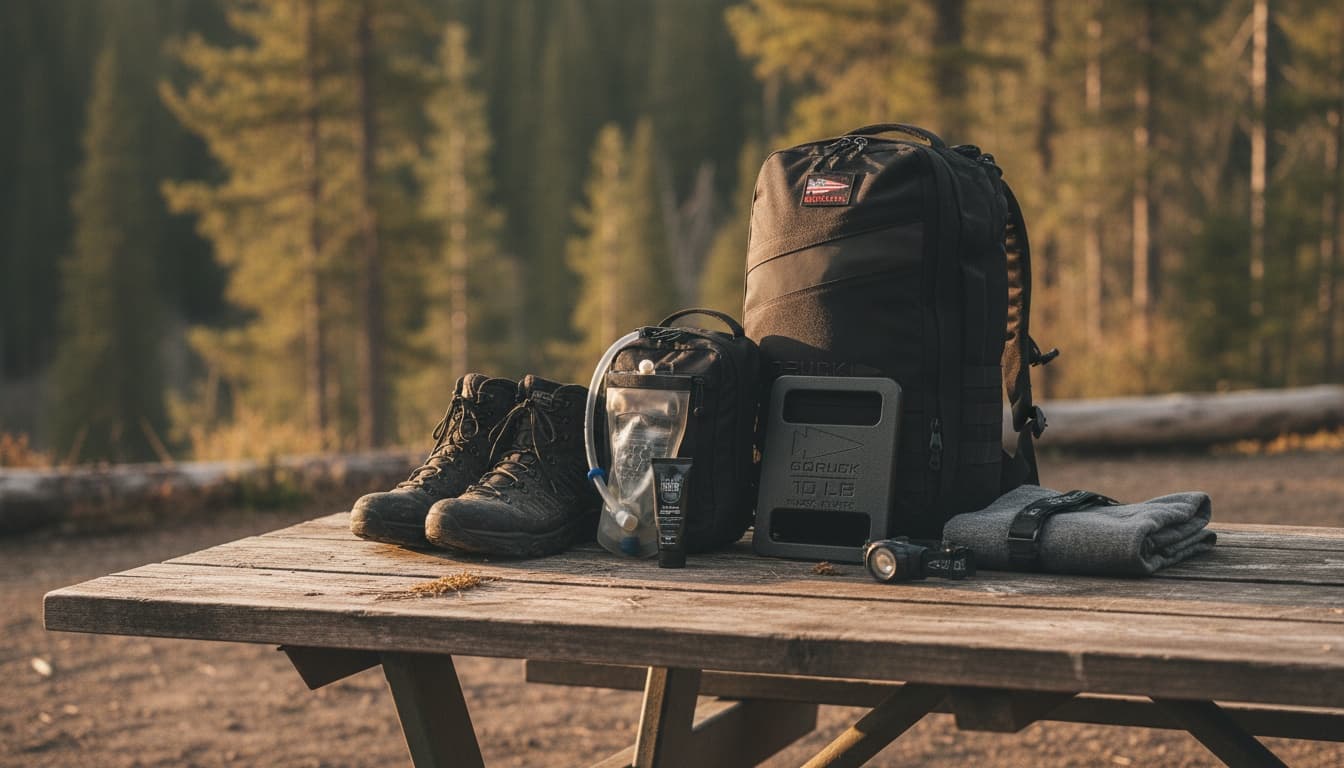
GORUCK Tough Packing List: Complete Gear Guide (2026)
GORUCK Tough packing list with required gear, smart add-ons, blister care, layers, hydration, food, and event-ready loadout notes.

Best Rucking Gear for Women: Packs, Vests, Shoes
Rucking gear for shorter torsos and different strap geometry, compared by fit range, load stability, adjustability, and current availability.
Best Weighted Backpacks for Rucking in 2026
Compare four rucking backpacks with room for cargo: two GORUCK plate-pocket packs, a 37L tactical pack, and the GR1 for work and travel.

Best Rucking Backpacks 2026: 8 Packs Compared
Compare eight rucking backpacks by plate retention, cargo space, materials, and everyday usefulness, including the current GORUCK Rucker 5.0 and Basic Rucker.