Memorial Day is the United States' annual day to mourn and honor service members who died in military service. The holiday grew from post-Civil War Decoration Day observances centered on graves, remembrance, and public ceremony, according to the National Cemetery Administration.
A memorial ruck is a modern, voluntary way some people mark that day. It isn't the origin of Memorial Day, and there's no official national ruck format. The useful question is whether the route, load and ritual help you remember someone without creating a preventable emergency or turning the day into a performance stunt.
What a memorial ruck actually is
There is no certifying body or official distance. In this guide, a memorial ruck means a loaded walk done with the deliberate intent to honor someone who died in service.
The variables you control:
- Distance. Use a short familiar loop if you are new. A 26.2-mile event is an endurance undertaking that requires specific preparation, not a symbolic default.
- Weight. Carry your established training load or less. If you have never rucked, a light secured load is enough. Do not borrow a military benchmark for a commemorative walk.
- Time. Choose a duration that fits your current capacity and the conditions. Starting at sunrise is optional, not a rule.
- Route. Local trails, neighborhood loops, formal event courses, or a route that means something specific (a fallen friend's home town, a base, a memorial site).
- Ritual. Reading a name, wearing a specific patch, carrying a photo or calling someone afterward. The ritual is what separates a memorial ruck from a Tuesday workout.
The most common formats
Solo
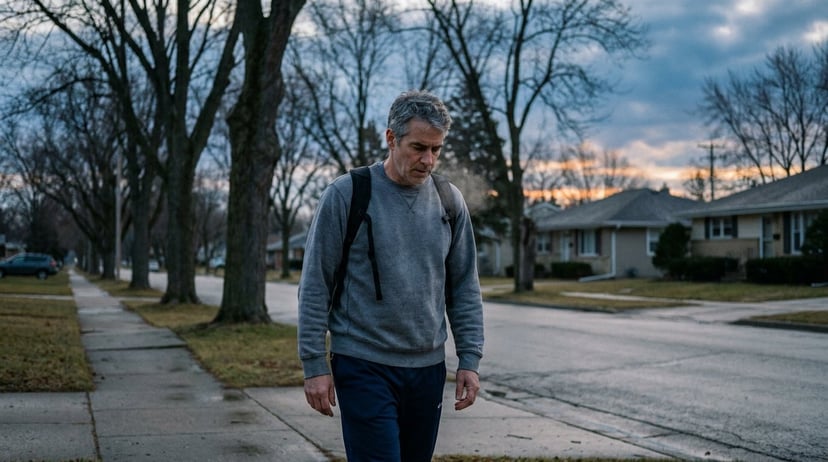
The simplest version: pack up, bring water and walk. If you're new to rucking, keep the load to 5 to 10 pounds on a short, level route. The effort matters less than the remembering, and an injury honors nobody.
What makes it a memorial ruck is the person you carry it for. Bring their name with you. Think about them while you walk. Call their family afterward if you can.
Group / Community
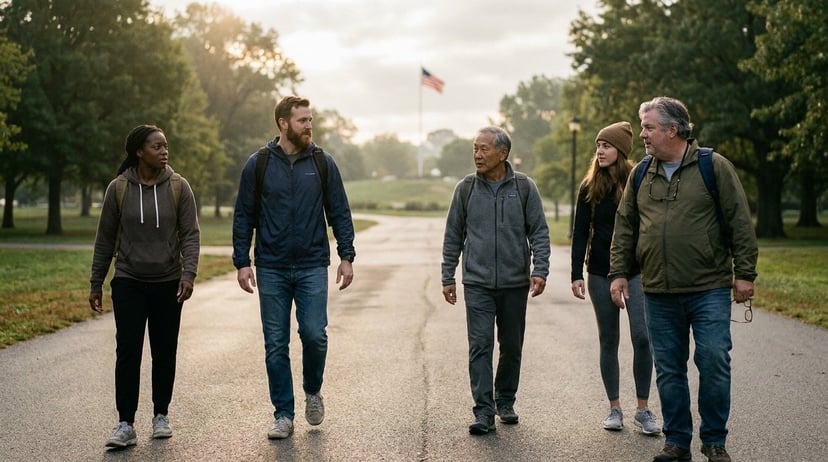
Some local ruck clubs organize Memorial Day weekend walks. Formats, pace, accessibility, and cost vary, so ask the organizer before treating a group event as beginner-friendly.
Find your nearest one through the Ruck Authority Club Directory.
GORUCK Memorial Day events
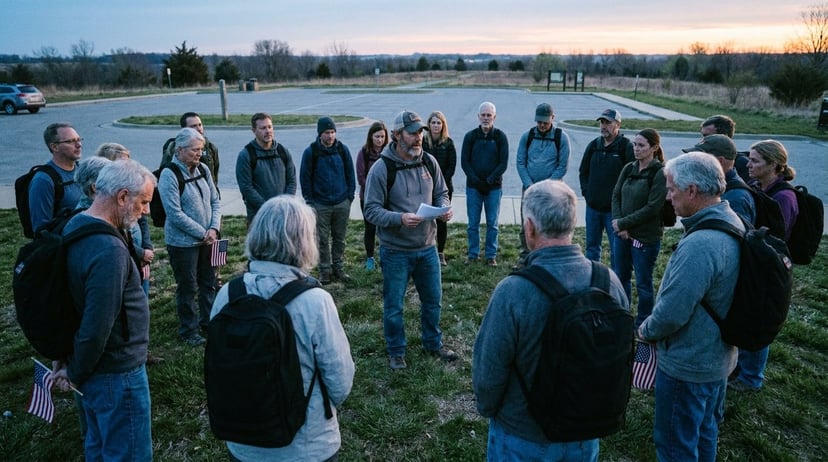
GORUCK has run Memorial Day weekend events in past years, including Light and Tough Challenges and shorter City Ruck distances, and local GORUCK clubs organize their own. Schedules and event names change, so use GORUCK's current event calendar and the specific registration page for the duration, required weight, packing list, and start details. Do not rely on an old article's Light, Basic, Tough, or Heavy description.
Murph
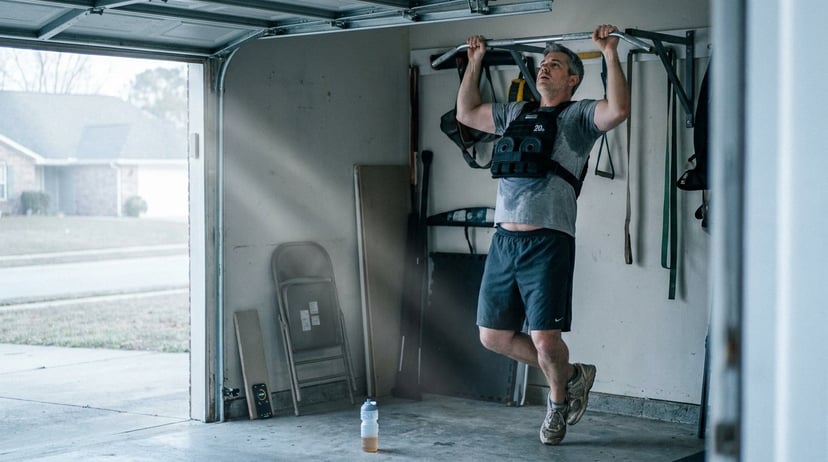
Murph is a separate CrossFit Hero workout: a 1-mile run, 100 pull-ups, 200 push-ups, 300 squats, and another 1-mile run. CrossFit's prescription adds a 14 or 20 lb vest or body armor if you have one, but scaling is appropriate and the workout is not a ruck. It honors U.S. Navy SEAL Lt. Michael Murphy, who was killed in Afghanistan on June 28, 2005, and it requires a different training base from a loaded walk.
The Tough Ruck Boston model
The Tough Ruck 26.2 Boston is an organized 26.2-mile loaded march held in Concord, Massachusetts, the weekend before Marathon Monday. Tough Ruck Nation says the event honors fallen military members and first responders and raises support for their families. It is partnered with the Boston Athletic Association, but it is not run on the Boston Marathon course.
How to plan one for this Monday
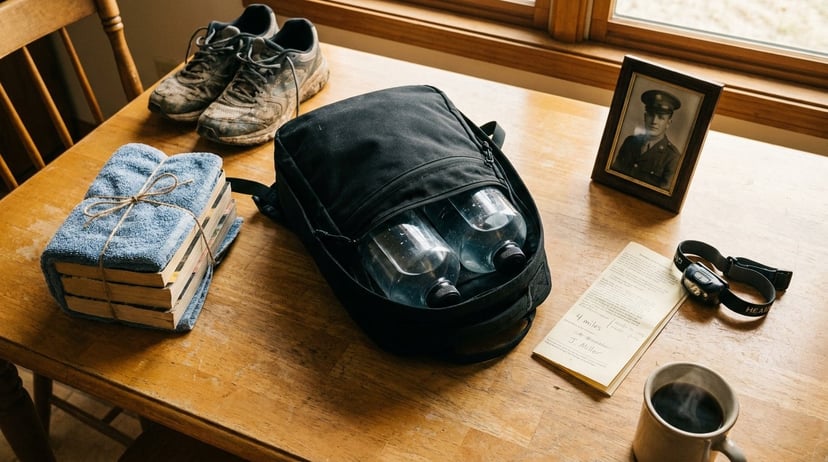
If you're reading this on Memorial Day weekend and you've never done one:
- Pick a route. New ruckers should use a short, familiar loop with an easy exit. Experienced ruckers can use a longer route they have already prepared to cover.
- Pick a load. Use your normal training load or less. A light, secured load in a regular backpack is enough for a first memorial ruck.
- Pick a person. Someone who served and isn't here. If you don't know anyone personally, read about a service member through a memorial project such as Military Times' Honor the Fallen.
- Pick a time. Sunrise is a popular choice, but whatever fits your schedule is fine.
- Walk. Bring water, your phone, and the name. Don't rush the pace. Let the time be uncomfortable in a small way.
- Mark the moment. Take a photo. Call someone. Post about who you carried. The ritual matters more than the route.
Ask before sharing another family's story or posting a photo. Saying a name can be meaningful, but privacy and the wishes of surviving family members matter more than social documentation.
A note on doing this respectfully
The thing that separates a memorial ruck from a Memorial Day workout is the who. If you're rucking on Monday and you don't know who you're carrying, take 10 minutes before you head out and pick someone. Find a name. Read about them. Carry them. The physical effort is the easy part; the intention is what makes it a memorial.
If you can't ruck this Memorial Day
Donate to one of the foundations the community supports: the Travis Manion Foundation, the Special Operations Warrior Foundation, or one of the nonprofits in GORUCK's 1% for Those Who Serve program. Volunteer at a local veterans event. Visit a cemetery and clean a headstone. There's no rule that says the day requires miles. It just requires attention.
Related reading
- Tough Ruck Boston: how to train for the 26.2-mile memorial march
- How to start a ruck club, for organizing a Memorial Day weekend community ruck
- The complete beginner's guide to rucking, the place to start if this will be your first ruck
- Military rucking program, for the standards behind military ruck marches
- GORUCK Challenge training, for anyone considering a GORUCK Tough Challenge
Frequently asked questions
No. Memorial Day is a national day of remembrance, not a standardized rucking event. An organized event may set its own rules, but a personal memorial ruck should use a route and load that fit your actual training history.
Yes, provided ordinary walking is comfortable and the route and load stay conservative. Use a short familiar loop and a light secured load. Stop if pain, dizziness, chest pressure, numbness, weakness, or unusual shortness of breath develops.
No. You can learn about a person through a reputable memorial project, attend a public ceremony, volunteer, or observe the National Moment of Remembrance. Avoid presenting a stranger's story as your own connection.
No. Murph is a CrossFit Hero workout with running, pull-ups, push-ups, and squats. A memorial ruck is a loaded walk. Both may be performed around Memorial Day, but their demands and preparation are different.
Check the Ruck Authority club directory, local club pages, and current event sites such as Tough Ruck Nation or GORUCK. Confirm the date, route, load, registration rules, and accessibility directly with the organizer.