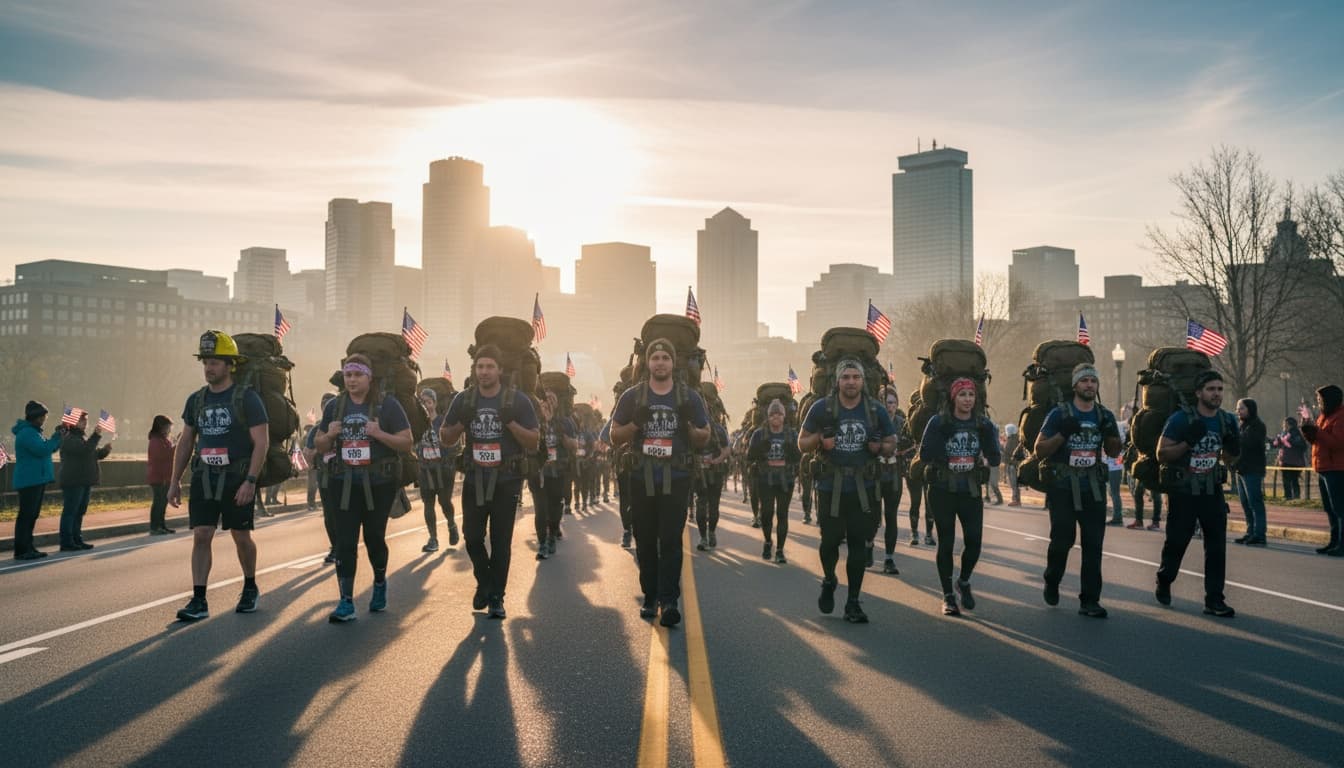
Tough Ruck Boston is an annual 26.2-mile memorial ruck in Concord, Massachusetts, held the weekend before Boston Marathon Monday. It honors fallen military members and first responders and raises money for the Military Friends Foundation. The event is partnered with the Boston Athletic Association, but it uses its own Concord-area course rather than the Boston Marathon route.
According to the official 2026 race brief, finishers received the official Boston Marathon medallion. The same brief is the source of truth for divisions, weigh-ins, uniform rules, timing, parking, and race-day logistics; those details can change each year.
What Makes Tough Ruck Boston Different
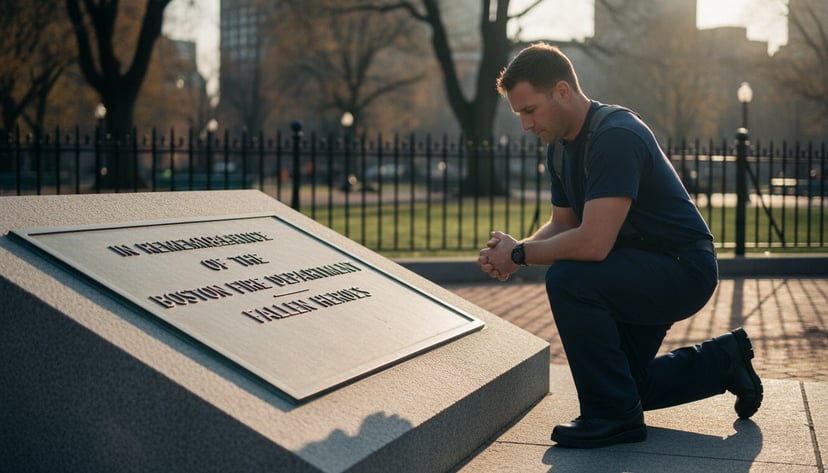
Tough Ruck's purpose is memorial first. Its members marched the Boston Marathon course for years before 2013 and were at the finish line that April, where they helped people injured in the bombing. After backpacks were banned from the Marathon course, the march moved to Concord in 2014, with most of the route on Minute Man National Historical Park trails, as a National Guard report on that first Concord march describes. ToughRuck.org carries the organization's own background.
The 2026 race brief expected about 1,000 participants, drawn from military members, first responders, and civilians. Every participant had to choose a weight division: Light (minimum 15 lb), Heavy (minimum 35 lb), or Extreme (minimum 55 lb). Only weight inside the rucksack counted. Weighted vests did not count, and the ruck was weighed before the start and again at the finish.
The 2026 event was held on Sunday, April 19, the day before the Boston Marathon. The partnership and finisher medallion connect the events; the courses and participant requirements remain separate.
For most participants that means six to nine hours on their feet under load, with a fallen service member's or first responder's name on the pack the whole way.
Training Timeline: 16-Week Preparation Plan
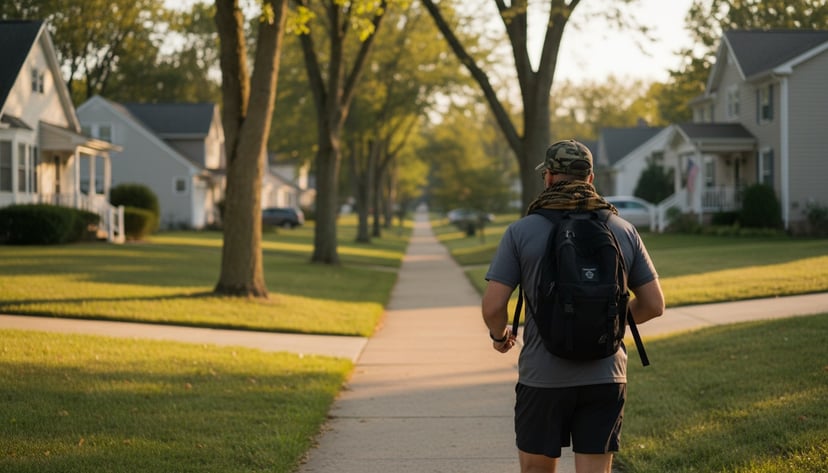
Training for a 26.2-mile ruck requires an existing walking base, progressive loaded volume, and enough recovery to keep feet and joints healthy. Choose the division before building the plan: training for 15 pounds is materially different from preparing to finish with 55.
When to Start
A 16-week cycle for an April event begins around mid-December. Before Week 1, you should be able to walk for an hour without pain. If you cannot, build that baseline first and choose a later event rather than compressing the plan.
Weeks 1-4: Base Building Phase
Use two or three rucks per week. Keep most sessions short and easy, and extend one long session from roughly four to seven miles over the month. Begin below your division minimum if needed; do not let the load change your gait or create lingering joint pain.
Weeks 5-8: Volume Increase
Extend the long ruck toward 10-12 miles while keeping the other sessions easy. Approach your chosen division minimum gradually and practice with the exact pack, socks, footwear, hydration, and secured load you expect to use.
Weeks 9-12: Peak Training
Alternate longer build weeks with reduced weeks instead of stacking a 15-, 18-, and 20-mile effort on consecutive weekends. Work toward a 14-18-mile rehearsal if your recovery supports it. Heavy and Extreme participants should get experienced coaching rather than simply adding 20 or 40 pounds to a Light-division plan.
Weeks 13-16: Taper and Peak
Complete the final long rehearsal early in this block, then reduce volume. Keep a few short sessions at the required division weight, practice race-day food and hydration, and arrive with healthy feet rather than one last fitness test.
Do not copy a mileage peak from the internet if your feet, pace, or recovery say otherwise. The best long rehearsal is the one you absorb without losing the next training week.
Weight Requirements and Gear Selection
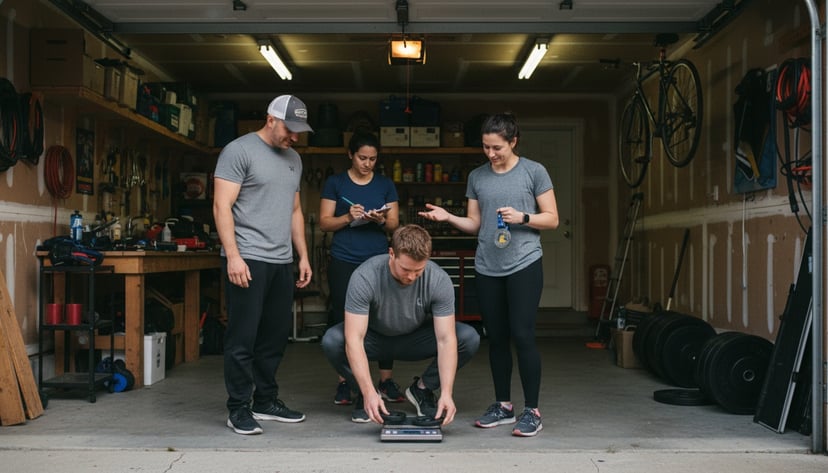
For 2026, the official minimums were 15 pounds for Light, 35 for Heavy, and 55 for Extreme. The required weight had to remain inside the ruck for the entire course; food and water consumption could not leave the pack below the division minimum at the finish. Weighted vests did not count. Verify the next race brief before training to a future standard.
Your pack must hold the required minimum plus water, food, layers, and event items without unstable stacking or pressure points. No model is built specifically for this event, and a familiar pack with a proven fit is more valuable than a last-minute upgrade.
| Role | Pick | Why it earns event-day status |
|---|---|---|
| Event pack | GORUCK GR2 34L | Structured pack with enough room for a secured plate, water, fuel, and layers. Confirm torso fit under your full division load. |
| Pack alt | Mystery Ranch 2 Day Assault | Adjustable yoke and a removable web waist belt, for ruckers who want more fit range than fixed straps allow. |
| Event weight | GORUCK Ruck Plates | Flat plate geometry that can be secured high and close in a compatible pocket. |
| Training weight | Yes4All cast-iron ruck weight | Lower-cost fixed plate option; confirm dimensions against the chosen pack. |
| Boots | Salomon Quest 4 GORE-TEX | Supportive waterproof boot option, but only if it is already broken in and proven on long rucks. |
Essential Gear Checklist
Rucksack Selection:
- GORUCK GR2 34L for a structured pack with room for a plate, water and layers
- GORUCK GR2 40L if you want the larger travel-ruck format
- Mystery Ranch 2 Day Assault Pack for military-style carrying
Weight Plates:
- GORUCK Ruck Plates for secure, flat loading in a compatible elevated pocket
- Yes4All cast-iron ruck weight as a lower-cost fixed plate when its dimensions fit the pack
Footwear:
- Salomon Quest 4 GORE-TEX as one supportive boot option
Weight Distribution Strategy
Knapik and colleagues' 2004 review of soldier load carriage found that keeping the load's center of mass close to your own gives the lowest energy cost and keeps posture closest to unloaded walking, and it recommends hip belts where possible to take pressure off the shoulders. Focus on:
- Keeping weight close to your back
- Using a hip belt when the pack and your fit allow useful load transfer
- Securing all items to prevent shifting
Race Day Logistics and Strategy
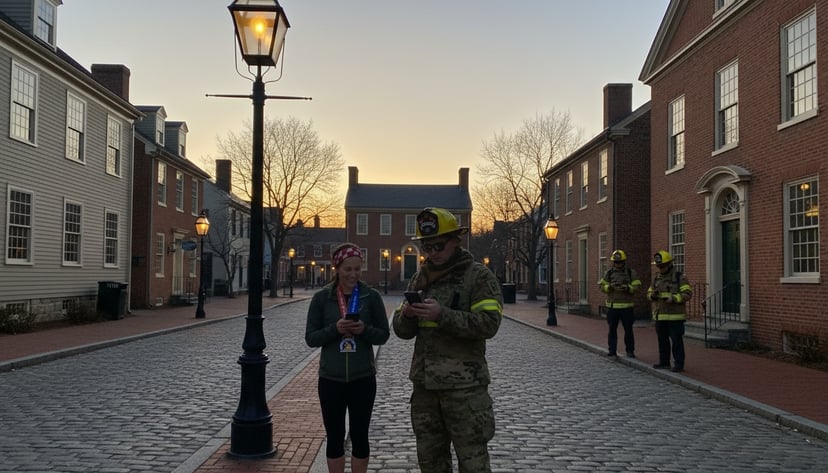
In 2026, race-day bib pickup opened at 5:00 AM and the opening ceremony began at 6:50 AM at the Fenn School in Concord. There was no participant parking at Fenn on race day and no hydration at the start. Confirm the current year's timing, shuttles, and start-area rules on the official race brief.
Nutrition and Hydration Protocol
Fueling and hydration need to be practiced, not invented on race morning. Carry enough fluid to reach the first supported station, know which foods your stomach tolerates under load, and account for the fact that consuming water or food cannot drop the ruck below your division minimum.
Pacing Strategy
Official timing ended after nine hours in 2026. That is an average of about 20 minutes 37 seconds per mile, including stops. Build a pacing plan from your long rehearsals, start conservatively, and budget time for aid stations, bathroom stops, and the finish weigh-in rather than borrowing another participant's pace.
Mental Preparation for Memorial Significance
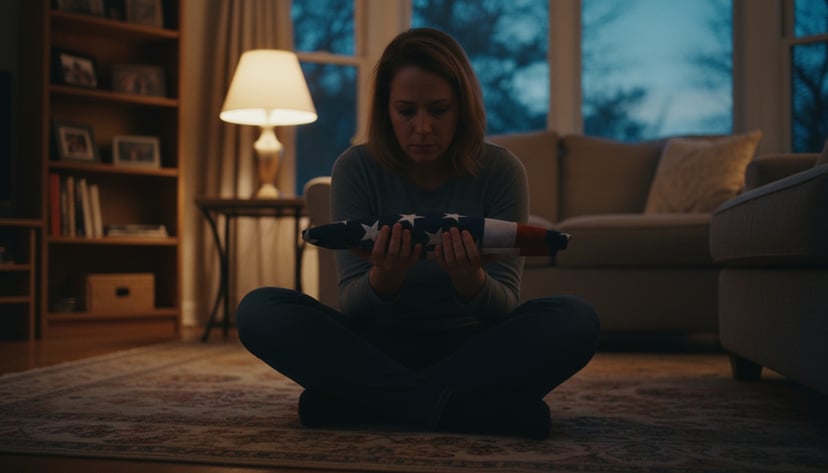
Tough Ruck asks every participant to carry ribbons on the ruck naming fallen service members and first responders. In 2026 you could make your own beforehand, make them at bib pickup or on race morning while supplies lasted, or choose pre-made ribbons. Learn the story behind the name you carry and follow that year's ribbon instructions.
Memorial purpose can be deeply motivating, but it does not override physical warning signs. Honor the person on your ribbon by preparing well and making sound decisions, not by ignoring injury symptoms.
Recovery and Injury Prevention

A 16-week training cycle demands careful attention to recovery to avoid overuse injuries common in ruck training:
Weekly Recovery Protocol
- One complete rest day per week
- Include 10-15 minutes of foot care after each ruck
- Perform hip flexor and calf stretches daily
- Consider monthly sports massage or self-massage sessions
Common Ruck Training Injuries
The same Knapik review lists the injuries most associated with prolonged load carriage in soldiers:
- Foot blisters
- Metatarsalgia (pain in the ball of the foot) and stress fractures
- Back strains
- Knee pain
- Rucksack palsy (shoulder-strap nerve compression that causes numbness or weakness in the arm)
Its prevention advice is lighter loads, better load distribution, suitable equipment and progressive training. See a clinician about numbness, weakness, or pain that changes how you walk.
Registration and Community Connection

Registration for each year's Tough Ruck Boston is available through ToughRuck.org. The organization maintains active communities on Facebook and Instagram where participants share training updates and connect with fellow ruckers.
Military Friends Foundation, a Massachusetts nonprofit that assists military families, is the official charity of Tough Ruck Nation, and the event raises money for the families of fallen military members and first responders.
For a serious rucker, the event pairs a hard endurance day with a public act of remembrance, finished on historic ground with a name carried the whole way.
Frequently Asked Questions
The 2026 divisions required at least 15 pounds for Light, 35 for Heavy, or 55 for Extreme, all inside the rucksack. Weighted vests did not count, and the ruck was weighed before and after the course. Verify the next event's brief before choosing a division.
No, Tough Ruck Boston has no qualifying standards. Registration is open to military, first responders, and civilians. However, you should be able to complete a 15-mile ruck with your target weight before attempting the full 26.2 miles.
Official timing for the 2026 event ended after nine hours. Future cutoffs can change, so check the current FAQ and race brief.
Yes. The event has civilian, uniformed military, and uniformed first-responder dress divisions. Each has the same Light, Heavy, and Extreme weight choices, subject to the current event rules.
You must provide your own rucksack, weight, clothing, footwear, and water for the start (the 2026 brief said there was no hydration at the start). The event provides race bibs, aid stations on the course, finish line support, and the official Boston Marathon medal. In 2026 it also hosted a complimentary Saturday spaghetti dinner for registered ruckers, their family members, and volunteers, first come, first served.
First build enough walking capacity to complete an hour without pain. Then use a progressive plan tied to the Light division, starting below its 15-pound minimum if you need to and building toward it gradually. If 16 weeks is not enough to reach the required load and long-distance tolerance without accumulating pain, choose a later event.