Gear Review
Ruck Plate vs Steel Plate Carrier: Which Works Better?
A ruck plate can ride in a backpack, in a back-only harness like GORUCK's Ruck Plate Carrier, or in a front-and-back vest. Compare where the load sits, storage and fit.
On this page10 sections
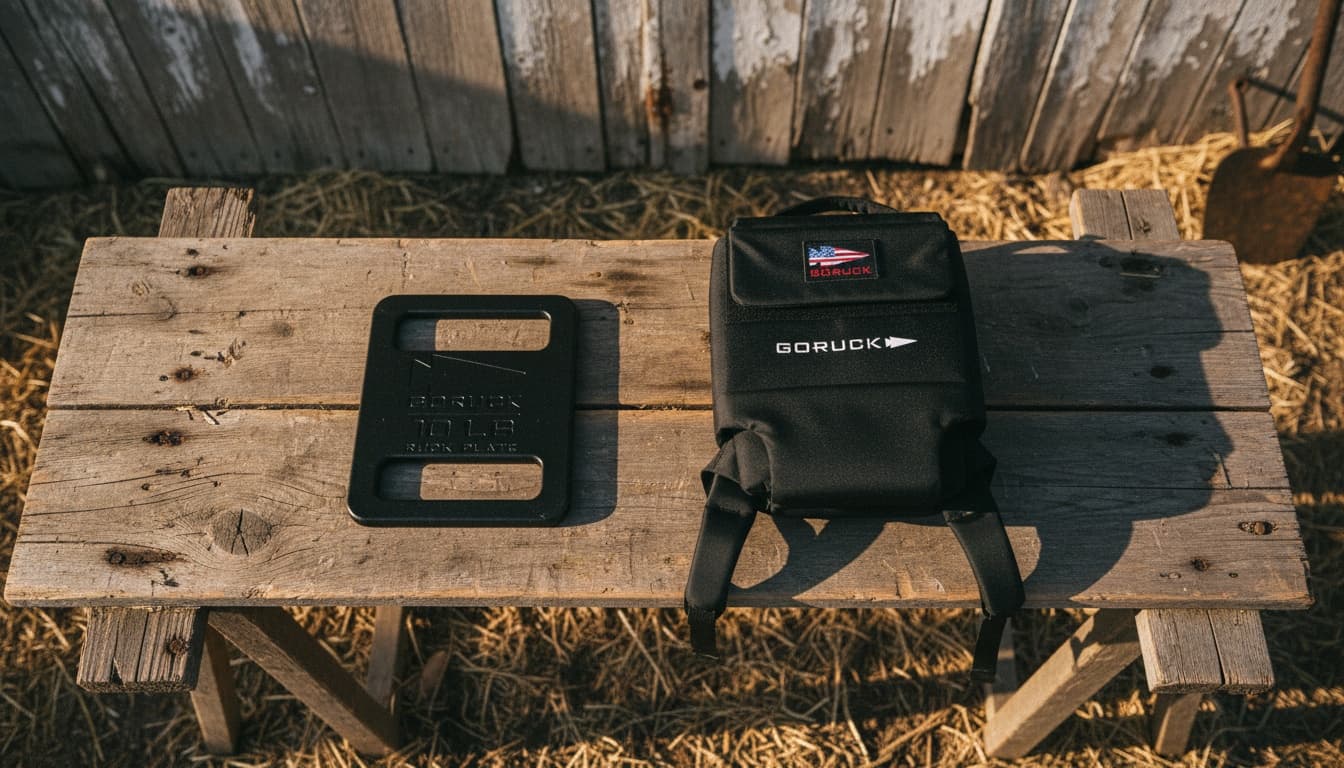
- GORUCK Ruck Plates come in Standard (9 × 11.5 in) and Long (9.5 × 15 in) formats, sized for the Rucker's plate pockets and GORUCK's carrier.
- The Ruck Plate Carrier 3.0 (Standard) is a back-only harness. Its 9.75 × 11.75 × 1.5 in pocket takes one 10, 20 or 30 lb Standard plate, and it has no other storage.
- A front-and-back weight vest is a different system. It splits the load between chest and back and usually takes its own curved or vest-sized plates.
- Either way you need a plate. A backpack you already own costs nothing extra; a carrier is an added purchase.
Compare How Each Load Sits
Ruck plates carried in a backpack and plates worn in a carrier put the load in different places. That changes comfort, heat, movement, storage, and the kinds of training each setup suits.
The term plate carrier covers two different designs. GORUCK's Ruck Plate Carrier 3.0 is a back-only harness that holds one plate high on your back and leaves the chest open. A military-style front-and-back vest splits the load between chest and back. This guide compares both with a plate carried in a backpack.
For walking, hiking, and longer rucks, a backpack is usually the more practical choice because it carries water and layers as well as the plate. A carrier suits shorter sessions where you want the load tight to your body, and a front-and-back vest suits training that needs to resemble body armor.
This is a research-based comparison built from GORUCK's published specifications for its Ruck Plates, Ruck Plate Carrier and Rucker 5.0, checked October 9, 2026. We have not tested the carrier.

The Benchmark: GORUCK Ruck Plates
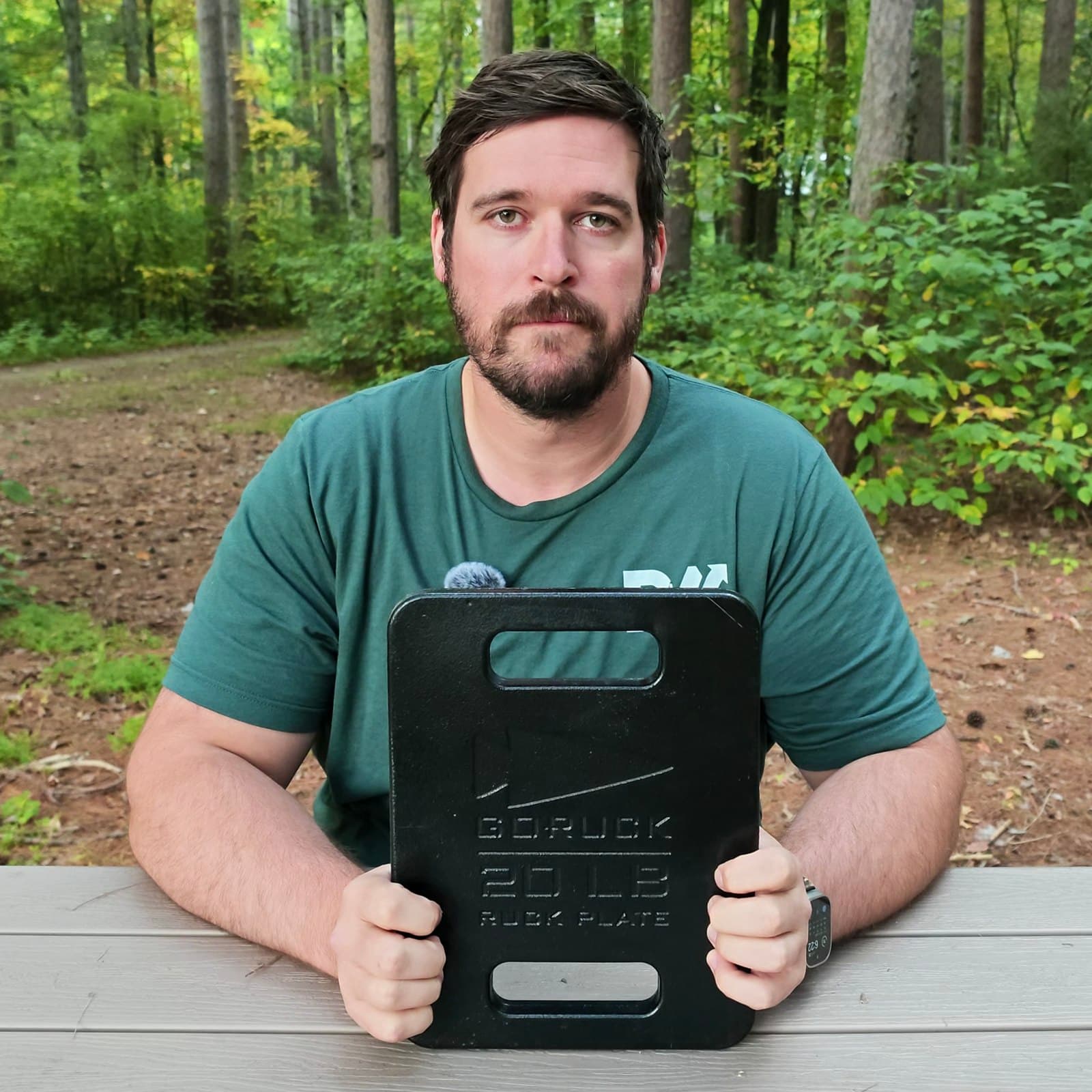
For a pack pocketResearch-based
GORUCK Ruck Plates
Powder-coated ductile-iron plates in Standard and Long formats. Standard has a 9 by 11.5 inch footprint; Long uses 9.5 by 15 inches. Match the variant to the pocket before selecting the weight.
The Three Budget Tiers
GORUCK's Ruck Plate Carrier with a matching Standard plate. The carrier holds one plate high on the back and nothing else, so water and layers go elsewhere.
A GORUCK plate for a pack you already own. Check that the pocket takes the Standard or Long format before choosing the weight.
Household weight such as sand-filled jugs or wrapped plates, packed so it cannot shift, for a trial walk before buying purpose-built gear.
Price vs Performance Matrix
| Product | Price | Rating | Type | Best For |
|---|---|---|---|---|
| GORUCK Ruck Plates | $50-150 | 8.8/10 | Weight Plates | GORUCK pack owners |
| GORUCK Ruck Plate Carrier 3.0 | $50-150 | 8.5/10 | Plate Carrier | Plate-only training |
Head-to-Head: Top Alternatives
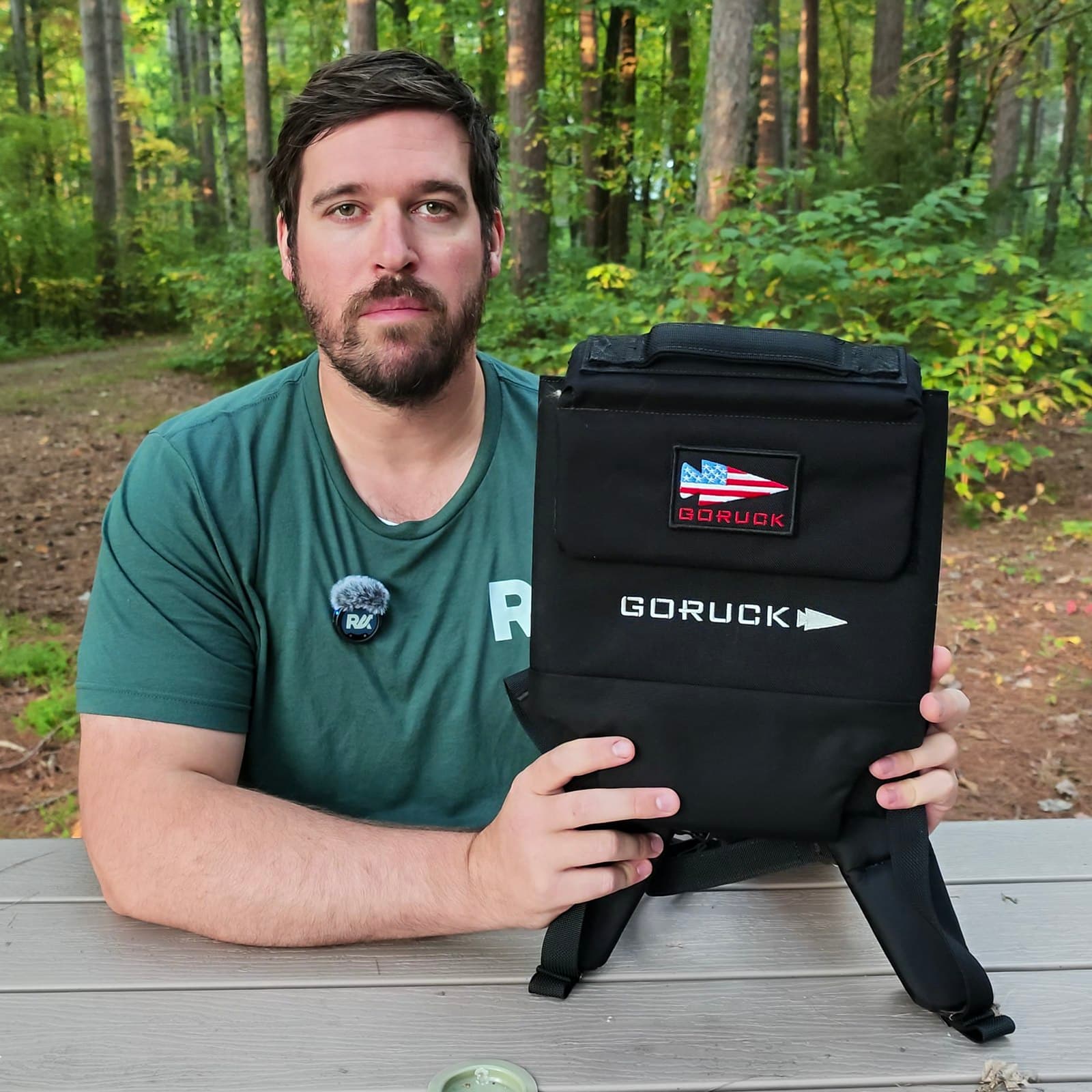
GORUCK Ruck Plate CarrierResearch-based
GORUCK Ruck Plate Carrier 3.0 (Standard)
A plate-only harness with a 1000D Cordura shell, 210D HT Cordura lining, and 20mm lumbar pad. The Standard size fits GORUCK 10, 20, and 30 lb plates. The current listing also offers Long and Heavy versions: the Long takes a 30 or 45 lb Long plate, and the Heavy has two Long pockets.
Weight Distribution Mechanics
A backpack puts the whole load behind you, so you lean slightly forward to keep it balanced over your feet. How high and how close the plate rides depends on the pocket and the shoulder straps. The Rucker 5.0 holds plates in two elevated internal pockets, and a pack with a load-bearing hip belt can move some of the weight off your shoulders.
GORUCK's Ruck Plate Carrier also loads only your back, but it holds a single plate high between the shoulder blades with nothing else in the bag. GORUCK says the open chest is there so you can breathe more freely.
A front-and-back vest splits the load between chest and back, which keeps it centered over your hips instead of behind you. The panels wrap the torso, so a tight vest can feel restrictive when you are breathing hard.
Do not assume the same weight will feel the same in all three setups. Start lighter when changing systems and judge the load by how you move and breathe, not by the number on the plate.
Comfort and Usability Factors
A purpose-made ruck plate is flat, has rounded edges and is sized for a plate pocket. GORUCK's Standard plates share a 9 × 11.5 in footprint and get thicker as they get heavier; its Long plates are 9.5 × 15 in. That shape sits flatter against the back than a round gym plate or a bag of loose weight.
Backpacks and GORUCK's carrier leave the chest open. A front-and-back vest covers the front and back of the torso, so it usually feels hotter in warm weather or during hard efforts.
Storage is where a backpack pulls ahead for longer rucks. It carries water, food and layers alongside the plate, which makes it practical for hiking and extended sessions. The Ruck Plate Carrier holds a plate and nothing else, so water and layers have to live somewhere else. Front-and-back vests vary, so check what storage a given model has.
A carrier or vest holds the load tighter to the body than most packs, so it bounces and sways less when you run, jump or change direction. That makes either one a better fit for workouts that mix walking with running or bodyweight moves.
Adjustment also differs. Many backpacks let you change torso length, shoulder fit, and load position. GORUCK's carrier comes in Standard and Long sizes, GORUCK suggests the Long if you have big traps, and it has a sternum strap but no load-bearing waist belt. Front-and-back vests often have a narrower adjustment range, so checking the maker's sizing chart matters.
Training Specificity and Goals
Match the setup to the session. For walks, hikes and anything long enough to need water, a backpack carries what you need. For a short session that mixes walking with running, lunges or other bodyweight work, a carrier keeps the plate tighter to your body.
If your job involves body armor, a front-and-back vest is the closer match to what you wear at work, including the coverage and the heat.
Over longer distances, the heat and chest coverage of a front-and-back vest add up, and a plate-only carrier leaves nowhere to put water. For long rucks, a backpack is the practical default.
Check an event's packing list before you train for it in a carrier. If the list requires water, food or other kit alongside the weight, a plate-only carrier cannot hold them, so train in the pack you will use on the day.
In any setup, add time before weight, and start lighter whenever you switch systems. Stop and lighten the load if you feel sharp pain or numbness or tingling in your hands or arms, and check with a clinician before adding weight if you have a back or joint condition.
Side-by-Side Comparison
All picks at a glance - specs, ratings, and where to buy. How we rate →
| Product | Best For | Price | Our Rating | Buy |
|---|---|---|---|---|
| GORUCK pack owners who want a plate sized for the dedicated pocket in their pack. | $50-150 | Shop at GORUCK · $50-150 | |
| Plate-only training with a matching Standard 10, 20, or 30 lb plate, when essentials are carried separately. | $50-150 | Shop at GORUCK · $50-150 |
Choose Between a Ruck Plate and Plate Carrier
Carry a plate in a backpack if you are new to rucking or want to go long: it holds water and layers and gives you the most room to adjust the fit. Add GORUCK's Ruck Plate Carrier for shorter plate-only sessions, or a front-and-back vest if you want training that resembles body armor. Whichever you choose, start lighter than your backpack load when you switch.
Frequently Asked Questions
A backpack with a plate pocket covers more for a beginner, because it also carries water and layers. GORUCK's Ruck Plate Carrier 3.0 (Standard) suits plate-only sessions: it holds one 10, 20 or 30 lb Standard plate high on the back and has no other storage. In either setup, start with 5 to 10 lb for 20 to 30 minutes on level ground.
GORUCK Ruck Plates have flat surfaces and rounded corners made for compatible plate pockets. That purpose-built fit may justify the higher price for frequent use, but a lower-cost plate can also work if its dimensions match the pocket and the weight can be secured.
Round gym plates are awkward to secure in a pack and can press into your back if they shift. A flat plate with rounded edges is easier to hold in place, but only if its dimensions match the pocket. GORUCK's Standard carrier pocket is 9.75 × 11.75 in, so a generic 10 × 12 in plate will not fit it.
Start with 5 to 10 lb for 20 to 30 minutes on level ground, whatever your fitness level. GORUCK's lightest plate is the 10 lb Standard. Add time before weight, and increase the load only once the current one feels routine.
Related Articles

Best Ruck Plates 2026: GORUCK, Rogue and Yes4All Compared
Compare GORUCK Standard and Long plates, Rogue vest pairs, Yes4All and flexible weights by dimensions, retention and the pack you own.
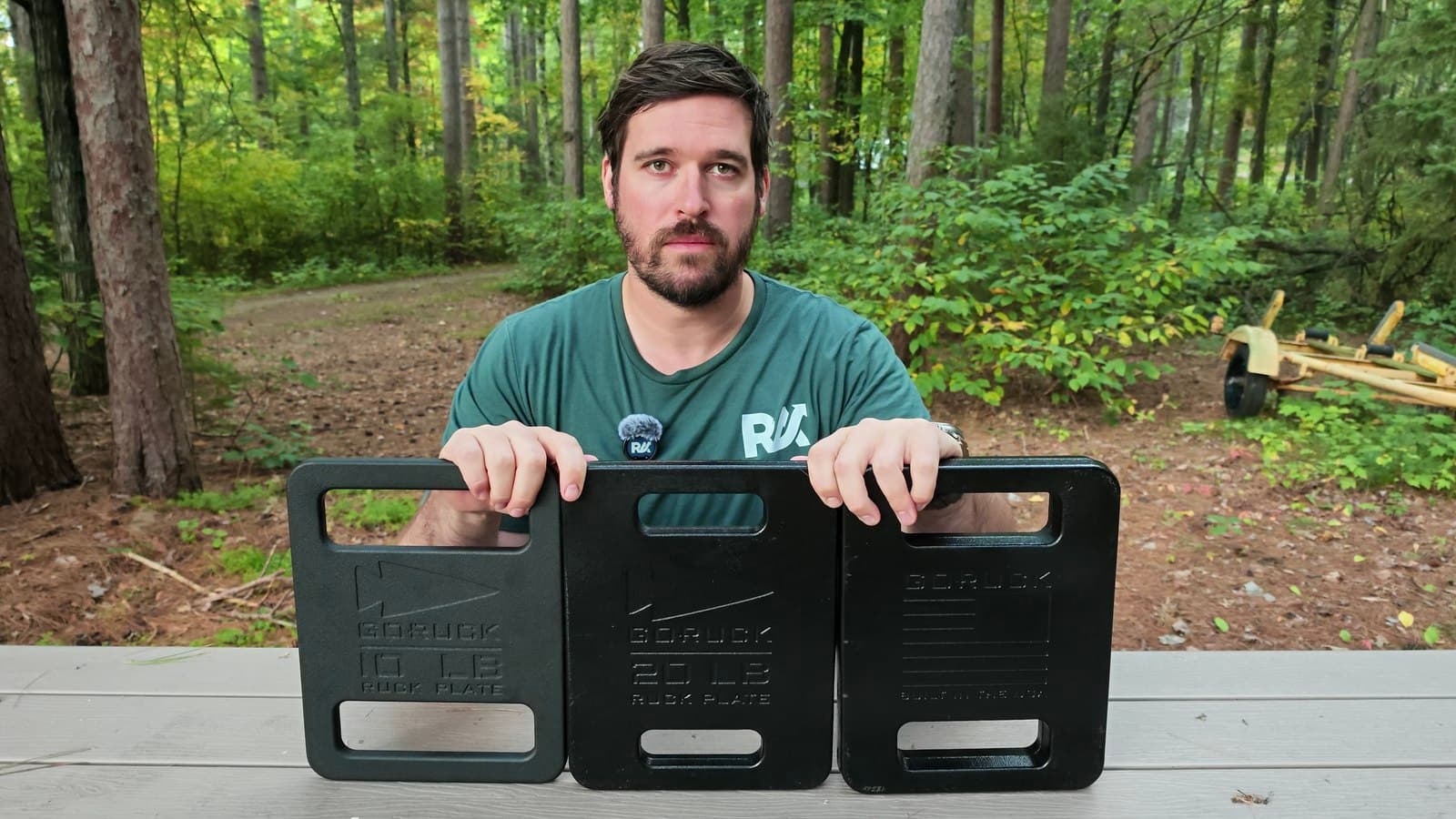
GORUCK Ruck Plates: Standard and Curved, Explained
My GORUCK Standard 10, 20 and 30 lb plates and Curved vest pairs: what the weight labels mean, which carrier they fit, and the current cost.
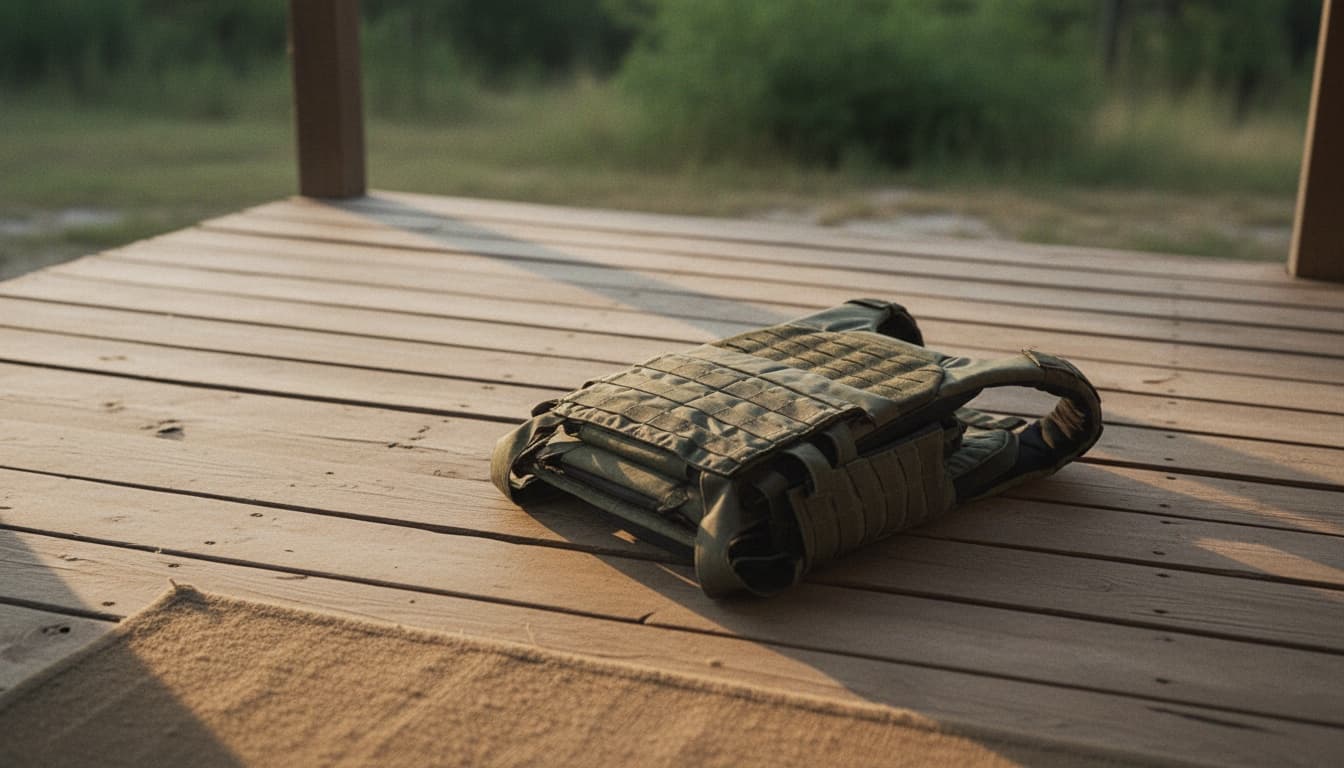
5.11 Tactical TacTec Plate Carrier Review: When Ruckers Choose Plates Over Packs
5.11 TacTec Plate Carrier review for rucking: fit, comfort, plate compatibility, durability, alternatives, and when a plate carrier beats a ruck pack.
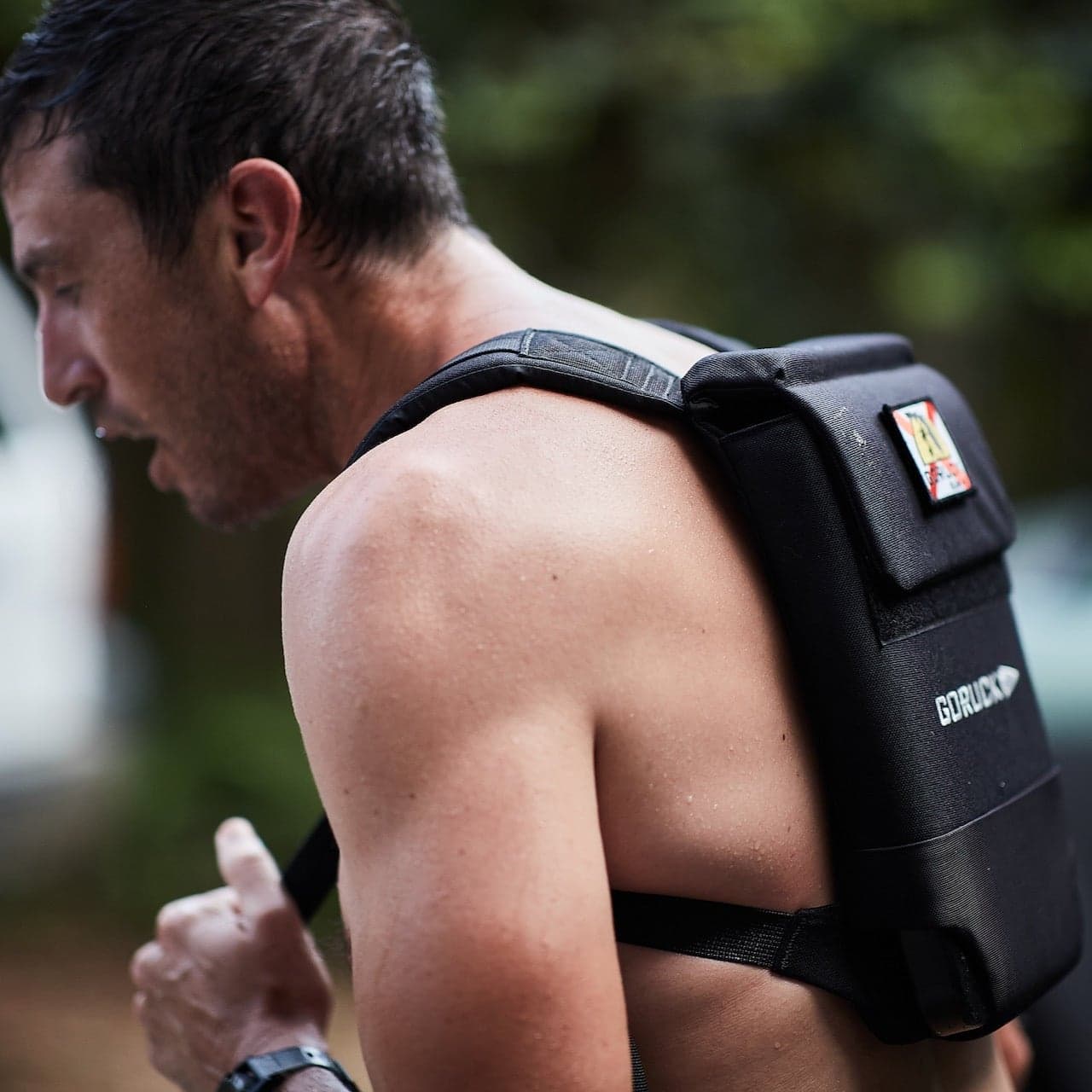
GORUCK Ruck Plate Carrier 3.0 vs Rucker 5.0
Compare the GORUCK RPC 3.0 and Rucker 5.0 for plate fit, water and gear storage, sizing, and event use. Choose around what you actually carry.