Gear Review
GORUCK Ruck Plate Carrier 3.0 vs Rucker 5.0
Compare the GORUCK RPC 3.0 and Rucker 5.0 for plate fit, water and gear storage, sizing, and event use. Choose around what you actually carry.
On this page7 sections
- What changes when you choose the Rucker?
- Choose the RPC for a plate-only setup
- Choose the Rucker for weight and equipment together
- Check the plate you own before ordering
- For an event, start with the organizer's list
- Compare the complete setup
- Frequently asked questions
- Is the RPC 3.0 a weighted vest?
- Can the RPC carry a hydration bladder?
- Is the Rucker 5.0 automatically more comfortable?
- Which should a beginner buy?
- Choose the RPC 3.0 for plate-only sessions when you already have a way to carry water and essentials.
- Choose the Rucker 5.0 when the same bag needs to carry your weight, water, layers, and other gear.
- Match the exact plate shape to the carrier size. RPC Standard, Long, and Heavy have different pocket configurations.
- This comparison uses published specifications; comfort under load still depends on your fit and setup.
The GORUCK Ruck Plate Carrier 3.0 suits a session where the weight is the only thing you need on your back. The Rucker 5.0 makes more sense when you also need a place for water, a jacket, food, or event equipment. That storage decision should come before comparing padding or choosing a heavier plate.
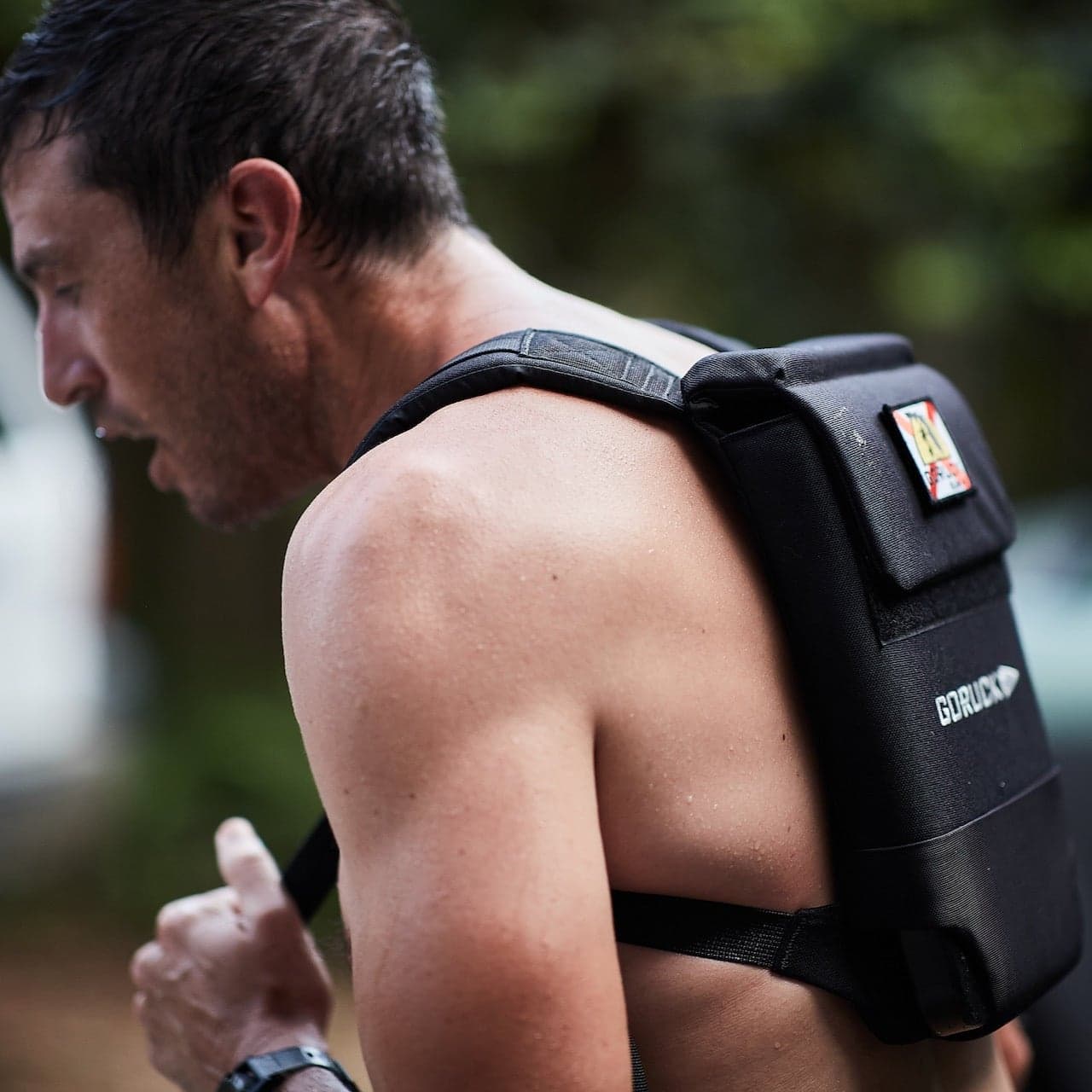
This is a specification-based buying comparison. GORUCK's published product details support the dimensions and features below; the recommendations are our interpretation of those differences. The photographs are GORUCK product imagery, not evidence of Ruck Authority field testing.
What changes when you choose the Rucker?
| Decision | RPC 3.0 | Rucker 5.0 |
|---|---|---|
| Main job | Carry a ruck plate | Carry plates and other equipment |
| Storage | Plate pocket; plan separately for essentials | 20L or 25L pack with main storage |
| Size choices | Standard, Long, Heavy | 20L and 25L |
| Internal access | Padded plate-pocket lid | Full-opening pack with magnetic internal pocket closures |
| Hip belt | No waist belt | Optional belt sold separately |
| Practical starting point | Local loops with essentials already accounted for | Outings where you need one bag for the complete load |
The RPC specifications and Rucker specifications describe their construction. A larger storage compartment is useful only if your route or activity needs it. Equally, a compact carrier saves little inconvenience if every outing leaves you looking for somewhere to put a bottle.
Choose the RPC for a plate-only setup
The RPC is an uncomplicated choice for someone who has already solved the storage question. A loop from home, a session near a water station, or training where you can leave your other belongings nearby can suit this format.
Before buying, list the things that have to leave home with you: phone, keys, water, weather protection, and anything the route requires. Decide where each one will go. If your solution involves buying another bag and several accessories, compare that complete setup with the Rucker before deciding the carrier is better value.
The card above describes the Standard RPC. The Long and Heavy versions change plate accommodation; they do not turn the carrier into a general storage pack.
Choose the Rucker for weight and equipment together
The Rucker earns its extra bulk when you need to carry more than the training weight. Its main compartment gives you somewhere to organize equipment for a route away from home, a club outing, or an event with a packing list.
Both sizes have two plate compartments. GORUCK lists the 20L at 18 inches tall and the 25L at 20 inches tall. Its pack-selection guidance points longer-torso buyers toward the 25L and discusses how an optional hip belt sits. Use that as a starting point for a fit check; liters alone cannot tell you where the bag will sit on your body.
If you already own a Rucker 4.0, read the 5.0 versus 4.0 comparison before replacing it. Choosing between a carrier and a backpack is a different decision from upgrading a pack that already does the job.
Check the plate you own before ordering
Plate weight does not identify plate shape. Two plates marked 30 lb can need different pockets.
GORUCK specifies these RPC combinations:
| RPC version | Listed GORUCK plate fit |
|---|---|
| Standard | 10, 20, or 30 lb Standard |
| Long | 30 or 45 lb Long |
| Heavy | Two Long pockets; examples include two 45 lb Long plates |
Those are equipment compatibility statements, not suggested training loads. Use the starting-weight guide to decide your load separately.
For the Rucker, check the current size-specific guidance as well as the plate's dimensions. GORUCK's support page distinguishes the rear-pocket compatibility of the 20L and 25L, including the 45 lb Long plate. Do not transfer a fit claim from an older Rucker generation or from one size to another.
For a third-party plate, compare width, height, thickness, and closure clearance against the exact pocket. Leave an uncertain fit unresolved until the manufacturer confirms it; a shared weight label is insufficient evidence.
For an event, start with the organizer's list
A route requiring water, food, layers, or other equipment may make a storage pack the practical choice. That does not establish a universal rule banning a carrier or requiring a particular brand of plate.
Read the instructions for your specific event before purchasing. Record the required weight, what counts toward it, and how the rest of your equipment must be carried. The event packing guide and printable worksheet keep those questions together.
Compare the complete setup
Check the current offers through the product cards, then compare:
- The carrier or pack in the correct size.
- A compatible plate, if you do not already own one.
- Any separate water or essentials storage you would need.
- Optional accessories, delivery, and the applicable return terms.
Choose the RPC when that complete setup stays simple. Choose the Rucker when its storage solves a recurring problem on your actual outings. Neither purchase requires starting with a heavier load.
Frequently asked questions
Is the RPC 3.0 a weighted vest?
It carries its plate on your back. If you are comparing front-and-back weight distribution, start with the broader weighted vest versus rucksack guide.
Can the RPC carry a hydration bladder?
Its published storage is for the plate. Plan another way to carry water, or choose a pack with room for your hydration setup. Check the dimensions and attachment requirements of that setup before ordering.
Is the Rucker 5.0 automatically more comfortable?
A specification sheet cannot settle that. Try the correct size with a load you already tolerate and assess strap position, movement, and pressure. Padding thickness alone does not establish a comfort winner.
Which should a beginner buy?
Start with what you need to carry and a manageable load. If you already have a suitable backpack, the regular-backpack guide explains what to check before buying a dedicated setup.
Quick Comparison
| Product | Price | Best For | Buy |
|---|---|---|---|
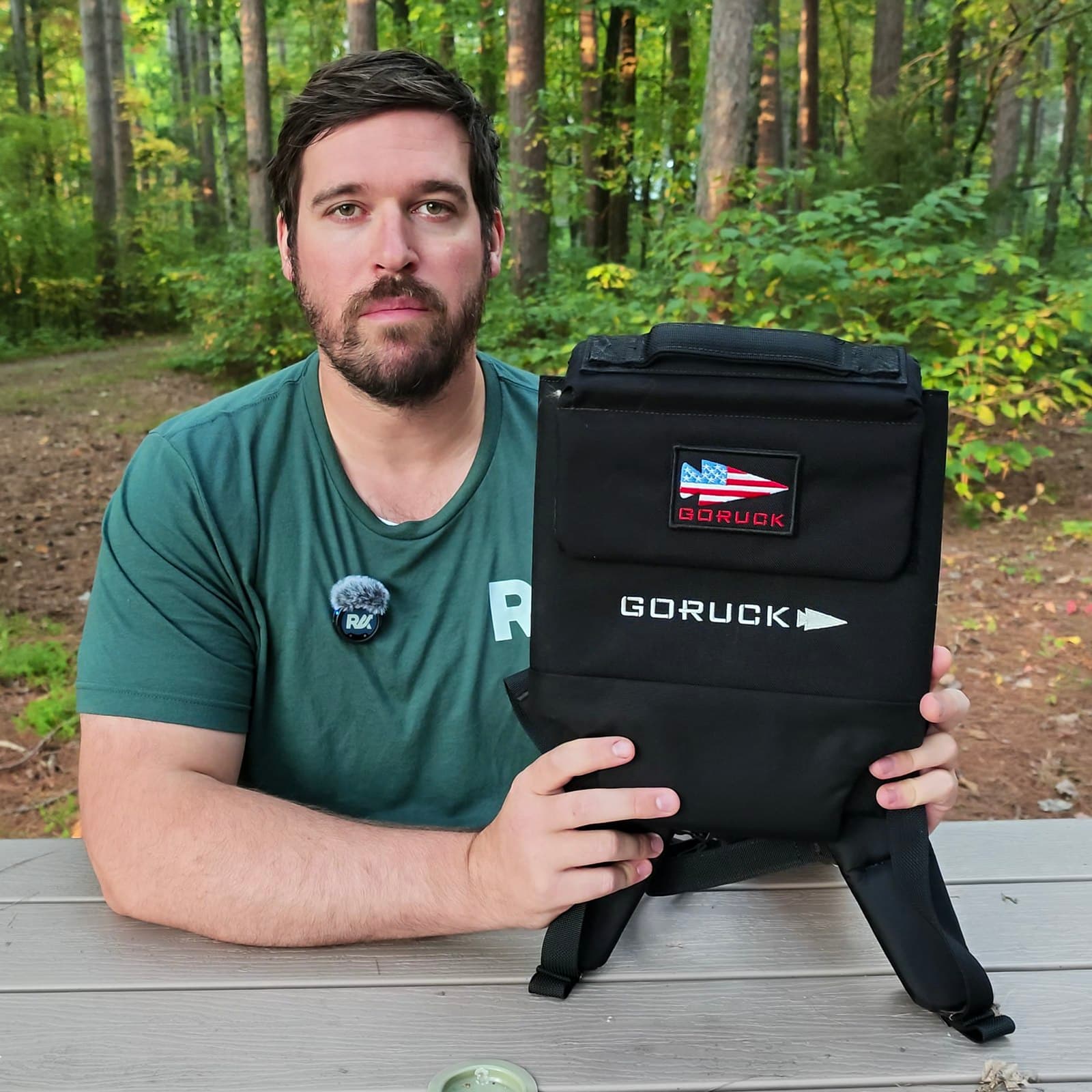 Plate-Only TrainingGORUCK Ruck Plate Carrier 3.0 (Standard) | $50-150 | Plate-only training with a matching Standard 10, 20, or 30 lb plate, when essentials are carried separately. | |
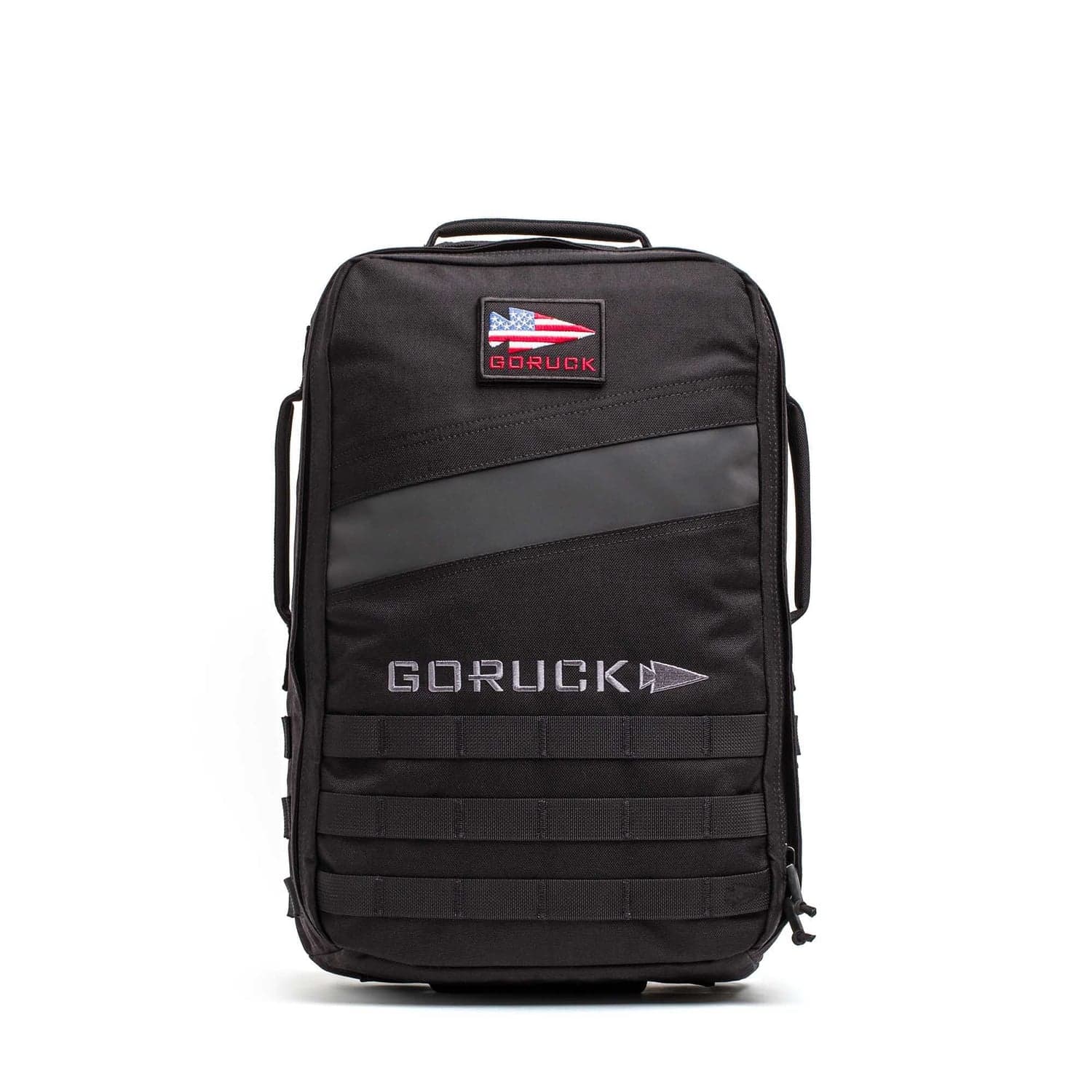 First-week reviewGORUCK Rucker 5.0 | $150-300 | Ruckers who want a dedicated training pack that holds the plate high and stays put on rough ground. |
Related Articles
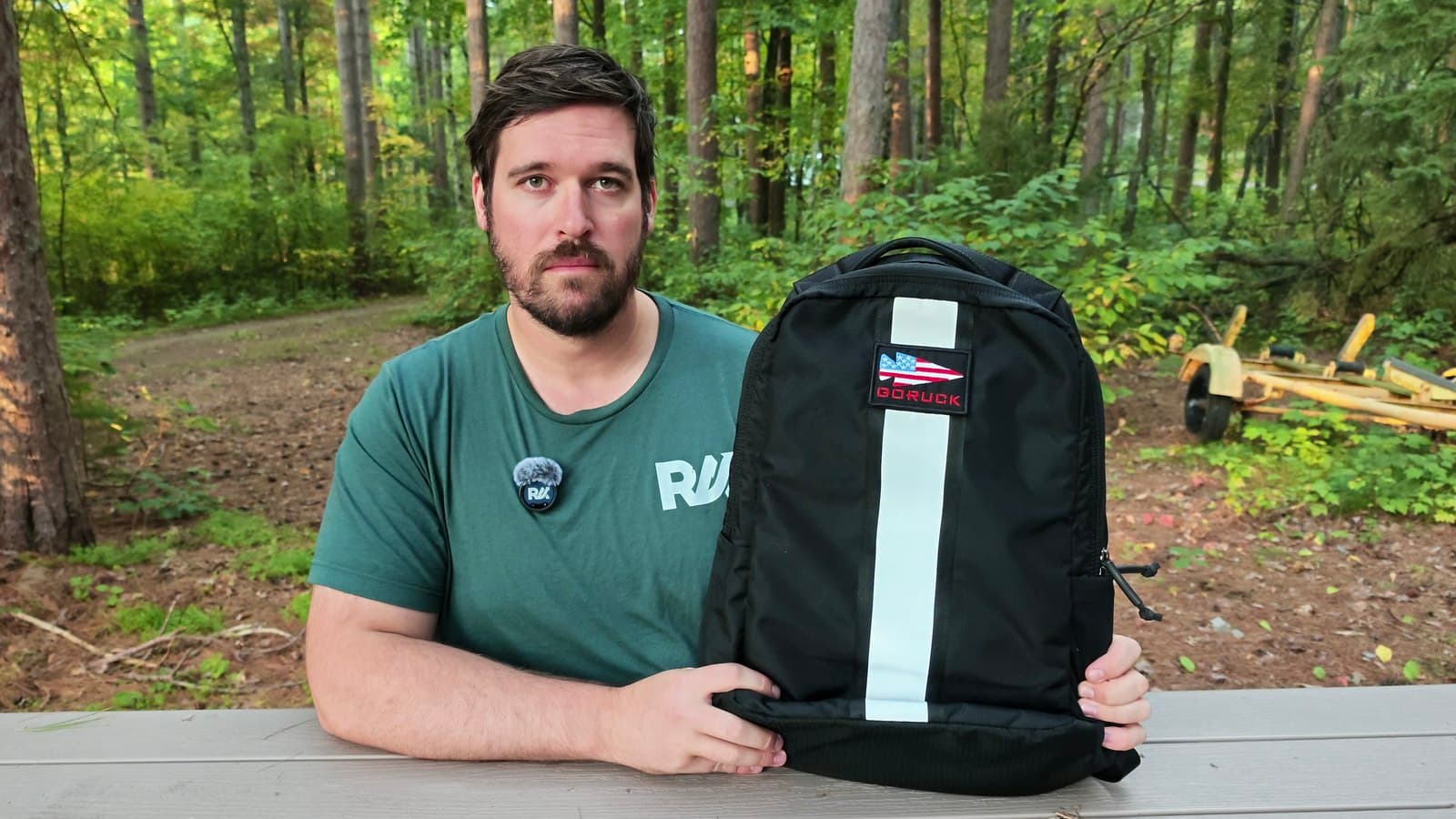
GORUCK Basic Rucker: Introduction, Plate Fit and Current Options
An introduction to the GORUCK Basic Rucker, its Standard plate pocket, 14L and 17L sizes, current price and the decision between a backpack and plate carrier.
GORUCK Rucker 5.0 vs GR1 2026: Which Pack to Buy
GORUCK Rucker 5.0 vs GR1 in 2026: compare dual elevated plate pockets, training fit, laptop carry, materials, sizes, price, and daily utility.
What 10 Years of GORUCK Actually Costs Compared to a Budget Pack
Compare the long-term cost of a current GORUCK Rucker with a budget pack, including SCARS coverage, replacement cycles, resale, and Tribe membership.

GORUCK Alternatives: Compare Features, Fit and Cost
Compare GORUCK alternatives by harness design, cargo room, plate retention and warranty terms. Research-based options alongside the GR1 benchmark.