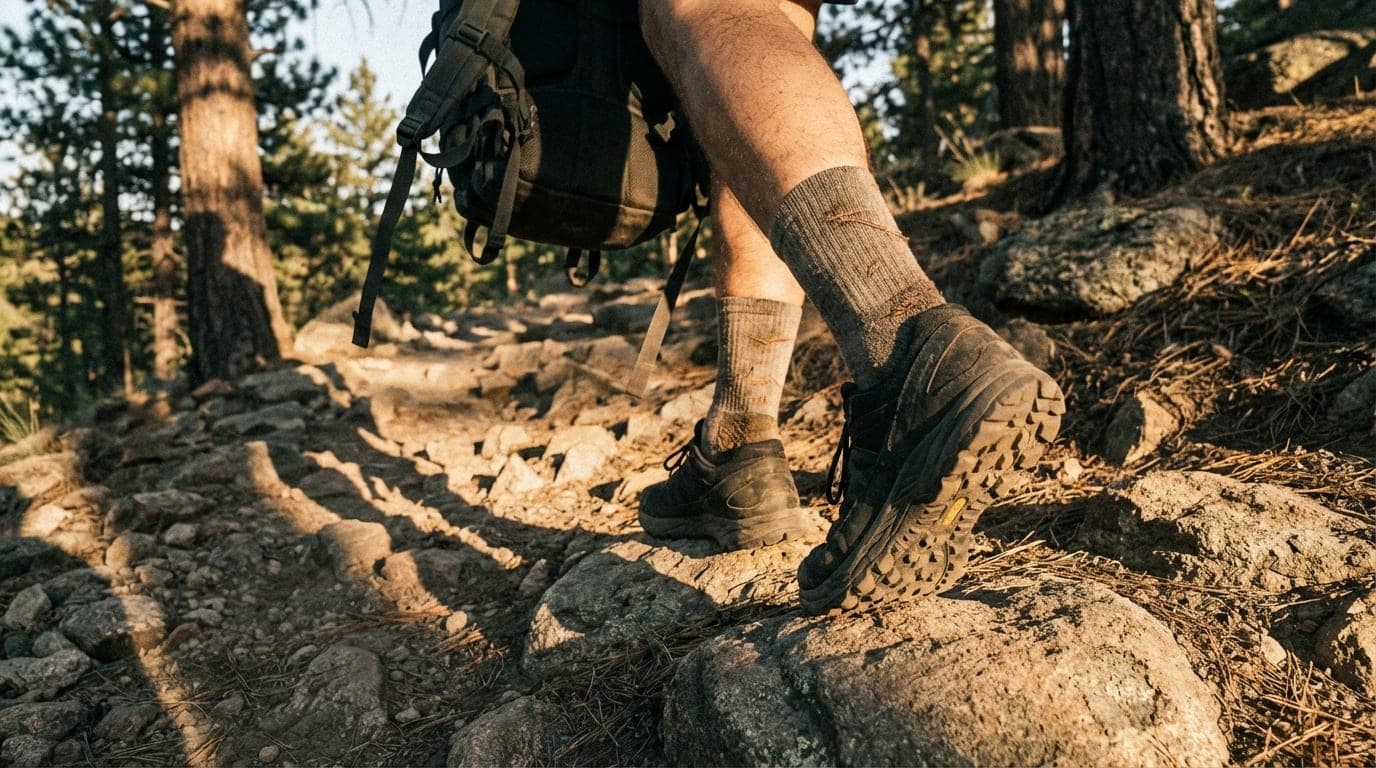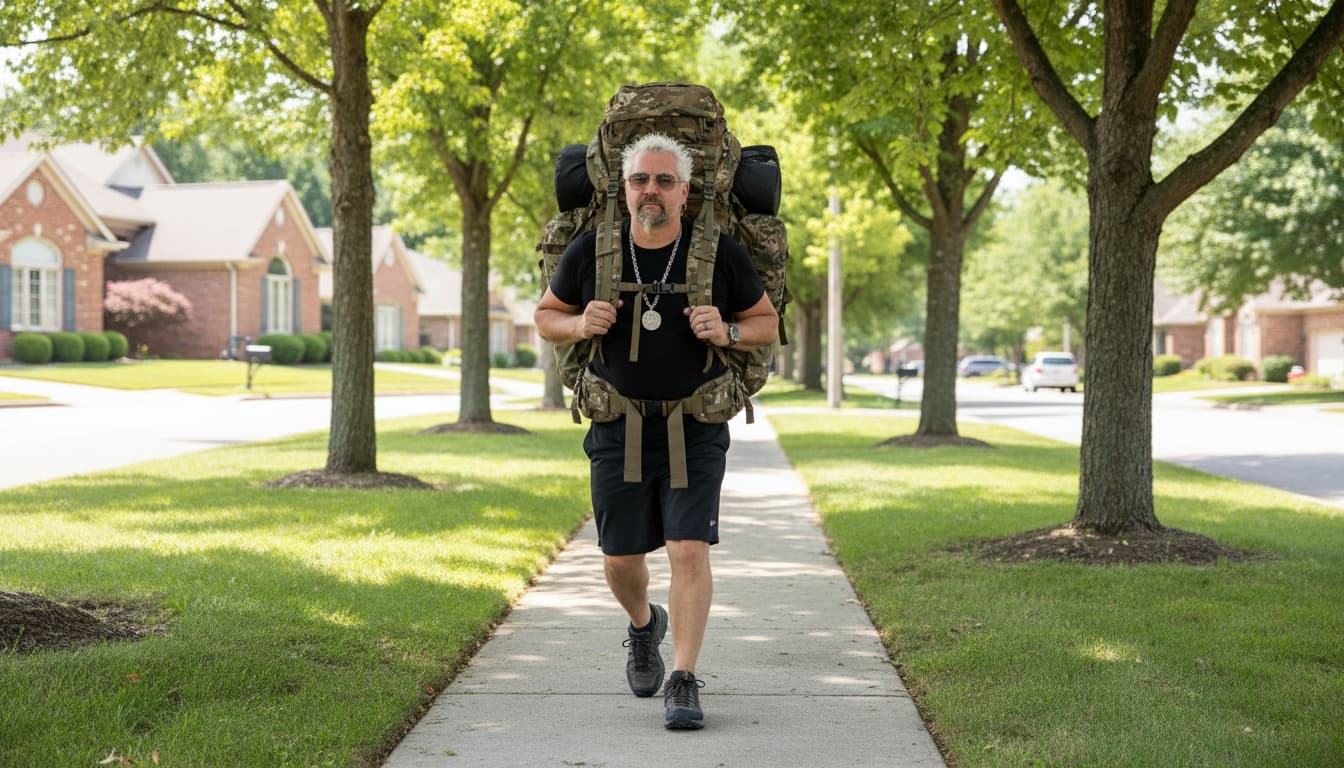
The fitness world loves its celebrity endorsements, but most A-list workout trends require personal trainers, expensive equipment, or questionable supplements. Weighted walking - carrying extra load while walking, whether with a rucksack (rucking), a weighted vest, or both - is different. It's accessible, practical, and increasingly, it's catching the attention of high-profile figures who are discovering what the military and rucking communities have known for decades.
A quick note on terminology before we go further: rucking specifically means walking with a weighted pack on your back. Weighted-vest training is a close cousin - same physiological demand, different kit - and a lot of the celebrity coverage uses both tools interchangeably. This piece covers the broader weighted-walking trend, with rucking as the most structured version and the one most ruckers will recognize as "the real thing."
Guy Fieri's 30-Pound Transformation

According to Business Insider's report, Guy Fieri has lost more than 30 pounds over the past few years, crediting a combination of intermittent fasting, high-intensity interval training, and weighted-walking workouts. The Food Network star, now 56, has described a routine that includes hiking uphill with a weighted vest - not strictly rucking in the rucksack-on-back sense, but a variant that sits on the same spectrum of load-bearing walking.
What makes Fieri's approach interesting from a rucking perspective is the emphasis on functional, sustainable fitness rather than extreme measures. Moderation was reportedly key to his success - a principle that aligns with rucking's philosophy of progressive overload and consistent, low-impact training. Whether the load sits on your back or your torso, the underlying habit - walk more, carry something while you do it - is the move that's quietly reshaping how a lot of people over 50 are training.
Fieri's approach mirrors our recommended progression for new ruckers: start with manageable weight (we suggest 15-20 pounds for beginners) and focus on consistency rather than intensity.
The Celebrity Rucking Movement Beyond Guy Fieri

Fieri isn't alone in adopting weighted walking. Most of the celebrity examples in mainstream fitness coverage use weighted vests rather than rucksacks - the vest is easier to slip on for a quick hike, and less visually associated with military training, which matters to talent who'd rather not be photographed in "tactical" gear. The underlying activity is the same: walking with added load.
The appeal for high-profile individuals makes sense from a practical standpoint. Unlike gym-dependent workouts that require specific locations and equipment, load-carrying walks happen anywhere - hiking trails in Malibu, Central Park loops, a hotel treadmill with a vest on. For celebrities with unpredictable schedules and constant travel, this flexibility is invaluable.
Mainstream celebrity rucking endorsements (as in "yes, that actor carries a weighted pack on walks") are still rare. The weighted-vest variant is far more common in lifestyle coverage. Both fall under the broader "walk with extra load" category that's been trending upward in fitness publications over the last two years.
Why Celebrities Are Choosing Rucking Over Traditional Gym Workouts

The shift toward rucking among high-profile figures reflects several practical advantages that align with celebrity lifestyles:
Time Efficiency
Exercise science consistently shows weighted walking burns substantially more calories than unloaded walking at the same pace - community-cited estimates typically land in the 30-45% range depending on load, terrain, and pace. For celebrities juggling demanding schedules, that efficiency matters: a 45-minute weighted walk can deliver cardiovascular and strength stimuli that might otherwise require separate cardio and weight training sessions.
Privacy and Accessibility
Unlike gym workouts that require public spaces or home installations, rucking offers privacy. Celebrities can train on private property, secluded trails, or even urban environments without the equipment requirements that make other fitness routines impractical while traveling.
Low Injury Risk
Community consensus and available sports medicine research both point to weighted walking - rucking and vest training alike - as significantly lower-impact than running or CrossFit-style training. For celebrities whose physical appearance and mobility directly impact their earning potential, that reduced risk profile is attractive.
Functional Fitness
The military origins of rucking emphasize real-world strength and endurance rather than gym-specific movements. This translates to better performance in daily activities and on-set physical demands.
The Science Behind Celebrity Rucking Success

What celebrities like Guy Fieri are discovering aligns with established exercise physiology. Loaded walking - whether via ruck pack or weighted vest - produces a distinctive set of adaptations well-documented in exercise science literature:
- Enhanced metabolic efficiency: Weighted walking improves both aerobic and anaerobic capacity
- Improved bone density: Axial loading under load stimulates bone formation - one of the better-supported findings and the reason weighted-vest protocols show up in osteoporosis research
- Better posture and core strength: Carrying load engages stabilizing muscles throughout the body
- Cardiovascular benefits: Heart rate response to weighted walking delivers meaningful cardio stimulus at walking-pace intensity
For anyone over 50 focused on longevity rather than just appearance, these benefits are particularly appealing. The evidence suggests regular weighted walking helps maintain functional capacity well into later decades - crucial for performers who need to remain physically capable for their careers, and honestly, for everyone else too.
What Celebrity Adoption Means for Mainstream Rucking

The visibility of celebrities like Guy Fieri incorporating weighted walking into their routines serves as powerful social proof for the practice - and pulls mainstream attention toward rucking as the more structured, community-anchored version. Celebrity endorsement, even implicit endorsement through lifestyle coverage, significantly influences mainstream adoption of exercise trends.
This mainstream attention brings both opportunities and challenges for the rucking community:
Opportunities
- Increased accessibility: More retailers are stocking rucking backpacks and weighted vest
- Better resources: Growing demand drives development of beginner-friendly programs and educational content
- Community growth: New participants bring fresh perspectives and energy to local rucking groups
Potential Challenges
- Commercialization: Risk of essential simplicity being lost to marketing complexity
- Safety concerns: New participants may skip proper progression and injury prevention protocols
- Equipment inflation: Celebrity association could drive up prices for basic gear
Getting Started: Learning from Celebrity Approaches

The celebrity approach to rucking offers several lessons for beginners:
Start Practical, Not Perfect
Guy Fieri's success came from consistency and moderation, not from having the perfect setup or following an extreme program. This aligns with our core recommendation: start with whatever pack you have and focus on building the habit before optimizing equipment.
Integrate with Existing Activities
Many celebrities incorporate weighted movement into activities they already enjoy - hiking, walking, even sightseeing while traveling. This integration approach makes rucking sustainable rather than adding another item to an already packed schedule.
Focus on Progressive Loading
The celebrity emphasis on gradual, sustainable changes mirrors proper rucking progression. Whether you're following Guy Fieri's example or developing your own routine, the key is consistent, gradual increases in weight and distance.
If celebrity success stories inspire you to start rucking, remember that sustainable results come from consistency over intensity. Begin with our beginner's 8-week program rather than jumping into advanced protocols.
The Future of Celebrity Fitness and Rucking

The adoption of rucking by mainstream figures like Guy Fieri represents a broader shift in celebrity fitness culture - away from extreme, unsustainable practices toward functional, long-term health strategies. This trend benefits everyone by normalizing realistic, accessible approaches to fitness.
As more public figures discover rucking's benefits, we can expect:
- Increased mainstream media coverage of proper techniques and safety protocols
- Better availability of quality entry-level equipment
- Growing recognition of rucking as a legitimate fitness modality alongside traditional gym workouts
The military community that pioneered rucking and the civilian enthusiasts who've sustained its growth should welcome this mainstream attention while maintaining the core principles that make rucking effective: simplicity, progression, and consistency.
Celebrity endorsement validates what the rucking community has always known - that walking with weight is one of the most practical, sustainable, and effective forms of exercise available. Whether you're inspired by Guy Fieri's transformation or simply looking for a fitness approach that fits your life, rucking offers a proven path forward.
Frequently Asked Questions
While specific details about Guy Fieri's starting weight aren't publicly available, fitness experts recommend beginners start with 10-15% of their body weight. For most people, this means starting with 15-25 pounds and progressing gradually over several weeks.
No, Guy Fieri and other celebrities emphasize practical approaches over expensive gear. You can start with any sturdy backpack and common weights like books or water bottles before investing in specialized equipment.
Community-cited estimates put the calorie-burn bump from rucking at roughly 30-45% over unloaded walking at the same pace, depending on load, terrain, and pace. A 180-pound person walking at 3 mph burns roughly 300 calories per hour unloaded; add a 20-30 pound pack and that climbs into the 400-450 range. Exact numbers vary widely by individual, so treat these as ballpark rather than gospel.
Yes, rucking is particularly well-suited for older adults because it's low-impact while still providing strength and cardiovascular benefits. However, anyone over 50 should start with lighter weights (10-15 pounds) and consult their doctor before beginning any new exercise program.
While rucking provides excellent cardiovascular fitness and functional strength, it primarily works your posterior chain and legs. For complete fitness, consider supplementing with bodyweight exercises or resistance training to ensure balanced muscle development.
Most successful ruckers, including those following celebrity-inspired programs, start with 2-3 sessions per week, allowing rest days for recovery. Consistency over frequency is key - regular moderate sessions produce better long-term results than sporadic intense workouts.