On May 21, 2026, Starbucks put a weighted vest on sale. Instead of another tumbler or tote, the brand's newest merch was a 5-pound, fashion-forward vest priced in the low twenties, with a pocket sized for its new ready-to-drink Coffee & Protein bottle. It arrived alongside a four-week Strava challenge that turned morning walks into a brand activation, and USA Today covered it the afternoon it went on sale.
Weighted walking has spent the past couple of years moving from a military-coded habit to a social-media lifestyle category, and a coffee company selling a vest is a fair measure of how far it has traveled. Weighted vests are plainly having a moment. The useful questions are what the Starbucks vest was for, who it suited, and what to buy instead if you want something that lasts past the summer marketing window.
Where it launched: The vest was offered through KBBweightedvest.com in the low twenties, while supplies lasted, and every size is now listed as sold out. Starbucks also offered a chance to earn one through its Strava challenge: walk or run 22 minutes a day for 10 days between May 21 and June 18 after opting in through the app. Full rules were published at starbucksproteinlevelup.com.
What Starbucks Just Launched
The launch has three pieces, and they're tightly coupled:
- RTD Starbucks Coffee & Protein: a new ready-to-drink line developed through the North American Coffee Partnership (the joint venture between Starbucks and PepsiCo). 22 grams of complete protein, 5 grams of prebiotic fiber, 5 vitamins and minerals, 2 grams of sugar. Two flavors: Classic Caffe and Caffe Mocha. Available in grocery and convenience stores nationwide and online.
- The Starbucks Weighted Vest: a limited-edition 5-pound vest designed in partnership with Kahlana Barfield Brown, founder of KBB by Kahlana, in beige with green trim, with customizable weights and a dedicated mesh pocket sized to hold the RTD bottle. Its low-twenties launch price nodded to the 22 grams of protein per bottle. It went on sale at KBBweightedvest.com on May 21 at 12pm PT / 3pm ET, while supplies lasted.
- The Coffee & Protein Level Up Strava Challenge: May 21 through June 18. Walk or run 22 minutes a day for 10 or more days. Participants who opt in via the Strava app and complete the challenge are entered to win a limited-edition Starbucks Weighted Vest. No purchase necessary. 18+, U.S. only. Official rules at starbucksproteinlevelup.com.
The framing from Starbucks itself was clear about who this is for. Brian Smith, senior director of brand marketing at the North American Coffee Partnership, said in the launch: "People are looking to simplify their morning routines, not complicate them. This partnership is about making the most of familiar morning habits." Kahlana Barfield Brown was even more direct: "Weighted vests are having a major moment, but most weren't designed to be both functional and fashionable."
That last line gives the game away: this was a fashion vest first and a training tool second.
Why Starbucks Cares About Weighted Vests Now

Three signals explain why a coffee brand decided to sell a piece of fitness equipment.
The first is attention. The press release's only evidence for the vest's appeal is a footnote to a September 2025 Time explainer on whether weighted vests work, cited for "strong interest in weighted vests on social media." Sales point the same way: weighted vest sales grew more than 50 percent to 27 million dollars in the twelve months ending May 2025, according to Circana data reported by Axios.
The second is audience. Axios's 2025 report on the trend focused on women, quoting a physical therapist who said spotting a woman in a weighted vest had become a way to tell she was in perimenopause. Picking Kahlana Barfield Brown, a fashion and lifestyle figure rather than a fitness one, as design partner aims at a similar buyer, and USA Today filed the launch under health and wellness.
The third is protein. Starbucks cites survey data placing protein and fiber among many Americans' top nutrition priorities, and its new bottle joins a protein-coffee shelf that brands such as Super Coffee got to first. Pairing the launch with a weighted vest builds a bridge to fitness without forcing Starbucks to call itself a fitness brand. The vest's real job was selling the bottle.
The Starbucks press release cites a Time magazine piece as its evidence that weighted vests are trending. The research is more mixed than the lifestyle coverage suggests. A five-year study by Snow and colleagues (2000) found that weighted-vest training combined with jumping helped postmenopausal women maintain hip bone density, while Wake Forest's INVEST trial (Beavers et al., 2025) found that wearing a vest during weight loss did not prevent hip bone loss in older adults with obesity. The trend is real; the evidence for what a vest does is narrower than the marketing.
How the Strava Challenge Worked
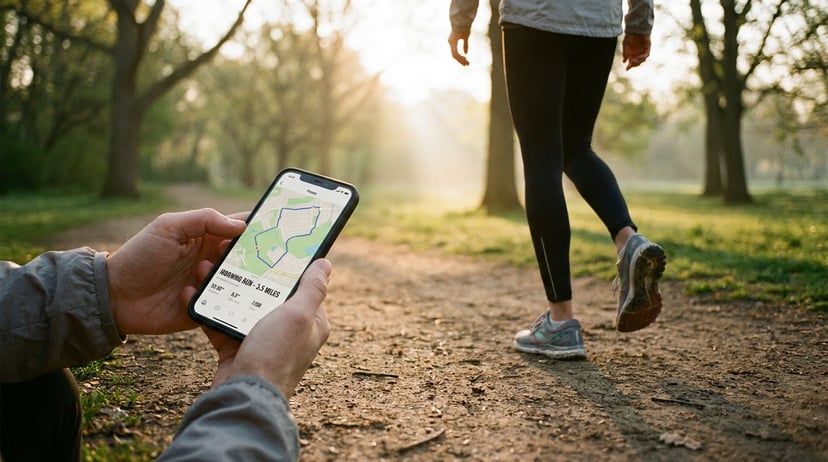
The free challenge was the part most readers could act on, since the prize was the vest itself. It ran from May 21 through June 18, 2026, and has now ended. The mechanics:
- Participants opened the Strava app; Starbucks invited both new and existing Strava users.
- They found the Starbucks Coffee & Protein Level Up Challenge in the app's challenges.
- Joining the challenge opted them in.
- The target was a walk or run of at least 22 minutes a day on 10 or more days within the window.
- Completing it entered them for a chance to win the limited-edition Starbucks Weighted Vest. Official rules were at starbucksproteinlevelup.com; it was open to U.S. residents 18 and older, with no purchase necessary.
Challenges like this count time rather than distance, so three 30-minute rucks a week, logged as walks, would have cleared the 10-day target with room to spare.
If a promotion like this is your reason to start weighted walking, build into it. A couple of weeks of unweighted brisk walking makes a sensible base. Then add 5 to 10 pounds (the Starbucks vest's 5 pounds sits at the bottom of that range) for 20 to 30 minutes on level ground, and hold that load for the first month. The beginner's guide to rucking has the longer version of this progression.
What the Limited-Edition Vest Gets You (And Where It Falls Short)
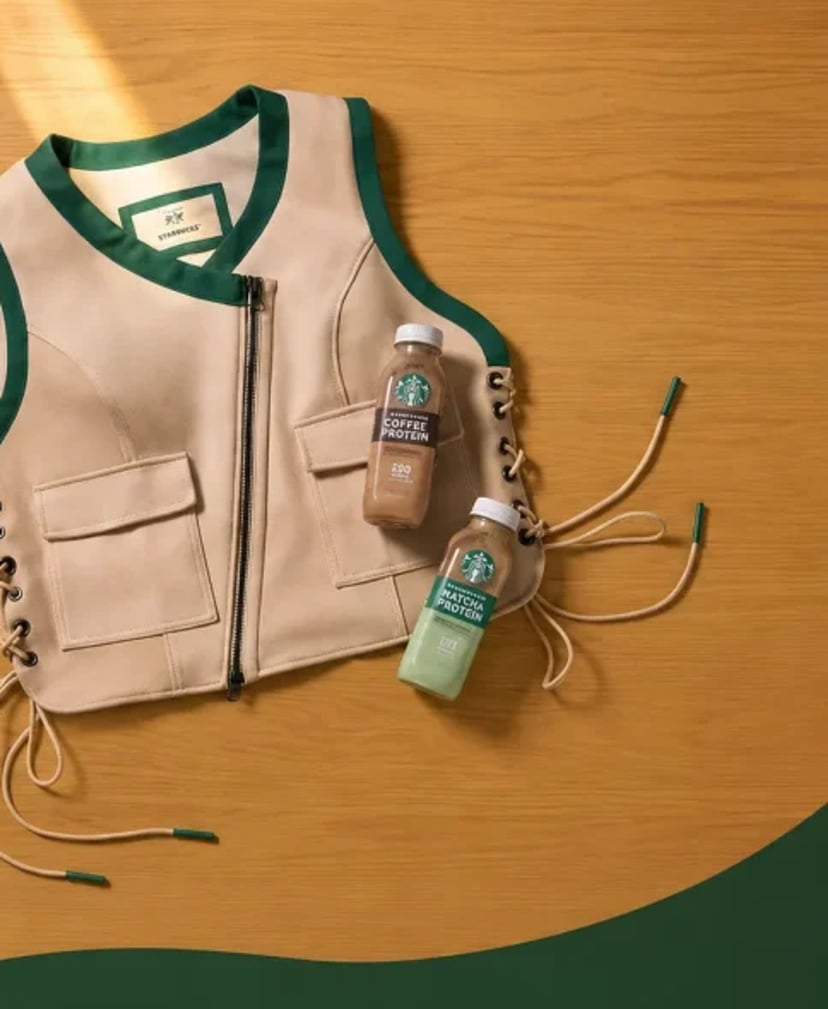
Going by the press materials, this was a real weighted vest despite its low-twenties price: 5 pounds of customizable weight, a tailored silhouette from a fashion designer working in a category that mostly looks like surplus tactical gear, and a bottle pocket that's a clever bit of product design. If you've been put off weighted vests because so many look like a SWAT trainer's hand-me-down, the appeal is obvious. We haven't tested it, so fit and durability are unknowns.
Five pounds is a sensible first load. We suggest beginners start with 5 to 10 pounds and hold it steady for the first month, and the Starbucks vest sits at the bottom of that range. The next stage is where it runs short: it carries 5 pounds, so anyone who keeps training will want more load within a few months.
It belongs to the same school as the Hyperwear Hyper Vest PRO: low-profile, fashion-aware and capped in weight. That category suits morning walks and long wear, and it runs out of room once you're past beginner loads. It also won't get you into many organized rucks. Tough Ruck Boston, for one, doesn't count weighted vests toward its weight minimums at all.
The Starbucks vest will get you started. It won't be the only vest you need, so plan for the next step.
What to Buy If You're Serious
Three vests we'd recommend across price tiers, ordered by where most readers should actually start.
Budget pick: inexpensive, adjustable training weight
The Cap Barbell Adjustable Weighted Vest is our default suggestion for a first vest. It's sold in fixed-capacity models from 20 to 150 pounds, with removable weight packets so you can start light, and the weight sits low around the torso instead of riding high like a plate carrier. The build is budget-tier and the look is utilitarian, so it won't win on aesthetics, but few vests give you this much load range for the money. If you're new and only want to buy once, choose a model with room to grow.
Best for daily walks: the mobility-first pick
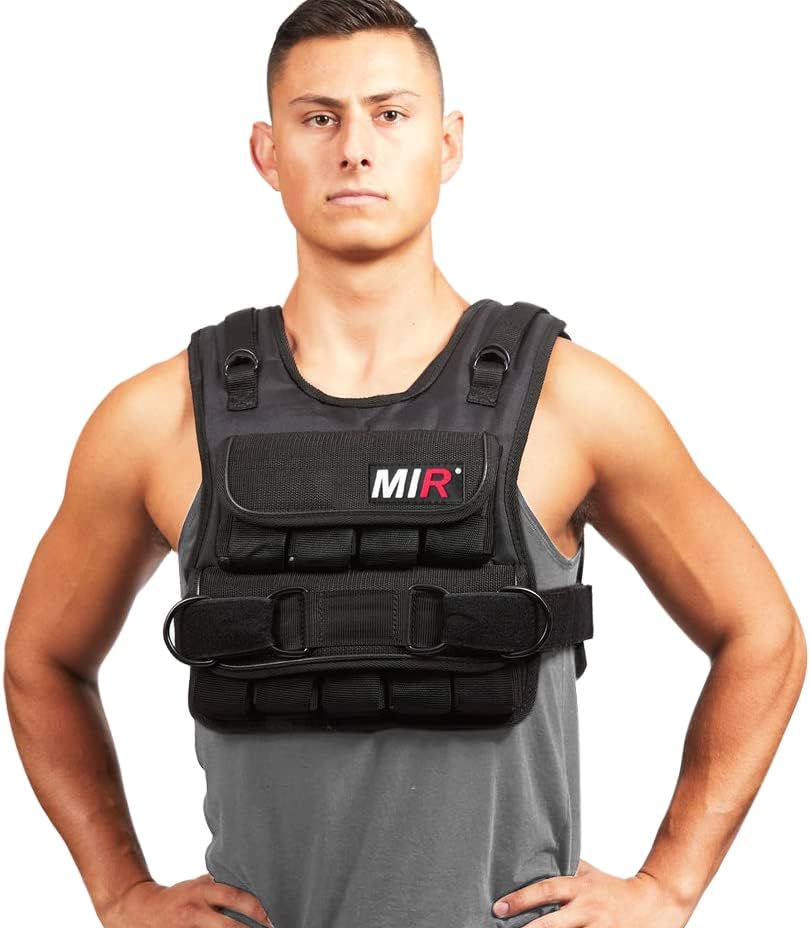
The Mir Short Weighted Vest is the closest spiritual cousin to what Starbucks shipped: a low-profile, short-cut, compact design that prioritizes range of motion. The trade-off is a narrower weight range than the Cap Barbell, but for the morning-walk-and-coffee use case the Starbucks campaign targeted, it's a more capable piece of equipment. The short cut is meant to stay clear of your arms and hips, which suits long walks.
Premium pick: the fashion-aware long-term choice
The Hyperwear Hyper Vest PRO is the closest thing to the Starbucks vest's design language from a dedicated fitness brand. It uses stretch compression fabric, a thin profile and small steel weights that let you add load in fine steps. The catch is the Starbucks vest's, on a larger scale: capacity tops out by size at 20 pounds (S), 25 (M), 30 (L) and 40 (XL), so strong intermediate ruckers will hit the ceiling. For readers who wanted the Starbucks vest for the look as much as the function and now want something built for regular training, it's the natural upgrade.
Vest vs Ruck: A Quick Note for the Strava Crowd
Weighted vests and rucksacks overlap, but they do different jobs.
A vest distributes load across the torso. A ruck concentrates it high on the back. The vest is easier to put on and easier to forget you're wearing; the ruck loads the posterior chain more aggressively and trains the postural patterns that carry over to actual load-bearing work (kids, backpacks, sandbags, careers in jobs that require carrying things). For a 22-minute Strava walk, a vest is fine. For building genuine load-carrying capacity, a ruck is the more transferable tool.
If you're sticking with a vest and skipping the pack, our sister site Kit Authority's weighted vest walking for beginners guide is built for exactly that reader.
If you've gotten through the Strava challenge and the vest has hooked you, the natural next step is a real rucksack with adjustable plate weights. The current GORUCK Rucker 5.0 is a popular choice for that step, with two internal plate pockets, GORUCK's lifetime SCARS guarantee, and room to add heavier plates as your training progresses.
What This Means for Rucking
The vest matters less than the decision behind it: one of the world's biggest coffee companies judged weighted walking a credible enough cultural moment to attach to a beverage launch. That tends to happen only after a trend has crossed from subculture into something a brand-marketing team can defend in a quarterly review.
Expect more mainstream weighted-vest releases and more gym classes built around them (Equinox launched a weighted-vest treadmill class, Fully Vested, in 2025), along with coverage in publications that used to ignore the category. For the rucking community, the part that matters is the stream of new people arriving at forums, subreddits and gear sites with the same beginner questions we've been answering for years.
The Starbucks vest works best as an on-ramp. The rucking community can treat it as a gateway worth welcoming or a marketing stunt worth dismissing, and we'd welcome it. Some of the people who bought a 5-pound vest because of a coffee promotion will, months from now, be asking what plate to buy, how heavy to load and whether walking 30 minutes at lunch counts. Some of them will become ruckers, and it's worth being ready when they show up.
Frequently asked questions
Where can I buy the Starbucks weighted vest?
The limited-edition Starbucks Weighted Vest was sold at KBBweightedvest.com, not in Starbucks stores. It went on sale May 21, 2026 at 12pm PT / 3pm ET, was offered while supplies lasted, and is now listed as sold out in every size. Its low-twenties launch price nodded to the 22 grams of complete protein in each bottle of RTD Starbucks Coffee & Protein.
Is the Starbucks vest a real weighted vest or just merch?
By the press release's description, yes: 5 pounds of customizable weight, a bespoke silhouette designed by Kahlana Barfield Brown and a pocket for the bottle. The limitation is the 5-pound cap. That's a fine starting load, but most people who keep training will want more within a few months.
How did the Starbucks Strava challenge work?
Participants joined the Starbucks Coffee & Protein Level Up Challenge in the Strava app, then walked or ran for 22 minutes a day on 10 or more days between May 21 and June 18, 2026. Completing the challenge entered them for a chance to win the limited-edition Starbucks Weighted Vest. No purchase was necessary, it was open to U.S. residents 18 and older, and the official rules were at starbucksproteinlevelup.com. The challenge has ended.
Is 5 pounds enough weight to see results?
For a complete beginner it's a reasonable start, and it sits at the bottom of the 5 to 10 pound range we suggest for a first month. Don't expect a big jump in energy cost, though: the Pandolf load-carriage equation puts a 150-pound person walking at 3 mph on the flat at about 245 calories an hour unloaded and about 250 with 5 pounds. Hills and pace change that far more than a light vest does. The Starbucks vest will get you started; it won't take you the whole way.
Should I buy the Starbucks vest or a real ruck?
It depends on what you plan to do. If you want a low-friction way to add load to existing morning walks and the aesthetic matters to you, the Starbucks vest was a reasonable low-cost on-ramp while it was available. If you want a tool you'll still be using in two years, buy a proper rucksack and adjustable plates. The cost is higher upfront, but the progression range is open-ended.
Does the Starbucks vest fit men?
KBB sold it in three sizes, XS/S, M/L and XL/XXL, without detailed measurements on the product page, and every size is now listed as sold out. If it comes back, check the sizing on KBBweightedvest.com before ordering, especially if you have a broad chest or shoulders.
Can I use the Starbucks vest for rucking events?
Not always. Check the rules for the specific event: many organized rucking events call for a rucksack and a defined load rather than a weighted vest. For that format, use a purpose-built pack such as the GORUCK Rucker 5.0 or another pack that securely carries the required weight.