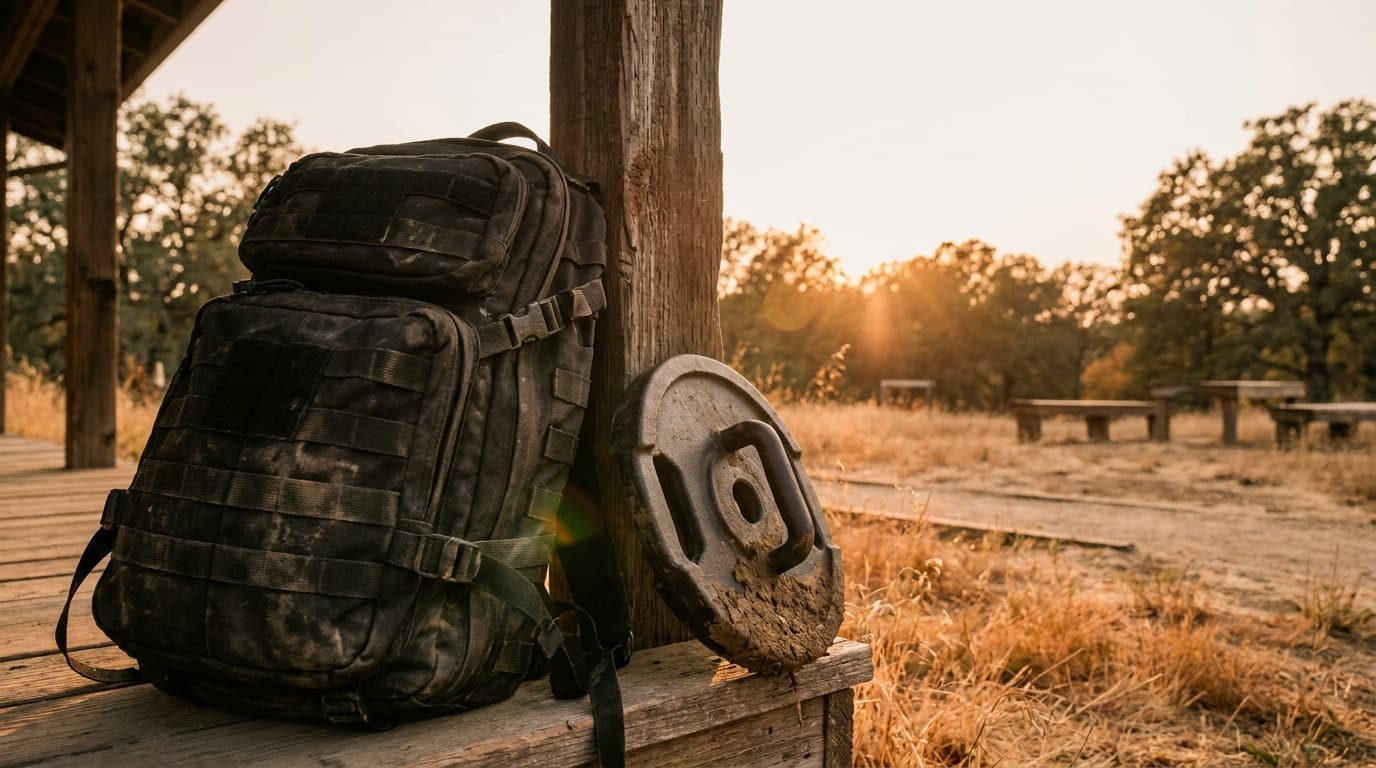
A rucksack collects mud, sweat and grit from loaded carry, and the wrong cleaning method can damage coatings, foam and seams. Whether you carry a GORUCK GR1 through a city or take a Mystery Ranch 2 Day Assault into the backcountry, start with the manufacturer's care instructions. Machine washing is the thing they most consistently warn against.
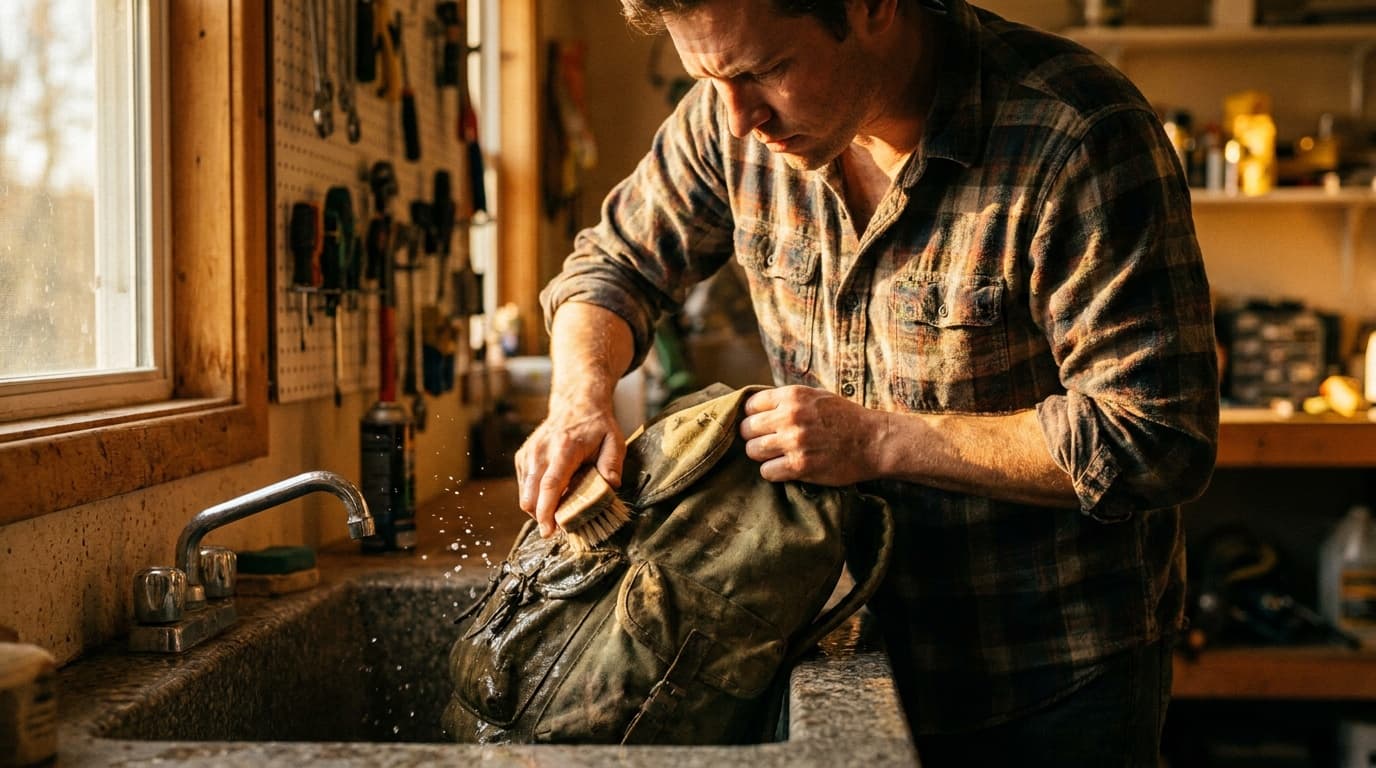
Hand wash with a mild soap and lukewarm water, then air dry away from direct sun and heat. GORUCK, Osprey, Deuter and Eagle Creek all advise against machine washing packs.
- Hand wash only, with mild soap and lukewarm water
- Open the pack fully so you can clean sweat buildup on the back panel and inside
- Air dry completely, away from heat and direct sunlight
- Spot clean between washes to limit wear on water-repellent coatings
- Store the pack clean and fully dry to prevent mold
Why proper cleaning matters for rucksacks
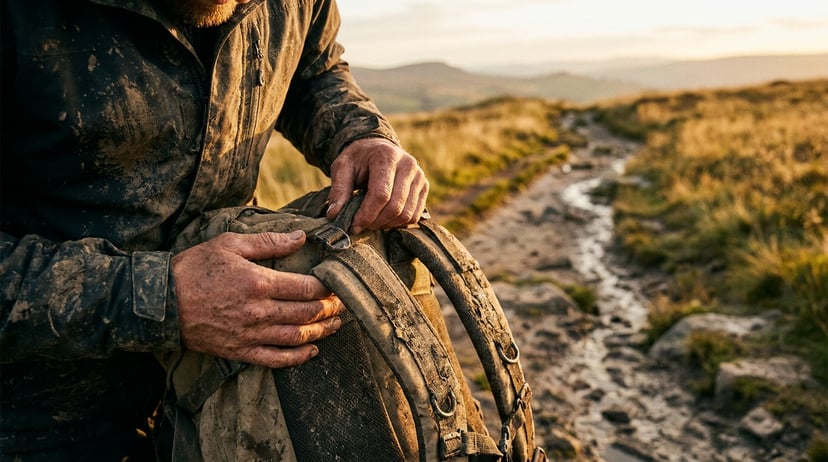
A rucking pack carries a dense load against a sweaty back, so the back panel and shoulder straps take most of the grime. GORUCK's cleaning instructions call for soap and water, not a washing machine or dryer, and warn that dryer heat can warp the lamination in the back panel and straps.
Deuter says a backpack should never go in a washing machine or a dryer, and recommends hand washing in lukewarm water with a pH-neutral soap. Source: Deuter's backpack cleaning guide.
Pack fabrics range from coated Cordura nylon to waxed canvas, so check the care label before choosing a cleaner.
Regular cleaning limits odor from sweat and removes grit. Eagle Creek's care guidance notes that dirt and grime abrade fabric over time, which is a good reason not to leave a muddy pack until the next big wash.
Materials and what they need
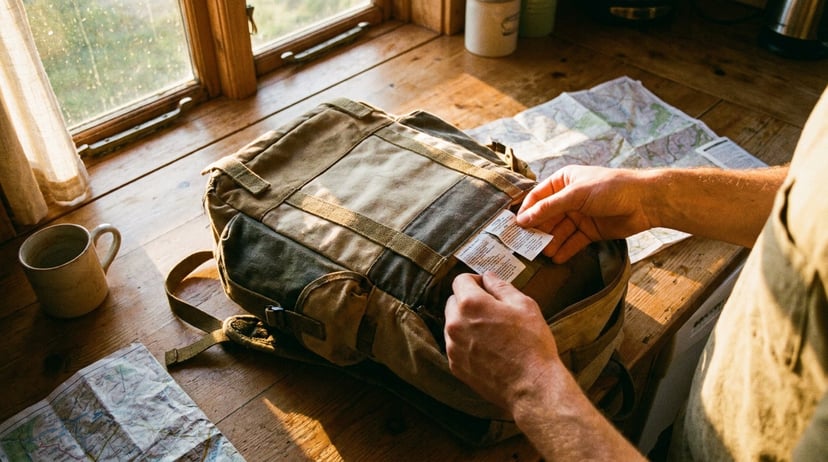
Most rucksacks combine several materials, and each has its own care needs. Knowing your pack's construction helps you avoid damage during cleaning.
Cordura and ballistic nylon make up the body of most military-style rucksacks. They handle soap and water well but can lose their water-repellent finish with harsh detergents or hot water.
Ripstop nylon appears in many lighter packs. Clean it with a sponge or soft brush. Eagle Creek's care page advises against hot water, bleach, dishwashing liquid, pre-soaking solutions and spot removers on its gear.
Canvas and waxed cotton appear in heritage-style packs. Waxed fabric usually needs the maker's own cleaning and re-waxing method, and thick canvas takes longer to dry.
Check your pack's care label before cleaning. Manufacturers differ on water temperature and on which cleaners to avoid, and GORUCK says washer or dryer damage voids its SCARS guarantee.
The proper hand-washing method
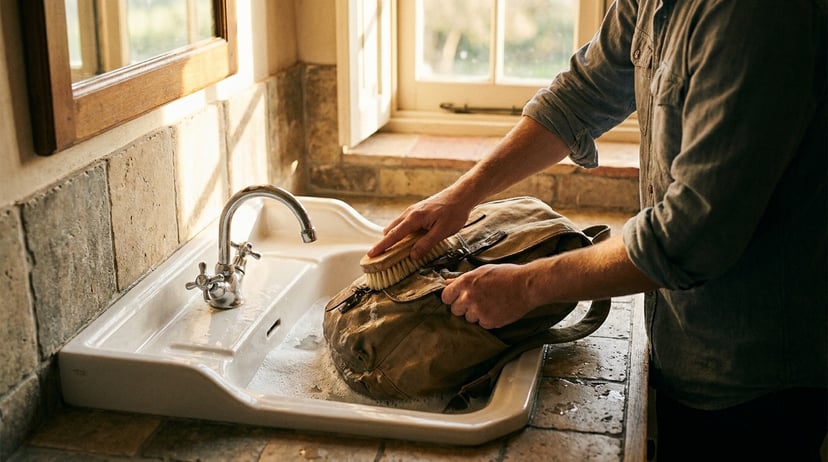
Hand washing removes the grime that builds up with regular use without the agitation and heat of a machine. This method suits most nylon and polyester packs; follow the label for waxed canvas or leather.
For the cleaning solution, use a mild, pH-neutral soap or a technical gear wash such as Nikwax Tech Wash. Avoid fabric softener, bleach, dishwashing liquid and harsh detergents, which can strip coatings and leave residue.
Avoid hot water and harsh detergents on coated or waterproof fabrics, since they can strip water-repellent finishes. Follow the label for any pack with a waterproof liner.
Drying techniques that preserve gear integrity
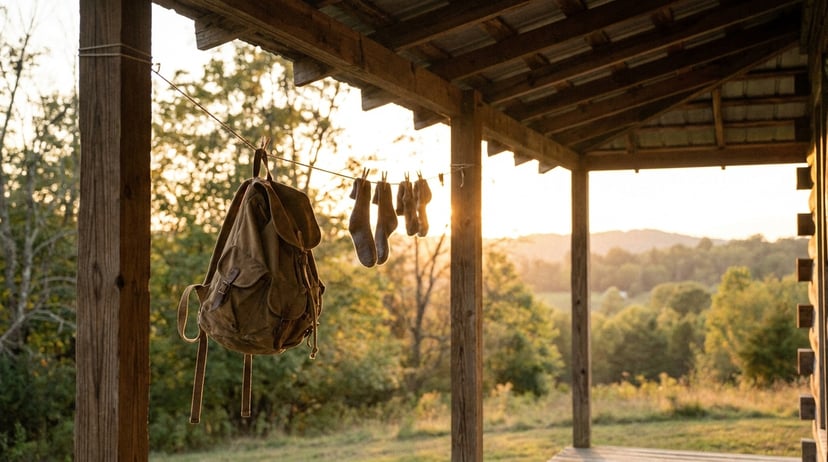
Proper drying prevents mold and keeps foam and coatings in good condition. The key is good air circulation without direct heat.
Air drying setup: Hang your rucksack in a well-ventilated area away from direct sunlight. UV exposure can fade colors and weaken nylon fibers over time. A covered porch or garage with good airflow works well.
Open drying: Open every zipper and hang the pack upside down, as Deuter suggests, so water drains out and air reaches the interior. Keep it open until the inside is completely dry.
Frame and panel considerations: If your pack has a frame sheet or foam back panel, make sure that area dries completely. Foam that stays damp can hold odor and grow mildew.
Deuter doesn't give a fixed drying time. It says to let the pack dry completely in a dry, well-ventilated place, away from direct sun and heat sources, before storing it.
Spot cleaning for routine maintenance
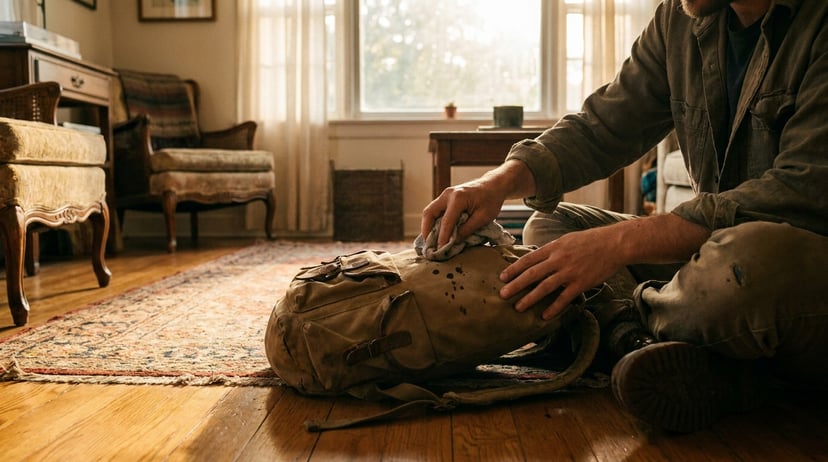
Between full washes, spot cleaning deals with local dirt without soaking the whole pack. It also means fewer full washes for the water-repellent coating.
For mud and dirt, let it dry completely, then brush off as much as possible before applying any moisture. Deal with food or sweat stains promptly so they don't set.
Keep a small bottle of diluted soap solution in your gear kit for field cleaning, along with an absorbent cloth like the Microfiber Towel XL (30x60) for the wipe-down. A quick pass after muddy training stops stains from setting.
Storage and long-term care

Storing a pack properly between uses prevents damage from damp, heat and pests. Even a well-made pack can develop problems if it is stored badly for months.
Clean before storage: Never store a dirty or damp pack. Residual moisture encourages mold and mildew, and dirt can attract pests and wear the fabric.
Ventilation requirements: Store in a dry, well-ventilated area. Avoid basements, attics or anywhere temperature and humidity swing widely. A climate-controlled closet or gear room is ideal.
Structural considerations: Don't store heavy items inside your pack long-term, as this can compress padding and deform the frame. Stuff it lightly with acid-free tissue paper to keep its shape without stressing seams.
- All zippers operate smoothly
- No visible mold or mildew
- DWR coating still beads water
- All buckles and hardware function
- No loose threads or damaged seams
When to replace vs. repair
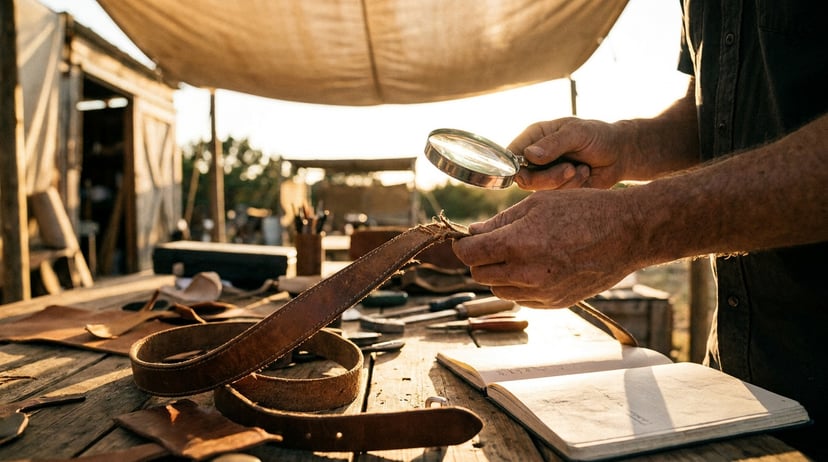
Knowing when a pack needs a repair and when it needs replacing helps you get the most from it. Well-made packs often justify repair costs, while budget packs may be cheaper to replace.
Many manufacturers repair their own products. GORUCK's SCARS Lifetime Guarantee says it will repair or replace gear worn out or damaged through use, at its discretion and with listed exclusions. Mystery Ranch's warranty and repair department repairs warranty damage free and says non-warranty damage can typically be repaired for a fee. If your pack falls outside a warranty program, a failed zipper, blown seam or fraying strap is still usually worth fixing. Our sister site Stitch Authority explains how to choose a clothing repair service that can handle heavy technical fabrics and hardware. Prefer the DIY route? Their guide to repairing outdoor gear walks through field repairs, patching coated fabrics, and the load-bearing hand stitches that hold up under a loaded pack.
Common cleaning mistakes to avoid
These are the mistakes manufacturer care pages warn about most often.
Machine washing and drying: Agitation and heat can damage foam, coatings and laminated panels you can't see from the outside. GORUCK's cleaning instructions say any damage caused by a washer or dryer voids its SCARS guarantee.
Harsh chemicals: Bleach, fabric softener, dishwashing liquid and aggressive detergents can strip coatings and leave residue. Stick to mild soaps or cleaners made for technical fabrics.
Incomplete drying: Rushing the job with heat, or storing the pack before it is completely dry, invites mold and material damage.
Ignoring manufacturer guidelines: Each pack has care requirements based on its materials and construction. General advice may not apply to your specific gear.
Frequently asked questions
Wash it when it smells, looks grimy, or has been exposed to salt water or heavy mud. Spot clean in between to keep buildup down.
GORUCK, Osprey and Deuter all say not to machine wash their packs, and Eagle Creek says to avoid it unless the care label allows it. GORUCK also says washer or dryer damage voids its guarantee. Hand washing is the safer default.
Use a mild, pH-neutral soap or a technical gear wash such as Nikwax Tech Wash. Avoid bleach, fabric softener, dishwashing liquid and harsh detergents.
Turn the pack inside out as far as it allows and focus on areas that contact your body. For stubborn odors, use an enzyme-based cleaner designed for sports gear, but test it in an inconspicuous area first.
Osprey and Deuter both recommend drying out of direct sunlight, and UV exposure can fade colors and weaken nylon over time. Dry the pack in shade with good air circulation, with every zipper open until it is completely dry.
When water no longer beads on the fabric surface and instead soaks in. Clean thoroughly first, then apply DWR treatment according to the product instructions.