Skip to content
Built for 40+, rucking for long-term health

Longevity Athlete

Built for the 40+ rucker who's in it for bone density, cardiovascular base, and joint-friendly mileage that lasts decades.

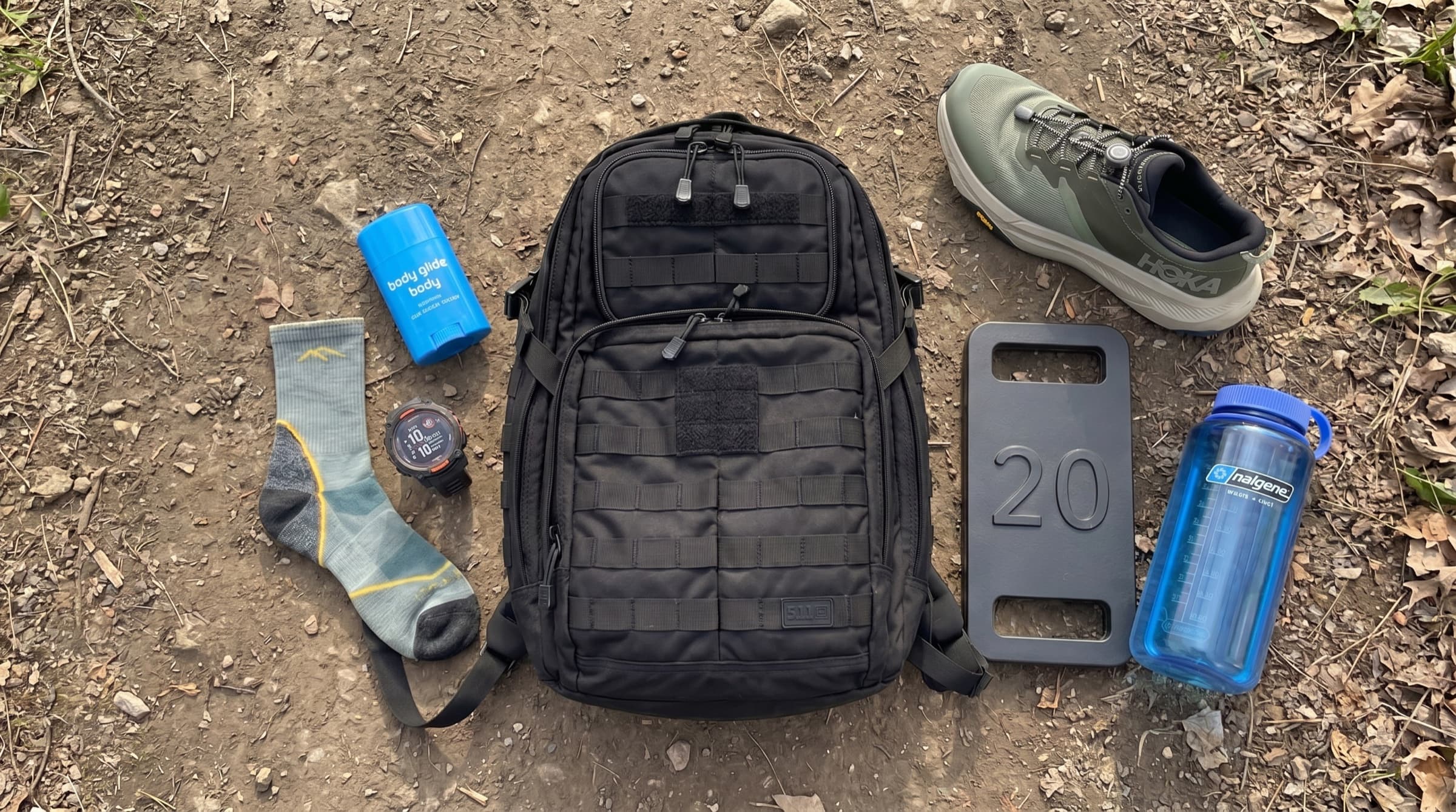
Longevity Athlete kit flat lay

The longevity-focused kit. Comfortable load, joint-friendly shoes, real tracking.

Kit total
$500-1000
See & add the kit

Grab the essentials - one click (2)

No size or options to pick on these - send them all to your Amazon cart in one tap, or add each individually.

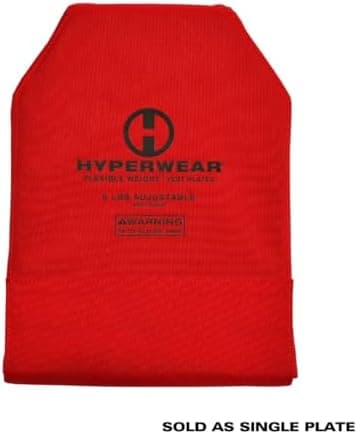
Titan Fitness Cast Iron Ruck Weight front view
plate$25-50
Titan Fitness Cast Iron Ruck Weight
Start at 10-15 lb. Snow et al. (2000) used vests at 5-10% bodyweight.
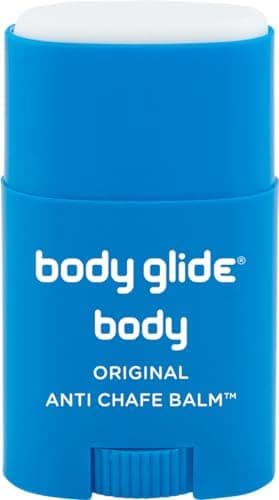
Body Glide Original anti-chafe balm stick
foot careUnder $25
Body Glide Original Anti-Chafe Balm

Your picks - choose size & options on Amazon

These come in sizes or styles, so you pick yours on Amazon - tap each to choose your fit.

5.11 Tactical RUSH 24 2.0 backpack
pack$50-150
5.11 Tactical RUSH 24 2.0
Frame sheet keeps the load high on your back, off your lumbar.
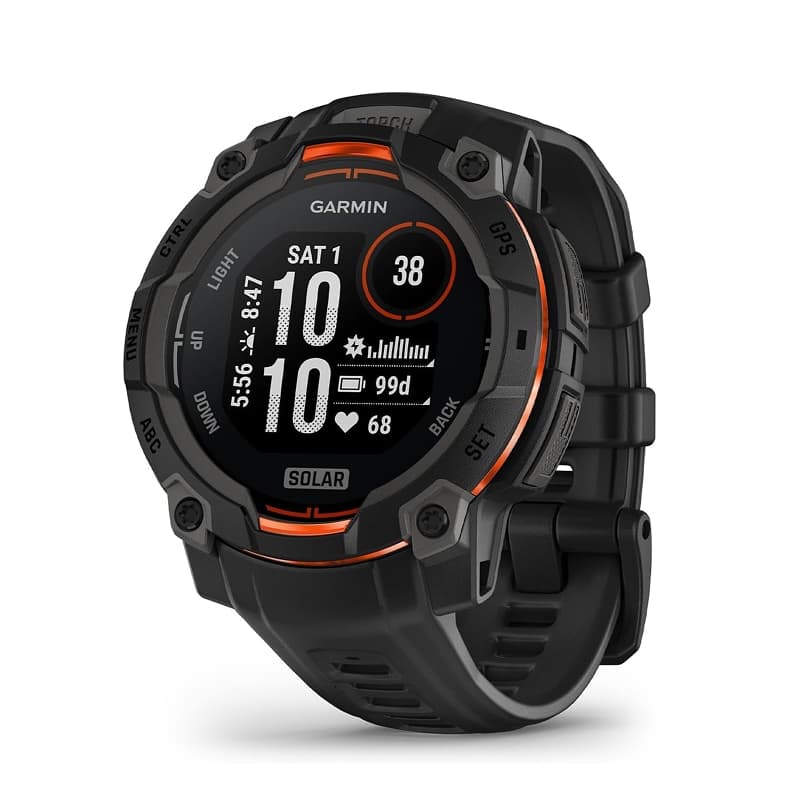
Garmin Instinct 3 Solar GPS watch in black
watch$300-500
Garmin Instinct 3 Solar (45mm)
Multi-week battery, Zone 2 tracking. The watch you'll keep.
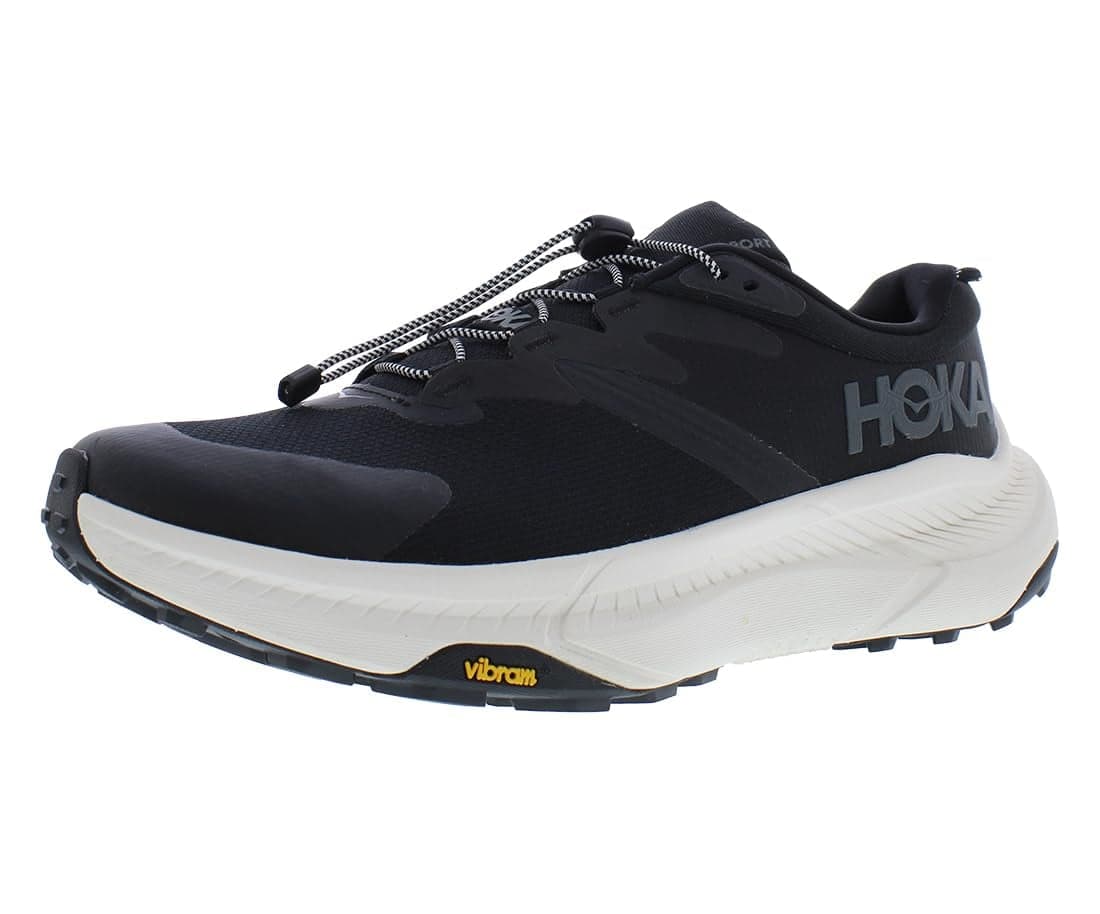
Hoka Transport commuter walking shoe
★ Start here
shoes$150-300
Hoka Transport
Plush cushion, stable platform. Joint-friendly for daily mileage.
Choose fit
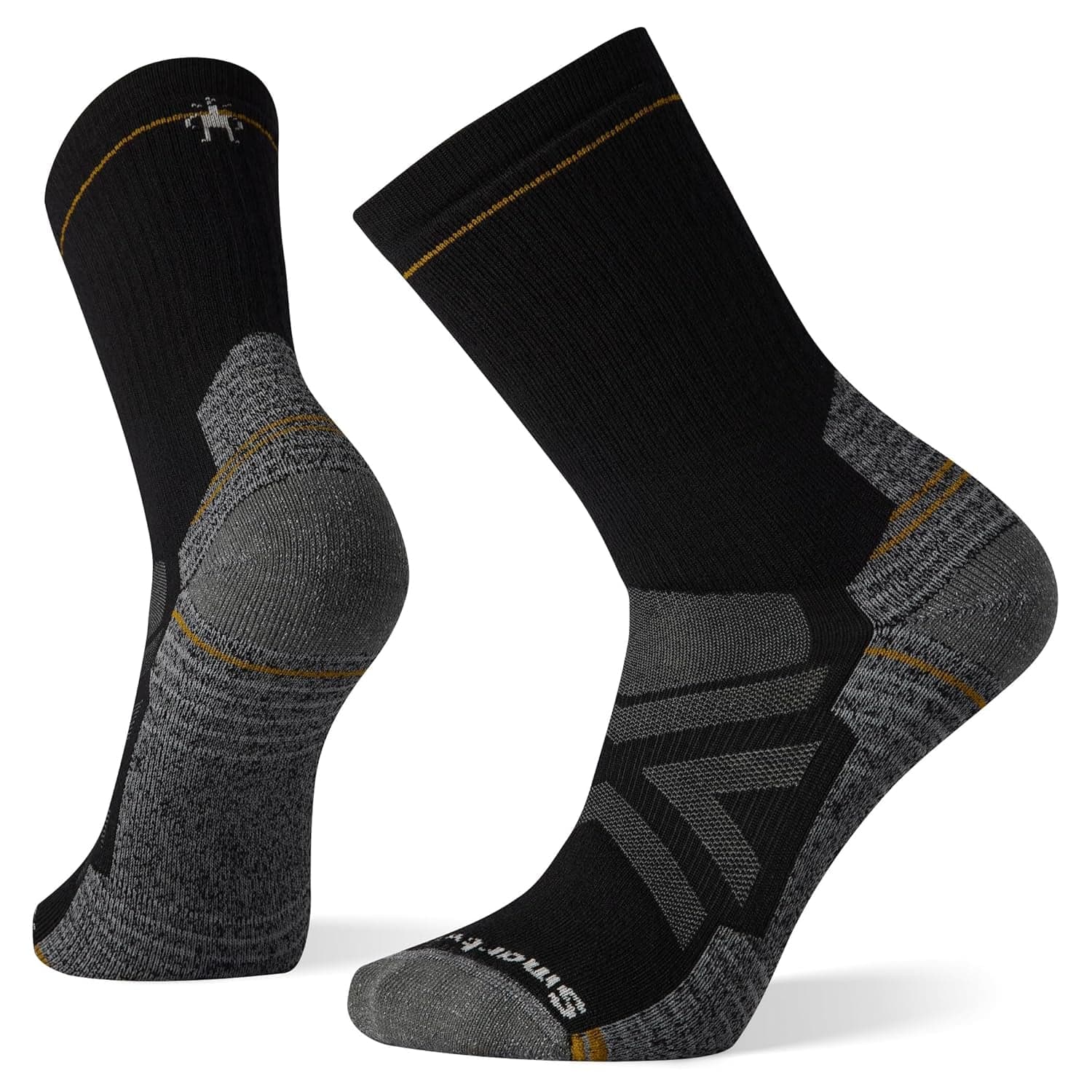
Smartwool Hike Full Cushion Crew sock
socks$25-50
Smartwool Hike Full Cushion Crew
Lighter cushion than Darn Tough - the right sock for high-frequency Zone 2 daily mileage.

Why this kit

For ruckers over 40, the goal isn't a PR. It's still rucking at 70. That changes every gear decision. Load goes lower (10-15 lb, not 30), shoes get more cushion (joint impact compounds over decades), and the watch matters more (Zone 2 tracking is the difference between training and limping).

The research case is strong. Snow et al. (2000) showed weighted-vest walking at 5-10% bodyweight increased femoral neck bone density in postmenopausal women. Knapik's military progression rules (load no more than 10% bodyweight per month) extend to recreational rucking and dramatically lower injury rate. This kit is built around both: a starting load you can sustain, a shoe that won't aggravate joints at daily mileage, and a watch that keeps you in the aerobic zone that builds cardiovascular base without grinding down joints.

The Standard tier is the entry point. The 5.11 Rush 24 keeps load high (away from your lumbar), the Titan plate starts at a sensible 10-15 lb (not the macho 30 lb that ends careers), the Hoka Transport has the plush cushion orthopedists recommend for high-mileage walking, and the Garmin Instinct 3 Solar tracks heart-rate zones with multi-week battery life so you actually wear it.

The Premium tier is for the rucker who's committed - someone who already knows they'll be doing this in their 60s. The GORUCK Rucker 4.0 has a lifetime SCARS warranty (outlives most household appliances), GORUCK plates are color-coded and progress in 1-2 lb increments per Knapik's rule, the Hoka Bondi 9 is the maximum-cushion shoe most orthopedists recommend by name, and the Source WXP hydration bladder keeps the load balanced rather than sloshing on each step.

What this kit is NOT for: GORUCK Tough or Star Course events (use the Event Day kit), competitive ruck marathons (different shoe, different load), or twenty-somethings building peak fitness (you can carry more weight with less recovery cost - this kit will feel light).

Questions

Is rucking safe over 60?+
Yes, when load progresses slowly. Start at 5-10% bodyweight (10-15 lb for most adults), walk 20-30 minutes 3x/week, and add weight no faster than 1-2 lb per month. This is Knapik's military-derived load progression rule applied to recreational rucking, and it's the same rule that keeps 70-year-old hikers on trail.
Why not use a weighted vest instead?+
Vests work for bone density (the Snow 2000 study used vests), but they load the spine compressively without engaging the postural muscles a rucksack does. For most over-40 ruckers, the rucksack's distributed load + slight forward lean produces better postural strength gains and is easier on the shoulders than a vest at the same weight.
What HR zone should I target?+
Zone 2 - roughly 60-70% of max HR, the 'nose-breathing pace' where you can hold a conversation. This is the zone that builds aerobic base, mitochondrial density, and cardiovascular durability without joint-pounding intensity. The Garmin Instinct 3 Solar in this kit auto-tracks Zone 2 minutes per session.
Should I worry about my knees?+
Rucking is gentler on knees than running because there's no airborne phase - one foot is always on the ground. Knee load comes from descending hills with weight, not flat-ground walking. Use trekking poles for descents over 8% grade, and keep load under 20% bodyweight unless you're trained.
How does this compare to walking without weight?+
Adding 10-15 lb roughly doubles caloric burn vs unweighted walking at the same pace and recruits postural muscles that flat walking doesn't. For bone density specifically, weight-bearing load is the stimulus - unweighted walking gives almost no bone-density benefit per the Snow et al. (2000) data. The plate is doing real work here.

Read this first