Skip to content
Built for 40+, rucking for long-term health

Longevity Athlete

A moderate-load setup for ruckers over 40 who are training for aerobic fitness and regular mileage.
We may earn from Amazon and GORUCK purchases. GORUCK may also provide gear for testing; partners do not approve our conclusions. How we make money
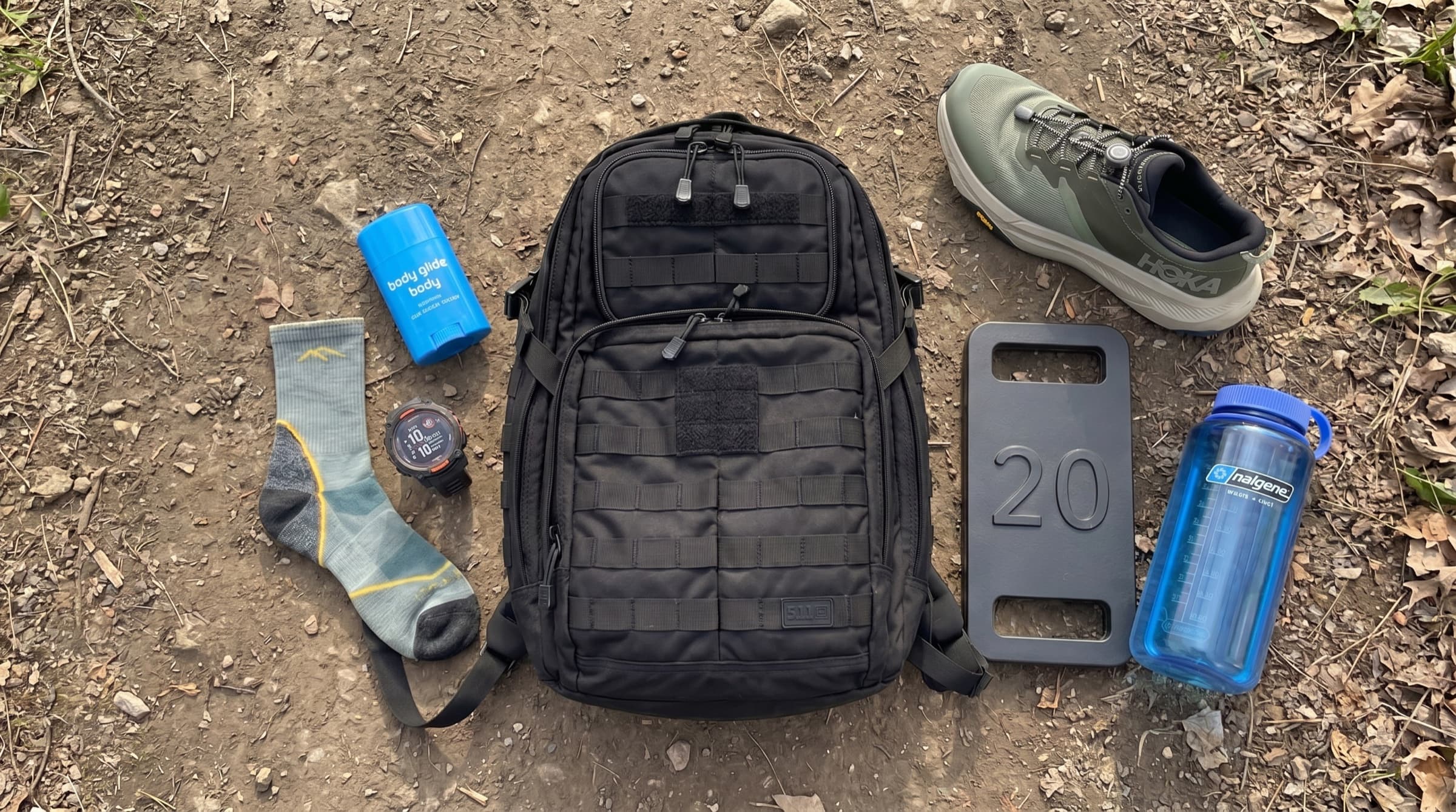
Longevity Athlete kit flat lay

A manageable load, cushioned shoes, and heart-rate tracking for long-term training.

New to rucking

Start with Hyperwear FlexLoad Adjustable Rucking Weights, then add the pieces that solve a real need on your route.

Go to the first pick
Already have some gear

Skip what you own and fill only the gaps. Every item opens separately so you can check fit, current stock, and the exact option before buying.

See every item
Kit total
$500-1000
Shop the items

Shop the kit item by item

Open each product to check the current price, size, and availability before you buy.

5.11 Tactical RUSH 24 2.0 backpack
pack$50-150
5.11 Tactical RUSH 24 2.0
Frame sheet keeps the load high on your back, off your lumbar.
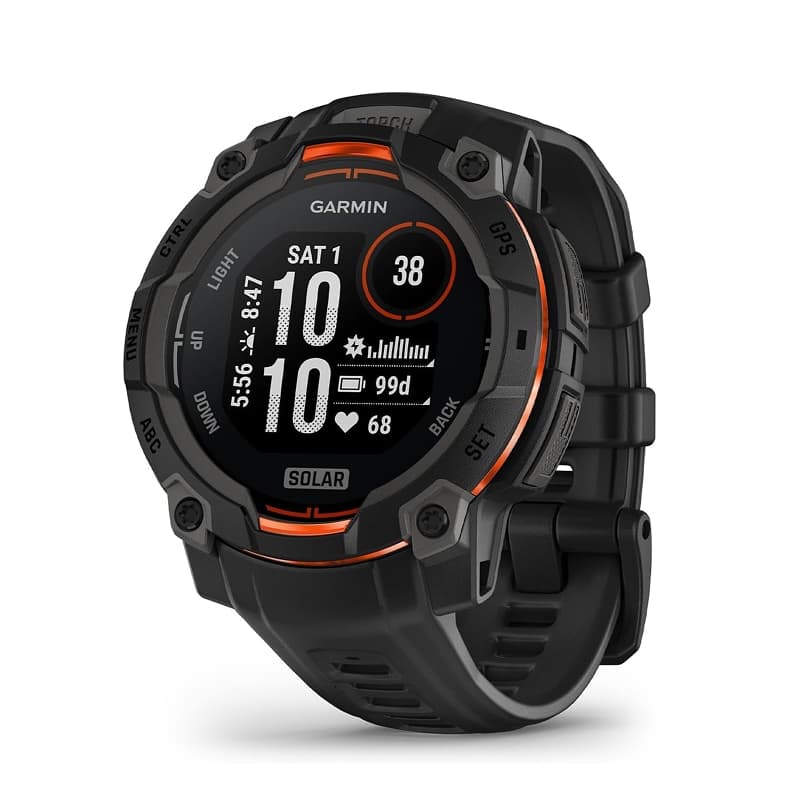
Garmin Instinct 3 Solar GPS watch in black
watch$150-300
Garmin Instinct 3 Solar (45mm)
Multi-week battery life and Zone 2 tracking for regular training.
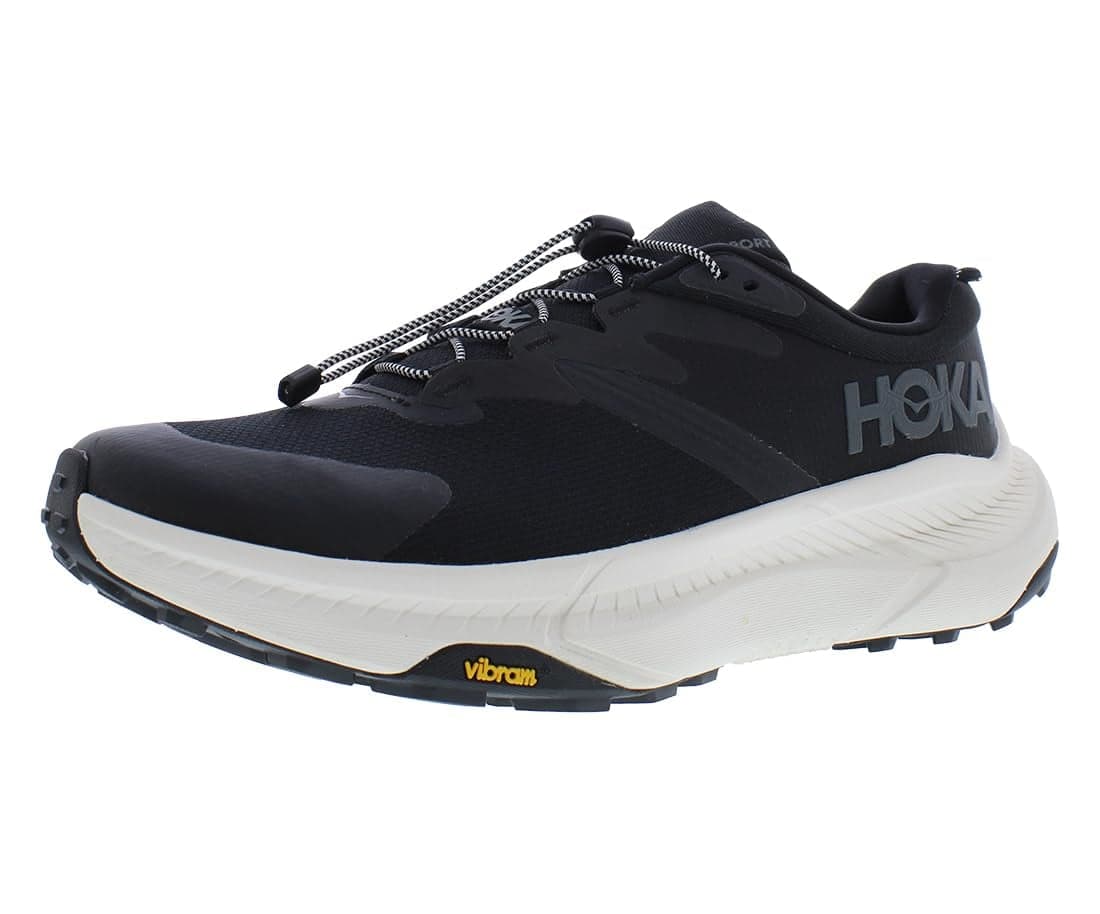
Hoka Transport 2 commuter walking shoe
shoes$150-300
Hoka Transport 2
A cushioned shoe with a stable platform for regular walking mileage.
Choose fit
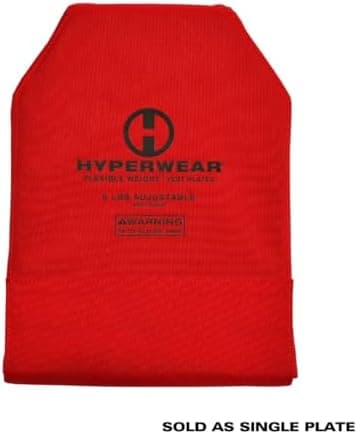
Hyperwear FlexLoad Adjustable Rucking Weights
★ Start here
plate$50-150
Hyperwear FlexLoad Adjustable Rucking Weights
Buy the load first if you already own a comfortable pack. The flexible weights support smaller progression steps and avoid a fixed 20 lb jump.
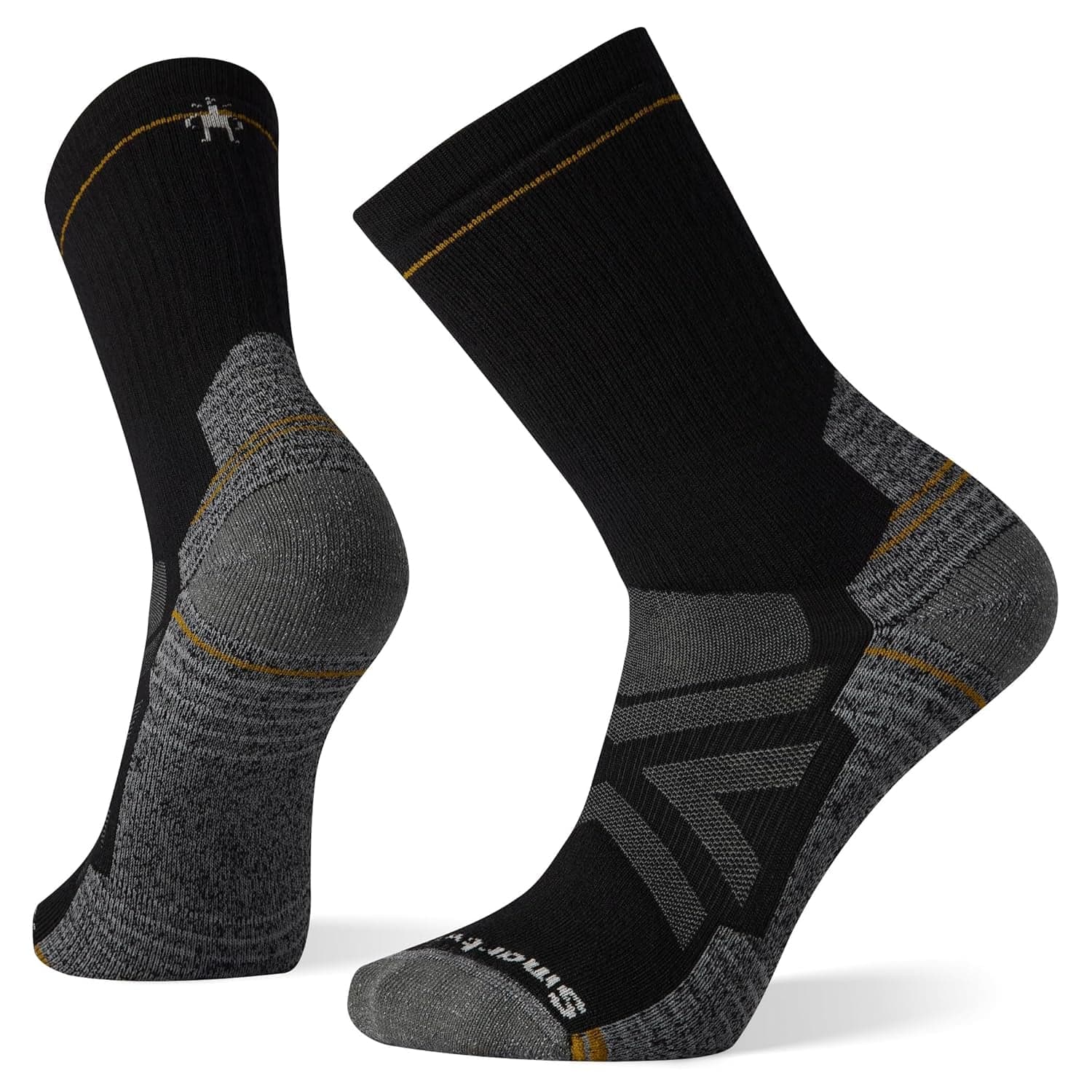
Smartwool Hike Full Cushion Crew sock
socksUnder $25
Smartwool Hike Full Cushion Crew
Full cushioning underfoot for regular walking mileage.
Body Glide Original anti-chafe balm stick
foot careUnder $25
Body Glide Original Anti-Chafe Balm

Why this kit

For ruckers over 40, this kit prioritizes training that can continue into later decades. Loads are lower, usually 10-15 lb rather than 30 lb. The shoes add cushion for regular mileage, and the watch tracks Zone 2 effort so intensity stays controlled.

Snow et al. (2000) studied weighted-vest walking at 5-10% of bodyweight in postmenopausal women and reported an increase in femoral neck bone density. That study used a vest, a specific population, and a defined program, so it does not establish the same result for every rucker. This kit keeps the load moderate and emphasizes gradual progression.

The Standard tier uses the 5.11 Rush 24 to keep the load high and close to your back. It adds adjustable Hyperwear weights, the cushioned Hoka Transport, and a Garmin Instinct 3 Solar with heart-rate zones and multi-week battery life. Use the calculator first, then increase the flexible load in small steps.

The Premium tier is intended for regular, long-term use. The current GORUCK Rucker 5.0 carries a lifetime SCARS warranty. GORUCK plates are color-coded, and the Hoka Bondi 9 provides maximum cushioning. The Source WXP hydration bladder keeps water close to the back instead of letting a bottle move around in the pack.

Use the Event Day kit for GORUCK Tough or Star Course events. Competitive ruck marathons also require a different shoe and load. Younger athletes training for peak performance may find this setup too light.

Questions

Is rucking safe over 60?+
Many adults over 60 can ruck, but the right starting load depends on health, balance, and training history. Begin with an unloaded walk or a light load and increase only when the current level feels comfortable. Ask a clinician or physical therapist first if you have a medical condition, balance problems, or pain with walking.
Why not use a weighted vest instead?+
Both can work. A vest keeps the load close to the torso, while a rucksack places it on the back and offers more room for water and gear. The Snow et al. study used vests, not rucksacks. Choose the option that fits securely and remains comfortable while you walk.
What HR zone should I target?+
Zone 2 is often estimated at roughly 60-70% of maximum heart rate, or a pace where you can still hold a conversation. Heart-rate zones vary by person, so treat the watch reading as an estimate and adjust the pace if the effort feels too hard.
Should I worry about my knees?+
Rucking replaces running impact with added load. Hills, speed, pack weight, and past injuries can all affect the knees. Reduce the load, pace, or grade if you develop pain, and get medical advice if it persists.
How does this compare to walking without weight?+
Adding weight raises the energy cost of walking and asks more of the muscles that support the load. The exact difference depends on the load, pace, grade, and the person carrying it. The Snow et al. study examined one weighted-vest program in postmenopausal women, not rucking in every population.

Read this first