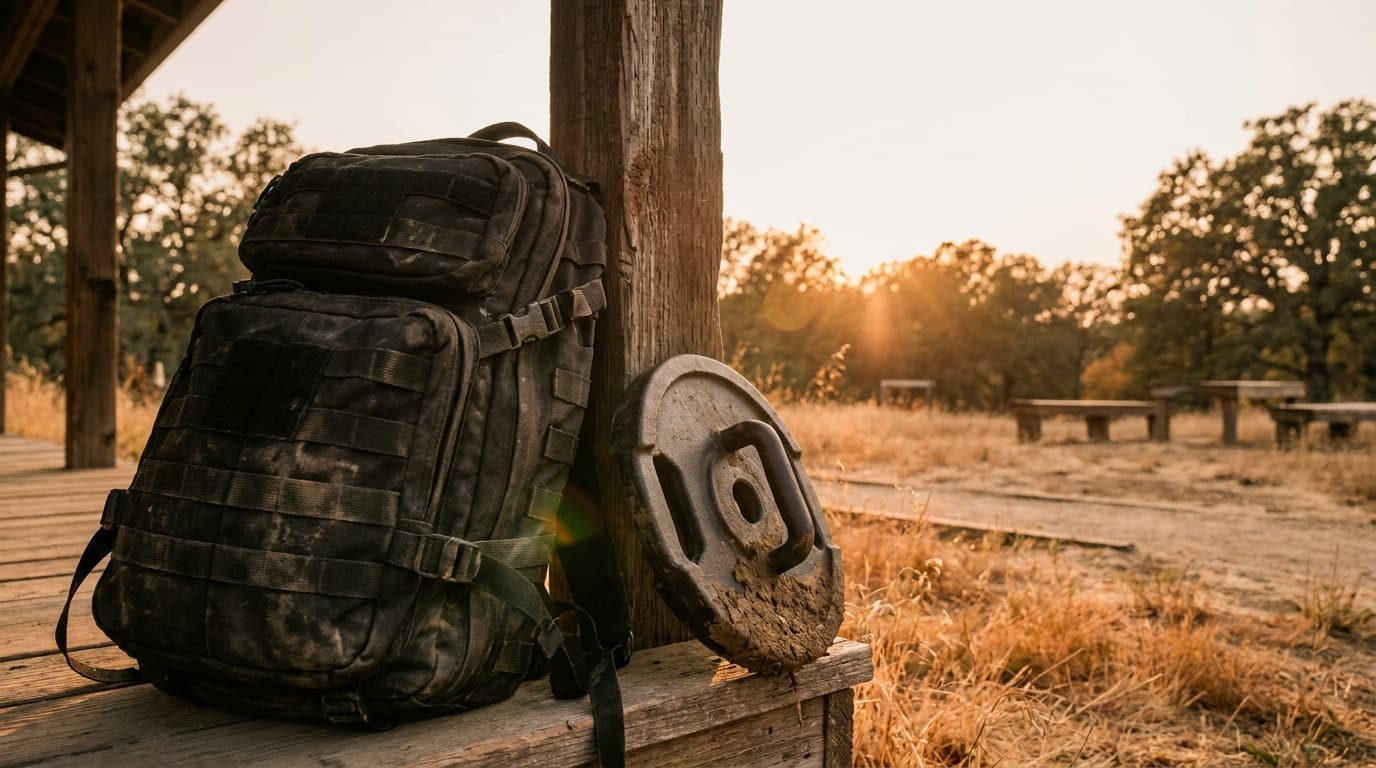
Plenty of 2026 fitness trends come with an app, a wearable or a subscription. One of the more talked-about ones needs a backpack: walking with a weighted pack.
Rucking, carrying a loaded pack while walking, keeps turning up in trend coverage. FitNKC calls it "The Backpack Workout Taking Over Fitness in 2026" and describes it as one of the year's most popular fitness trends. Lifemaxx's 2026 trends roundup doesn't name rucking, but it lists functional fitness, the lifting, carrying and moving category rucking belongs to, among the trends that still dominate gym programming.
Below is what's behind the attention, and how to start without overdoing it.
Why Rucking Is Having Its Moment

The Back-to-Basics Movement
Josh Snyder of FitNKC puts it this way: "People are going back to basics. Walking with weight. Training with purpose. Asking their bodies to do what they were designed to do: push, pull, carry, and move through real space with real resistance."
That fits a broader appetite for training that works without being complicated.
The American College of Sports Medicine's 2026 trends survey put wearable technology first, fitness programs for older adults second and exercise for weight management third, with functional fitness training at number ten. Lifemaxx's summary of the report describes the focus shifting toward "quality, personalisation and long-term wellbeing".
High-Profile Advocates
GQ's 2024 rucking explainer credited a few well-known voices with spreading the habit:
- Peter Attia, MD, the longevity physician, has praised rucking on his podcast, The Drive
- Andrew Huberman was filmed rucking with bowhunter Cameron Hanes
- Michael Easter's book The Comfort Crisis devotes a chapter to recasting rucking from a military requirement into recreational exercise
GORUCK founder Jason McCarthy told GQ the book was the turning point: "Influential people read that book and started adopting it," he said, naming Attia as someone who read it and started rucking a lot.
Measurable Business Growth
McCarthy also told GQ that GORUCK's sales rose 40 percent in 2023. That is the company's own figure rather than audited data, but weighted vests point the same way: Axios reported that sales jumped more than 50 percent to 27 million dollars in the 12 months ending May 2025, citing market research firm Circana. We track every credible data point on the sport's growth in our rucking statistics reference page. If you're weighing the vest side of that boom against a pack, our sister site Kit Authority's weighted vest vs rucking breakdown covers which suits a general-fitness routine.
For ruckers, it suggests the activity is reaching people well outside military and tactical circles.
What Rucking Trains
Functional Movement Benefits
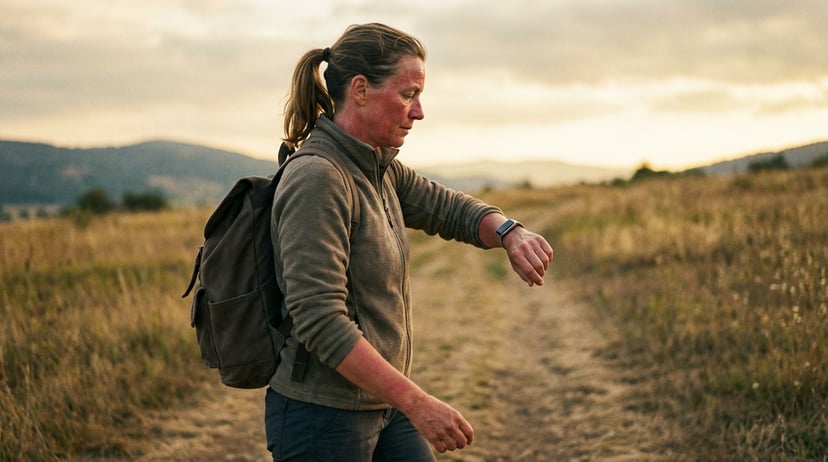
Rucking trains your body to carry a load while moving, which is much of what people have always needed their bodies to do.
The movement pattern engages:
- Posterior chain muscles (glutes, hamstrings, erector spinae)
- Core stabilizers working to maintain posture under load
- Cardiovascular system through sustained moderate-intensity effort
Rucking is lower impact than running at the same pace while still working your heart, lungs and legs. That makes it a reasonable option for many people who don't tolerate running, provided they build the load slowly. If you have a joint condition or an injury history, check with a clinician first.
Longevity and Anti-Aging Benefits
The timing of rucking's mainstream moment coincides with increased interest in longevity and anti-aging protocols. As FitNKC notes, "Researchers are confirming what consistent training actually does at the cellular level. They are measuring how movement changes blood proteins tied to aging."
Rucking touches several things linked to healthy aging:
- Weight-bearing exercise, which supports bone health, although how much loaded walking alone changes bone density is still unsettled
- Cardiovascular fitness from sustained zone 2 effort
- Functional strength that carries over to daily activities
- Time outdoors, which many people find good for their mood
How Rucking Fits the 2026 Fitness Landscape

Technology Integration Without Dependence
Wearables top the ACSM list, and rucking works with or without them: a watch can track pace and heart rate, but the activity itself needs only a pack and your feet.
Looking back at 2025, Lifemaxx observed: "The best gyms used technology to enhance coaching, not to replace the trainer. Data became the starting point for conversations about recovery, load and progress."
Accessibility and Inclusivity
Rucking costs little to start. Any sturdy backpack and household items for weight will do, which puts it within reach on most budgets and in most places.
Community Building
Rucking is also social. Organized events, ruck clubs and veteran groups give people a reason to show up together and keep showing up.
The rucking community has deep roots in military culture, with its emphasis on teamwork and mutual support, and many civilians are drawn to exactly that.
Getting Started: Your First Ruck
Equipment Essentials
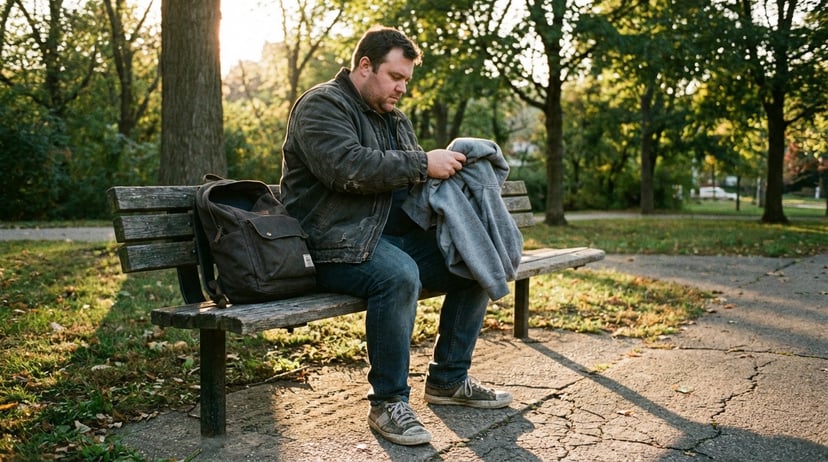
The Basics:
- A sturdy backpack that fits snugly (it doesn't need to be tactical, though a daily-carry pack like the 5.11 RUSH 12 has the padded straps a loaded walk needs)
- Weight (start with books, water bottles, or dedicated ruck plates)
- Comfortable, supportive walking shoes; a cushioned shoe like the Hoka Bondi 9 is a reasonable choice for pavement
Starting Weights:
- Beginners: 5-10 pounds
- Intermediate: 20-30 pounds
- Advanced: 35+ pounds
Start conservatively with weight. It's better to ruck regularly with lighter loads than to go too heavy too fast and risk injury or burnout. You can always add weight as your body adapts.
Your First Month Protocol
Week 1-2:
- Duration: 20-30 minutes on level ground
- Weight: 5-10 pounds
- Frequency: 2-3 times per week
- Pace: Conversational (you should be able to talk while rucking)
Week 3-4:
- Duration: 30-40 minutes
- Weight: the same load as weeks 1-2
- Frequency: 3 times per week
- Make one session per week a little longer
Safety Considerations
Common Mistakes to Avoid:
- Going too heavy too fast
- Ignoring proper pack fit
- Skipping warmup and cooldown
- Training on concrete exclusively
Red Flags to Watch For:
- Sharp pain in feet, knees, or back
- Excessive fatigue that doesn't resolve with rest
- Persistent soreness lasting more than 48 hours
No trial has tested a specific weekly percentage for adding ruck weight. Military load-carriage research (Knapik, 2014) points to lighter loads, better load distribution, appropriate physical training and suitable equipment as the main ways to reduce injuries. Our guidance: hold your starting load for the first month, then add weight in small steps only when sessions feel easy and nothing hurts the next day.
Why This Trend Has Staying Power

Several things work in rucking's favor over the long run:
Proven Track Record
Soldiers have carried loaded packs for as long as there have been armies, and ruck marching remains a staple of military training. The civilian fitness version is the newer part.
Scalable Difficulty
You can make rucking as easy or as challenging as needed by adjusting weight, distance, terrain, or pace. This scalability means people can progress continuously without hitting arbitrary ceilings.
Practical Application
The strength and endurance built through rucking directly translates to real-world activities: hiking with gear, carrying groceries, moving furniture, or simply maintaining functional capacity as you age.
Low Maintenance
Unlike complex fitness systems that require ongoing learning or equipment updates, rucking's simplicity makes it sustainable long-term. Once you understand the basics, you can ruck anywhere, anytime.
Why the trend may last
The fitness industry's interest in rucking reflects demand for training that is simple, functional, and social. Rucking offers all three without much setup.
Whether you're drawn to rucking by the longevity benefits, the simplicity, or the community aspect, the fundamentals remain the same: start light, progress gradually, and focus on consistency over intensity.
You can start with a backpack, a manageable load, and a walking route. That low barrier may help rucking remain useful after the current wave of attention passes.
See the complete beginner's guide to rucking for a starting plan or the rucking backpack guide when you are ready to compare gear.
Frequently Asked Questions
Rucking is lower impact than running at the same pace, so many people with sensitive joints tolerate it better. If you have existing knee problems, talk to a clinician first, then start with a light load (5-10 lb or less) on short, level routes and see how your knees feel the next day.
Hold your starting load for the first month, then add weight in small steps only when your current load feels easy. Red flags include sharp pain, excessive fatigue that doesn't resolve with rest, or persistent soreness lasting more than 48 hours.
Yes. Any sturdy backpack that fits snugly works, and books or water bottles are fine for weight at the start. You don't need specialized tactical gear to begin rucking.
There really isn't a meaningful difference. Rucking is simply the military term for walking with a loaded pack, but the movement and benefits are identical whether you call it rucking or weighted walking.
It depends on your starting fitness, so there's no universal timeline. Build consistency first: 20-30 minutes with 5-10 pounds, two or three times a week, at a pace where you can still hold a conversation.
Pavement is fine. Mixing in softer surfaces such as trails or gravel paths varies the load on your feet and legs, but if pavement is what you have, ruck on it.
It's a useful option rather than a superior one. Rucking makes walking harder with lower impact than running at the same pace, and it scales easily with load, terrain and distance. The trend owes something to marketing and high-profile fans, but the activity holds up without them.