Rucking is walking with weight in a backpack.
The added load makes an ordinary walk more demanding. You can ruck on a neighborhood sidewalk, a trail or a treadmill; the defining feature is carrying weight deliberately for exercise.
For your first outing, use the beginner's guide. The ruck weight guide and ruck weight calculator help with load selection; the first 30 days plan covers progression. A regular backpack can carry a light starting load. Dedicated gear can come later.
Rucking offers a solid workout without complex moves or a gym membership. Cleveland Clinic sports medicine physician Matthew Kampert, DO, (2024) suggests starting your first ruck with about 5 pounds and working up from there. Many ruckers say it feels easier to approach than running and more engaging than a regular walk.
What rucking is
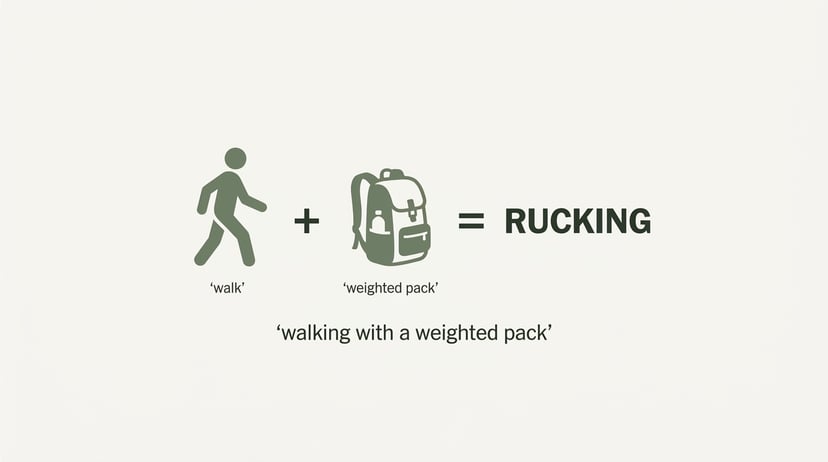
Rucking means walking with a loaded pack for exercise. The weight raises your heart rate. At a steady pace, many ruckers train in "Zone 2," an aerobic effort that still lets you hold a conversation.
The term comes from "rucksack," a German-derived word for backpack that the military adopted. Soldiers have carried heavy loads for centuries as part of training and daily work. People have carried tools, food, and children for far longer. The fitness trend is new; walking with weight is not.
The Pandolf load-carriage model estimates energy cost from body weight, load, speed, grade, and terrain. Added load raises the estimate at the same pace, but there is no fixed multiplier that applies to every person or route.
To estimate your own session instead of using broad ranges, use the rucking calorie calculator.
Adding weight makes the walk harder on your heart and muscles without adding a new movement skill.
Why people are choosing rucking over other workouts
The appeal goes beyond just burning calories. Rucking stands out for several practical reasons:
A walking stride, with added load: Walking usually has lower impact per step than running because it does not use the same aerial landing phase. A backpack still raises ground-reaction forces and changes gait compared with unloaded walking. Those biomechanical differences do not establish that recreational rucking has a lower injury rate than running; direct injury-incidence data are limited. A systematic review of backpack walking describes the added load and gait changes.
Familiar movement: The movement is still walking, though carrying load takes adaptation. Comfortable unloaded walking is a useful first checkpoint.
Works in many places: You can ruck in a neighborhood, park, hiking trail, shopping center, or on a treadmill. You do not need a gym membership.
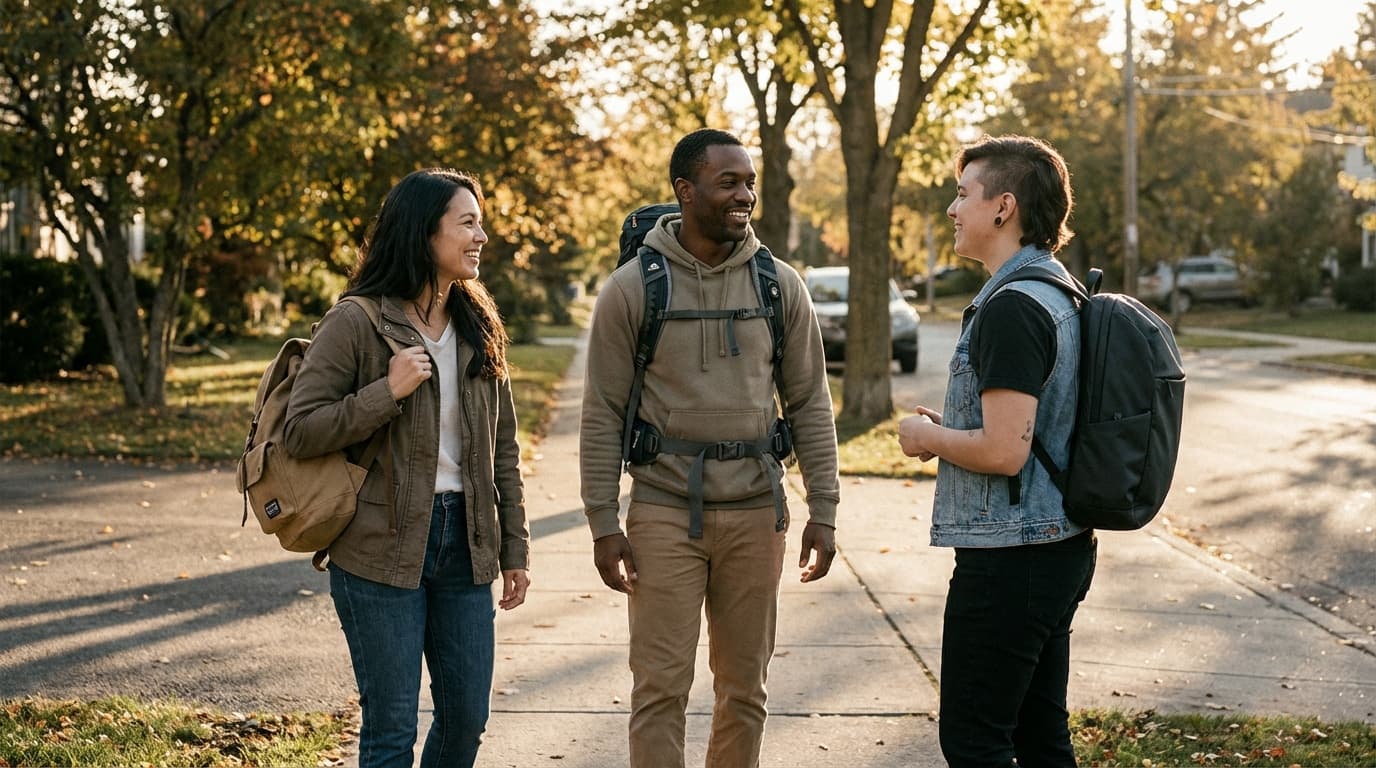
Works with a group: A moderate pace leaves room for conversation. Each person can change pack weight to match their fitness level.
Mental health benefits: Ruckers often describe less stress and clearer thinking after an outdoor ruck. A 2010 systematic review by Bowler and colleagues found some evidence that a walk or run in a natural setting improves self-reported mood more than the same activity in a built environment, though the studies were small and short.
Basic gear for your first ruck
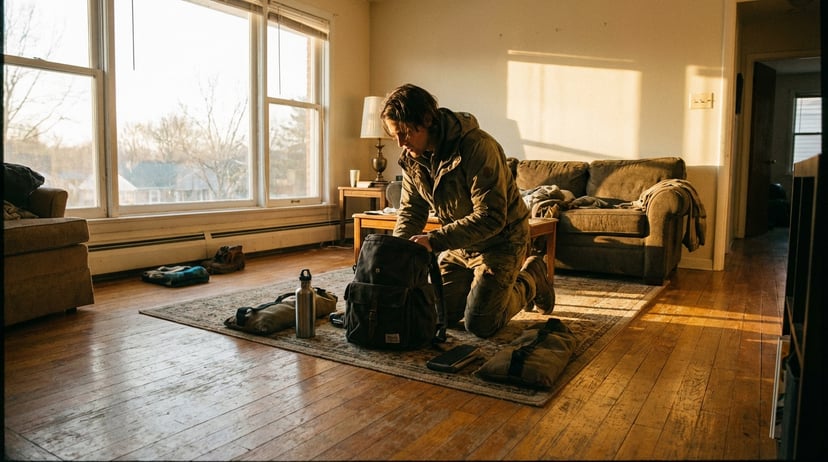
You can start with a backpack you already own. A purpose-built ruck pack can wait until you know you will keep training.
Your backpack options
Start with what you have: Use a sturdy backpack with comfortable shoulder straps and a way to keep a light load close to your back. Check its stitching and load rating; avoid bags that sag, rub or let the weight bounce.
If you are buying new: Look for padded shoulder straps, enough structure to hold the weight close, and a fit that matches your torso. The Osprey Tempest Velocity 20 Women's suits a smaller frame and can handle light rucking. For heavier use, a plate-friendly pack like the RUSH 24 2.0 holds weight flat against your back better than most daypacks.
| Beginner fit | Good first pick | Why |
|---|---|---|
| Hiking-pack fit | Osprey Tempest Velocity 20 Women's | More trail-oriented carry and an adjustable harness for lighter loads. |
| Plate-friendly tactical fit | 5.11 RUSH 24 2.0 | Better long-term choice once you know rucking will stick and want a flatter plate carry. |
A weighted vest is another way to keep the load close to your body. Our sister site Kit Authority reviews the MiR Air Flow weighted vest, its most breathable pick for hot weather.
Weight options
Household items: Books, water bottles, canned goods, or bags of rice work for a first ruck. Wrap them in towels to stop shifting and noise.
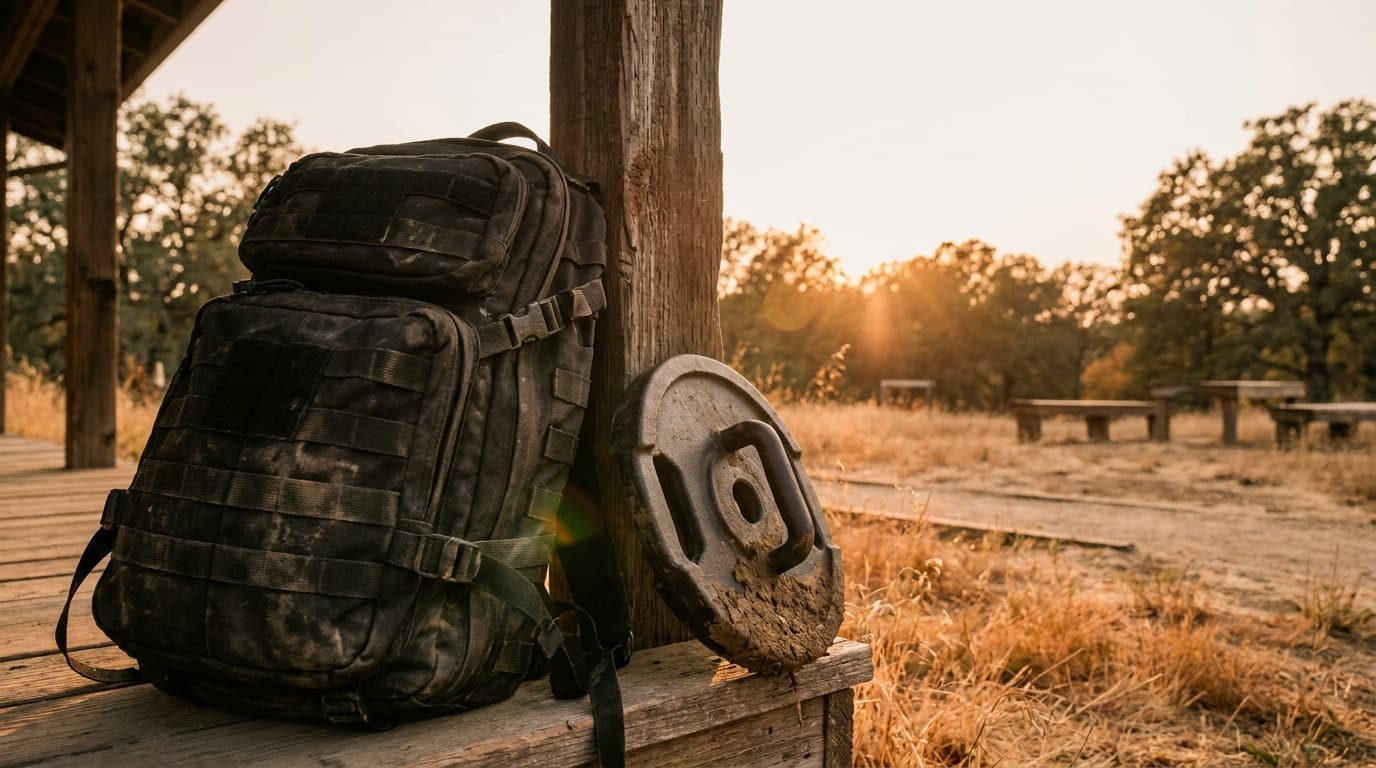
Ruck plates: A purpose-made plate spreads the load and does not rattle like loose items. A cast-iron ruck plate such as Yes4All's is a basic option when you are ready to upgrade.
Start with 5-10 pounds, or less, and keep that load for the first month. Use a lower result from the ruck weight calculator when it applies, and begin unloaded if you are inactive, returning from injury, or cannot keep a normal gait.
How to start safely
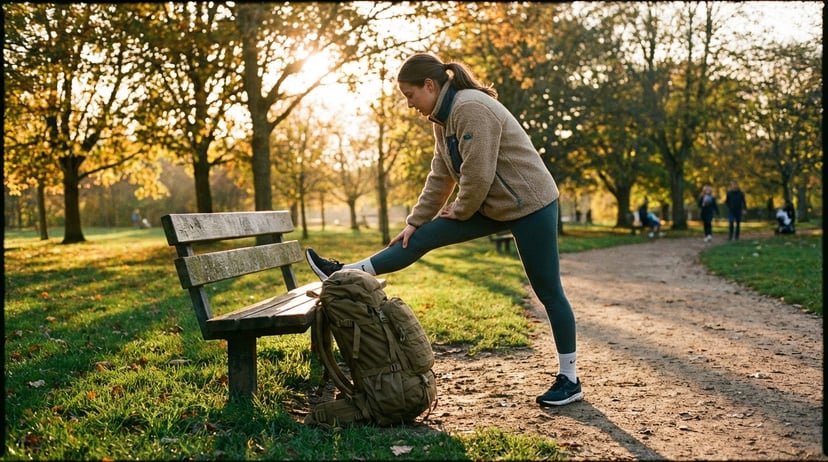
The most common beginner mistake is doing too much too soon. Your breathing may feel fine while your feet, shoulders, and back still need time to adapt.
Your first month progression
If you already walk for 30 minutes comfortably, try a 20-minute outing with 5-10 pounds or less on a familiar, level route. Start with one loaded session per week, adding a second only after stable recovery. Keep at least one unloaded day between rucks and the same light load throughout the first month. These are conservative editorial starting points, not medical thresholds.
If unloaded walking isn't comfortable yet, start with Couch to Ruck. For the week-by-week schedule and recovery checkpoints, use the first 30 days plan. Once that baseline is repeatable, change one factor at a time.
Basic form guidelines
- Keep your shoulders relaxed and avoid hunching forward
- Keep your normal walking stride and avoid long steps
- Walk heel to toe as usual, without stomping
- Brace your core to support the load
Keep the effort conversational: you should be able to talk in full sentences.
Starter kit at a glance
Three items are enough to start. Use what you already own when it fits, and skip the rest for the first month.
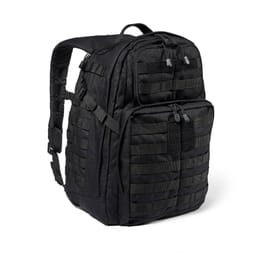
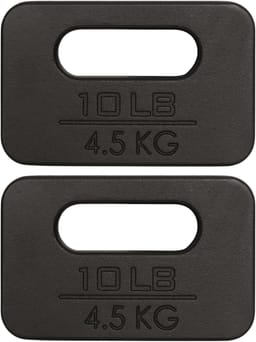
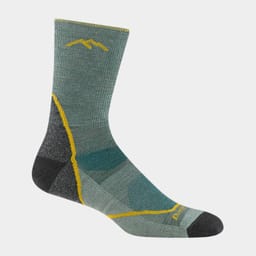
The pack carries the load. The plate keeps it steady. The socks help prevent blisters. Add water and anti-chafe gear as your sessions get longer. A GPS watch, headlamp, or trekking poles can wait.
Common beginner questions

"Will I look odd?" Maybe, but weighted backpacks are more common than they used to be. Most people will not pay much attention.
"Is it safe for my back?" That depends on your current symptoms, health, pack fit, and training load. A pack increases demand on the trunk and back, so start with a short, light session only if ordinary walking is comfortable. Stop if pain builds or changes your gait. Severe or persistent pain, pain after trauma, pain that travels down a leg, numbness, or weakness needs medical assessment. New bowel or bladder control changes or numbness around the groin needs urgent care. See is rucking bad for your back? for a fuller safety guide.
"Do I need to join a group?" No. Rucking can be a solo outing. If you'd enjoy company, use the Club Finder, then confirm the organizer's current meetup details and beginner expectations.
"What if I have knee problems?" Walking usually has lower impact per step than running, but a pack adds load and may change gait. That does not establish that rucking is safe for a specific knee condition. Discuss an existing injury or persistent pain with a healthcare professional before adding weight.
How to make rucking part of your routine

Some people make rucking part of a normal day. They walk to a coffee shop, use the pack for errands, or ruck while they think through a problem.
A 30-minute neighborhood ruck needs little setup and can fit before work, during lunch, or in the evening.
What to try after the basics
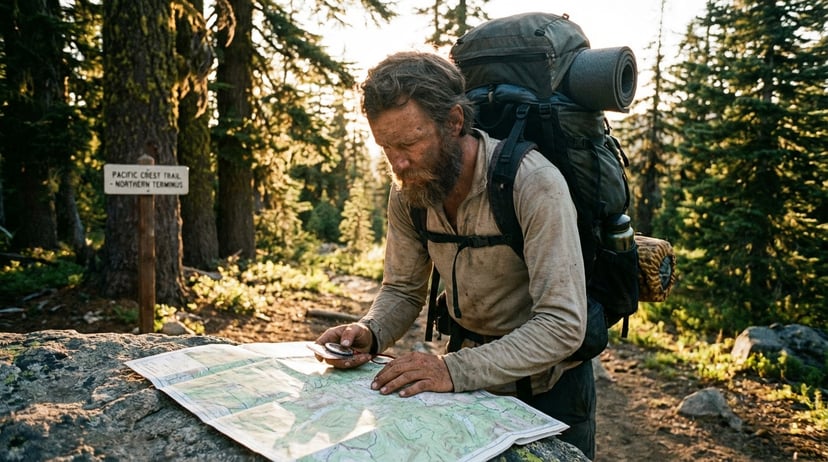
After the first month, you can use rucking to train for an overnight hike. You can also join a ruck event or race. The carrying strength may help with other sports.
These options are not required. Plenty of people ruck 2-3 times per week for years. Rucking can stay simple or support harder outdoor goals.
Frequently asked questions
Start with 5-10 pounds, or less, and keep that load for the first month. Use a lower calculator result when it applies. Begin unloaded if you are inactive, returning from injury, or cannot keep a normal gait, then change one variable at a time.
Yes, if it is sturdy, fits comfortably and keeps a light load secure. Check the bag's stitching and load rating. Stop or change the setup if it sags, rubs or lets the weight bounce.
If you already walk 30 minutes comfortably, try 20 minutes on familiar, level ground with 5-10 lb or less. Keep the same light load for the first month and add time according to recovery. Begin unloaded if ordinary walking isn't comfortable.
Rucking may be easier to learn because the movement is still walking. Its per-step impact is usually lower than running, but the pack adds force and training demand. Comparative injury-incidence evidence is too limited to claim that rucking has a lower injury risk. Running often uses more energy per minute at typical training intensities, so the better choice depends on your goals, health, and which activity you can progress without pain.
Books, water bottles, canned goods, or bags of rice work for a first ruck. Wrap them in towels to stop shifting and noise. A ruck plate gives you a flat, steady load if you keep training.
You can ruck anywhere you can walk safely: a neighborhood, park, hiking trail, shopping center, or treadmill. Outdoor routes may add the mental health benefits of time in nature. Indoor routes work when weather or safety is a concern.