Gear Review
7 Recovery Tools That Actually Help Between Rucks
The best compression socks, knee sleeves, calf sleeves, and recovery gear for ruckers. What the research actually says, plus our top picks at every price point.

On this page9 sections
- Best compression socks: CEP Allday Merino. 20-30 mmHg, medical-grade, typically $25-50 per pair.
- Best firm-fit performance socks: Swiftwick ASPIRE Crew. USA-made, firm compression fit, usually under $25 per pair.
- Best knee sleeve: Incrediwear Knee Sleeve. Heat-activated circulation tech, typically $50-150.
- Best recovery sandals: OOFOS OOriginal. 37% more impact absorption than standard foam, typically $50-150.
- Compression helps recovery more than performance. Wear them after rucks, not just during.
Which Recovery Tools Help
Compression gear marketing is intense: faster recovery, reduced fatigue, injury prevention, magical performance gains. The reality? Compression gear is useful - but not for the reasons most marketing copy suggests.
Some people report that compression garments feel supportive or reduce perceived soreness, while evidence for performance and recovery outcomes is mixed. This guide compares product type, pressure rating, fit, and published claims without treating compression as an injury treatment.
The Two Budget Tiers
CEP provides graduated post-ruck compression; Swiftwick ASPIRE Crew and Darn Tough are close-fitting performance socks for use during training.
A group of optional recovery products: compression socks, foam roller, sandals, knee sleeve, and massage gun. Buy only the tools you already know you will use; lifespan varies.
Head-to-Head: Top Alternatives

CEP Allday MerinoResearch-based
Allday Merino Compression Socks
Medical-grade 20-30 mmHg graduated compression with Merino wool comfort. The gold standard for rucking compression socks.

Swiftwick ASPIRE CrewResearch-based
ASPIRE Crew Cycling Socks
USA-made ASPIRE Crew cycling socks with a firm compression fit and moisture-wicking synthetic construction. They are close-fitting performance socks for activity, not medical graduated-compression recovery socks.

Darn ToughResearch-based
Darn Tough Light Hiker Micro Crew
A 43% merino, 54% nylon, 3% Lycra blend with light cushioning, knit in Vermont and backed by Darn Tough's unconditional lifetime guarantee. Check the current warranty terms before submitting a claim.

IncrediwearResearch-based
Knee Compression Sleeve
Uses semiconductor-embedded fabric activated by body heat instead of traditional graduated compression. Claims 22% increase in blood flow at rest.

OOFOS OOriginalResearch-based
OOriginal Recovery Sandals
OOfoam absorbs 37% more impact than standard foam. Contoured footbed with real arch support. The go-to post-ruck recovery sandal with 100K+ Amazon reviews.

TriggerPoint GRIDResearch-based
GRID Foam Roller
A 13-inch foam roller with a multi-density surface and rigid hollow core. Its short length makes it easier to pack but less suitable for full-back rolling.

LifePro SonicResearch-based
Sonic Massage Gun
Budget massage gun with a lifetime warranty. 5 speed settings, 8 attachment heads, and 6+ hour battery. Does 90% of what a Theragun does for a quarter of the price.
What the Research Says About Compression
Compression garments show consistent evidence for perceived recovery and reduced delayed-onset muscle soreness (DOMS), particularly in the 24-48 hour window post-activity. Performance benefits during activity are less supported.
There is no universal compression pressure for rucking. Medical graduated compression has indications and contraindications, so ask a clinician about pressure and wear time if you have circulation, skin, nerve, swelling, or clotting concerns. A close-fitting performance sock is not the same product.
When to Actually Wear Compression
A firm-fitting performance sock can feel supportive during a ruck, but it is not medical graduated compression and is not proven to improve performance. For post-exercise compression, follow the product instructions and any clinical guidance rather than a universal pressure or wear-time rule.
The Recovery Stack That Works
For ruckers training 2-3x per week: compression socks for 2-4 hours post-ruck, foam roller 3-4x per week for 90 seconds per muscle group, recovery sandals for 30-60 minutes immediately post-ruck, massage gun for 1-2 minutes per leg (optional), and a knee sleeve if you have pain or instability. Total investment is around $200-245 and lasts 2-3 years.
Prevention Beats Recovery
The best recovery is one you don't need. Before investing in compression and massage guns, make sure you're wearing good rucking shoes, building foot and ankle strength, programming smart progressions, and fixing movement quality. Compression socks won't fix bad form. Massage guns won't replace sleep.
Start with the fundamentals: Best Rucking Shoes by Terrain →
Side-by-Side Comparison
All picks at a glance - specs, ratings, and where to buy. How we rate →
| Product | Best For | Price | Our Rating | Buy |
|---|---|---|---|---|
| Serious ruckers who want the best compression sock available. Especially good for recovery after heavy carries. | $25-50 | Shop at Beyond Running · $25-50 | |
| Ruckers who prefer a firm-fitting, lightweight performance sock during training. | Under $25 | Shop at Amazon · Under $25 | |
| Ruckers who prefer a flexible knee sleeve; it is not a diagnosis or treatment for persistent knee pain. | $50-150 | Shop at Amazon · $50-150 | |
| Post-ruck recovery. Slip these on after every ruck to give your feet immediate relief. | $50-150 | Shop at OOFOS Men's · $50-150 | |
| Ruckers who already find foam rolling useful for short self-massage sessions. | $25-50 | Shop at Amazon · $25-50 | |
| Ruckers who want percussion massage without the premium Theragun price tag. Good enough for most recovery needs. | $50-150 | Shop at Amazon · $50-150 |
What Helps Recovery
Compression gear works best for recovery, not performance. The CEP Allday Merino is the best graduated-compression sock for serious ruckers. The lower-priced Swiftwick ASPIRE Crew is a firm-fit performance sock for the ruck itself, not a medical recovery sock. For the full recovery stack - rated compression socks, foam roller, recovery sandals, knee sleeve, and massage gun - budget about $200-250.
Frequently Asked Questions
For recovery, yes. Wearing 20-30 mmHg compression socks for 2-4 hours after rucking consistently reduces perceived soreness. For performance during the ruck, the evidence is much weaker.
Immediately after rucking for 2-4 hours is the most evidence-supported approach. Many ruckers also wear them all day on recovery days.
20-30 mmHg for recovery. Below 15 mmHg provides minimal benefit. Above 40 mmHg requires medical fitting.
If you get foot soreness after rucks, yes. OOFOS provides 37% more impact absorption than standard foam. Wear them for 30-60 minutes immediately post-ruck.
Both serve different purposes. A foam roller is better for broad muscle release (calves, shins). A massage gun is better for targeted knots and quicker sessions. If you can only buy one, start with the foam roller.
Related Articles

Best Rucking Gear in 2026: Our Top Picks Across Every Category
The best rucking packs, plates, shoes, and accessories - ranked, scored, and updated monthly.
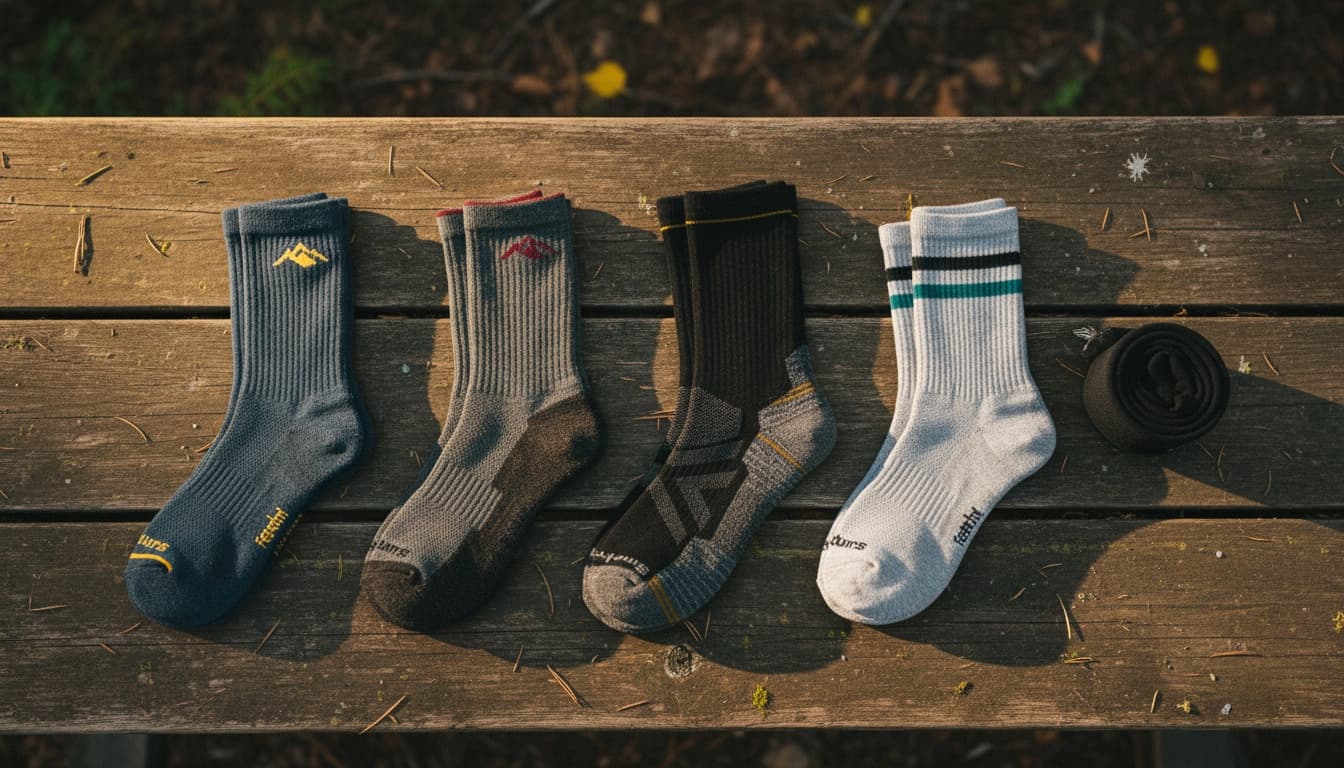
Best Rucking Socks (2026): Blister Prevention Under Load
Seven rucking socks compared for merino content, cushion placement, and blister prevention at 30+ lb loads. Covers Darn Tough, Smartwool, Feetures, Swiftwick, Injinji, and the two-sock system.
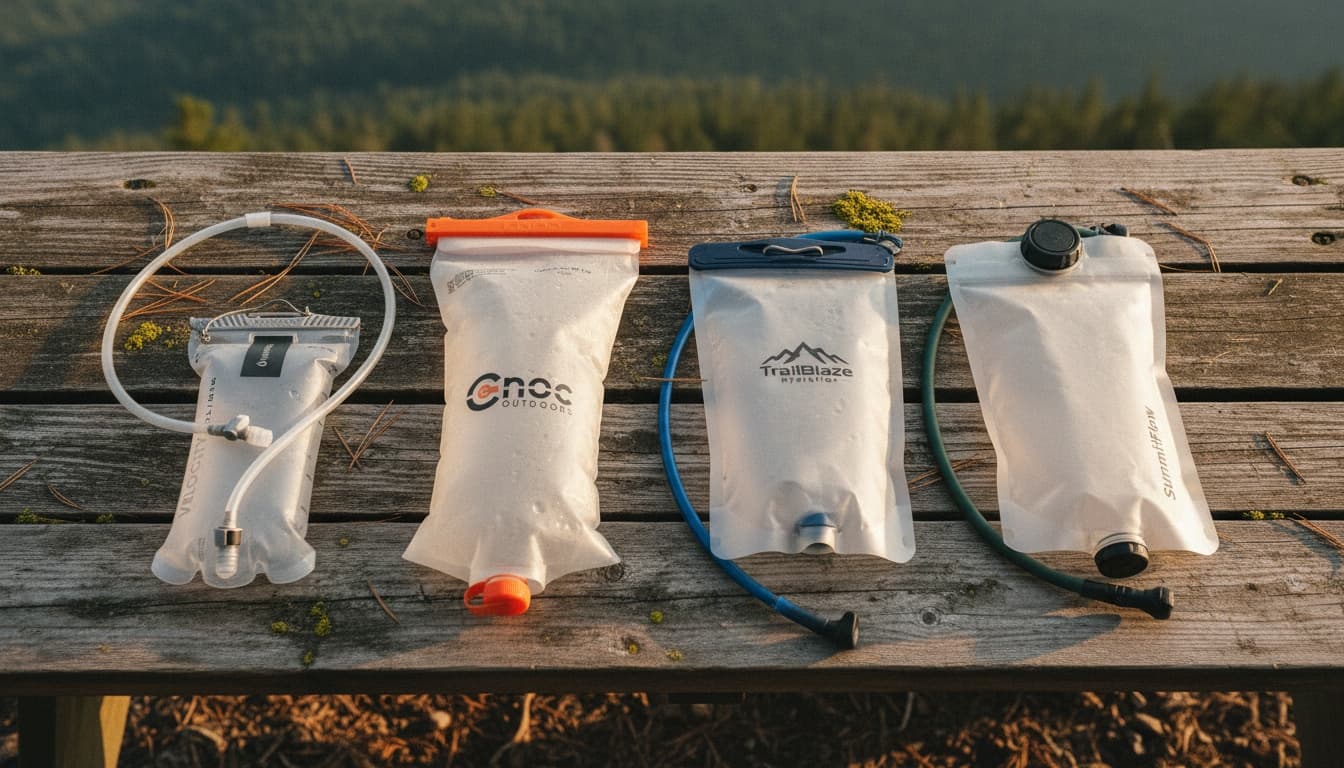
Best Hydration Bladders for Rucking in 2026
Best hydration bladders for rucking in 2026. Durable, leak-proof bladders that handle weighted movement and heavy breathing during long ruck marches.
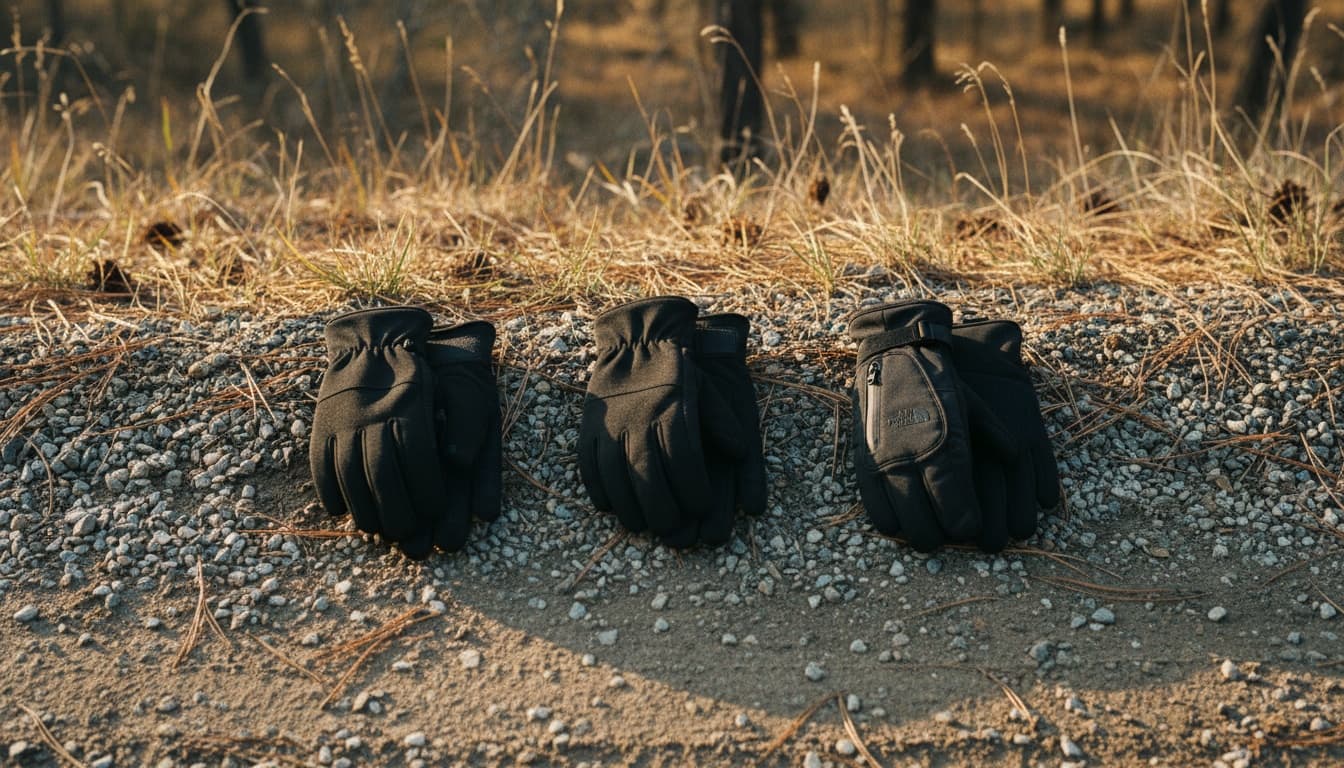
Best Cold Weather Gloves for Rucking in 2026
Find the best rucking gloves cold weather conditions with our analysis of grip, warmth, and durability for winter ruck training sessions.