Gear Review
Best Cold Weather Gloves for Rucking
Compare three cold-weather rucking gloves, the Kinco 901, REI Co-op Flash Power Wool and North Face Denali Etip, by warmth, grip, dexterity and moisture control.
On this page11 sections
- Quick Picks
- Why Cold Weather Rucking Demands Specific Gloves
- Benchmark: Kinco 901 Pigskin Gloves
- Budget Tiers
- Price vs Performance
- Head-to-Head
- REI Co-op Flash
- The North Face Denali
- Temperature Zones and Insulatio...
- Grip Technology and Pack Strap...
- Breathability and Moisture Mana...
- Dexterity Preservation for Esse...
- Choose Gloves for the Weather
- FAQ
- Freezing conditions and heavy strap work: Kinco 901, a pigskin leather glove with heavyweight Heatkeep insulation and a Nikwax packet in the box.
- Moderate cold with a phone: REI Co-op Flash Power Wool, a Polartec Power Wool blend with a rubberized palm pattern and touchscreen thumb and fingertips.
- Dexterity and touchscreen use: The North Face Denali Etip, a recycled fleece glove with Etip thumb and index finger and a water-repellent back.
- Prioritize gloves that keep control of pack straps and buckles over maximum insulation thickness.
Choose Gloves for Cold-Weather Rucking
A rucking glove has to keep your hands warm and still let you work buckles, zippers and wet webbing. Thick ski gloves can be warm but clumsy under load, and thin liners keep dexterity but run out of warmth as the temperature drops. If you have to pull a glove off every time you adjust a strap, the glove is wrong for the route.
This is a research-based guide built from manufacturer specifications; we have not tested these gloves. The Kinco 901 is the insulated leather pick for freezing conditions and heavy strap work. The REI Co-op Flash Power Wool and The North Face Denali Etip are lighter touchscreen gloves for moderate cold.
The Benchmark: Kinco 901 Lined Pigskin Ski Gloves
Best OverallResearch-based
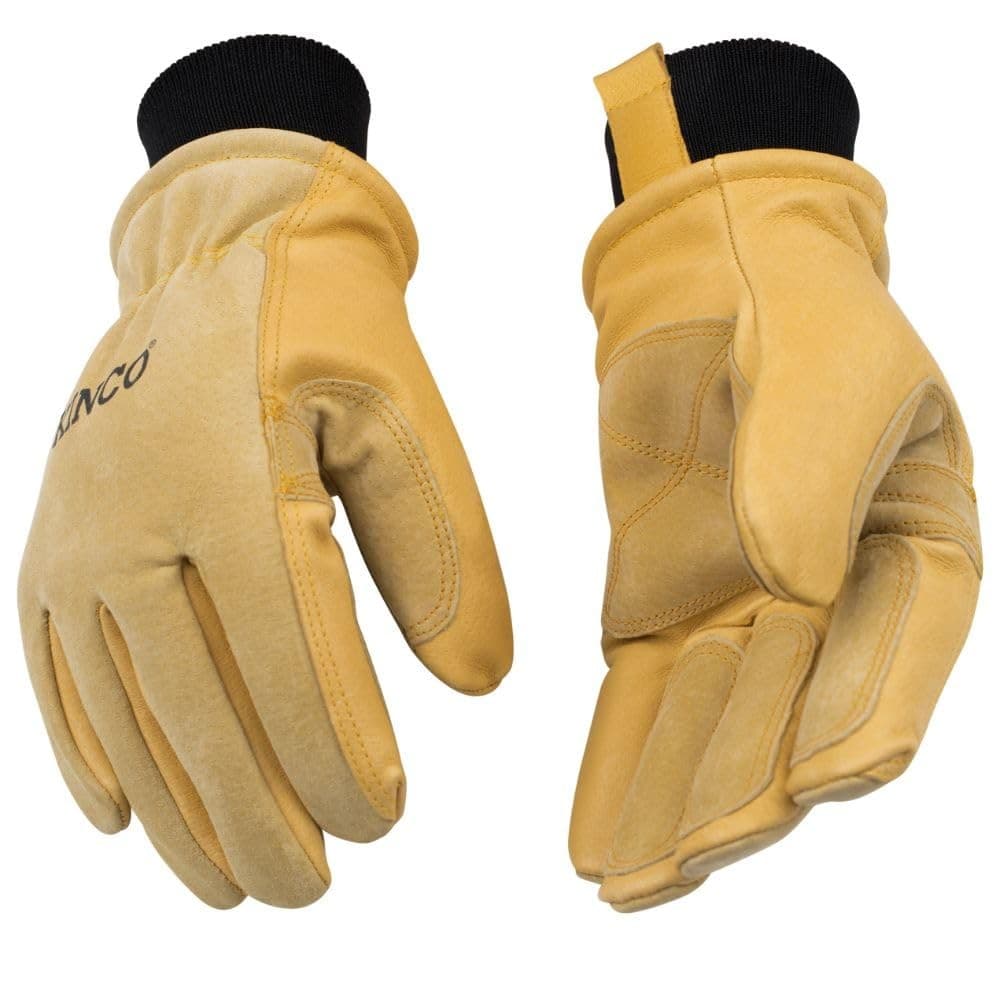
901 Lined Pigskin Ski Gloves
Kinco's current 901 is a lined thermal ski and work glove, not an unlined utility glove. Pigskin leather, heavyweight Heatkeep insulation, a knit wrist, and included Nikwax make it a practical option for cold loaded miles and winter gear handling.
The Three Budget Tiers
Pigskin leather over heavyweight Heatkeep insulation, for freezing conditions and repeated pack-strap handling. It is bulkier than the fleece and wool picks for phone and fine buckle work.
Lighter gloves that prioritize touchscreen use and dexterity in moderate cold.
Repurpose existing wool socks or basic work gloves you already own as emergency backup gloves.
Price vs Performance Matrix
| Product | Price | Rating | Material | Best For |
|---|---|---|---|---|
| The North Face Denali Etip Gloves | $50-150 | 7/10 | Recycled polyester fleece | Touchscreen use in moderate cold |
| REI Co-op Flash Power Wool Gloves | $25-50 | 7.5/10 | Wool blend (Polartec Power Wool) | Touchscreen use and palm grip in moderate cold |
| Kinco 901 Pigskin Gloves | $25-50 | 7.9/10 | Pigskin leather, Heatkeep insulation | Grip and warmth in freezing conditions |
Head-to-Head: Top Alternatives
REI Co-op FlashResearch-based
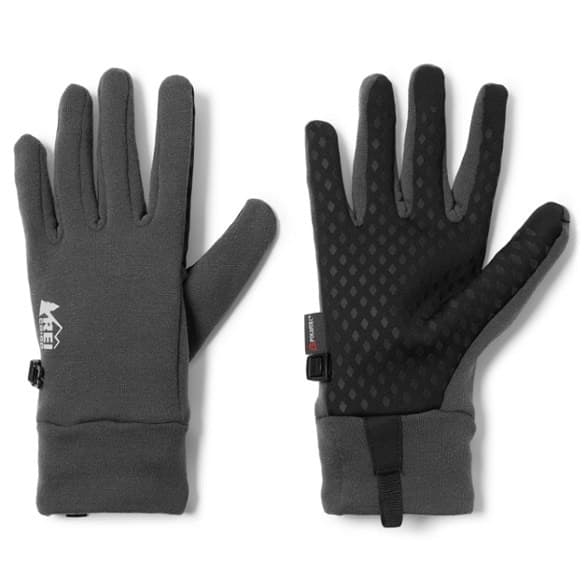
Flash Power Wool Gloves
REI's Flash Power Wool glove uses a Polartec Power Wool blend (47% wool, 42% nylon, 11% spandex) with a rubberized palm pattern and touchscreen-compatible thumb and fingertips. A lighter glove for moderate cold.
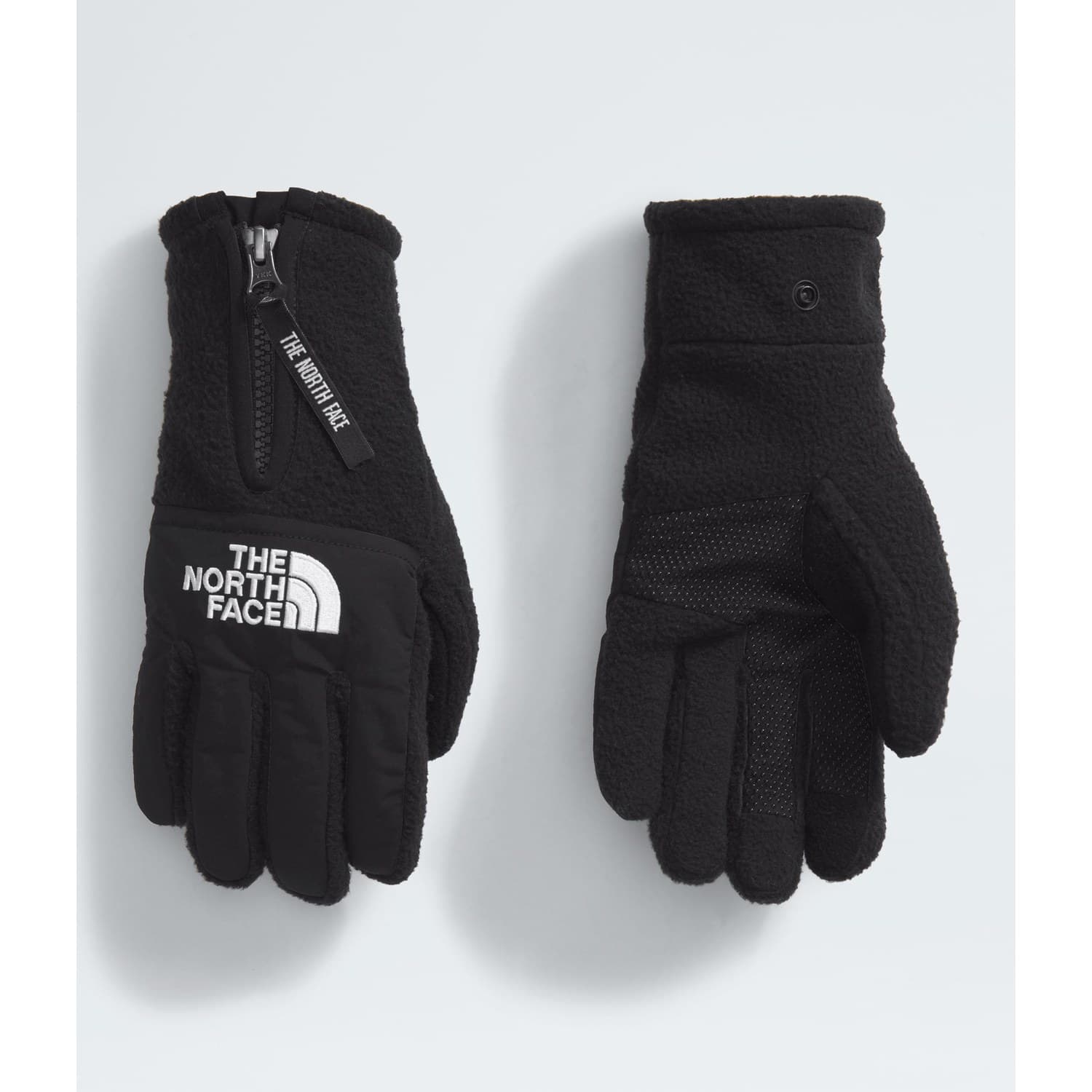
The North Face DenaliResearch-based
Denali Etip Gloves
A recycled polyester fleece glove with a water-repellent nylon back and Etip touchscreen thumb and index finger. Suited to moderate cold and quick phone use.
Temperature Zones and Insulation Requirements
Start with the conditions you actually train in. In mild cold (35-45°F), wind resistance and light insulation may be enough once you are moving. Moderate cold (20-35°F) usually calls for more insulation while still allowing sweat to escape.
Below 20°F, warmth and dexterity become harder to balance. Mittens retain heat well but make strap adjustments and navigation harder. An insulated, wind-resistant glove with room for a thin liner is often the more flexible setup. Carrying a dry backup pair or hand warmers adds a margin of safety on remote routes.
Wind and moisture matter as much as the temperature reading. Dry cold can favor lighter, more breathable gloves. Wet snow, freezing rain or strong wind calls for better weather protection, even if that reduces breathability.
Grip Technology and Pack Strap Control
Check the palm before buying. A smooth shell can make wet webbing and metal hardware harder to hold. Textured leather, synthetic leather or rubberized panels give you more control when tightening straps or opening buckles.
Pigskin is common in cold-weather work gloves because it is flexible and provides useful grip. Treated leather also tends to soften with use. It still needs time to dry after wet sessions, and care requirements vary by manufacturer; Kinco includes a Nikwax waterproofing wax packet with the 901.
Synthetic options are lighter and easier to care for. Rubberized overlays can grip well, though repeated contact with rough webbing may wear them down. Textured synthetic leather offers another useful middle ground.
Look for reinforcement on the index finger and thumb as well as the palm. Those areas take most of the wear from buckles, zippers and strap adjustments.
Breathability and Moisture Management Systems
Overinsulated gloves can become wet from the inside. That moisture feels cold when your pace slows or you stop. Choose enough insulation for the conditions, but leave room for heat and sweat to escape.
Wool linings manage odor well and can remain comfortable when damp. Synthetic insulation often dries faster. Either can work; fit and insulation level matter more than the fiber name alone.
Waterproof-breathable membranes help in wet snow and freezing rain, but they usually feel less breathable than gloves without a membrane. That tradeoff makes more sense in wet conditions than in dry cold.
Removable liners are useful when gloves need to dry overnight. On hard climbs, loosening the cuff or briefly removing a glove can also release heat before sweat builds up.
Dexterity Preservation for Essential Tasks
You should be able to operate a buckle, zipper, phone and navigation device without removing your gloves. If you cannot complete those basic tasks, the glove is too bulky for the route or needs to be paired with a thinner liner system.
Pre-curved fingers reduce bunching when you close your hand around a strap. Try the gloves with a pack if possible; the label cannot tell you whether the finger length and palm shape fit your hand.
Articulated knuckles can also improve movement, especially in insulated gloves. Check that the seams do not press against your fingers when you grip a strap.
Touchscreen fingertips are helpful for quick checks, but they are rarely as precise as bare fingers and may wear over time. The REI Flash Power Wool works on the thumb and fingertips; the Denali Etip on the thumb and index finger. The Kinco 901 has no touchscreen feature.
Side-by-Side Comparison
All picks at a glance - specs, ratings, and where to buy. How we rate →
| Product | Best For | Price | Our Rating | Buy |
|---|---|---|---|---|
| Cold-weather ruckers who need insulated leather grip for pack straps, poles, and winter gear handling. | $25-50 | Shop at Amazon · $25-50 | |
| Budget-conscious users seeking warm, touchscreen-compatible gloves for light winter activities and everyday wear. | $25-50 | Shop at REI · $25-50 | |
| Outdoor enthusiasts needing moderate cold weather protection with reliable touchscreen access for navigation and communication. | $50-150 | Shop at Amazon · $50-150 |
Choose Gloves for the Weather
For freezing rucks and heavy strap work, start with the Kinco 901: heavyweight insulation under a pigskin leather shell is the warmest build here, and it sits in the same price band as the REI glove. Choose the REI Co-op Flash Power Wool or The North Face Denali Etip for moderate cold when you want to use a phone without taking a glove off. Carry a dry spare pair on long winter routes.
Frequently Asked Questions
It depends on the cold and the job. The Kinco 901 pairs pigskin leather with heavyweight Heatkeep insulation for freezing conditions and heavy strap work. The REI Co-op Flash Power Wool uses a Polartec Power Wool blend with a rubberized palm pattern and touchscreen fingertips for moderate cold. The North Face Denali Etip is a recycled fleece glove with touchscreen thumb and index finger for lighter cold and phone use.
The Kinco 901 and REI Co-op Flash Power Wool sit in the same $25-50 band; The North Face Denali Etip is in the $50-150 band. Kinco trades touchscreen use for insulated leather and grip, so pick by the conditions rather than a few dollars.
Yes. Both the Kinco 901 and the REI Co-op Flash Power Wool sit in the $25-50 band. For an emergency backup, a pair of basic work gloves over a thin liner, or even a spare pair of wool socks worn as mittens, gives you a dry option without a new purchase.
Start with the conditions and the tasks. For phone use on the move, prioritize touchscreen fingertips like the Denali Etip or REI Flash Power Wool. For freezing conditions and heavy strap work, prioritize insulation and palm grip like the Kinco 901. Whatever you choose, make sure you can work a buckle and a zipper with the gloves on.
Related Articles
GORUCK Rucking Weight Vest Review: Three Weeks at 20 lb
My GORUCK Rucking Weight Vest review after three weeks at 20 lb: secure curved plates, L/XL fit limits, phone pocket, heat and plate installation.

Best Rucking Gear 2026: Top Picks by Category
Our top rucking pick in every category for 2026: pack, plate, trail shoe, socks, a budget setup and women's gear, with links to the full guide behind each pick.
GORUCK Achilles 30 lb Weighted Vest: Hands-On Review
My hands-on review of the 30 lb GORUCK Achilles: quick dog walks, flexible sewn-in weight, fit adjustment, pellet noise and shoulder fatigue.
Best Hydration Bladders for Rucking in 2026
Four hydration bladders for rucking compared on capacity, valve, cleaning and pack fit: Source WXP 3L, Platypus Big Zip EVO, CamelBak Crux 2L and HydraPak Contour 3L.