Skip to content
Built for Rucking through summer heat (90°F+)

Summer Heat

When the heat index climbs past 90°F, the smart move is dropping weight and upgrading hydration - not stacking another plate on a sweat-soaked back. The summer kit prioritizes finishing safely over hitting a weight target. 3L hydration vest, mesh-upper shoes, the electrolytes most ruckers underdose, no plate.

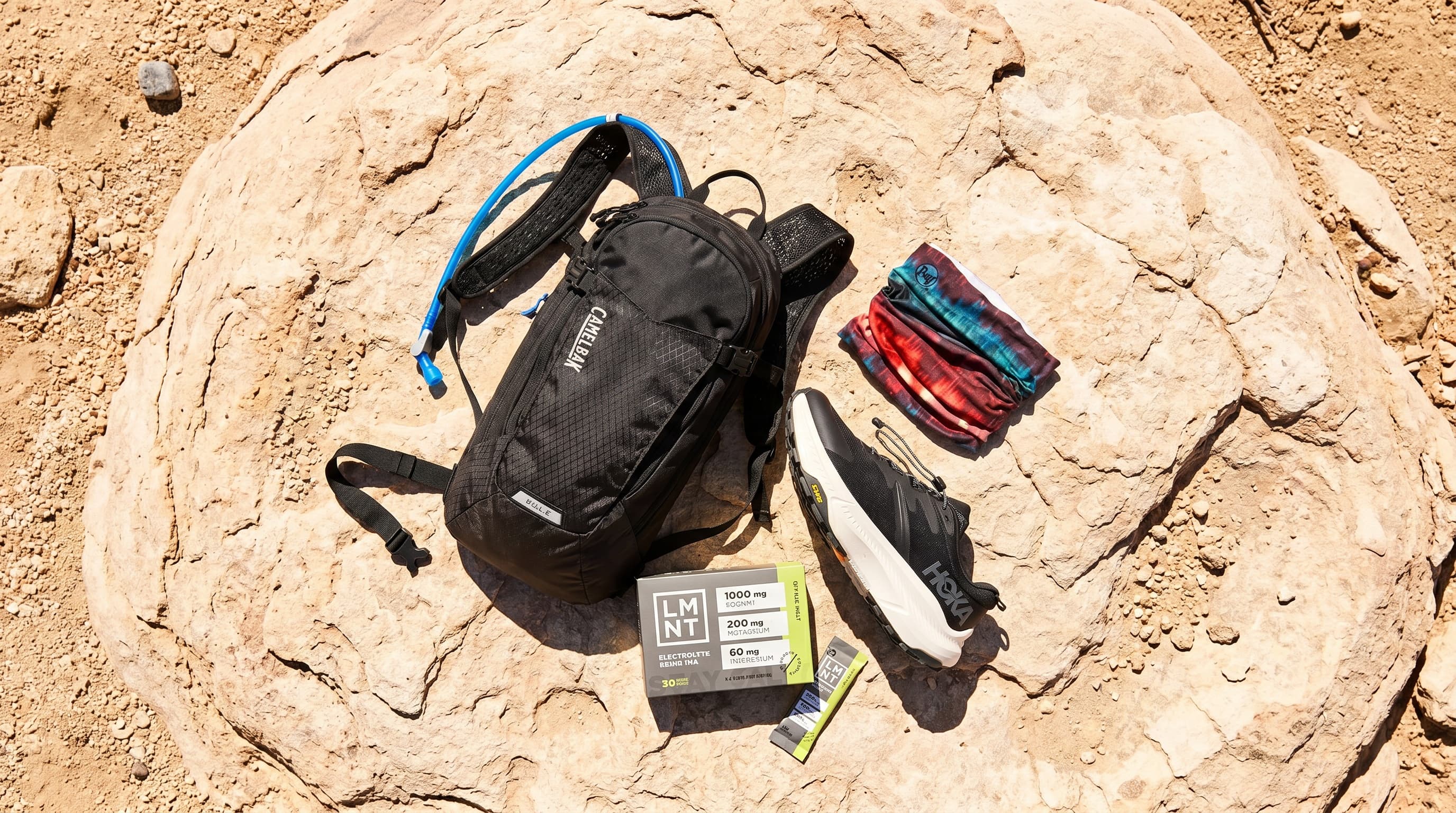
Summer Heat kit flat lay

Gets most people through July without quitting. Hydration vest, mesh-upper shoes, electrolytes that actually replace what you sweat. No plate - your load is the bladder + gear.

Kit total
$300-500
See & add the kit

Grab the essentials - one click (2)

No size or options to pick on these - send them all to your Amazon cart in one tap, or add each individually.

CamelBak M.U.L.E. 12L hydration pack
★ Start here
pack$50-150
CamelBak M.U.L.E. 12L
12L cargo + 3L Crux bladder. Air Director back panel actually ventilates. Bladder + gear becomes your load (~10-12 lb).
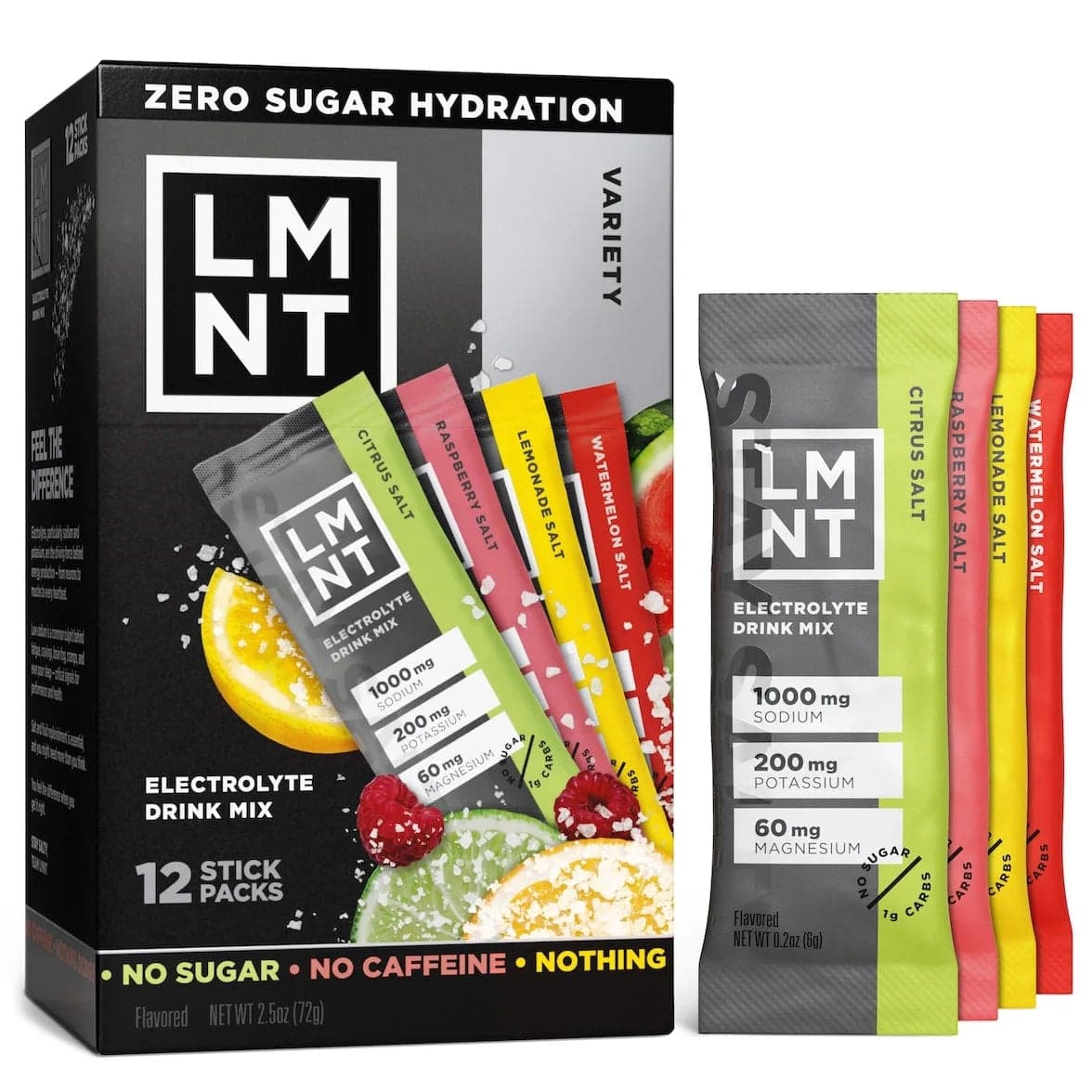
LMNT Zero Sugar Electrolytes Variety Pack drink mix
nutrition$25-50
LMNT Zero Sugar Electrolytes Variety Pack
1000mg sodium per stick. Roughly what you lose per hour in 90F+.

Your picks - choose size & options on Amazon

These come in sizes or styles, so you pick yours on Amazon - tap each to choose your fit.

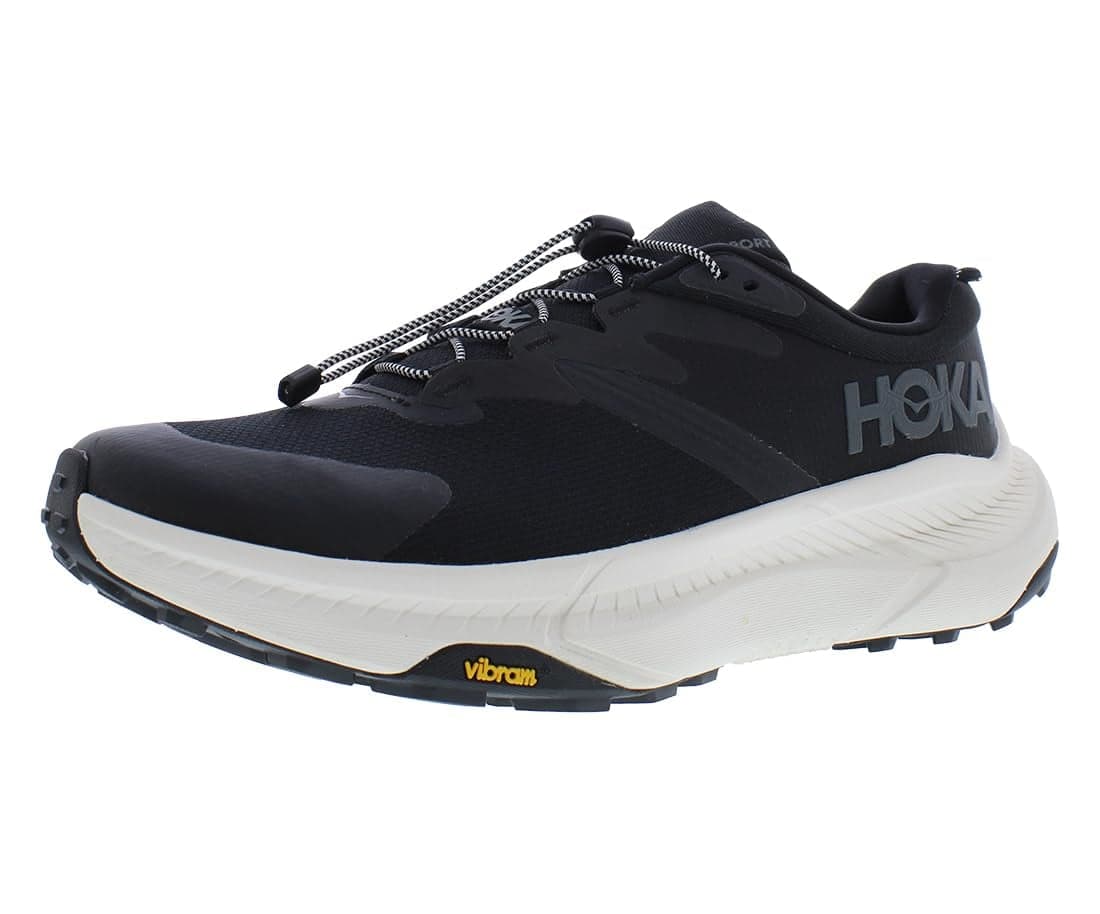
Hoka Transport commuter walking shoe
shoes$150-300
Hoka Transport
Mesh upper lets heat escape. Daily-driver for hot-pavement rucks.
Choose fit
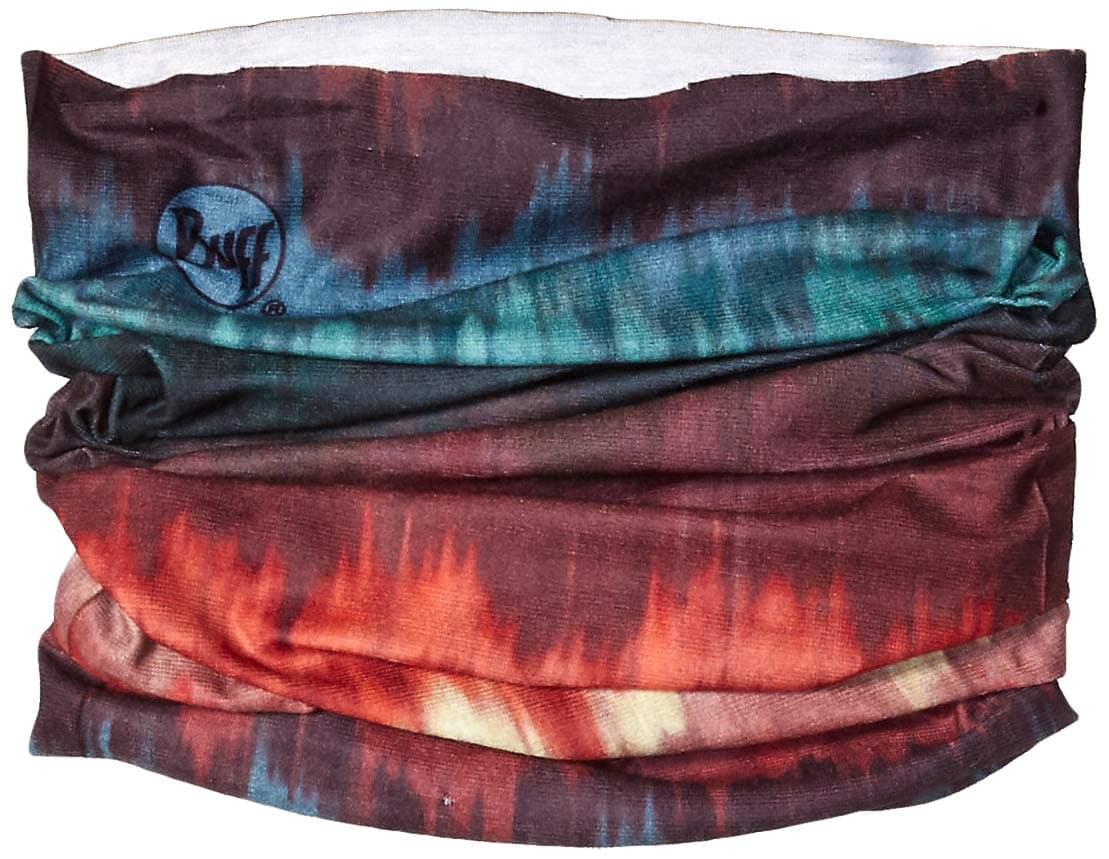
BUFF Original Multifunctional Headwear tube - worn as headband, neck gaiter, or hair tie
apparel$25-50
BUFF Original Multifunctional Headwear
Sun + sweat one-piece. Damp it for evaporative cooling on the back of your neck.
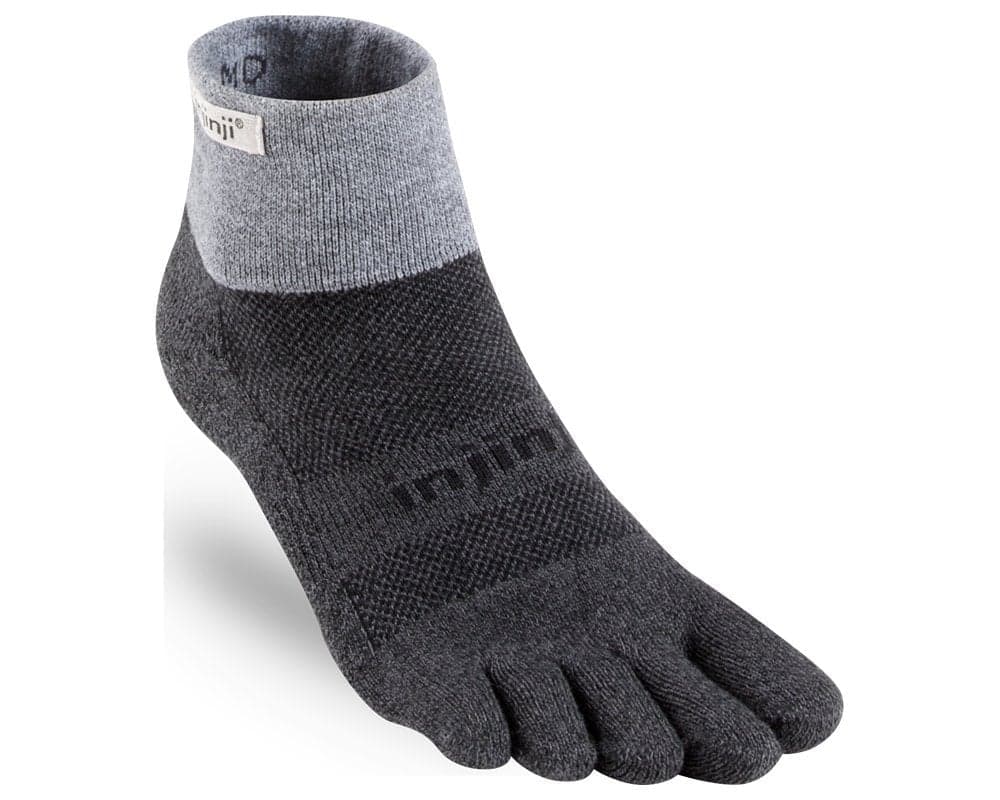
Injinji Unisex Trail Midweight Crew Xtralife
socksUnder $25
Injinji Unisex Trail Midweight Crew Xtralife
Toe socks prevent between-toe blistering that wrecks summer rucks.

Why this kit

Rucking in summer heat isn't the same activity as rucking in fall. The first thing that fails is hydration - not because you don't have water, but because the bottle is in your pack and you don't drink often enough. The second thing that fails is your feet, swelling inside a non-breathable shoe and blistering at the seams. The third is your head, baking under sun for 60+ minutes without realizing the cumulative load. None of this is dramatic in the moment. It's why summer-heat ruckers quit at week three.

The fourth failure mode is the one nobody talks about: the load itself. Heat stress raises your cardiovascular cost at the same weight - a 30 lb plate in 95°F feels like 40 lb in 65°F. Stacking a plate on a Mule-style hydration vest also doesn't work mechanically - these packs ventilate well precisely because they don't have a rigid plate pocket against your spine. So this kit deliberately doesn't include a plate. Your load is the 3L bladder + the gear in the cargo compartment - roughly 10-12 lb practical when the vest is full. That's the right summer load. The fall training pattern resumes when ground temp drops.

This loadout fixes the failure modes specifically. The Camelbak Mule 12 puts a 3L bladder on your back with a hose at your collarbone - you sip every 5 minutes without thinking about it. The Hoka Transport (Standard) and Hoka Bondi 9 (Premium) both have mesh uppers that actually let heat escape, unlike the leather/synthetic uppers most tactical "ruck shoes" use. The BUFF on your head + neck shades the most sun-exposed surface of your body without trapping heat like a beanie. LMNT replaces the sodium you sweat out - 1000mg per stick, which is roughly what you lose in 30 minutes of hard summer rucking.

The Standard tier is what gets most people through July without quitting. The Premium tier adds the Garmin Instinct 3 Solar (heat-stress HR tracking is real - your HR will be 10-15 BPM higher than usual for the same pace, and you need to see that) and bumps to the Hoka Bondi 9 for the road ruckers logging serious mileage on hot pavement.

What this kit is NOT for: cold-weather training (use the standard kits), GORUCK events (use the Event Day kit - cadre check specific items, plate included), heavy-load training (use any of the plate-pocket kits with a vented pack), or anyone training under 60°F (the breathability becomes a heat-retention problem in cool weather). This is specifically the "ground temp is 110°F and rising, today is about finishing safely" kit.

Questions

Why a hydration vest instead of just a bottle in my pack?+
Behavioral: if you have to stop and pull a bottle out, you drink every 20-30 minutes instead of every 5. The bladder + hose at your collarbone makes sipping automatic. In 90°F+ heat you need 24-32 oz per hour of moderate rucking - bottle-in-pack ruckers consistently log half that and end up with a headache by mile 3. Not because they don't have water; because they don't drink it.
How much should I actually drink?+
Roughly 1L per hour of rucking when the heat index is over 85°F, more when it's over 95°F. The 3L Crux bladder in the Camelbak Mule gets you about 3 hours of continuous heat-rucking before you need to refill. For longer outings, plan refill points. For events: pre-hydrate the night before (1L over the evening) and the morning of (500mL with breakfast) - showing up to a hot ruck already dehydrated is a recipe for the early DNF.
Why electrolytes specifically (LMNT vs Liquid IV vs salt tabs)?+
Sodium ratio. LMNT delivers 1000mg sodium per stick - which matches what most adults actually sweat out per hour in summer heat. Liquid IV is roughly half that and front-loads sugar. Salt tabs work but you need to remember to take them every 30 min; LMNT in your water bottle is automatic. Most heat-related ruck DNFs are sodium loss, not water loss - you can have a full bladder and still cramp out if you skip the electrolytes.
Why no plate in this loadout?+
Two reasons. First, mechanically: hydration vests like the Camelbak Mule deliberately don't have rigid plate pockets - that's what makes them ventilate. Putting a plate in the main cargo compartment instead means it slaps against your spine on every step and beats up the bladder. Second, programmatically: heat stress raises your cardiovascular cost at the same load - a 30 lb plate in 95°F feels like 40 lb in 65°F. The summer move is dropping the plate, not finding a new pack that holds it. Use the bladder + gear weight (roughly 10-12 lb when the vest is full) as your load through July. If you're training for a fall event, the conditioning still transfers; you don't need to grind max load in summer to be ready in October. The plate-pocket kits (Beginner Starter Kit, GORUCK Event Day, Polyfit Starter System) resume when ground temp drops.
What if I don't have a Camelbak Mule - can I use a standard pack with a bladder insert?+
Yes, but the back panel matters more than people think. A tactical pack like the 5.11 Rush 24 traps heat against your back even with a bladder inside. The Camelbak Mule (and similar hydration-specific packs from Osprey, Salomon) have ventilated back panels that let air move - the difference is 5-8°F on your back at hour two. If you're sticking with a regular pack, at minimum get a Source WXP or Camelbak Crux bladder and consider an aftermarket mesh back insert.

Read this first