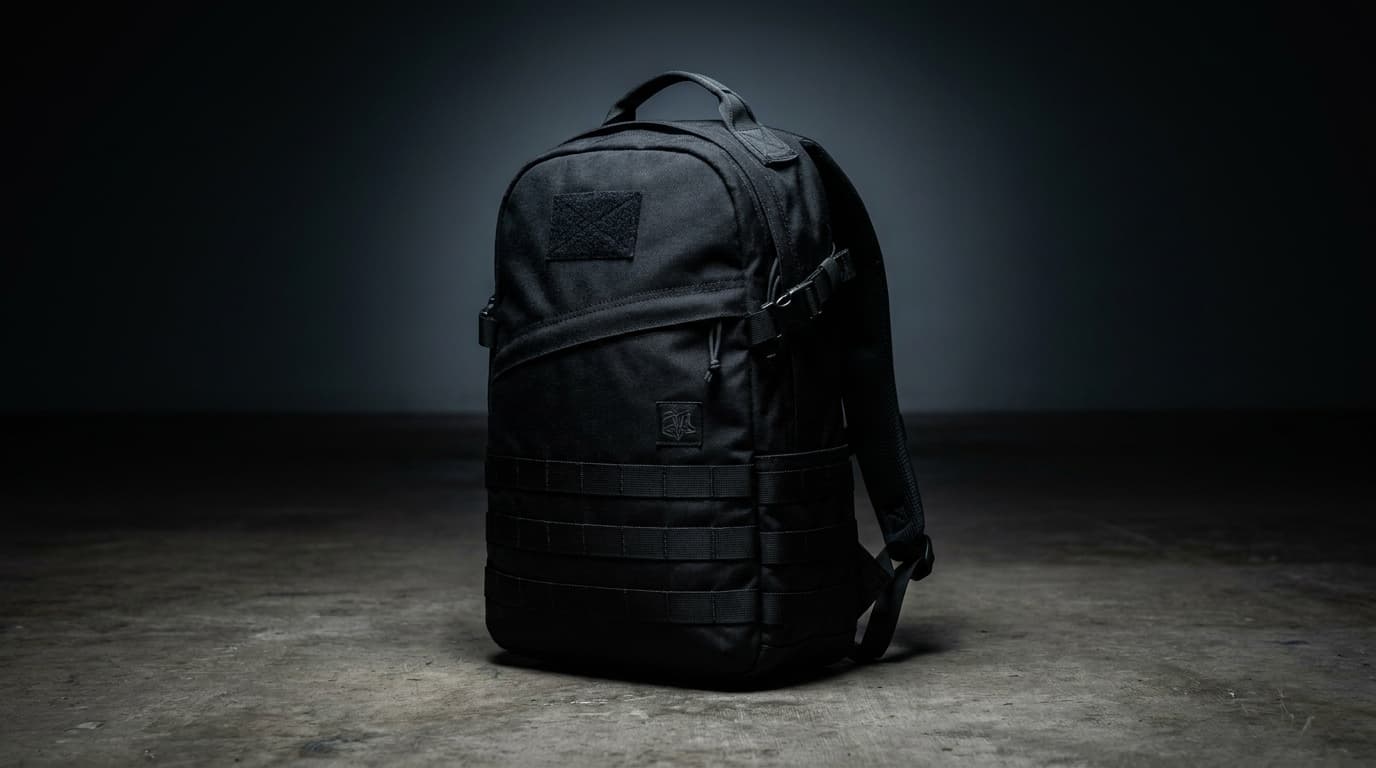
On May 8, 2026, GORUCK released the Rucker 5.0 - the first full overhaul of its flagship rucking pack in roughly a decade. The launch introduces magnetic closures, a completely redesigned lumbar pad, and tighter material choices, in two capacities (20L and 25L) at premium pricing.
According to reporting from HiConsumption and Gear Patrol, this fifth iteration targets the specific failure points the rucking community has been flagging since the 4.0 launched. The question worth asking: do these changes actually fix the right problems, or are they solutions looking for problems?
Analysis based on the manufacturer's published specifications and reporting from HiConsumption and Gear Patrol covering the May 2026 launch.
What's new in the Rucker 5.0

The Rucker 5.0 introduces four meaningful changes to the formula:
Magnetic closures replace interior Velcro pockets. Recessed magnets give one-handed operation, reduced noise (a real issue at GORUCK events and pre-dawn training), and better resistance to debris than Velcro hook-and-loop, which clogs with sand, lint, and pet hair over time.
Redesigned lumbar pad. The new pad uses contoured dual-density foam, 30mm thick, with a recessed center channel shaped to follow the lumbar spine curve and concentrated lateral support along the iliac crests. This replaces the simpler flat pad on the 4.0.
Refined materials spec. 1000D CORDURA on the primary panels (same as the 4.0), 210D HT CORDURA on the back panel, and a 3mm built-in frame sheet to maintain pack shape under heavy plate loads.
Two capacities. 20L and 25L, where earlier Ruckers came in 20L and 25L sizes but with different internal layouts. The 5.0 standardizes the plate pocket geometry across both sizes.
The Rucker 5.0's magnetic closure system represents GORUCK's first major departure from military-style buckle systems that have defined their packs since the original GR1. This design philosophy shift reflects the brand's evolution from purely military-inspired gear toward more civilian-focused functionality.
The magnetic closure gamble

The interior magnetic closures are the most visible departure from GORUCK's traditional approach. Military-style packs have leaned on Velcro and buckles for decades because they work in extreme conditions and they're cheap to manufacture. Replacing the interior Velcro pockets with magnets is a quality-of-life call, not a structural one - the main pack closure is still a heavy-duty YKK zipper and the shoulder straps still use military-grade buckles.
The real-world case for magnets over Velcro is straightforward: Velcro gets noisy, picks up debris, and slowly loses grip strength over years of cycles. Magnets are silent, one-handed, and unaffected by lint or sand in the hook side. The risk worth tracking is long-term magnet retention - magnets do degrade, just on a different timeline than Velcro.
What this means for ruckers specifically is a meaningful upgrade for anyone who trains pre-dawn (Velcro is loud enough to wake a household), anyone doing GORUCK events where silent gear is an unwritten norm, or anyone whose 4.0 Velcro has gotten gunky over time. For everyone else, it's a refinement rather than a deal-maker.
If you're considering the 5.0 primarily for the magnetic closures, think about your actual use cases. Most recreational ruckers rarely need lightning-fast pack access during training.
Lumbar support evolution
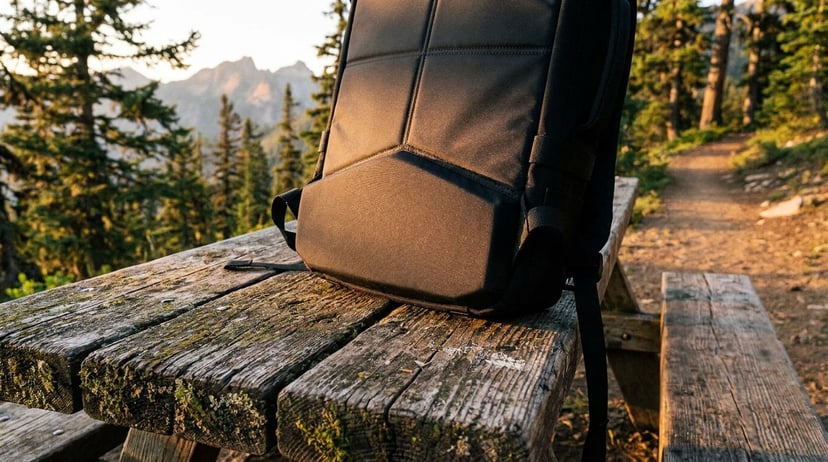
The lumbar pad is the change with the most direct physical impact on how the pack actually carries weight. The 4.0 used a flat pad against the lumbar region - fine for moderate loads but a known pressure-point trigger once you get into the 35-pound-plus range.
The 5.0's pad is contoured, dual-density (firmer perimeter, softer center), 30mm thick, with a recessed center channel that follows the lumbar lordosis instead of pressing flat against it. The lateral edges are firmer to brace against the iliac crest. The geometric idea here is well-trodden in technical hiking packs - Osprey and Mystery Ranch have used variations of this approach for years - but it's new territory for GORUCK.
Whether the pad works as advertised will depend on your spine geometry. A contoured pad designed around a generalized lumbar curve will fit some bodies better than the old flat pad and worse than it fit others. For context, most ruckers start with 15-20 pounds but progress to 35-50 pounds for advanced training - which is exactly the weight range where the redesign should pay off.
Does it address real problems?
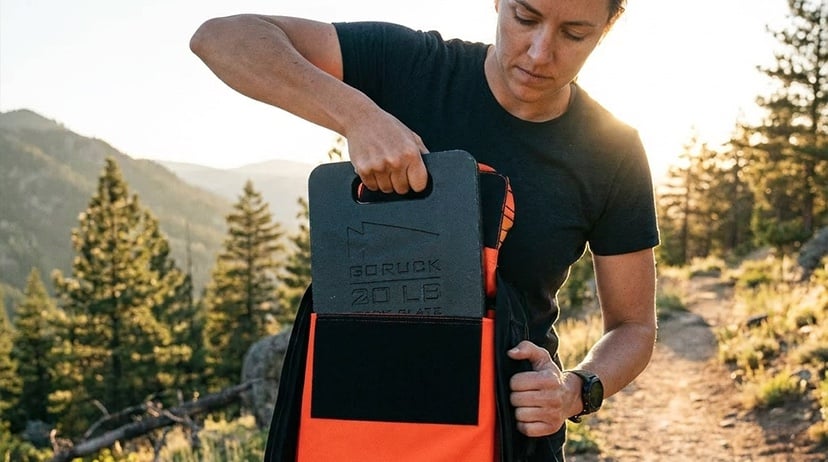
The question every rucker should ask is whether these changes solve actual problems or create new ones.
The magnetic closures fix a small problem that lots of people had. Velcro-clog and Velcro-noise are real annoyances, and the fix is a clean one. Not a deal-maker on its own, but a clear quality-of-life win.
The lumbar redesign targets the right problem. Pressure-point complaints above 35 pounds were the single most consistent criticism of earlier Ruckers, and a contoured dual-density pad is the standard fix that technical pack makers have used for years. Whether GORUCK executed it well is a fit question that won't be settled until users have a few hundred miles on it.
The material spec is sensible. 1000D CORDURA on the main panels keeps the bombproof reputation. The 210D HT back panel sheds weight where weight matters least. The 3mm frame sheet keeps the pack from collapsing around heavy plates.
Any first-generation pack design has quirks that surface over the first 6-12 months in the field. GORUCK's Scars Lifetime Guarantee covers manufacturing defects, but feature-level kinks like magnet positioning or pad break-in tend to be addressed in subsequent runs rather than warranty replacements.
Price and availability implications
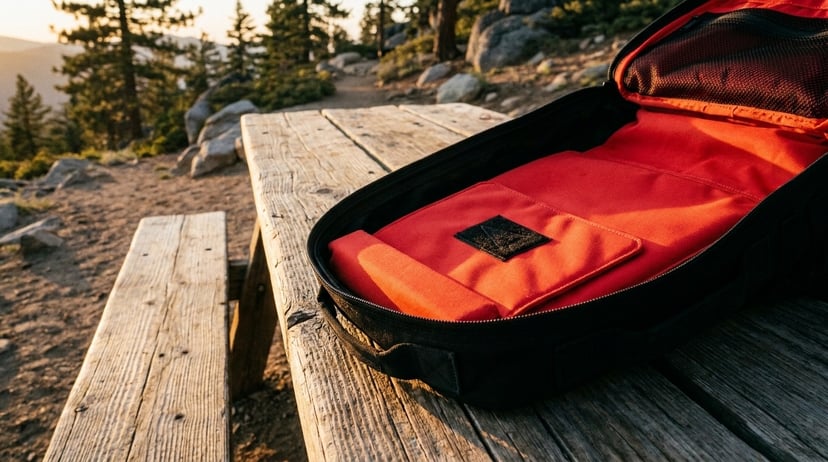
The Rucker 5.0 starts in the mid-$200s for the 20L. The 25L runs higher, and ruck plates are sold separately in the under-$100 range. That puts the 5.0 squarely in GORUCK's premium tier - the same general price neighborhood as the Rucker 4.0 before it, and meaningfully above mid-tier rucking-capable packs like the Mystery Ranch 2 Day Assault or budget options that work for rucking but aren't purpose-built for it.
What you're paying for is the same thing GORUCK has always charged a premium for: purpose-built rucking geometry, the Scars Lifetime Guarantee, and a closed loop with their ruck plate system. The 5.0's improvements don't change that calculus - they sharpen it.
Should you upgrade?

The upgrade decision depends on your current pack and specific needs:
If you're on a Rucker 4.0: Hold. The 4.0 is still a fully capable pack and the 5.0's improvements are quality-of-life rather than performance-changing. If your 4.0's lumbar pad is genuinely uncomfortable at your typical training weight, the upgrade math gets better. Otherwise, the 4.0 has years left in it.
If you're on a 2.0 or 3.0: The case is stronger. You're missing both lumbar padding refinements and the magnetic interior, and the spread between your current pack and the 5.0 is a generational jump rather than a refinement.
If you're pack shopping for the first time: Start with a less expensive pack to verify you actually like rucking before dropping premium money on a purpose-built rig. A standard daypack with a hydration sleeve plus a sandbag or weighted plate from your gym works for the first few months. If you're still rucking three months in, then the 5.0 is a defensible upgrade - and the Scars Lifetime Guarantee means it's a once-and-done purchase.
The magnetic closures and the new lumbar pad are the two changes most likely to matter day-to-day. Whether they're worth the upgrade comes down to how often the current Velcro and lumbar quirks actually slow you down in your training.
Frequently asked questions
The magnetic closures replace interior Velcro pockets, not the main pack closure or shoulder straps - those still use heavy-duty YKK zippers and military-grade buckles. The magnets themselves are an unknown over the long term; the design is too new for field-durability data. The fallback if magnets ever fail is that the pockets simply become open organizers, not a structural failure of the pack.
The 30mm contoured dual-density pad is designed specifically for the 35-50 pound range where pressure points become the limiting factor. Whether it works for your body depends on how your lumbar spine fits the contoured shape - a generalized contour fits some bodies better than the old flat pad and worse than it fit others. GORUCK's return window lets you test it under load before committing.
GORUCK has not announced a retrofit path. The magnetic closures are integrated into the 5.0's interior construction, which would make a clean retrofit to a 4.0 or earlier model difficult. If you want the magnetic interior, replacing the pack is the practical option.
At its premium-tier pricing, the Rucker 5.0 competes with mid-to-high-end hiking packs like the Mystery Ranch 2 Day Assault and the Osprey Talon series. The advantage of the Rucker is purpose-built rucking geometry, the dedicated ruck plate sleeve, and the Scars Lifetime Guarantee. Hiking packs offer more capacity and more pockets, but their frame and weight distribution are optimized for trail loads carried high, not dense plate weight carried close to the spine.
Most beginners benefit from starting with a budget-tier daypack to verify their commitment before investing in premium gear. A weighted plate or sandbag inside a standard backpack works for the first few months of rucking. If you're still rucking three months in, the 5.0 becomes a defensible once-and-done purchase backed by the Scars Lifetime Guarantee.
The Rucker 5.0 launched on May 8, 2026 and is available directly from goruck.com. As with most GORUCK releases, the initial production run can sell through on popular colorways, so check the product page for current stock if a specific size or color matters to you. The flip side of a new generation is outgoing 4.0 inventory: our Labor Day sale tracker covers why 4.0 clearance is the value play to watch this fall.