Gear Review
5.11 Tactical Base Layer Collection: Community Review & Analysis
5.11 Tactical base layers reviewed for rucking: synthetic vs merino options, moisture control, layering fit, durability, and value.
On this page7 sections
5.11 Tactical Base Layer Collection: What Ruckers Are Saying
5.11 Tactical sits in an interesting spot for ruckers shopping the base-layer aisle. The brand is tactical-coded by design, but the people actually wearing these shirts under a loaded pack run the gamut from new ruckers building a budget kit to long-haul backpackers and ultralight commuters. Based on aggregated feedback from Reddit, outdoor forums, Amazon reviews, and gear-enthusiast sites, 5.11's base layers generate both enthusiastic defenders and pointed critics. The truth, as usual, lands somewhere in the middle.
After analyzing reviews from r/tacticalgear, r/backpacking, outdoor forum threads, and retailer reviews, we've compiled what ruckers are actually saying about 5.11's moisture-wicking shirts and how they perform under sustained load.
Overview
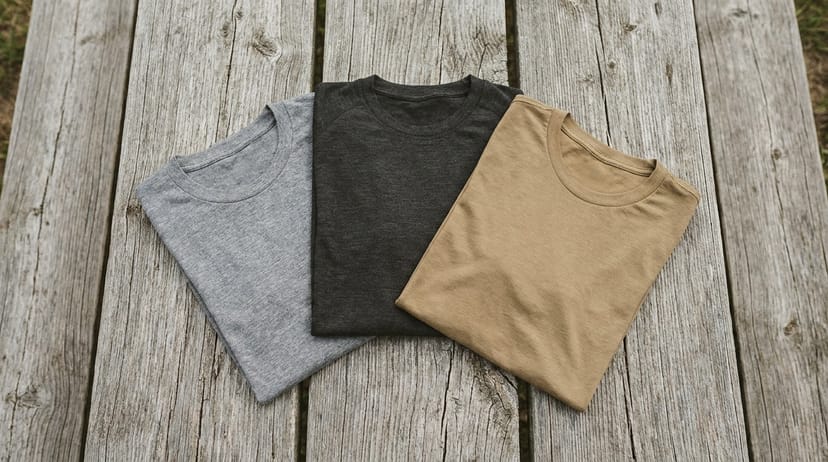
The 5.11 Tactical base layer collection includes both synthetic and merino wool options, designed around the brand's heritage of duty-cut apparel. The lineup features crew necks, v-necks, and full-coverage long-sleeve options.
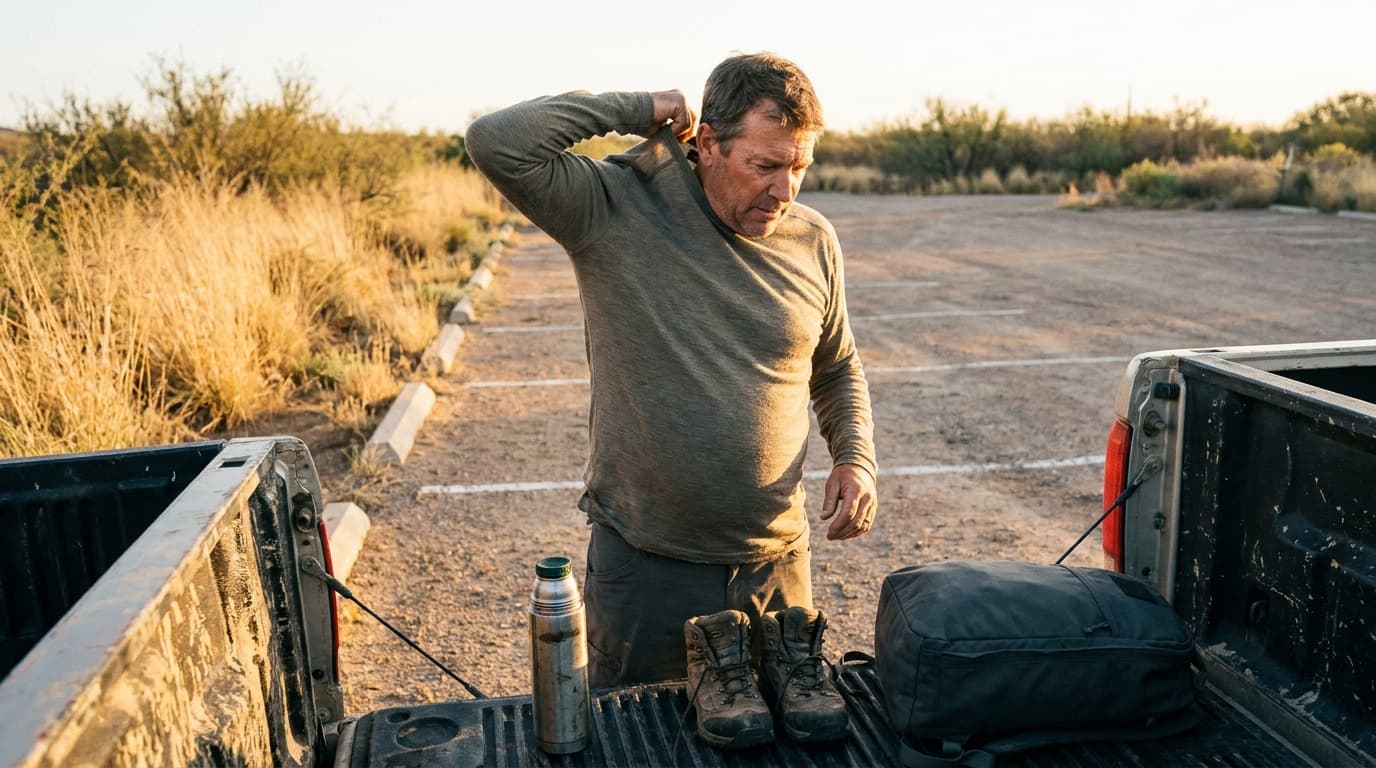
What sets 5.11's approach apart from typical athletic base layers is the cut. The shirts are patterned to sit flat under a plate carrier or weighted vest without bunching, with reinforcement at the shoulders and chest where pack straps and harness webbing typically wear through fabric first. For ruckers who carry weighted vests or run rigid-frame packs with sternum straps, that detail matters more than it does for someone in a lightweight daypack.
Community sentiment toward 5.11 as a brand is notably polarized. Outdoor and rucking subreddits show a clear divide between users who view it as reliable workhorse gear and users who consider the brand image more aesthetic than functional. That perception colors how reviewers approach the base layers before they even put them on, so it's worth filtering reviews for the actual performance signal underneath.
Key Specs
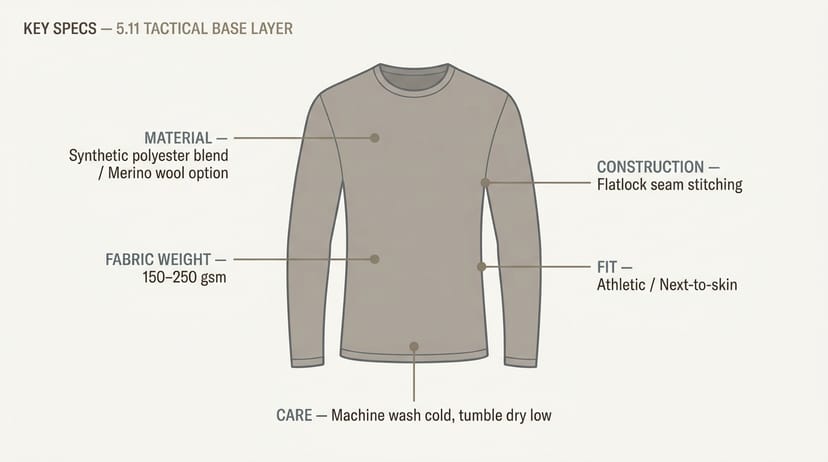
Synthetic Options:
- Materials: Polyester/elastane blend with moisture-wicking treatment
- Weight: Lightweight (approximately 4-5 oz)
- Features: Antimicrobial treatment, flatlock seams, tagless design
- Price band: Under $50
Merino Options:
- Materials: Merino wool blend (typically 80/20 merino/synthetic)
- Weight: Mid-weight base layer
- Features: Natural odor resistance, temperature regulation
- Price band: $45 to $75
Construction Details:
- Flatlock seaming to reduce chafing under pack straps
- Reinforced shoulder and chest panels
- Athletic fit cut wider through the shoulders
- Subdued color options (black, coyote, ranger green) for ruckers who want low-visibility kit
What Ruckers Are Saying

The Positive Feedback
Reddit ruckers in r/tacticalgear consistently praise 5.11's base layers for durability. One frequently cited comment: "I've had the same 5.11 synthetic base layer for three years of regular wear, and it's held up better than my Smartwool."
Forum discussions highlight that the cut works well under plate carriers without bunching, and the reinforced areas align with common pack-strap wear points. Ruckers running weighted vests for training appreciate that the shoulder seams sit outside the vest's contact zones rather than directly under them.
Amazon reviewers give the synthetic options an average of 4.2/5 stars, with consistent mentions of:
- Moisture-wicking that holds up during high-output efforts
- Durability through repeated wash cycles
- Solid value compared to premium outdoor brands
The Critical Voices
The community's criticism centers on the gap between marketing and substance. Some forum users critique what they describe as a "tacticool aesthetic over performance" pattern, arguing the brand leans on its visual identity more than its fabric tech actually justifies.
Specific performance complaints from community threads include:
- Synthetic options retaining odor faster than the antimicrobial claims suggest
- Merino blends pilling more quickly than higher-percentage merino alternatives
- Inconsistent fit between different style lines within the collection
One detailed Amazon review captured a common sentiment: "Works fine for short loops and light use, but when I'm rucking long distance, I reach for my Icebreaker or Smartwool instead."
Field Notes on Value
The recurring theme across review platforms is that 5.11 base layers represent solid "good enough" performance at a competitive price. They aren't the absolute best in any one category, but they deliver reliable function without the premium tier's price.
Ruckers frequently recommend 5.11 base layers as starter gear for new ruckers building a kit, or as backup pieces for experienced ruckers who don't want to wear out their expensive merino on training days.
Who It's Best For

Strong Match:
- Budget-conscious ruckers building their first kit
- Ruckers who layer under plate carriers or weighted vests where standard athletic cuts bunch
- Anyone who prioritizes durability over premium hand-feel
- Ruckers who want multiple base layers in rotation without spending merino prices on every piece
Consider Alternatives If:
- You're sensitive to synthetic fabrics directly against skin
- Odor control is your top priority for multi-day backcountry use
- You need best-in-class moisture management for extreme heat or extreme cold
- Premium feel and refined construction details matter more to you than value
If you're new to rucking and not sure which base-layer features matter most yet, 5.11's synthetic options make solid starter pieces. They'll teach you what you actually care about (cut, weight, neck shape, sleeve length) before you commit to a specialized outdoor brand at twice the price.
Comparison to Alternatives
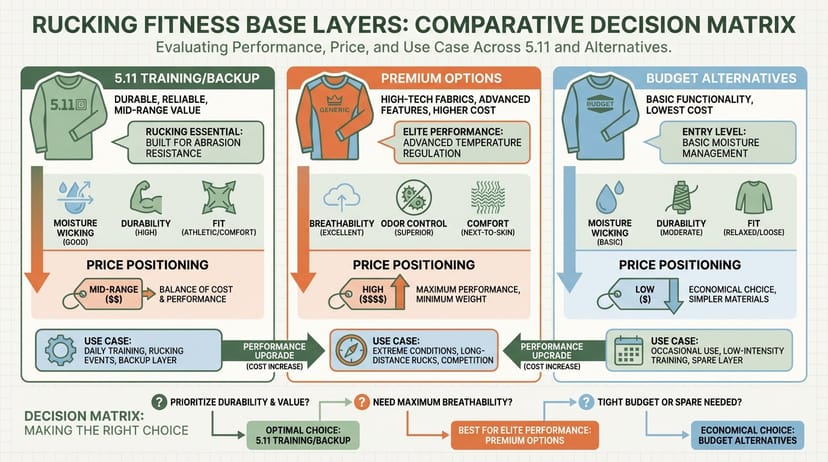
vs. Premium Merino (Icebreaker, Smartwool):
- 5.11: Better value, cut sits flatter under load-bearing harnesses
- Premium: Superior odor control, softer hand-feel, better temperature regulation across wider conditions
vs. Synthetic Competition (Under Armour, Patagonia Capilene):
- 5.11: More durable, reinforcement panels at high-wear zones, lower price
- Competition: Better moisture management, more refined fit, wider style and color range
vs. Budget Options (Hanes, Fruit of the Loom):
- 5.11: Substantially better moisture-wicking, better durability, purpose-built cut
- Budget: Lower price point, easier to find on a quick trip
The sweet spot for most ruckers seems to be running 5.11 as the training and rotation base layer, with one or two premium merino pieces reserved for longer events or trips where odor control and temperature range matter most.
Bottom Line
5.11 Tactical base layers occupy a defensible spot in the market: a cut that works well under load-bearing harnesses, a competitive price, and durability strong enough for regular rotation. Community feedback suggests they aren't the best or worst option in any one dimension, but they're a practical pick for ruckers who want reliable performance without spending premium money on every piece.
The synthetic options offer the strongest value proposition. The merino blends have a harder time justifying their price against specialized outdoor brands that put a higher percentage of merino into the same fabric weight. For ruckers building a first kit or stocking multiple base layers for rotation, 5.11 lays a reasonable foundation.
The brand's polarizing reputation should not pull focus from the useful part: these base layers work. They may not be the choice of ultralight backpackers chasing every gram, but for the bulk of ruckers, they handle moisture and stand up to repeated wear well enough for regular training.
Treat 5.11 base layers as workhorse pieces rather than premium kit, and they'll likely meet or exceed expectations.
Frequently Asked Questions
5.11 synthetic options excel in durability and value, while Smartwool leads in odor control and comfort. For training rucks, 5.11 performs well; for multi-day events, many ruckers prefer Smartwool's natural properties.
Yes. The cut is patterned to sit flat under load-bearing harnesses, and reinforced shoulder and chest panels align with the contact zones where pack straps and vest webbing wear fabric first. Ruckers running weighted vests for training consistently call this out as a strength.
Reviewers recommend the synthetic options for high-output, hot-weather efforts. The synthetic moisture-wicking performs better than 5.11's merino blends in humid conditions, and the lower price lets you keep multiple pieces in rotation.
Community reports show 2 to 3 years of regular use for synthetic options with proper care. Durability tends to exceed expectations for the price band, though premium merino brands may last longer with the same use pattern.
Forum discussions suggest they offer solid value for civilian use, especially for new ruckers. The brand styling won't appeal to everyone, but the underlying performance and durability work well for recreational rucking.
Sizing feedback is mixed. Some users report athletic fits run slightly small. The cut accommodates broader shoulders and chest better than typical athletic wear, but trying on or ordering a couple of sizes for comparison is the safer move.
Quick Comparison
| Product | Price | Best For | Buy |
|---|---|---|---|
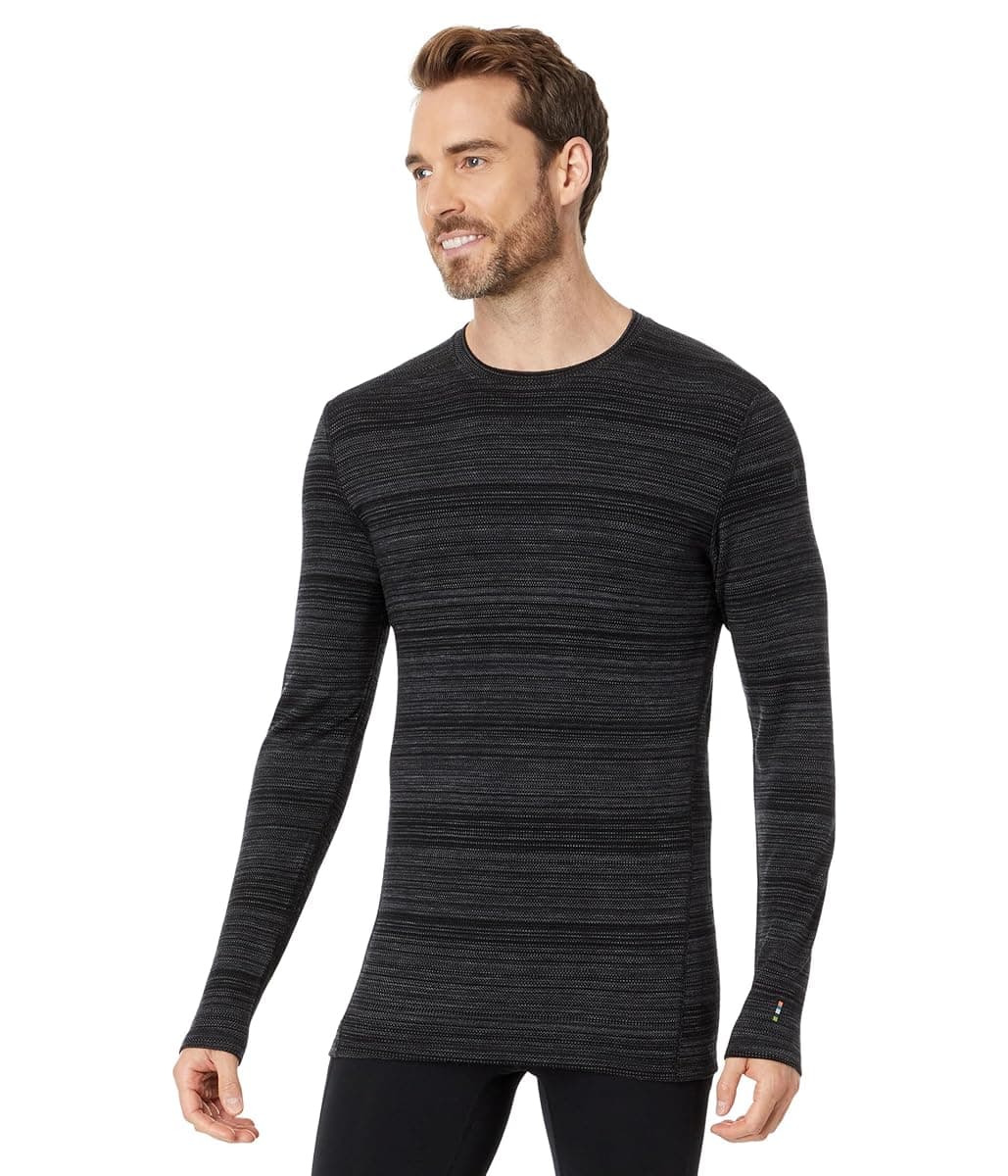 Current 150-weight pickSmartwool Men's Classic All-Season Merino Base Layer Crew | $50-150 | Cool-weather rucking and high-output winter layering when moisture management matters more than maximum insulation. | |
| $50-150 | Users prioritizing natural fiber performance and odor control for extended outdoor activities who don't mind premium pricing. |

Related Articles

The $50 Rucking Starter Kit: Everything You Need on a Budget
A complete kit for under $50 - no GORUCK required.
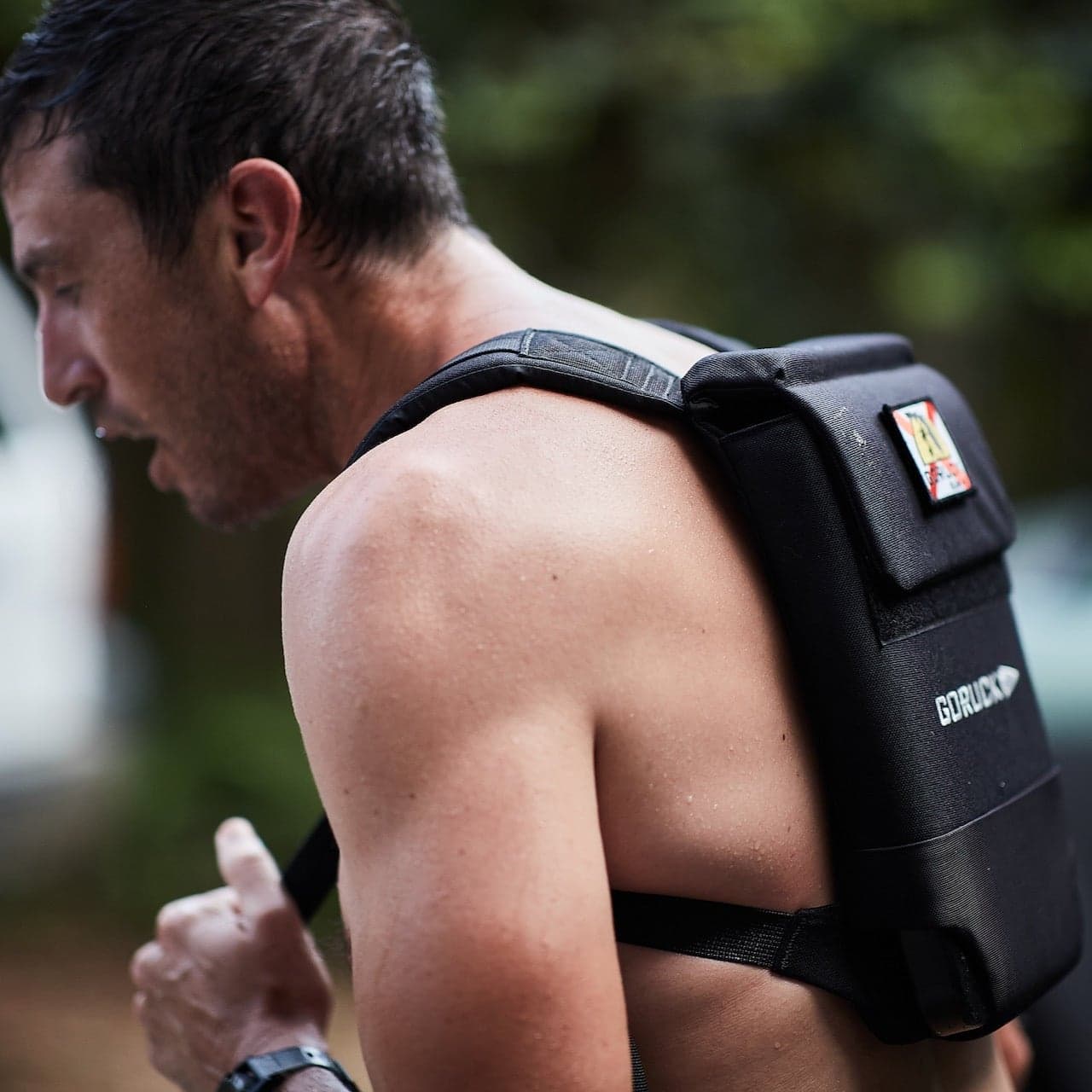
GORUCK Ruck Plate Carrier 3.0 vs Rucker 5.0
Compare the GORUCK RPC 3.0 and Rucker 5.0 for plate fit, water and gear storage, sizing, and event use. Choose around what you actually carry.
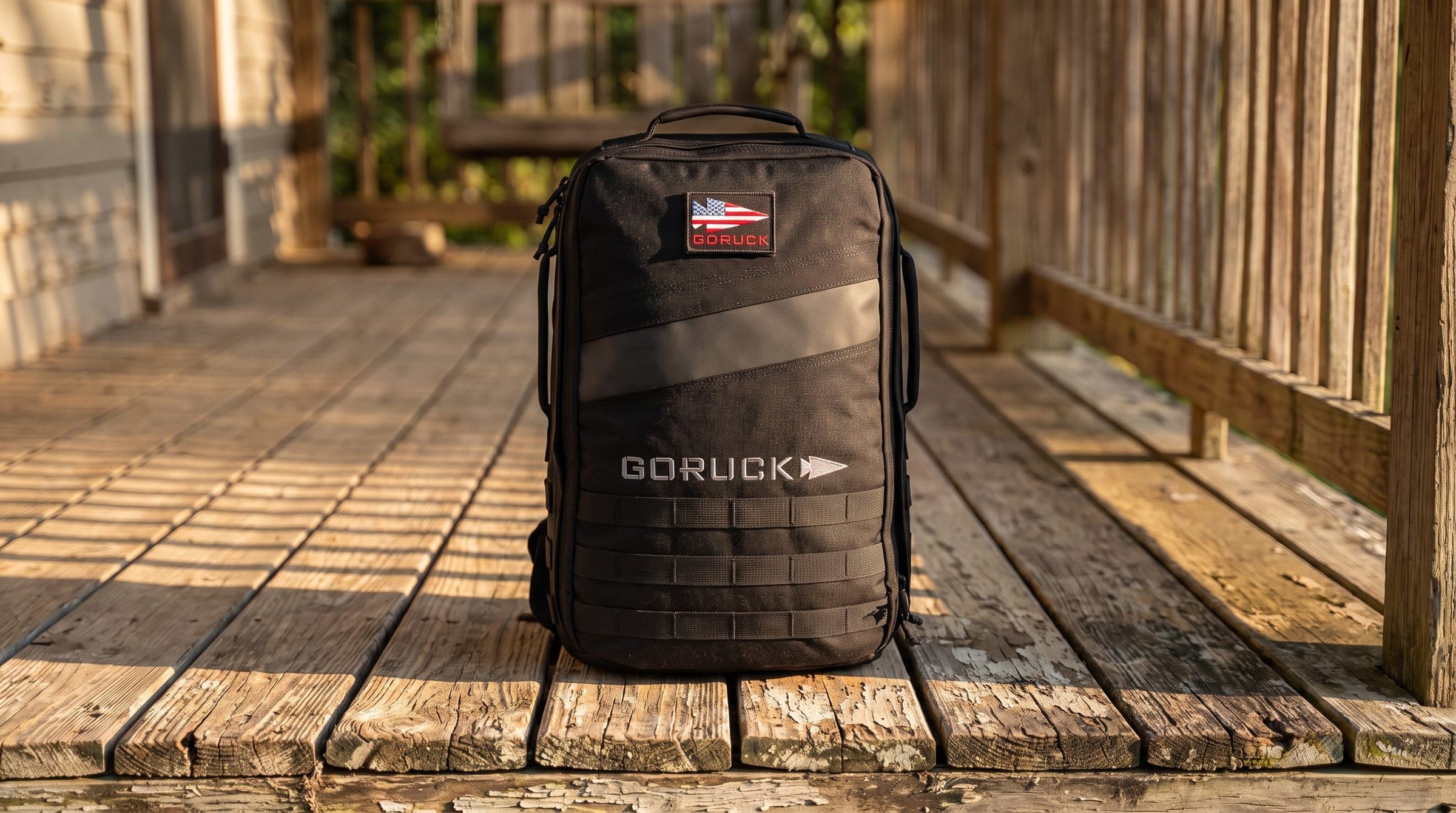
GORUCK Rucker 5.0 Review: Is It Worth It Over the 4.0 in 2026?
GORUCK replaced the Rucker 4.0 with the 5.0, and the discount on remaining 4.0 stock is smaller than most people expect. Here is what actually changed and which one to buy.

Best Ruck Plates 2026: Match the Plate to the Pocket
Compare GORUCK Standard and Long plates, Rogue vest pairs, Yes4All and flexible weights by dimensions, retention and the pack you own.