The bare word, defined
Ruck
Walking with weight in a backpack. Born in the military, adopted by everyone training for life under load.
Learn how to startDefined
What ruck actually means.
Ruck is both a verb and a noun, and the meaning depends on context. As a verb, it means to walk with weight in a backpack as a form of training: I rucked five miles this morning. As a noun, it refers to either the backpack itself (a shortened form of rucksack) or a single session of the activity: I went on a long ruck Saturday.
The word ruck is short for rucksack, a German-derived word for backpack. Military load carriage is one source of the modern fitness practice, but you don't need military experience to use a loaded walk as exercise.
Load, time, pace and terrain all affect the effort. A short, light outing can be a ruck; there is no weight requirement or event test to pass before the term applies.

Why
Why people pick rucking over running or walking.
Rucking adds a training variable to a familiar movement: walking. At the same pace and on the same route, carrying weight increases the estimated energy demand. Duration, grade and terrain also matter, so there is no universal calorie multiplier or one load that suits everyone.
A walking stride usually has lower per-step impact than running, but a backpack adds load and changes the task. That doesn't establish a lower injury rate or make rucking a substitute for individual advice about knee, hip or back pain. Start from comfortable unloaded walking and a setup you can carry with a normal stride.
Evidence
What the research says.
Findings and their limits, each linked to the paper. Our 2026 research review reviews a selection of recent load-carriage studies, and the rucking explainer covers the history and how to start.
01 / Energy cost
Load raises the energy cost of walking predictably, and grade raises it more. For a 180 lb person at 3.5 mph the Pandolf model gives about 365 calories an hour unloaded, about 410 with a 30 lb pack, and about 635 with the same pack up a 5% grade.
Pandolf et al., 1977, Journal of Applied Physiology02 / Bone
A review of nine weighted-vest trials in 368 middle-aged and older adults found improved femoral-neck and lumbar-spine bone density when vest use was combined with exercise versus usual activity. These are vest-program findings, not direct evidence that recreational backpack rucking prevents osteoporosis.
Wang et al., 2026, Osteoporosis International03 / Movement
A secondary analysis of INVEST found that the relationship between upright time and hip bone-density change differed across weight-loss groups. The parent trial did not show greater bone preservation for the vest group overall. This is a research question about vest use during weight loss, not proof of a backpack-rucking benefit.
Fanning et al., 2026, Frontiers in Aging04 / Injury
Military foot-march research ties injury risk to heavier loads, longer distances, low fitness and prior injury. Progressing one variable at a time is the practical answer.
Knapik, 2014, Journal of Special Operations Medicine
Where to start
Pick a lane.
Each card is a full guide, not a teaser. Most readers should start with the beginner's guide and branch from there.
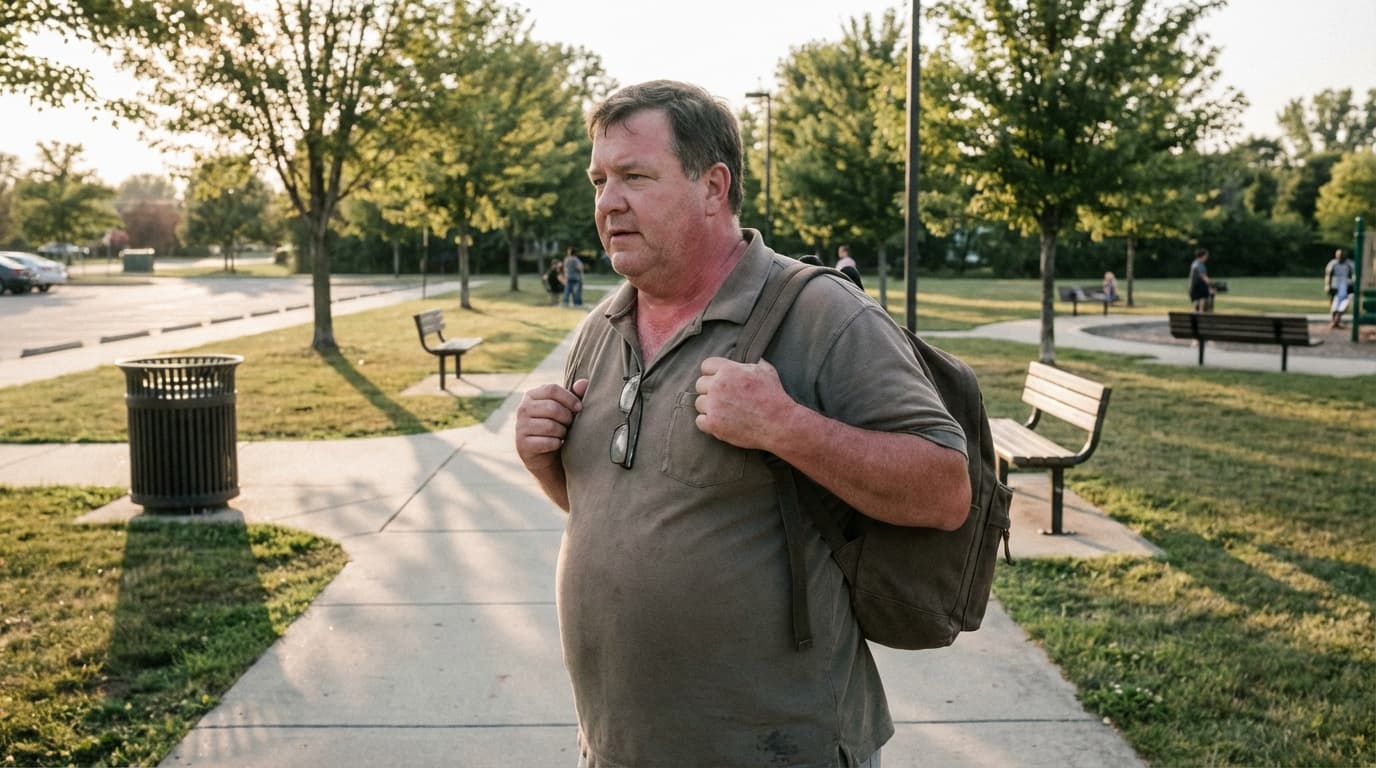
Start here
The complete beginner's guide
What to expect on your first ruck, how to build a 30-day habit, and the form cues that prevent the most common mistakes.
Plan your first ruck →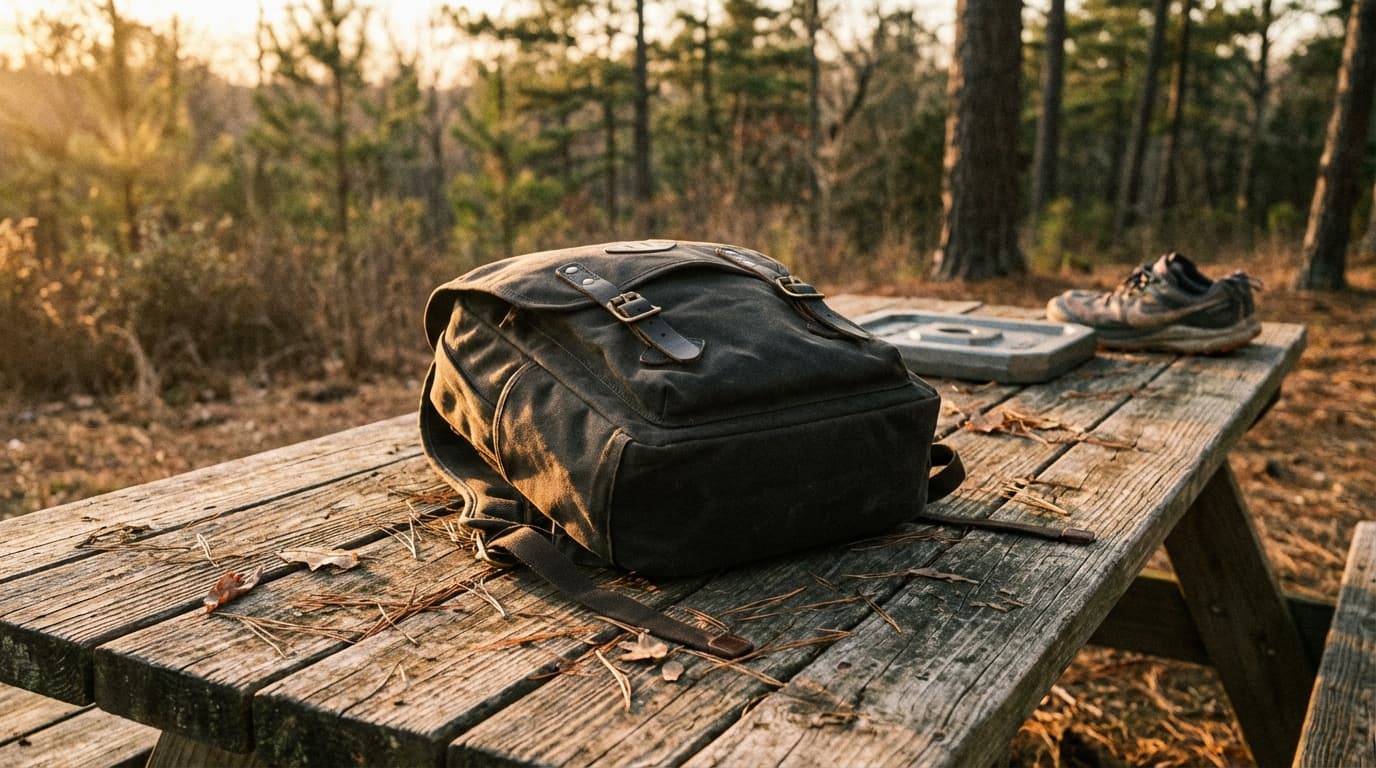
Gear
What you actually need
A regular backpack and books will work. When (and why) to upgrade to a purpose-built ruck.
See what to buy →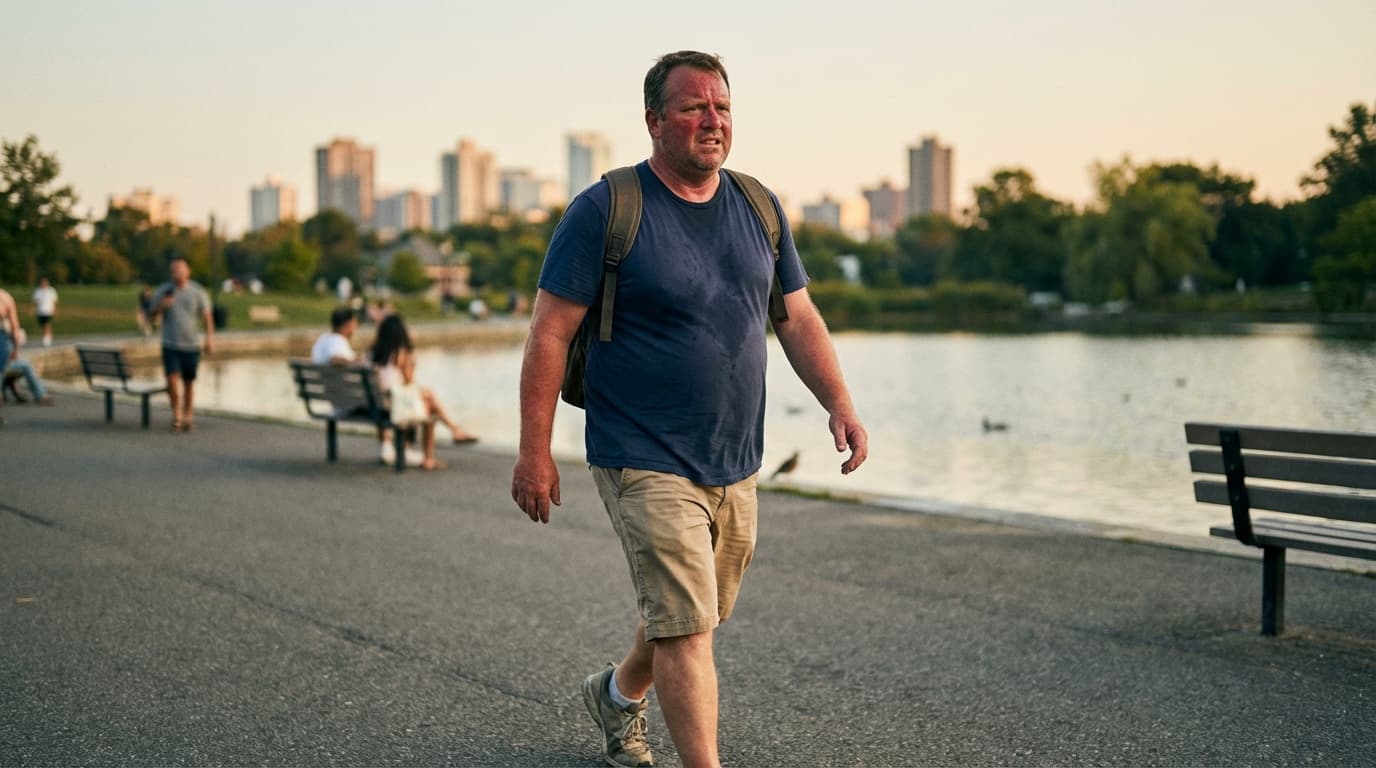
Goal
Rucking for fat loss
How much a pack and a hill add to your calorie burn, and how to structure the week around it.
Build the protocol →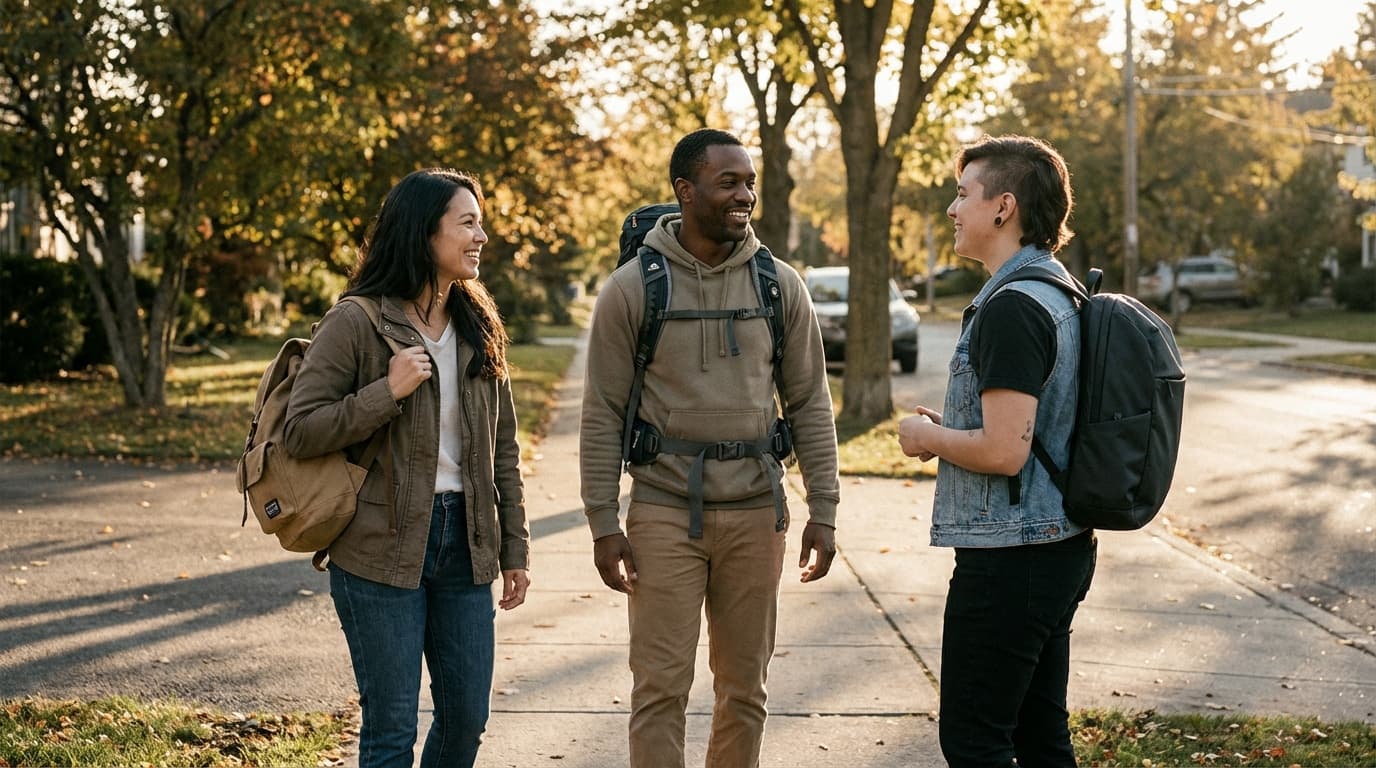
Explained
What is rucking?
A clear explanation of the term, its military roots, why weighted walking works, and how to start without expensive gear.
Read the explainer →Compared
How is this different from walking, hiking, or running?
The honest comparison, on the metrics that actually matter.
| Ruck | Walk | Hike | Run | |
|---|---|---|---|---|
| Calorie burn (per hour, 175 lb body) | 325 to 400 flat, 510 to 620 up a 5% grade | 285 to 355 | 295 to 380 on rough trail, about 500 to 620 climbing | 690 to 820 |
| Loading and impact | Walking stride with added load | Unloaded walking | Varies with terrain and pack | Usually higher per-step impact |
| Upper-body involvement | Yes (posture, traps, core) | Minimal | Minimal | Minimal |
| Equipment to start | Existing suitable backpack and shoes | Suitable walking shoes | Suitable shoes and route supplies | Suitable running shoes |
| Learnable in one session | Yes | Yes | Yes | Yes |
Calorie figures assume a 175 lb adult. Ruck (30 lb) and walking at 3.0 to 3.5 mph on pavement, and hiking unloaded at 2.5 to 3 mph, are Pandolf-equation estimates; running is 5 to 6 mph (Compendium of Physical Activities METs). Pandolf tends to under-predict heavy loads, so the ruck figures are conservative. Use the rucking calorie calculator for a personalized estimate.
Common questions
Quick answers.
- What does ruck mean?
Ruck is both a noun and a verb. As a verb, it means to walk with weight in a backpack as a form of training. As a noun, it can refer to either the backpack itself or to a single training session ("I went on a long ruck this morning"). The word is short for rucksack, from the German Rücken (back) plus Sack (bag).
- Is rucking just walking with a backpack?
Rucking is walking with weight in a backpack deliberately for exercise. It can be a neighborhood walk, a trail outing or a treadmill session. There is no minimum pack weight or pace that makes a session count.
- How heavy should my ruck be?
Begin unloaded if ordinary walking is not comfortable yet. If you already walk 30 minutes comfortably, try 20 minutes with 5 to 10 pounds or less. Keep that light load through your first month and build time according to recovery. This is a conservative starting example, not a medical threshold; body-weight percentages cannot determine an individual's safe load.
- How is rucking different from hiking?
Hiking is typically defined by terrain (trails, elevation, distance). Rucking is defined by load (a backpack heavy enough to be the point of the workout). A trail hike with a 30-pound pack is also a ruck. A four-mile road ruck with 20 pounds is not really a hike.
- Can you ruck every day?
Frequency depends on recent training and recovery. Start with one loaded session per week, add a second only when the first is repeatable, and leave at least one unloaded day between rucks. Experienced ruckers need to consider total weekly load and recovery rather than copying a beginner schedule or assuming daily rucking is always appropriate.
- Does rucking burn more calories than running?
Running often uses more energy per minute at typical training intensities. Total session energy also depends on duration, pace, body weight, pack weight and terrain. The Pandolf model estimates about 365 calories per hour for a 180 lb person walking at 3.5 mph on flat pavement, about 410 with a 30 lb pack, and about 635 carrying that pack up a 5 percent grade. These are model examples, not measured personal calorie burn or beginner load recommendations.
- Is rucking bad for your knees or back?
A backpack adds load and can change gait. A walking stride usually has lower per-step impact than running, but that does not establish a lower injury rate or safety for an existing knee or back condition. Begin only when ordinary walking is comfortable, stop if pain builds or changes your stride, and seek individual advice for persistent symptoms or an existing injury.
- What kind of backpack should I use for rucking?
A sturdy backpack with comfortable straps and a secure light load can work for your first short outing. Check its stitching, fit and load rating. A dedicated ruck becomes useful when you need more secure weight carry or a better fit for regular loaded walking. Compare the actual pack's features rather than assuming every daypack or tactical pack handles a heavy plate well.
- Do you need ruck plates to start?
No. Books or water bottles can provide a measurable light starting load. Cushion and secure them so they cannot shift or press into your back. A plate becomes useful for a repeatable flat load, but its dimensions must fit the pack's intended pocket.
- Where do most people ruck?
You can ruck on sidewalks, trails or a treadmill. For a first outing, choose a familiar flat route that is easy to cut short. Hills, uneven ground and poor footing increase the task's demands, so add them separately rather than increasing load and terrain difficulty together.

From Joel Kelly, founder
The guide I wish I had when I started.
I built Ruck Authority because most of the advice I found was written for people with military experience or centered on selling gear. I wanted a clear place for someone who saw a friend rucking and wondered how to start.
Every guide on this site is research-backed. The calculators use the actual published equations (Pandolf, ACSM, etc.). The gear reviews use a transparent four-dimension scoring methodology. Nothing here is gated behind an account or a paywall.